Every wine conversation in Bangkok eventually turns to Tuscany — Chianti, Brunello, Super Tuscans. Meanwhile, Veneto quietly bottles more wine than any other region in Italy, exports it to over 150 countries, and produces one of the most dramatic wines on the planet. It's time Veneto got its moment.
Verona's Wine Triangle: Three DOCs That Matter

Veneto stretches across northeastern Italy from the Dolomites to the Adriatic coast. But the wines that define the region are made in a relatively small triangle of hills west and east of Verona — the city of Romeo and Juliet, and also, quietly, the city of some of Italy's greatest wine.
Three DOC appellations sit at the heart of this triangle, and understanding how they relate to each other unlocks the entire Veneto story:
Valpolicella
The everyday red. Light, fresh, food-friendly. Made from Corvina, Rondinella, and Molinara. Serves as the foundation for everything above it.
Amarone della Valpolicella
The crown jewel. Same grapes — but dried for months, concentrated, fermented dry into something enormous. One of Italy's great cellar wines.
Soave
The white counterpart. Garganega on volcanic soils, east of Verona. Mineral, textured, and quietly one of Italy's most underrated white wines.
These three appellations aren't just neighbours on a map — they share producers, philosophy, and centuries of winemaking history. Families like Speri and Masi make wine across all of them. Understanding one helps you understand the others.
Valpolicella: The Fresh, Everyday Red
Valpolicella — the name comes from Latin meaning "valley of many cellars" — is the base layer of Veneto's red wine pyramid. Made from a blend of indigenous grapes, it is one of Italy's most produced DOC reds, and one of its most misunderstood.
The blend typically centres on three grapes:
- Corvina Veronese — the dominant grape. Red cherry, sour cherry, fresh acidity. Thin-skinned, high in natural acids. The personality grape.
- Rondinella — adds colour and body. More resistant to disease, useful for blending structure without weight.
- Molinara — the light grape. Pale, high acid, increasingly optional under modern DOC rules. Some producers drop it entirely.
A standard Valpolicella is light in body, high in bright acidity, and built for the table — think grilled meats, pizza, pasta with tomato sauce. The Classico designation matters: wines from the original hillside zone (the comuni of Negrar, Marano, Fumane, Sant'Ambrogio, and San Pietro in Cariano) are measurably more complex and site-specific than the expanded zone wines.
🍷 Sommelier Tip
Serve Valpolicella slightly cool — around 16°C. Its bright cherry fruit and high acidity make it one of the most food-versatile Italian reds on the table. It handles tomato-based sauces better than almost any other red wine.
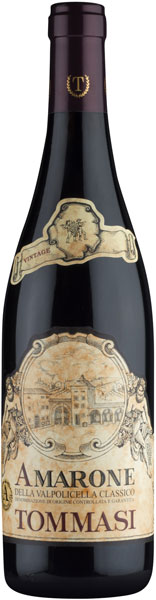
The two Valpolicella bottles in our Bangkok range come from producers who take the Classico zone seriously. Danese is your entry point — honest, fresh, everything Valpolicella should be at a fair price. Speri, a fourth-generation family estate in Fumane, is the benchmark: the kind of wine that makes you reconsider how seriously you took Valpolicella before.
Recommended: Entry Valpolicella
Ripasso: The Smart Buyer's Secret Weapon
If Valpolicella is the everyday red and Amarone is the special occasion splurge, Ripasso is the wine for everyone who wants something in between — and is smart enough to know it exists.
The technique is literally in the name. Ripasso means "re-passed." After Amarone has finished fermenting in its large wooden vats, the pressed skins — still rich with residual sugars, colour, and flavour — are set aside. Young Valpolicella wine is then poured over those spent Amarone skins for a second fermentation of 10 to 15 days. The result is a wine that has been run through the Amarone machine without actually being Amarone.
| Characteristic | Valpolicella | Ripasso | Amarone |
|---|---|---|---|
| Body | Light–medium | Medium–full | Full to very full |
| Alcohol | 11–12% | 13–14% | 15–17%+ |
| Tannins | Soft | Medium | Firm and grippy |
| Key flavours | Red cherry, herbs | Plum, dark cherry, chocolate, dried fruit | Fig, dried cherry, dark chocolate, espresso, leather |
| Aging potential | 2–4 years | 5–8 years | 15–25 years |
| Bangkok price range | ฿819 | ฿849–฿1,210 | ฿2,500+ |
What you get in a Ripasso: the dried-fruit richness and chocolate depth of Amarone — plum jam, dark cherry, hints of espresso and cacao — at a fraction of the cost and a fraction of the commitment. Ripasso is also a wine you can open tonight with dinner, not one that needs to wait in a cellar for a decade.
The Zonin Ripasso Valpolicella Superiore is textbook Ripasso at an honest price — plum, chocolate, and dry raisins, with enough structure to stand up to a slow-cooked beef dish. For a step up, Speri's Ripasso Classico comes from one of the region's most trusted family estates; same technique, same philosophy, noticeably more depth and elegance.
🍷 Sommelier Tip
Ripasso is the single best Italian red for Thai grilled meats, duck dishes, and lamb. The dried-fruit character bridges the gap between a wine's natural tannin and the fat in the meat better than most Chianti, and at a more accessible price point.
Recommended: Ripasso — Entry to Mid-Range
Corvina grapes drying on bamboo racks in a fruttaio (drying loft) — the appassimento process that transforms Valpolicella into Amarone. Up to 30% of the grape's weight is lost to evaporation before fermentation begins.
Amarone: Italy's Most Dramatic Wine

No Italian wine is made with more deliberate effort than Amarone della Valpolicella. It begins with the same Corvina, Rondinella, and Molinara grapes as an ordinary Valpolicella — but what happens next belongs to a different world entirely.
At harvest, only the healthiest, most perfectly formed grape clusters are selected and laid on bamboo racks in open-air drying lofts called fruttai. For the next 90 to 120 days — three to four months — the grapes simply rest and lose water through evaporation. By the time they are pressed, they have lost 30 to 40 percent of their original weight. What remains is an impossibly concentrated must: thick, syrupy with sugar, deep in colour, loaded with flavour compounds that were never detectable in the fresh grape.
"Amarone is not a wine that was made stronger — it is a wine that became itself through patience."
The word Amarone means "the great bitter one." The name comes from contrast: Veneto also makes Recioto from the same process, but stops fermentation early to leave residual sweetness. When a producer let the fermentation run to completion — fermenting all that sugar dry — the result was bitter by comparison. The name stuck, and so did the style.
What makes Amarone extraordinary:
- Alcohol — typically 15 to 17 percent, sometimes higher. The concentrated must creates more fermentable sugar, which means more alcohol. This is not a wine you open without intention.
- Flavour depth — dried fig, stewed plum, dark cherry conserve, espresso, bitter chocolate, leather, tobacco, and often a savoury umami finish that evolves for years in the glass.
- Aging potential — serious Amarone from a top producer and a good vintage can age 15 to 25 years, sometimes longer. Entry-level Amarone from a co-op needs 5 to 8 years minimum.
- Oak aging — DOCG rules require a minimum of two years in oak for standard Amarone and four years for Riserva. Most serious producers use large Slavonian oak barrels (botti) rather than new French oak, preserving fruit over wood.
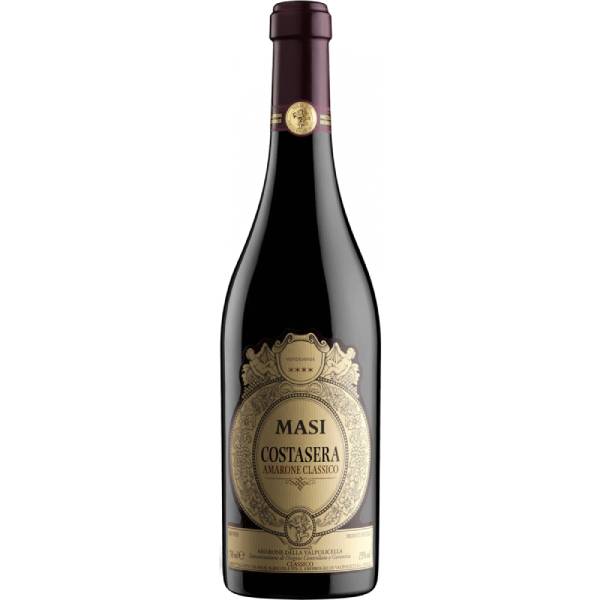
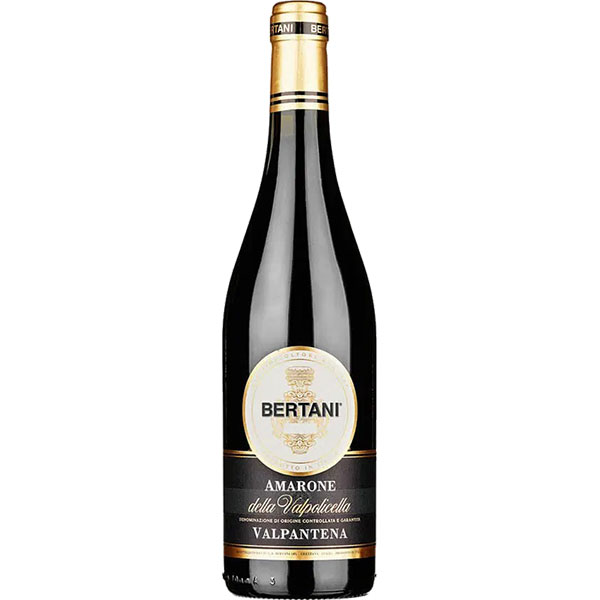
Masi's "Bonacosta" Classico is one of the best introductions to the Veneto at a Bangkok-friendly price — a Valpolicella Classico from one of the region's historic producers that shows you the base material before you invest in Amarone. For Amarone itself, the Bangkok market typically starts around ฿2,500 and rises steeply from there. If you find Masi Costasera, Speri Valpolicella Classico Amarone, or Bertani at a reasonable price, these are the names to trust.
Also Worth Trying: Masi Valpolicella Classico — the historic producer's benchmark base wine
Soave: The Underrated White Nobody Talks About
Ask most wine drinkers in Bangkok to name an Italian white, and you will hear Pinot Grigio. Ask a sommelier, and there is a reasonable chance they say Soave — particularly Soave Classico from the volcanic hills east of Verona.
Soave is made primarily from Garganega, an ancient grape unique to this zone. The best vineyards sit on basalt — volcanic rock — which gives the wines a distinctive mineral salinity and a texture you cannot get from alluvial soils. Think of it as the geological equivalent of Alsace for Riesling, or Chablis for Chardonnay: the soil is doing something irreplaceable, and the wines reflect it unmistakably.
What Soave Classico tastes like at its best:
- White blossom, peach, lemon zest on the nose
- Almond, white pepper, and a saline mineral quality on the palate
- Medium body, lively acidity, a long and slightly bitter finish — the signature of Garganega
- At its finest (think Pieropan, Anselmi, Inama), a complexity that rivals good white Burgundy at a quarter of the price
The phrase "the Riesling of Italy" is an oversimplification, but it captures something true: Soave Classico is a food-versatile, terroir-expressive white that rewards attention and ages far better than its affordable price suggests. It is remarkable with seafood, Thai salads, grilled chicken, and soft cheeses.
Speri's Soave Classico DOC is the companion piece to their Valpolicella — same family philosophy, opposite side of the appellation map. Try them side by side if you can. The contrast between the white and the red tells you more about Veneto than any tasting note.
Recommended: Soave Classico
Prosecco: A Quick Word on Veneto's Famous Fizz
Veneto's most exported wine is not Amarone, Ripasso, or Soave. It is Prosecco — the sparkling wine made from Glera grapes in the hills between Treviso and Conegliano-Valdobbiadene, in the northern reaches of the region. Italy exports over 600 million bottles of Prosecco a year, and Veneto produces the majority of it.
Prosecco's bubbles are made using the Charmat method — secondary fermentation in pressurised steel tanks rather than in the bottle — which preserves fresh fruit aromatics and keeps production costs low. The resulting wine is lighter, fruitier, and less yeasty than Champagne, designed for immediate enjoyment rather than cellaring.
Prosecco Superiore DOCG from Conegliano-Valdobbiadene or Asolo is a step above the standard DOC: hillside vineyards, lower yields, more texture. The single-vineyard Rive wines represent the appellation's finest expression. But for most occasions, well-made Prosecco DOC is cheerful, affordable, and exactly what it sets out to be.
Keep reading: Malbec · Wine Under ฿1,000 in Bangkok · all Wine stories.
Frequently Asked Questions
What is the difference between Valpolicella, Ripasso and Amarone?
Same region, same grapes (Corvina-led blends), three levels of concentration. Valpolicella is fresh and light; Amarone is made from grapes dried for months before fermentation, producing a powerful 15%+ wine; Ripasso sits between the two — Valpolicella "re-passed" over Amarone's pressed skins for extra depth. Price in Bangkok follows the same ladder.
How much does Amarone cost in Bangkok?
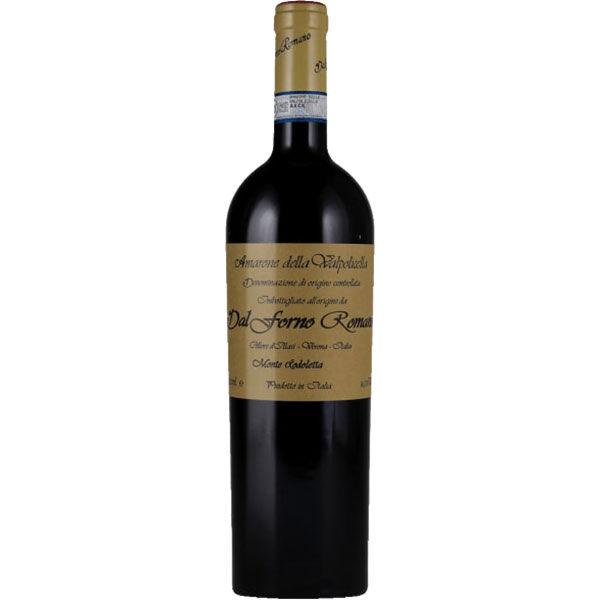
Entry-level Amarone from reliable producers starts around ฿2,500. Top bottlings like Zenato's Classico run ฿4,000+, and icon producers such as Dal Forno Romano reach ฿15,000. Ripasso delivers a meaningful share of the Amarone experience from about ฿1,000–1,800.
Is Soave a good white wine?
Modern Soave — especially Soave Classico from the volcanic hills — is one of Italy's most underrated whites: dry, almond-and-citrus flavoured, with genuine minerality. It is also one of the best-value Italian whites on the Bangkok market.
What food goes with Amarone in Thailand?
Amarone wants rich, slow-cooked food: braised beef ribs, aged cheese, mushroom dishes. Its size overwhelms delicate Thai seafood dishes — save it for the grill or the cheese board.