Italy makes wine from over 350 native grape varieties across 20 regions — no other country comes close to that complexity. It's also the reason Italian wine labels can feel like a puzzle. Once you understand the basic map, though, the picture becomes clearer and the wines become some of the most exciting and food-friendly on earth. Here's the guide you need, focused on what's actually available in Bangkok.
Why Italy Is the Most Complicated Wine Country

Most wine countries build their identity around one or two key grapes. France has Cabernet Sauvignon, Chardonnay, Pinot Noir. Spain has Tempranillo. Italy refuses to simplify.
Every Italian region has its own native varieties, its own classification system, and its own food culture that the wine was built to serve. The same grape can produce completely different wines depending on the producer, the altitude, and the soil. This complexity is a feature, not a bug — once you find a style you love, there's a lifetime of exploration within it.
Tuscany — The Heart of Italian Fine Wine
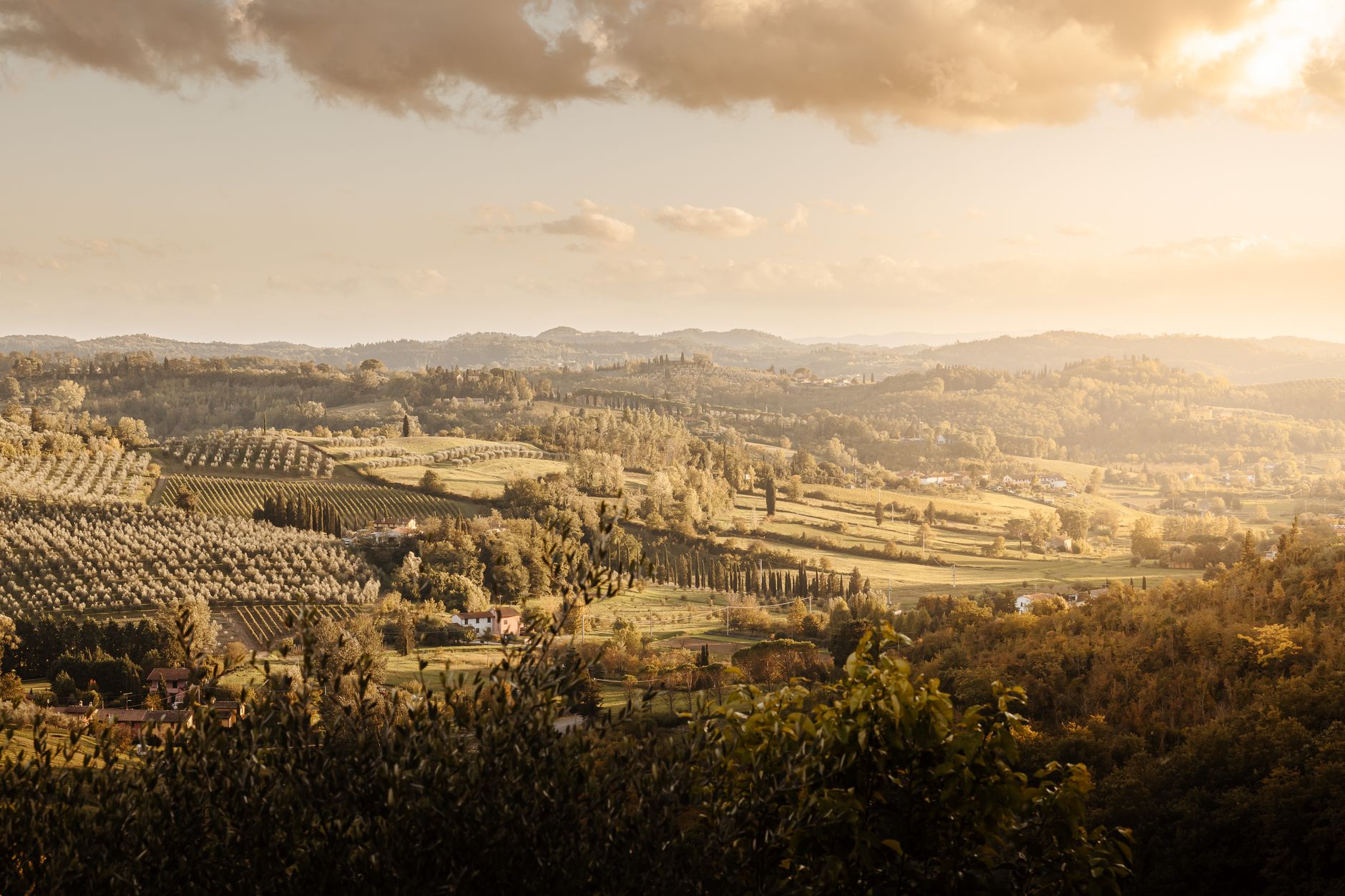 Tuscany is where most people start with Italian wine, and for good reason. It's home to Sangiovese — one of the world's great red grapes — and to some of Italy's most internationally recognised appellations.
Chianti DOCG — The Entry Point
Chianti is made predominantly from Sangiovese grown in the rolling hills between Florence and Siena. At its best it delivers tart cherry, dried herbs, leather, and grippy tannins with natural high acidity — a combination built for food, particularly anything tomato-based or red-meat focused.
The Chianti Colli Senesi DOCG subzone sits in the southern Chianti hills. It's less famous than Chianti Classico (which requires the iconic black rooster on the label) but produces wines with a similar structure at more accessible prices.
DOC vs. DOCG — What the Letters Mean
Italy's classification system runs from the broadest to the most specific:
| Level | What it means | Example |
|---|---|---|
| IGT | Indicazione Geografica Tipica — regional wine, few restrictions | Monte Antico Rosso IGT |
| DOC | Denominazione di Origine Controllata — specific zone, grape rules | Valpolicella DOC |
| DOCG | DOC + Garantita — strictest rules, tasting board approval required | Chianti Colli Senesi DOCG |
DOCG is the highest tier, but it doesn't guarantee the best wine. A skilled producer making an IGT wine outside the classification rules (because they want to add Cabernet or Merlot, which Chianti regulations don't allow) can produce something far more exciting than a mediocre DOCG.
Super Tuscans — When Italian Winemakers Broke the Rules
In the 1970s and 80s, a group of Tuscan producers started blending Sangiovese with French varieties (Cabernet Sauvignon, Merlot, Syrah) and ageing in small French oak barriques — none of which was permitted under DOC regulations. The wines were classified as humble Vino da Tavola (table wine). They were extraordinary, and they commanded higher prices than most DOC wines.
The category became known as Super Tuscans — wines like Sassicaia, Ornellaia, and Tignanello. Today they're classified as IGT Toscana, acknowledging their quality without fitting the DOC mould.
Monte Antico Rosso (฿800) operates in this tradition: a Tuscan blend with Sangiovese at the core, offering complexity and depth beyond what its price suggests.
Veneto — From Everyday to Extraordinary

The Veneto in northeastern Italy produces more DOC wine than any other Italian region. Two styles deserve attention.
Valpolicella — The Versatile Red
Valpolicella is made from a blend of native grapes — primarily Corvina, Rondinella, and Molinara — grown in the hills west of Verona. At its basic DOC level it's a light to medium-bodied red with sour cherry, fresh herbs, and a slightly bitter finish (that bitterness is a Veneto signature, not a flaw).
Speri is one of Valpolicella's most respected family producers, with over a century of history in the zone. Their Classico DOC is the benchmark for what Valpolicella should taste like: transparent ruby, vivid fruit, food-friendly structure.
Amarone della Valpolicella is the same zone's prestige wine — made from grapes that have been dried for months before fermentation, concentrating everything into a dense, powerful, expensive wine. Ripasso is the middle ground, a Valpolicella that has been re-fermented on Amarone pomace to add body.
We stock the benchmark: Bertani Amarone della Valpolicella Classico — a perfect 100-point wine from the house that has defined traditional Amarone since 1857, around ฿7,100.
Abruzzo and the South — Value Country
Montepulciano d'Abruzzo is one of Italy's most undervalued grapes: deep colour, firm tannins, dark plum and earth, with a natural robustness that makes it ideal for red meat and long pasta dishes. It's grown in Abruzzo on the Adriatic coast — a region that punches well above its reputation.
Sicily — Italy's Fastest-Rising Region
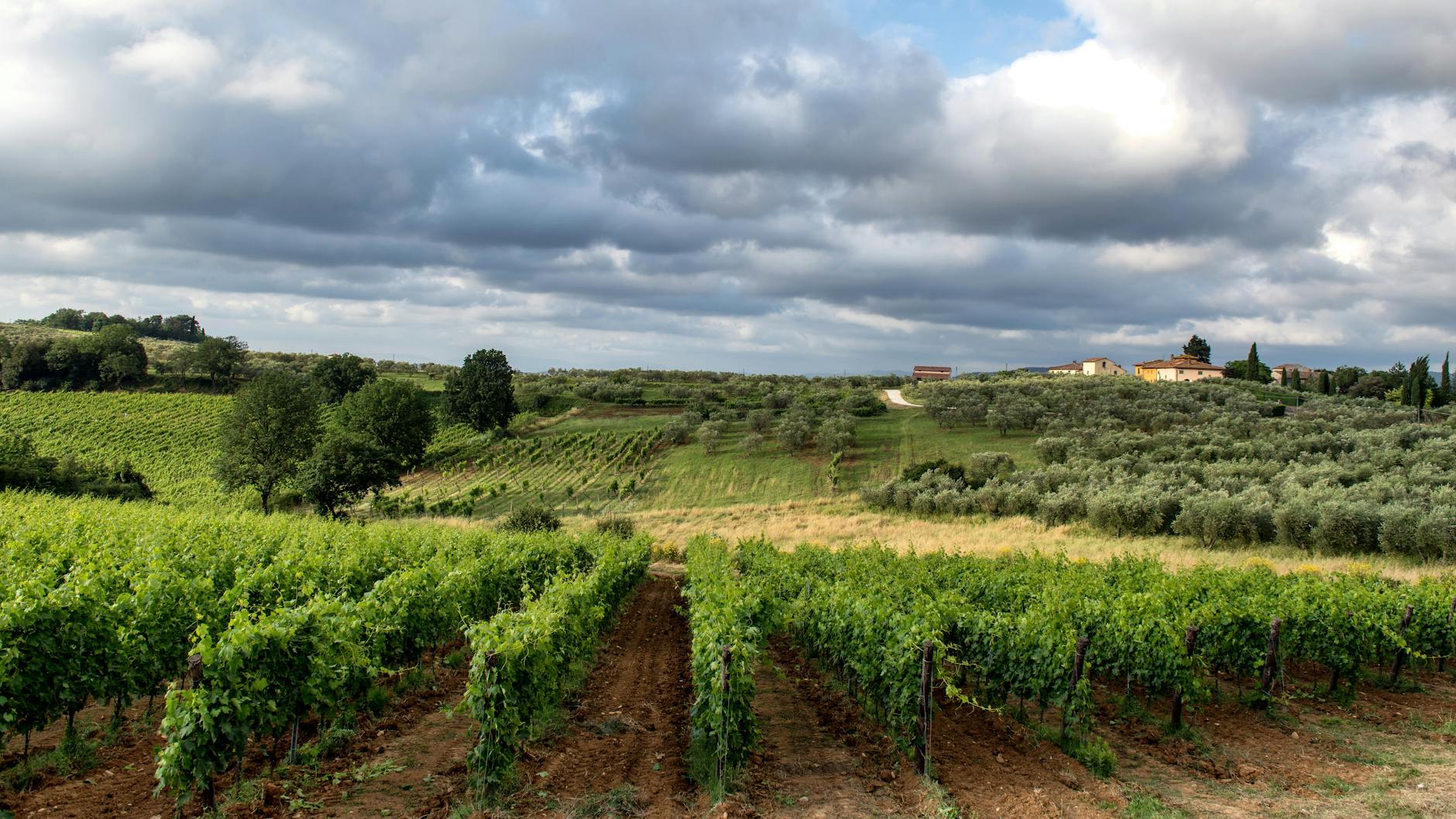 Sicily spent decades producing bulk wine for blending into mainland Italian reds. Over the past 20 years, producers have been making estate-bottled wines under the Sicilia DOC appellation, and the results are compelling.
Sicily's climate (hot, dry, volcanic soil from Etna) produces wines with natural concentration and character. Syrah in Sicily produces something darker and spicier than it does in the Rhône — black pepper, violet, dark berry, with firm structure that improves with food.
How to Read an Italian Wine Label
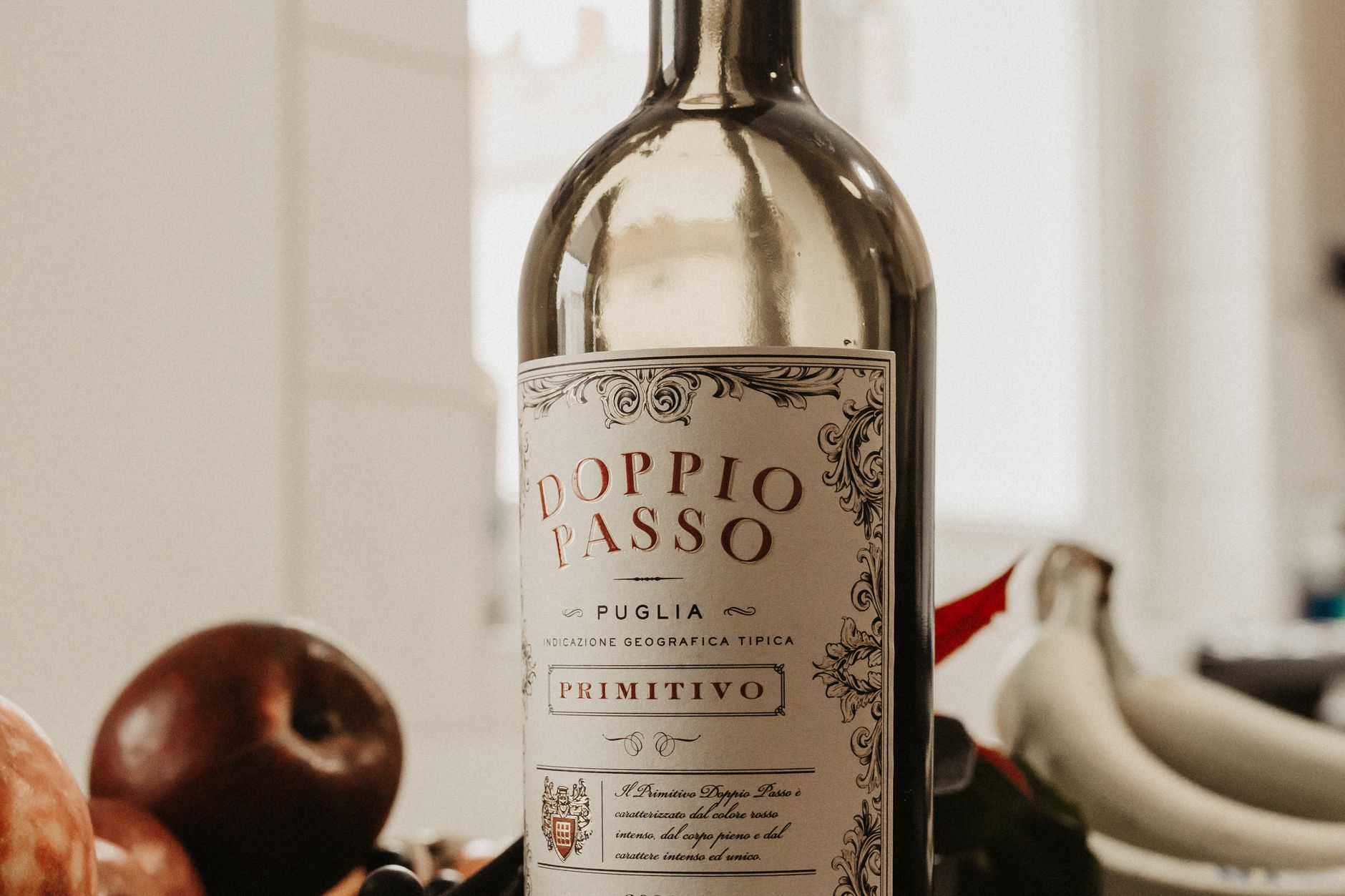 Italian labels can pile up information that's easy to misread. Here's a quick decoder:
- Producer name: Usually prominent — the Famiglia, Cantina, or Podere
- Wine name or grape: Sometimes the appellation (Chianti), sometimes the grape (Montepulciano), sometimes a proprietary name (Monte Antico)
- Appellation: DOC or DOCG designation in smaller text
- Annata (vintage year): The harvest year — matters more in cool years, less in hot Sicilian vintages
- Riserva: The wine has been aged longer than standard (specific requirements by appellation)
- Classico: The wine comes from the historical, core subzone of the appellation
Italian Wine with Bangkok Food

Italian and Thai cuisines share high acidity, bold aromatics, and the central role of fresh produce. The parallels make Italian wine surprisingly compatible with Thai food:
- Chianti with larb: The Sangiovese acidity mirrors the lime in larb; tannins handle the meat
- Valpolicella with grilled chicken: Light enough not to overpower, with just enough grip
- Montepulciano with slow-braised pork: The grape's dark fruit and tannin matches rendered fat
- Sicilian Syrah with spiced lamb or beef: Weight meets weight
Keep reading: Best Rosé Wine in Bangkok Under ฿2,000 · What Wine to Bring to a Bangkok Dinner Party · all Wine stories.
FAQ
What is the difference between Chianti and Chianti Classico?
Chianti covers a broad area of Tuscany with looser production rules. Chianti Classico is a smaller, historically delimited zone between Florence and Siena with stricter regulations — minimum 80% Sangiovese, longer ageing requirements, and a mandatory tasting approval. Chianti Classico wines display a black rooster (Gallo Nero) seal on the neck. Both are DOCG, but Classico is generally held to a higher standard.
What does "Riserva" mean on an Italian wine label?
Riserva indicates that the wine has been aged longer than the standard release — the exact time varies by appellation. For Chianti DOCG, a Riserva must be aged at least 24 months (versus 12 for standard). Riserva wines are typically fuller-bodied and more structured, built for longer cellaring. They're not always the best choice for immediate drinking — they often benefit from decanting.
What is a Super Tuscan wine?
Super Tuscan is an informal term for Tuscan wines that fall outside the official DOC/DOCG classification rules — typically because they include non-traditional grapes like Cabernet Sauvignon, Merlot, or Syrah, which traditional Chianti regulations don't permit. They're classified as IGT Toscana. The category includes some of Italy's most expensive and prestigious bottles (Sassicaia, Ornellaia) as well as approachable value wines like Monte Antico.
Why does Italian wine taste more acidic than New World wine?
Italian wine grapes evolved in a Mediterranean climate where high acidity is natural, and winemakers have historically preserved that acidity rather than correcting it. High acidity makes wine taste leaner and more refreshing — and it's the quality that makes Italian wine so food-friendly. Most New World winemaking (Australia, California, Chile) targets riper fruit profiles with lower acidity, which reads as "softer" and more immediately approachable when tasted alone but can feel flabby alongside food.
Which Italian red is best for someone who usually drinks Cabernet Sauvignon?
Start with a Montepulciano d'Abruzzo — it shares Cabernet's dark fruit and firm tannin structure, but with more earthiness and a slightly bitter finish that's characteristically Italian. If you want to move toward Tuscany, try a Chianti before committing to a Riserva or Brunello; the Sangiovese character (higher acidity, dried fruit, leather) is distinctive enough to be a different experience while remaining firmly in the red-wine comfort zone.