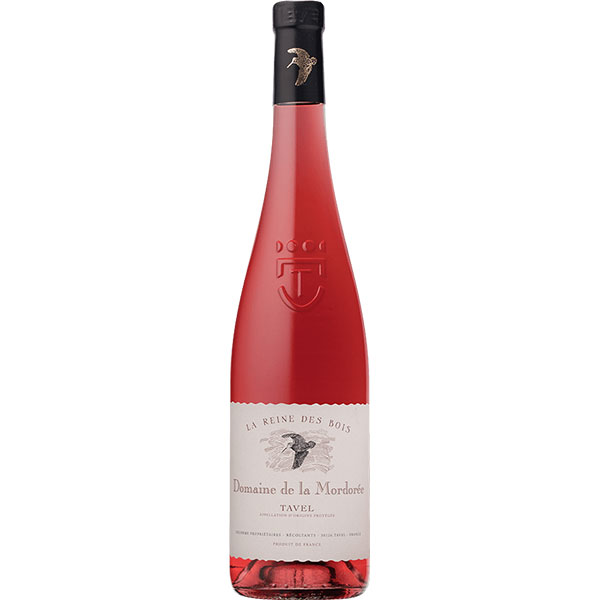
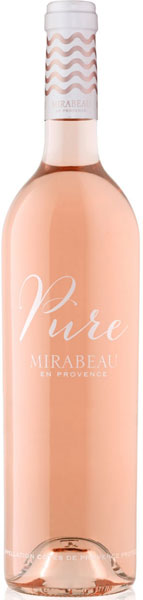
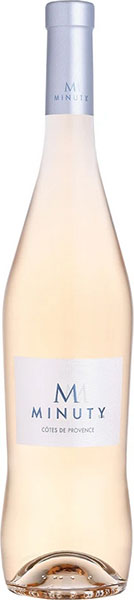
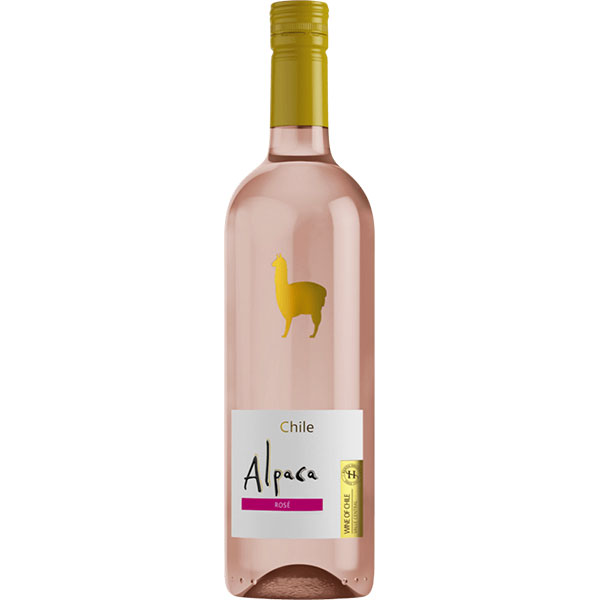
Rosé gets misunderstood in Bangkok more than any other wine category. People either dismiss it as "party wine" or confuse it with sweet pink Moscato. The dry rosés on this list are neither — they're serious, food-friendly wines that happen to be pink. Here's what's worth opening right now, all under ฿2,000.
What Makes a Good Rosé?
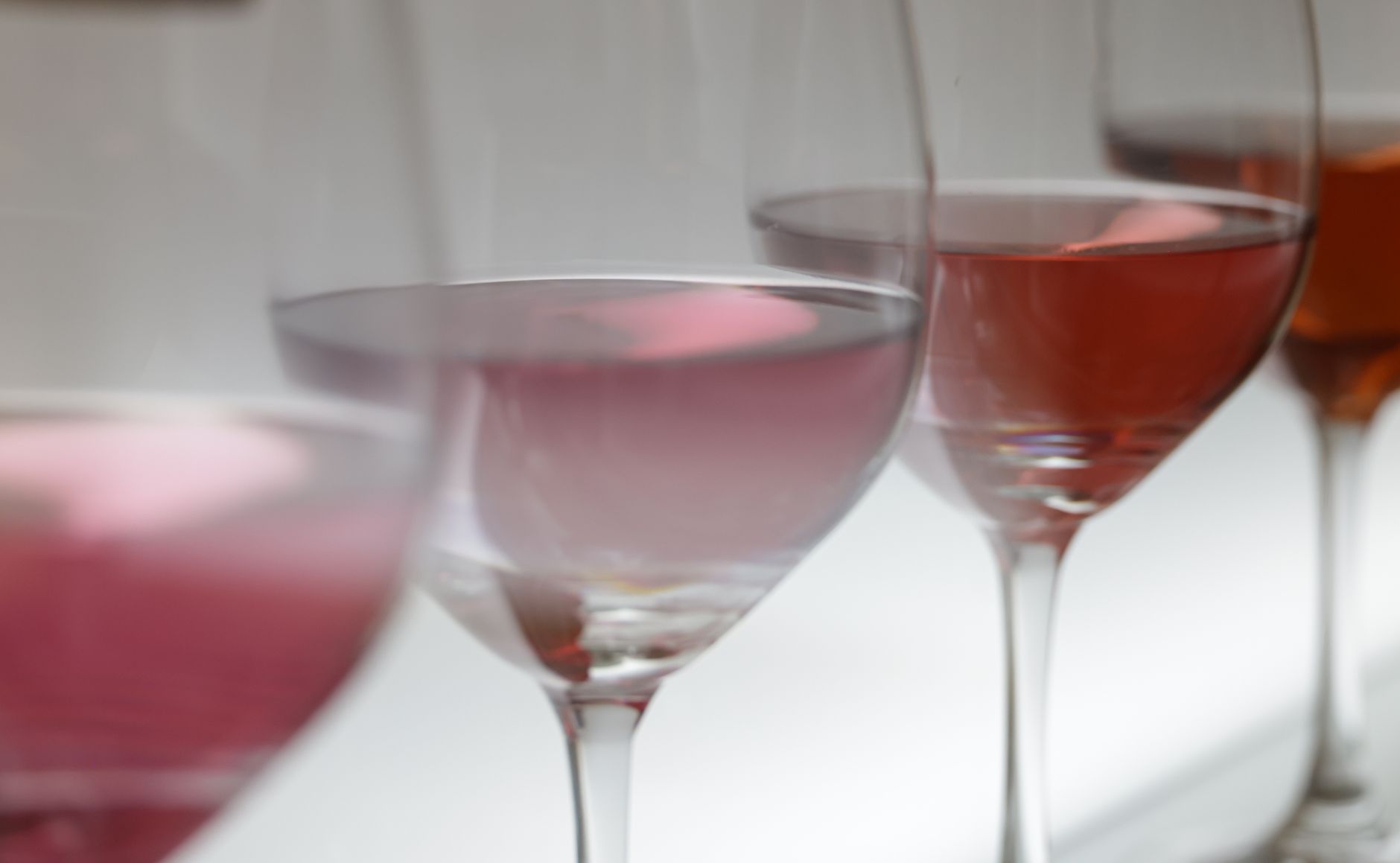
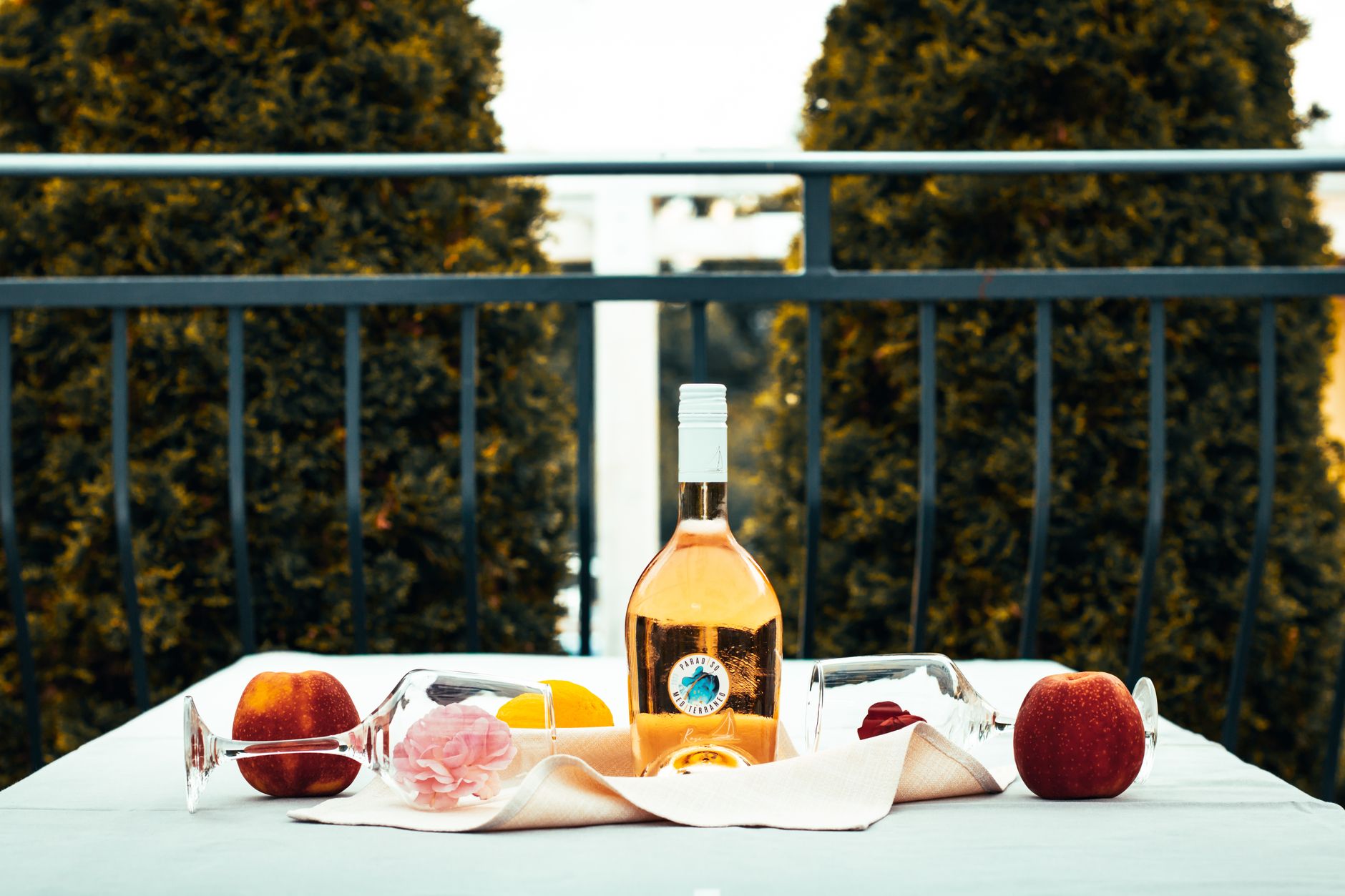 The key word is dry. Good rosé has no residual sweetness — it's crisp, fresh, and pale in colour. The palest pinks (often from Provence in southern France) are almost translucent, like rose petals diluted in water. The fruit flavours lean toward strawberry, watermelon, citrus peel, and dried herbs — never jam, never candy.
Colour is not a quality indicator on its own, but in practice the paler the wine, the more likely it's been made with care. Deeply coloured "blush" rosés are often sweeter and less interesting.
Provence Style vs. Other Rosés
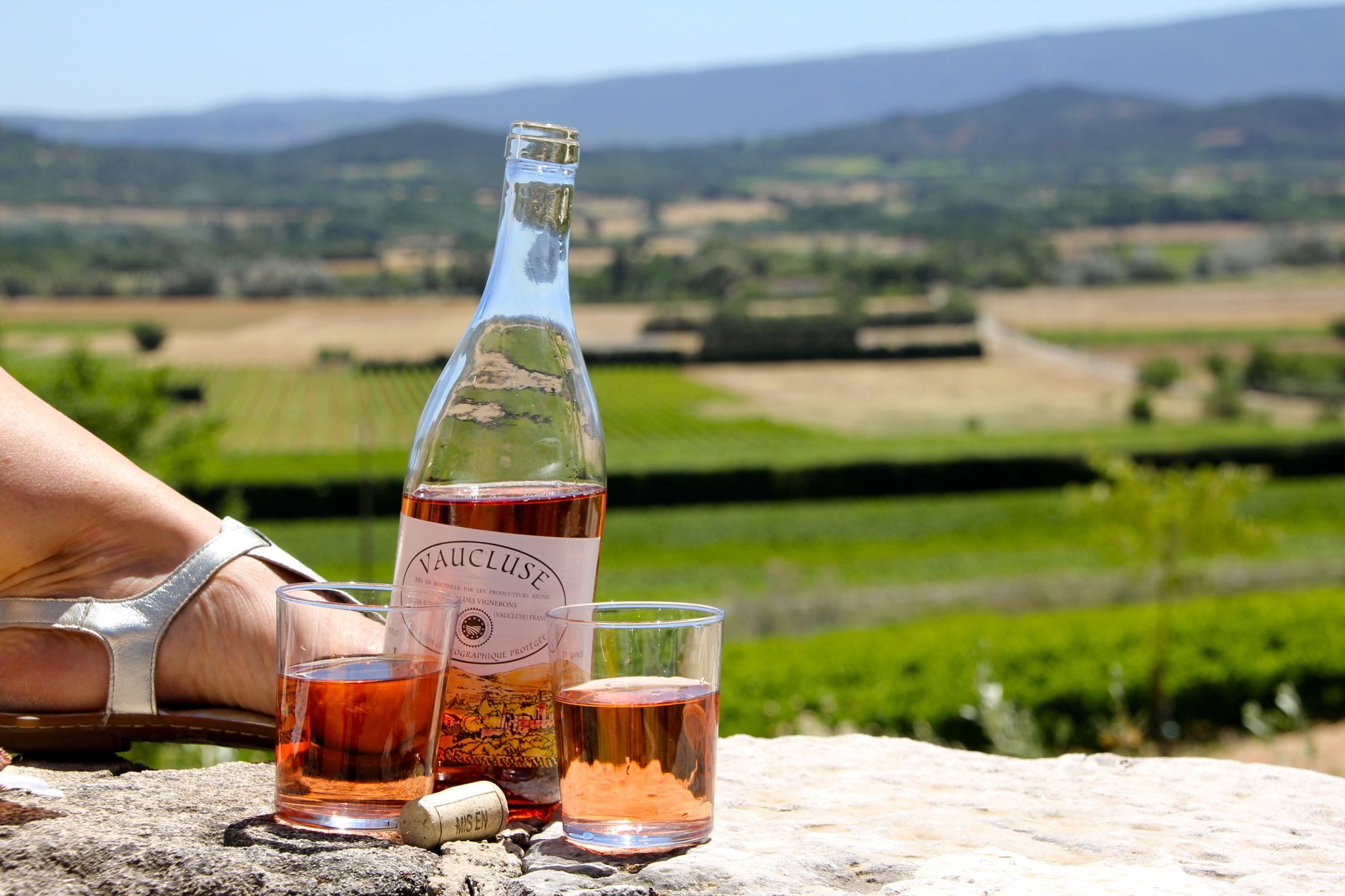
Provence is the benchmark. The region produces nearly half of all French rosé, and its style — pale, bone dry, subtly herbal — is what most serious rosé drinkers mean when they say they want a good pink. The Languedoc-Roussillon region, just west of Provence, produces wines in a very similar style at significantly lower prices.
Outside France, Chile has emerged as a strong value rosé source. Wines from cooler Chilean appellations hit the dry, fruit-forward character at a fraction of the French price.
The Bottles: Ranked by Price
Under ฿600 — The Everyday Pour
Aromo Rosé Syrah (฿600) and Viu Manent Reserva Rosé Malbec (฿700) are the Chilean value picks. Both are dry, both are reliably made, and both work brilliantly poured over ice on a Bangkok afternoon — which, let's be honest, is a legitimate delivery method in this climate.
Domaine Fontval Rosé Méditerranée IGP (฿560) is the French option at this tier: light, herbal, and unmistakably southern French in character. At ฿560, it's the best value rosé in the catalogue.
฿600–700 — The Step Up
Domaine L'Ostal Cazes Rosé (฿679) is biodynamic — the vineyard follows lunar cycles and eschews synthetic inputs. Whether you believe in biodynamics or not, the wine itself is excellent: pure red fruit, fine texture, and a long mineral finish. This is the rosé to open when you want to impress without spending ฿1,500.
Georges Duboeuf Syrah Rosé (฿699) is southern French Syrah in pink form — berry depth with floral freshness. A versatile food wine from one of France's best-known négociants.
฿700–900 — Familiar Names, Reliable Quality
Mouton Cadet Bordeaux Rosé (฿785) carries the Baron Philippe de Rothschild name — one of the most recognised in wine. The Bordeaux AOC appellation and the Rothschild pedigree make this an easy, credible gift.
The Pale by Sacha Lichine (฿900) comes from Château d'Esclans — the house that turned Provence rosé into a global category. Retro label, serious 98-point juice: dry, citrusy, and dangerously easy in this climate.
Rosé Comparison: What to Expect
| Wine | Region | Style | Best For |
|---|---|---|---|
| Domaine Fontval IGP | Languedoc | Pale, herbal, dry | Aperitif, seafood |
| L'Ostal Cazes | Languedoc | Mineral, red fruit | Dinner centrepiece |
| Georges Duboeuf | Languedoc | Floral, fresh | Light Thai dishes |
| Mouton Cadet Bordeaux | Bordeaux | Structured, reliable | Gift, dinner party |
| La Vieille Ferme | Rhône Valley | Dry, rounded | Grilled food, versatile |
| Aromo Syrah | Chile | Fruit-forward, clean | Everyday, ice optional |
| Viu Manent Reserva Rosé | Chile | Soft, accessible | Casual, pool-side |
What to Avoid: The Pink Moscato Problem
If a rosé is described as "sweet," "fruity," or comes in a frosted bottle with a screw cap and a cartoon label — it's not in this category. Sweet pink Moscato and White Zinfandel are technically pink wines, but they have nothing in common stylistically with dry rosé. They're fine for what they are, but if you're choosing a wine for Thai food or a dinner party, you want something dry.
Rosé with Food in Bangkok
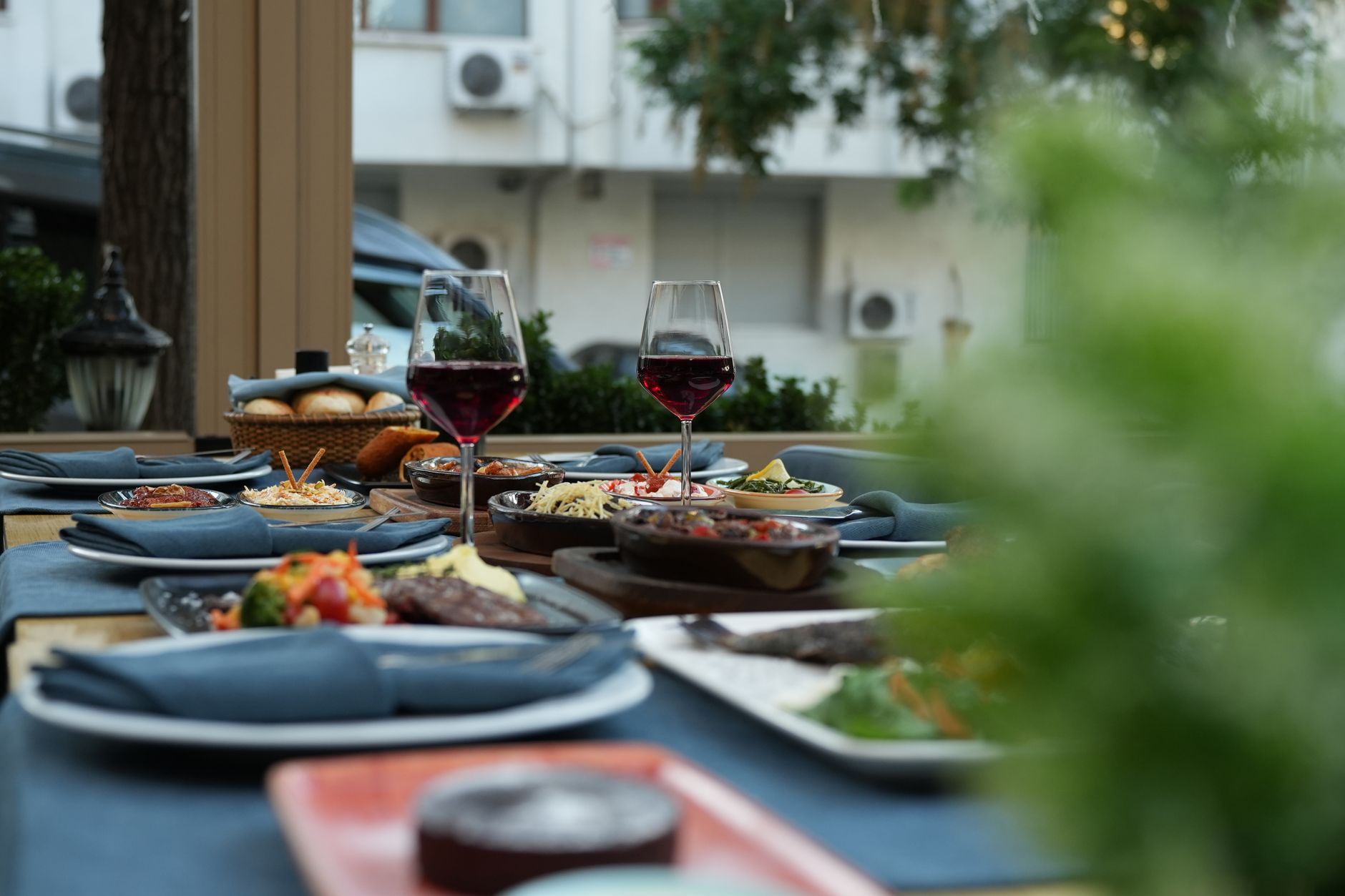 Dry rosé is arguably the most food-friendly wine category for Thai cuisine. The acidity cuts through coconut-based curries; the red fruit stands up to chilli heat; the lack of tannins means no bitter clash with fish sauce. Specific pairings:
- Larb or som tam: Laurent Miquel Cinsault Syrah — the freshness matches the lime and herb
- Grilled prawns or sea bass: Domaine Fontval or L'Ostal Cazes — coastal wine logic
- Khao man gai or chicken dishes: La Vieille Ferme — Rhône Grenache loves poultry
- Pure aperitif, no food: Any of the Chilean bottles over ice
Serve all rosé well-chilled — 8–10°C. In Bangkok's heat, the bottle will warm quickly; keeping it in an ice bucket isn't precious, it's practical.
Keep reading: Sassicaia · Burgundy Explained · all Wine stories.
FAQ
What is the difference between rosé and pink Moscato?
Dry rosé is made from red wine grapes (Grenache, Cinsault, Syrah, Sangiovese) where the grape skins are briefly in contact with the juice before pressing, giving the wine its colour. It is fermented to dryness, with no residual sugar. Pink Moscato is a sweet, low-alcohol sparkling wine made from Muscat grapes with significant leftover sugar. They share a colour and little else.
Why is Provence rosé so pale?
Winemakers in Provence limit skin contact time to a matter of hours — sometimes less. Less time on the skins means less colour extraction and less tannin. The style is intentional and reflects the regional preference for a delicate, mineral wine rather than a fruity, deeply coloured one.
Can you pair rosé with spicy Thai food?
Yes — dry rosé is one of the best pairings for spicy Thai dishes. The residual fruit sweetness (even in a dry wine there are fruit flavours, just no sugar) soothes capsaicin heat, and the wine's acidity refreshes the palate between bites. Avoid oaked or very tannic reds with intense spice — they amplify the heat.
Should rosé be served cold?
Yes, and colder than most people serve it. The target is 8–10°C — straight from the fridge. In Bangkok's ambient temperature a bottle will warm significantly within 20–30 minutes of opening. Use an ice bucket or wine cooler. A warm rosé loses its freshness and becomes flat and slightly flabby.
What does "IGP" mean on a French rosé label?
IGP stands for Indication Géographique Protégée — the French equivalent of a regional quality designation. It's one tier below AOC (Appellation d'Origine Contrôlée) and allows slightly more flexibility in grape varieties and production methods. Many of the most interesting-value southern French wines are IGP rather than AOC, particularly from Languedoc-Roussillon.