Bangkok is one of the best cities in Asia for Japanese food. From ฿150 sushi conveyor belts to omakase counters charging ฿5,000 per person, the city runs on Japanese cuisine. And whisky — Japanese or Scotch — is a natural partner for almost every style of it.
The pairing logic is straightforward once you understand it. Here's the breakdown.
Why Whisky Works With Japanese Food

Japanese cuisine shares two defining characteristics with good whisky: precision and umami.
The savory depth in dashi, soy sauce, miso, and grilled meat (yakitori) mirrors the malt, cereal, and sometimes smoky depth in whisky. Unlike wine, whisky has no tannins — so there's no clash with the delicate proteins in fish. And the alcohol acts as a palate cleanser between bites.
The challenge: whisky is high-alcohol. The solution is Highball — whisky diluted with chilled soda water, poured 1:3 or 1:4 over ice. Japanese whisky culture invented this format for food pairing, and it works.
The Highball: How to Make It
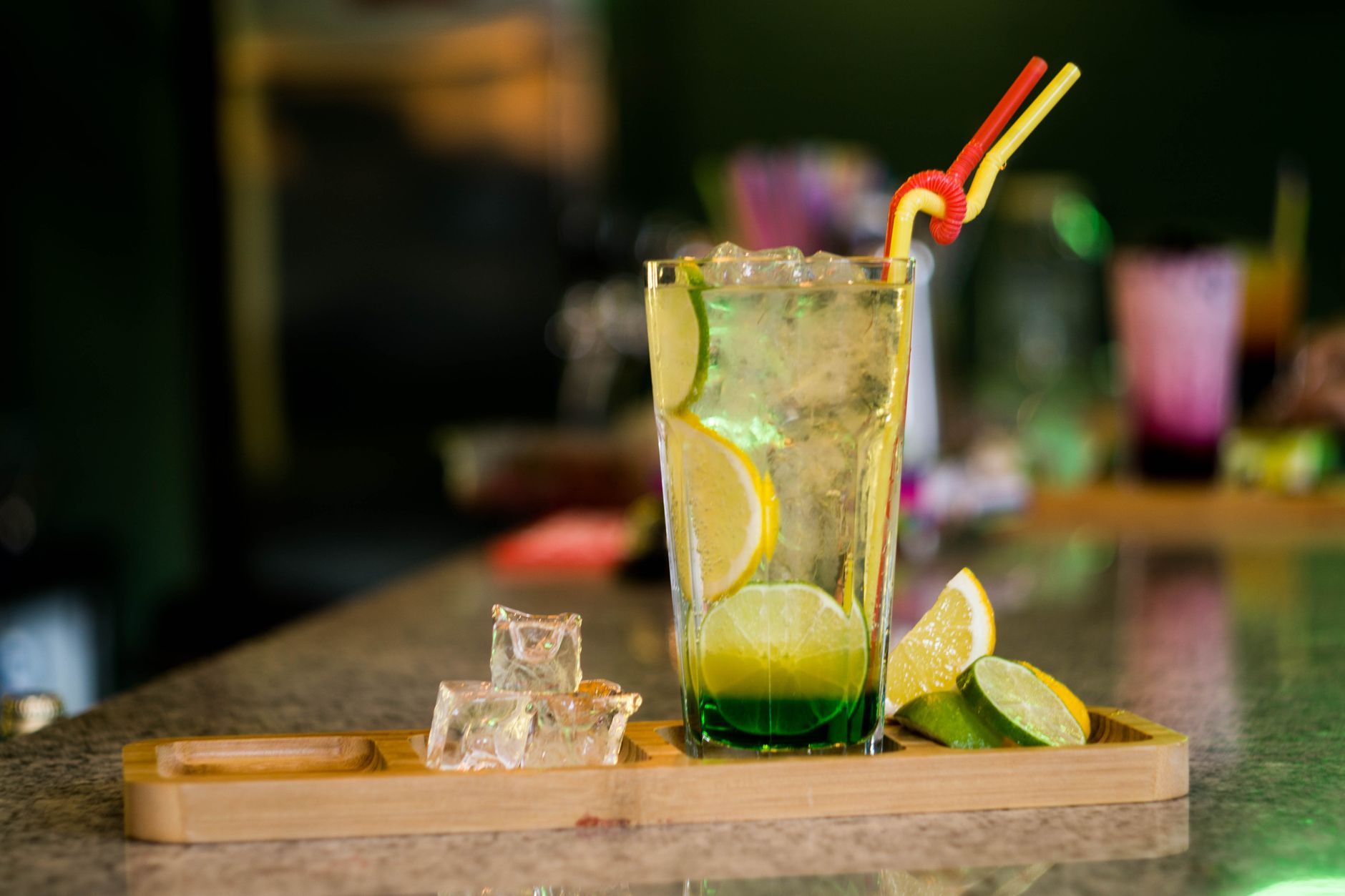
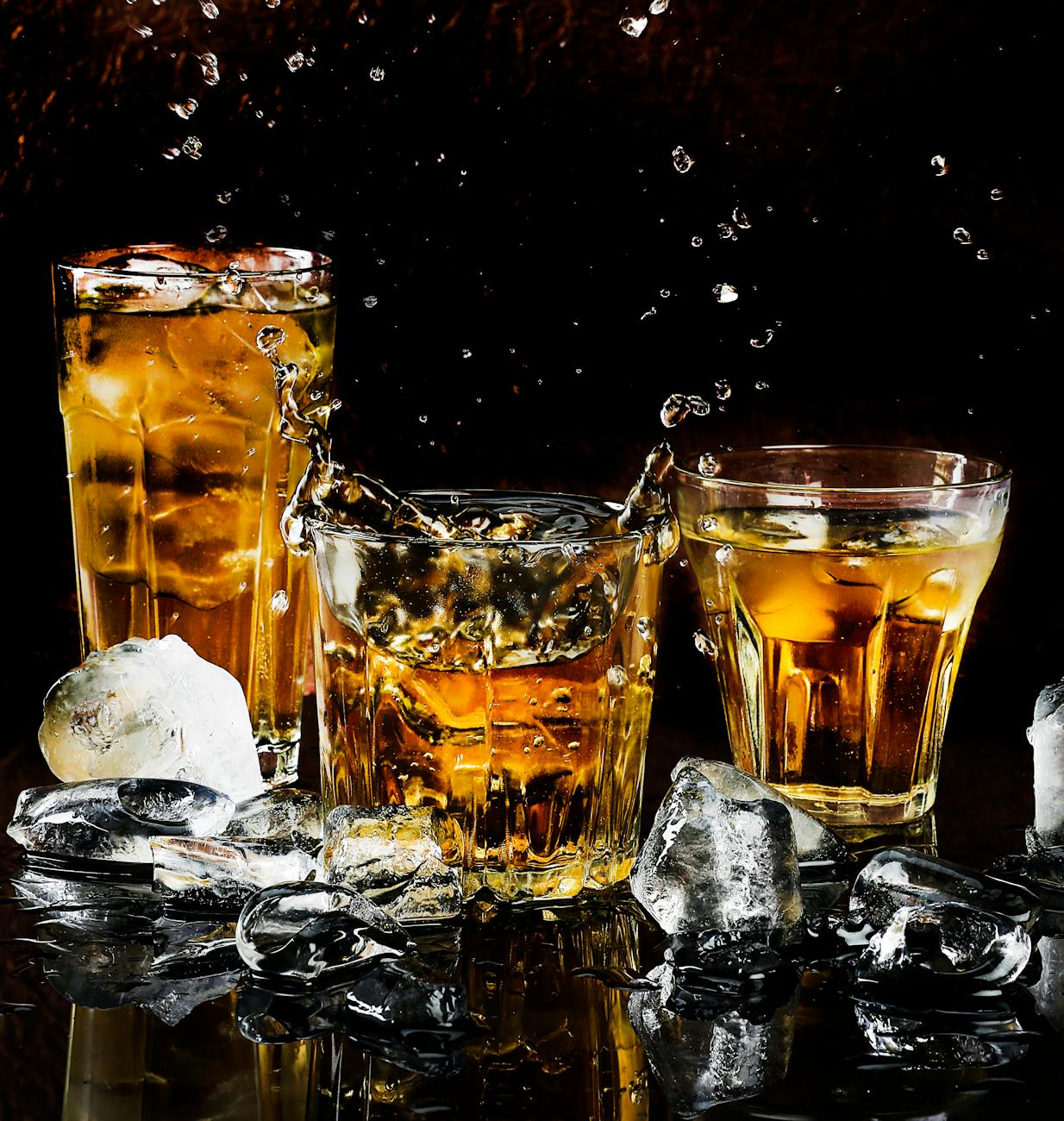
The Japanese Highball (Whisky Highball / ウィスキーハイボール) is not a cocktail — it's how whisky is drunk with food throughout Japan.
Method:
- Fill a tall glass to the brim with large ice cubes
- Pour 45ml whisky
- Pour 150–180ml ice-cold soda water down the side of the glass (not through the ice)
- Stir once, gently
- Do not garnish (a lemon twist is acceptable; lemon juice ruins it)
The result: crisp, refreshing, low enough ABV to drink through a full meal, with the whisky character still present. The ice-cold soda amplifies aroma and cuts through food fat perfectly.
Pairings by Japanese Food Style

Sushi and Sashimi
Delicate food needs a light whisky. The pairing rule: the more delicate the fish, the lighter the whisky.
Lightest fish (flounder, sea bream, hamachi): Highball made with Suntory Toki — the palest, most delicate Japanese blend. You want whisky presence without overpowering.
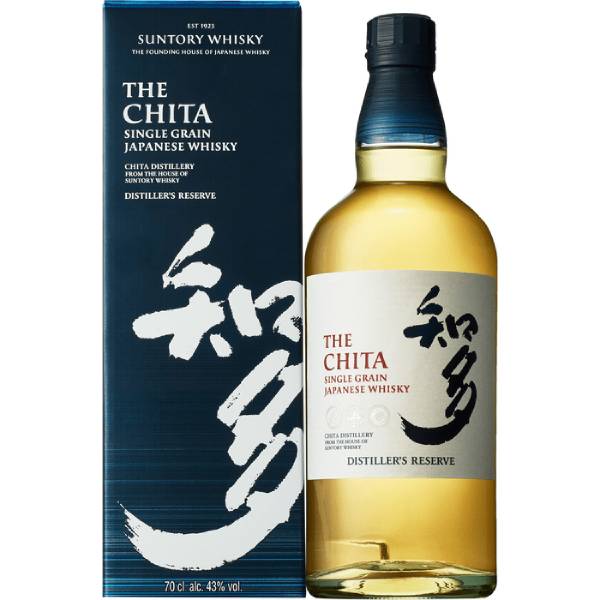
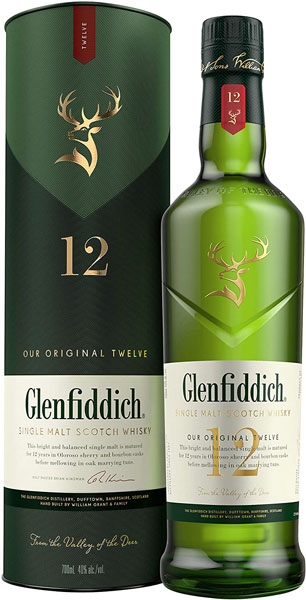
Richer fish (salmon, tuna, mackerel): Suntory Chita (grain whisky) or a light Speyside like Glenfiddich 12. The slightly sweeter, more honeyed character complements the fattier flesh.
Fatty/marbled fish (otoro, salmon belly): Nikka Days or a medium-bodied Scotch blend. The richer fish can stand up to more whisky character.
Suntory Toki (฿1,359, Japan). The correct format for a Japanese food Highball. Designed specifically for the style — light, honeyed, green apple and mild vanilla. Disappears beautifully into soda water.
Suntory Chita (฿1,799, Japan). A single grain whisky from Suntory's Chita distillery — lighter and sweeter than a blended malt. The Highball format with Chita is one of the most food-friendly drinks you can pour.
Yakitori and Grilled Skewers
 Yakitori's smoke and char needs a whisky with some personality — Scotch blended malt or light peated single malt.
Yakitori changes the game. The smoke, char, and fat from the grill calls for more whisky character — this is where Scotch works.
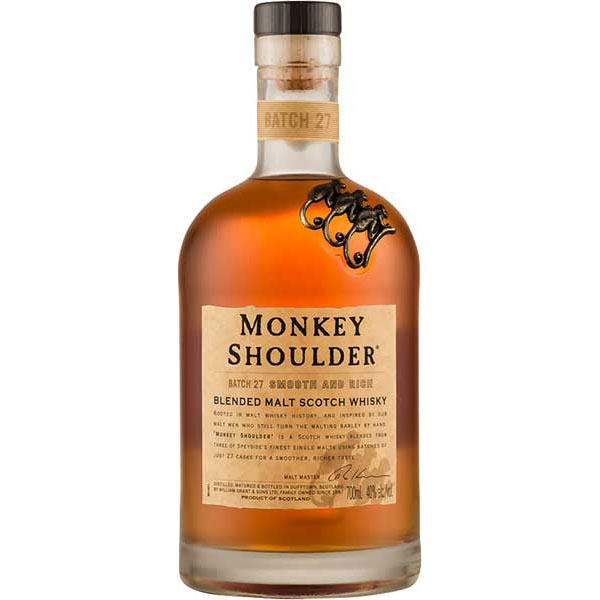
Chicken yakitori (tare glaze, sweet soy): Blended Scotch malt — Monkey Shoulder or similar. The honeyed, slightly smoky character pairs with the caramelised glaze.
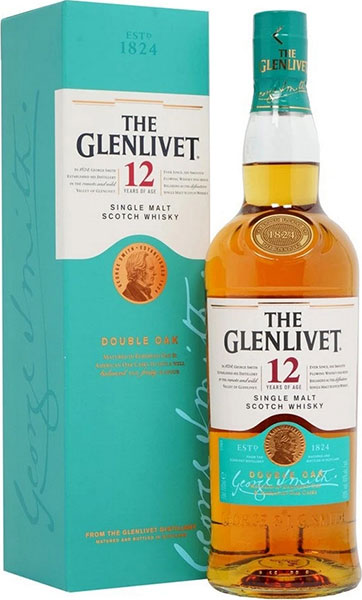
Tsukune (chicken meatball, bold seasoning): Scotch with more body. A Speyside single malt like Glenfiddich 12 or The Glenlivet 12. The structure holds up to bold flavour.
Negima (chicken and leek): Any accessible Scotch blend. The herbaceous quality of the leek echoes some Scotch character.
Monkey Shoulder Blended Malt (฿1,569, Scotland). Three Speyside malts blended to a rich, honeyed, slightly spiced character. The perfect crossover whisky for yakitori — enough body for the smoke, sweet enough to not clash with the tare.
Glenfiddich 12 Year (฿2,399, Scotland — Speyside). The world's best-selling single malt for a reason. Pear, light oak, clean Speyside character. Goes with almost anything Japanese at a Bangkok table.
The Glenlivet 12 Year (฿2,399, Scotland — Speyside). Florally elegant Speyside. Lighter than Glenfiddich, slightly more aromatic. Works best with lighter yakitori and delicate grilled vegetables.
Ramen
Ramen is the edge case. The broth defines the pairing:
Shio ramen (clear, salt-based): Light Japanese Highball — Toki or Kakubin. The delicacy of the broth is the point; heavy whisky dominates.
Shoyu ramen (soy-based): Medium-bodied Scotch blend or light single malt. The soy umami can handle some malt character.
Tonkotsu ramen (pork bone, rich and fatty): This is where whisky makes most sense — the fat and richness needs the cut of alcohol. A robust Japanese blended whisky or an entry Scotch single malt.
Suntory Kakubin (฿899, Japan). The Japanese restaurant standard — the bottle you'll see on every izakaya table in Thailand. Yellow label, blended, grain-forward. The Highball format with Kakubin at ฿899/bottle is one of the best-value food drinks in Bangkok.
Togouchi Whisky (฿1,500, Japan). Made in a railway tunnel in Hiroshima (the humidity and cool temperature replicate cellar conditions). Smooth, lightly fruity, remarkably easy-drinking. Good Highball whisky with deeper flavour than Kakubin at a reasonable step-up price.
Tempura and Fried Food
Fried food loves acidity — which is why Champagne is the classic match. But whisky Highball works equally well: the carbonation cuts through the oil, the alcohol refreshes the palate, and the whisky character doesn't clash with the dipping sauce.
Kyoto Whisky Aka-Obi (฿1,299, Japan). A Kyoto-made blended whisky with elegant, light character. More aromatic than most blends — floral and clean. The Highball version is outstanding with tempura.
Kurayoshi SAN-IN Blended Whisky (฿1,300, Japan). From Tottori Prefecture (Japan's major whisky-production region). Clean, honeyed, surprisingly complex for a blend. Good everyday Japanese food whisky.
Peated Scotch and Izakaya
Heavily peated Scotch (Islay: Laphroaig, Ardbeg, Bowmore) is the minority opinion at a Japanese table — most Japanese food is too delicate for it. But grilled fatty pork (kakuni), aged cheese skewers, or robust tsukune with teriyaki can handle it. Don't default to peat; use it deliberately.
Laphroaig Select Cask (฿2,699, Scotland — Islay). The most food-approachable Laphroaig — peated, but softer than the 10 Year. Works with grilled pork, beef yakitori, or any Japanese dish with serious char on it.
Japanese Whisky vs Scotch: Which to Choose
| Japanese Whisky | Scotch | |
|---|---|---|
| Highball suitability | Excellent — designed for it | Good — works well diluted |
| Entry price Bangkok | From ฿789 (Tenjaku) | From ฿600 (Clansman) |
| Style | Light, clean, precise, often honeyed | Wider range — from light Speyside to smoky Islay |
| Best with | Sushi, sashimi, delicate Japanese | Yakitori (char), grilled meat, robustly flavoured dishes |
| Best bottles under ฿2,000 | Toki (฿1,359), Kakubin (฿899), Chita (฿1,799) | Monkey Shoulder (฿1,569), Tamnavulin (฿1,299) |
Keep reading: Burgundy Explained · How to Store Wine in Bangkok Heat · all Whisky stories.
FAQ
What whisky goes with sushi in Bangkok?
Light Japanese blended whisky in Highball format — Suntory Toki (฿1,359) or Suntory Kakubin (฿899) diluted 1:3 with ice-cold soda water. The carbonation cleanses the palate between pieces; the light whisky character doesn't overpower delicate fish.
Is Japanese whisky better than Scotch with Japanese food?
For most Japanese dishes, yes — Japanese whisky is deliberately designed for the Highball format, which is how it's drunk in Japan with food. Scotch works well too, especially at yakitori counters and with grilled meat. The question is style, not quality: light and clean vs structured and complex.
What is a Whisky Highball?
A Highball is whisky poured over ice and topped with chilled soda water, typically 1:3 or 1:4 ratio. Ice-cold soda water is key — warm or flat soda ruins the texture. In Japan, it's the dominant way to drink whisky with food and is responsible for the commercial boom in Japanese whisky culture since the 2000s.
Can you get Japanese whisky delivered in Bangkok?
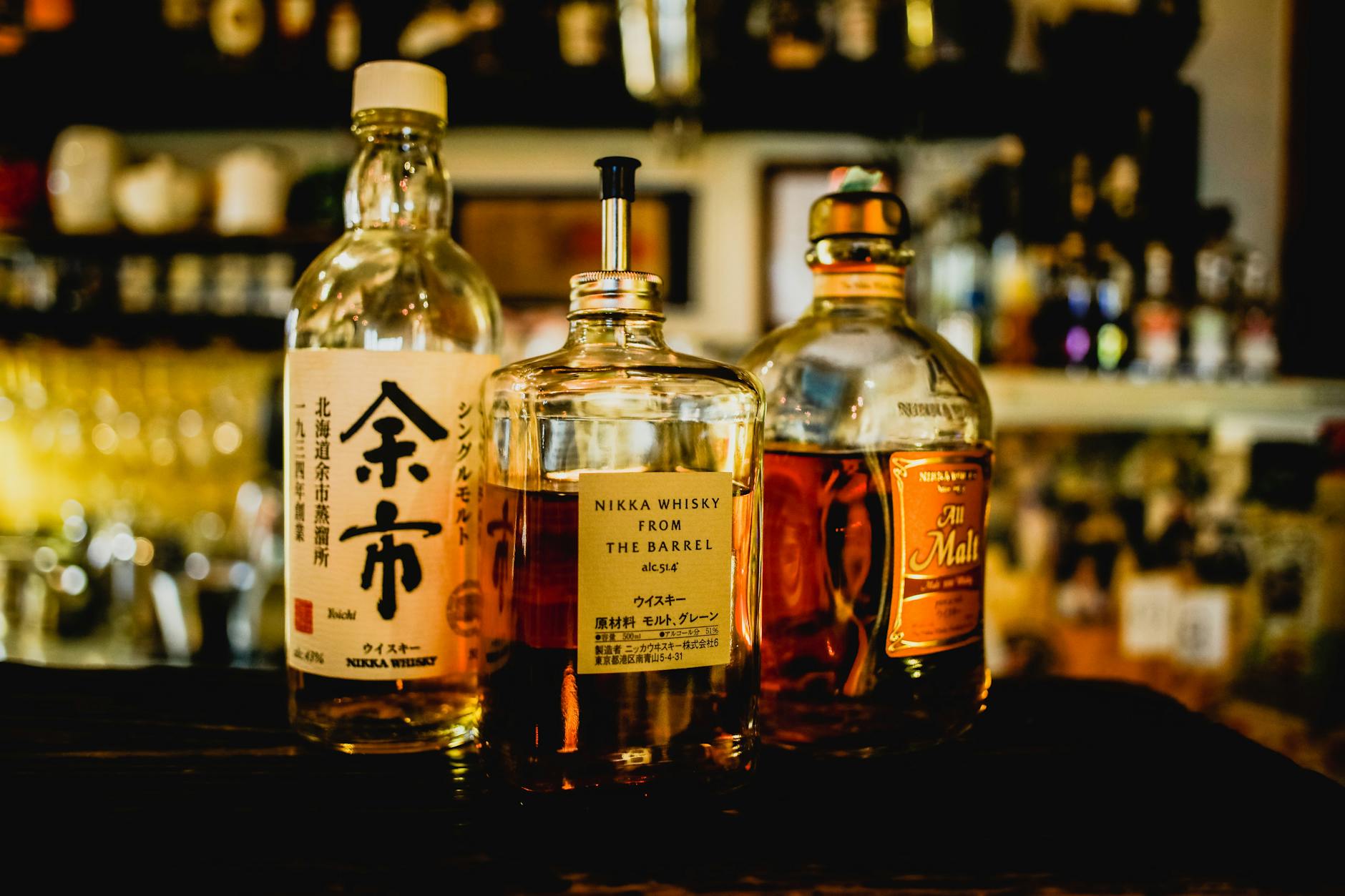
Yes — WNLQ9 carries in-stock Japanese whisky from Suntory, Nikka, Kurayoshi, Kyoto Whisky, and Togouchi, from ฿789 to ฿5,000+. Same-day delivery in central Bangkok for orders before noon.
What is the best Japanese whisky under ฿2,000 in Bangkok?
Suntory Toki (฿1,359) for sushi and sashimi. Suntory Chita (฿1,799) for grain character and food versatility. Togouchi (฿1,500) if you want something more distinctive. Kakubin (฿899) for the Highball everyday.