Japanese whisky is the category that changed what most people think whisky can be. In the 1990s, it was a curiosity. By 2010, Nikka Taketsuru and Yamazaki 12 were winning global competitions. By 2020, bottles that cost ฿3,000 were reselling for ten times that.
The allocations have tightened. But good Japanese whisky — serious, interesting, worth buying — is available in Bangkok right now. Here's what to get.
A Quick Map of the Category
Japanese whisky draws from Scottish tradition (pot still malt whisky, blending philosophy) but adds distinctly Japanese qualities: exceptional precision in distillation, use of Japanese oak (Mizunara), and an emphasis on balance over power.
The category divides into:
- Blended whisky — a mix of malt and grain whiskies. Most accessible and food-friendly. Best in Highball format.
- Pure Malt / Blended Malt — malt whiskies blended without grain. More body and complexity than blended.
- Single Malt — from one distillery. The most expressive; most is allocated/expensive.
Everyday Japanese Whisky: Blends Under ฿2,000

These are the bottles that made Japanese whisky famous at the bar and dinner table. Designed for the Highball format.
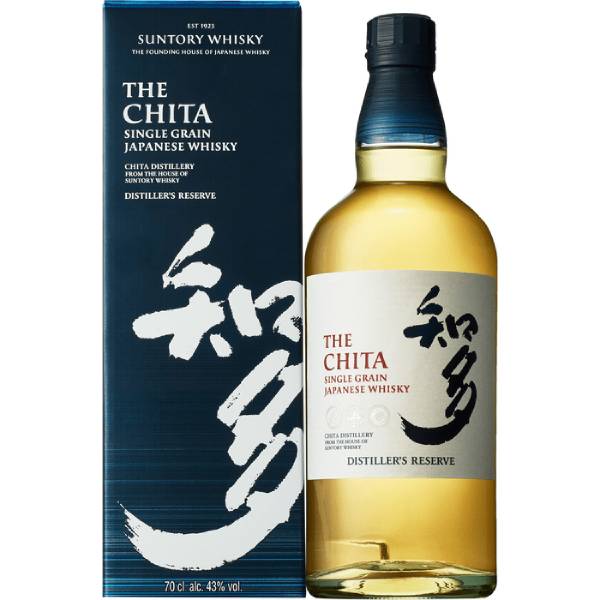
Suntory Whisky Kakubin (฿899, Japan). The yellow label. Japan's best-selling whisky. Made by Suntory at their Yamazaki and Chita distilleries — clean, honeyed grain character, very light malt. The Highball standard across Tokyo izakayas. At ฿899/bottle, you'll make 15+ Highballs.
Tenjaku Whisky (฿789, Japan). Produced by Hombo Shuzo (the same company behind Mars Whisky). Lighter and more neutral than Kakubin — good entry point for the category and the most affordable Japanese blended whisky in stock.
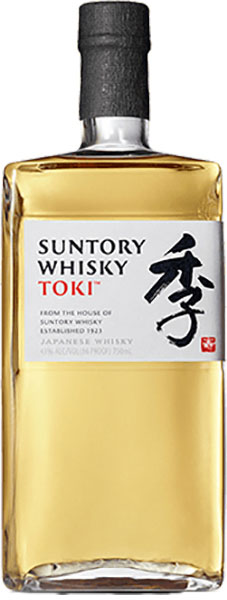
Suntory Toki (฿1,359, Japan). Suntory's answer to growing Highball culture globally. Slightly lighter and more aromatic than Kakubin — green apple, white peach, mild vanilla. The correct Highball whisky if you're pairing with Japanese food. Designed for the format.
Kyoto Whisky Aka-Obi (฿1,299, Japan). Made by Kinoshita Sake Brewery — Kyoto-based, part of a craft movement bringing regional Japanese identity to whisky. Floral, gentle, and distinctive. The bottle for someone who wants to step away from Suntory's dominant house style.
Togouchi Whisky (฿1,500, Japan). Aged in a railway tunnel in Hiroshima, where constant cool temperature and humidity replicate cellar conditions. Smooth, slightly fruity, more complexity than a basic blend. The most interesting bottle in this price tier.
Kyoto Whisky Kuro-Obi (฿1,799, Japan). The premium tier from Kinoshita. More structure and depth than Aka-Obi — richer malt character, longer finish. The Kyoto house style is light and elegant, and Kuro-Obi shows it at its fullest.
A Step Up: Pure Malt and Blended Malt (฿2,000–4,000)
Pure malt whisky blends single malts from multiple distilleries. More complexity and body than standard blends, without the rarity premiums of true single malt.
 Pure malt whisky is Japan's most underrated tier — the quality gap between it and single malt is small; the price gap is large.
Kurayoshi Pure Malt (฿3,000, Japan — Tottori). Matsui Brewery's flagship expression. A blend of malts aged in American and Spanish oak — vanilla, dried fruit, and a spiced finish. Tottori Prefecture (San'in coast) is home to one of Japan's most productive craft whisky regions. This is the correct introduction to the Kurayoshi range.
Masahiro Pure Malt (฿2,500, Japan — Okinawa). From Okinawa's Masahiro distillery — the southernmost whisky producer in Japan. The subtropical climate accelerates aging, producing unusual maturity for the age. Rich, tropical fruit notes alongside the expected malt character. A genuinely distinctive regional expression.
Nikka Days (฿2,479, Japan). Nikka's approachable blended malt — designed for Highball and everyday drinking. The Nikka house style is more malt-forward and grain-rich than Suntory; Days captures it in an accessible format. White fruit, light honey, easy-drinking.
Single Malt and Premium (฿3,000+)

Kurayoshi Pure Malt Sherry Cask (฿3,400, Japan — Tottori). Sherry cask maturation adds dried fruit (raisin, fig, dark cherry), richness, and spice to the Kurayoshi base. The most complex bottle in the Matsui range available in Bangkok. Drink this neat or on a single large ice cube.
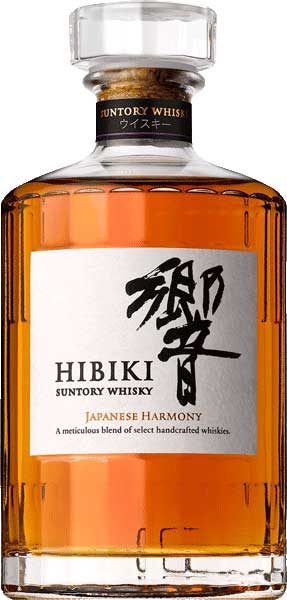
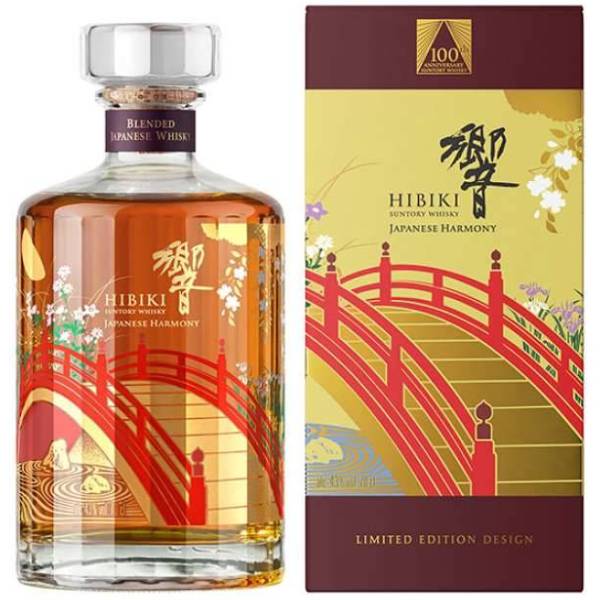
Suntory Hibiki Japanese Harmony (฿5,295, Japan). Hibiki is Suntory's prestige blend — malt whiskies from Yamazaki and Hakushu, grain from Chita, all blended for balance. The bell-shaped bottle is recognisable globally. "Harmony" is the entry Hibiki expression: light, floral, layered. The gift whisky for someone who takes Japanese whisky seriously.
Nikka Yoichi Single Malt (฿5,499, Japan — Hokkaido). The other pillar of Japanese whisky. Yoichi is Nikka's coastal Hokkaido distillery, still running coal-fired pot stills — the peaty, maritime counterweight to Suntory's elegance. If Hibiki is the gift, Yoichi is the one you keep.
The Matsui Pure Malt Peated (฿4,700, Japan — Tottori). A peated expression from Matsui — unusual for Japanese whisky, which rarely leans into smoke. The peat here is lighter than Islay Scotch but adds earthiness and complexity that the standard Kurayoshi range doesn't have. For the Scotch drinker curious about Japanese whisky.
The Allocated Problem (and What to Do About It)
The elephant in the room: the most famous Japanese whiskies — Yamazaki 12, Hakushu 12, Hibiki 21, Nikka From the Barrel — are either unavailable or priced at multiples of their retail in Bangkok.
What to do:
- Drink Toki and Kakubin in Highball format. These are designed for this and are great.
- Explore Kurayoshi / Matsui. Tottori craft distilleries produce serious whisky at accessible prices.
- Look at Kyoto Whisky. New craft production, regional identity, not yet over-priced.
- Consider Togouchi. Underpriced relative to quality. The tunnel-aging is a genuine differentiator.
The allocated bottles are real. But the bottles that remain accessible are genuinely good — not consolation prizes.
At a Glance: What to Buy
| Budget | Pick | Why |
|---|---|---|
| Under ฿900 | Tenjaku (฿789) | Entry-level Japanese blend, Highball format |
| ฿1,000–1,500 | Suntory Toki (฿1,359) | Food-pairing Highball, the format's benchmark |
| ฿1,500–2,000 | Togouchi (฿1,500) | Most distinctive flavour in this tier |
| ฿2,000–3,000 | Masahiro Pure Malt (฿2,500) | Regional character, subtropical maturation |
| ฿3,000–4,000 | Kurayoshi Pure Malt Sherry Cask (฿3,400) | Complex, special-occasion quality |
| ฿4,000+ | Hibiki Japanese Harmony (฿4,599) | The prestige gift bottle |
Keep reading: Best Whisky Pairings for Japanese Food in Bangkok · all Whisky stories.
FAQ
What is the best Japanese whisky to buy in Bangkok right now?
For everyday drinking and Highball, Suntory Toki (฿1,359). For a step up, Togouchi (฿1,500) or Masahiro Pure Malt (฿2,500). For a gift or special occasion, Hibiki Japanese Harmony (฿4,599).
Why is Japanese whisky so expensive in Bangkok?
Two reasons: import duties on spirits in Thailand are among the highest in Asia, and Japanese whisky is globally under-allocated (more demand than production). The category became internationally famous faster than distilleries could increase stock.
What is the difference between Japanese blended whisky and single malt?
Blended whisky combines malt (pot still) and grain (column still) whiskies from multiple distilleries. Single malt comes from one distillery and is made only from malted barley. Single malt shows more individual character; blended is more consistent and designed for Highball format.
Is Kurayoshi a real Japanese whisky?
Kurayoshi (Matsui Brewery, Tottori Prefecture) has faced criticism for sourcing some whisky from abroad while marketing it as "Japanese." The situation is complex and contested. The products are genuinely aged in Japan. If you want transparent Japanese whisky, Suntory (Yamazaki/Chita distilleries) and Nikka (Yoichi/Miyagikyo) are the most transparent about their production.
What is Suntory Hibiki Japanese Harmony?
Hibiki Harmony is Suntory's prestige blended whisky — a blend of malt from Yamazaki and Hakushu distilleries with grain from Chita, aged in multiple cask types including Mizunara (Japanese oak). The distinctive bell-shaped bottle is named after the Japanese concept of harmony. It's the correct gift bottle when the occasion calls for a recognisable premium Japanese whisky.