Sake is one of the most misunderstood drinks in Bangkok. Most people have had warm sake at a Japanese restaurant — poured hot to mask low quality — and concluded that sake is simple. It isn't. At its best, Junmai Daiginjo sake from serious brewers rivals the complexity of fine Burgundy. At its most approachable, a good Junmai Ginjo is one of the most food-friendly drinks made.
Thailand now has over 300 sake SKUs in stock across dozens of breweries. Here's how to navigate them.
How Sake Is Made (The Short Version)
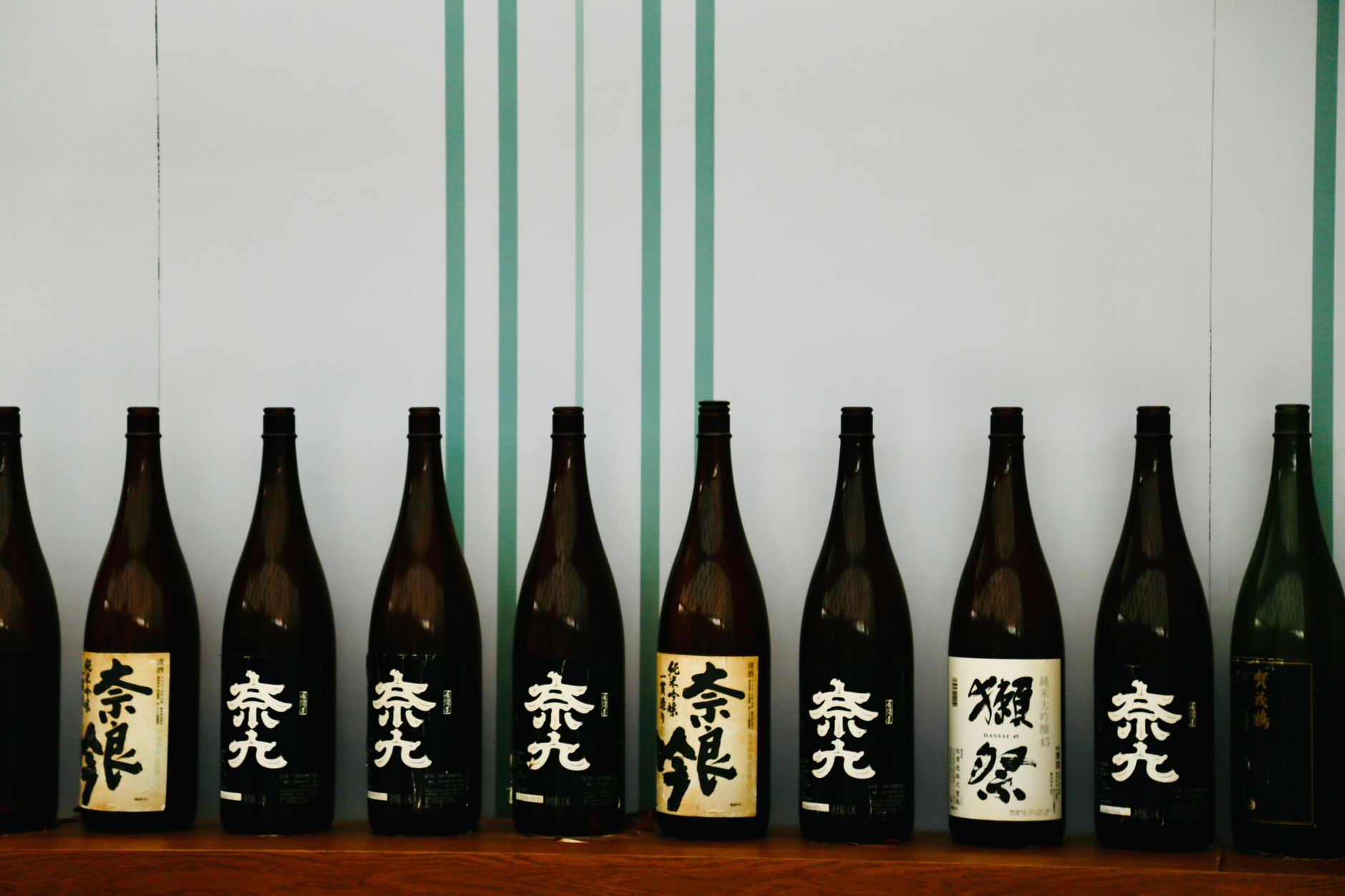
Sake is fermented from rice — specifically strains like Yamada Nishiki or Gohyakumangoku — using water, koji mould, and yeast. The defining variable is seimaibuai: the percentage of the rice grain remaining after milling. The more you mill (lower the number), the purer and more refined the sake.
This is the key to reading a sake label.
The Grade System: What the Labels Mean

Junmai (純米)
Pure rice sake — no distilled alcohol added. Made only from rice, water, koji, and yeast. Fuller-bodied, slightly richer, often more savory (umami). The food-friendliest style.
Polishing rate: no minimum (typically 70% or less remaining)
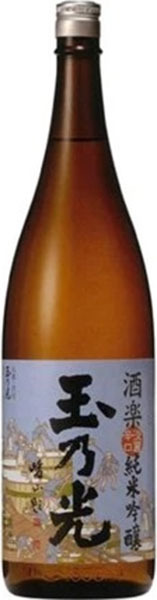
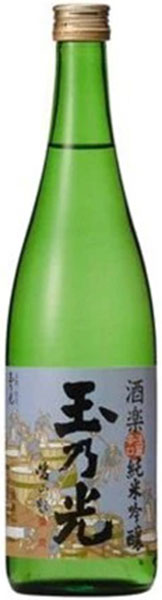
Tamanohikari Junmai Ginjo Shuraku (฿489, Kyoto). From Fushimi — one of Kyoto's famous sake brewing districts. A clean, elegant Junmai Ginjo at a genuinely accessible entry price. Light melon, gentle acidity.
Bijofu Junmai (฿1,200, Gifu). From Kochi Prefecture — a region famous for producing dry, clean sakes to match fresh fish. Dry, mineral, excellent with sashimi or grilled fish.
Honjozo (本醸造)
Rice sake with a small amount of distilled alcohol added — not to boost alcohol, but to adjust aroma and lighten the texture. The result is a drier, lighter sake than Junmai. Often the best choice slightly warm.
Bijofu Tokubetsu Honjozo (฿1,000, Gifu). Tokubetsu means "special" — better rice or milling than standard Honjozo. Clean, dry, versatile. The kind of sake that disappears quickly at a table.
Eikun Tokubetsu Honjozo (฿1,100, Shizuoka). Shizuoka sake is often compared to the water it's made from — the region's snowmelt water produces famously clean, soft sakes. Delicate and light.
Ginjo (吟醸)
Made from rice polished to at least 60% remaining (so 40%+ milled away). Ginjo uses specially cultivated yeast strains and slow, cool fermentation — the result is an aromatic, complex sake with fruity, floral notes. The style that converts wine drinkers.
Takasago Yamahai Junmai Ginjo (฿1,200, Hyogo). Yamahai is a traditional brewing method that produces richer, more complex sake with slightly funky, umami depth. More structured than typical Ginjo — food-driven style. Excellent with fatty cuts and strong flavours.
Azakura Junmai Ginjo (฿700, Niigata). Niigata is Japan's sake heartland — famous for the tanrei karakuchi style (dry, clean, light). This Ginjo from Azakura is a textbook example: delicate pear and citrus, dry finish.
Daiginjo (大吟醸)
The pinnacle. Rice polished to at least 50% remaining — sometimes far more. Slow, cold fermentation. Every variable controlled for maximum elegance. The result is sake of extraordinary refinement: transparent, complex, often breathtaking.
 Daiginjo is to sake what Grand Cru is to Burgundy — the expression of everything a brewery can do.
Dassai Junmai Daiginjo 45 (฿700, Yamaguchi — 300ml). Dassai is the sake brand that introduced the world to Junmai Daiginjo at accessible prices. "45" refers to the polishing rate (55% milled away). Crystal-clear, white peach, melon, silk texture. The introduction to great sake.
Dassai Junmai Daiginjo 45 (฿1,700, Yamaguchi — 720ml). The full bottle. Pour this chilled in a wine glass — it opens up like fine white wine. If you've never understood what sake can be, this is the bottle.
Dassai Junmai Daiginjo 39 (฿2,300, Yamaguchi — 720ml). Polished further than the 45 (61% milled away). More delicate, more refined. The serious enthusiast's Dassai.
BORN Gold Junmai Daiginjo (฿1,500, Fukui — 720ml). BORN is one of Japan's most awarded small breweries. The Gold is rich, structured Daiginjo with real complexity. More body than Dassai — the choice if you want presence alongside elegance.
Nigori: The Cloudy Exception

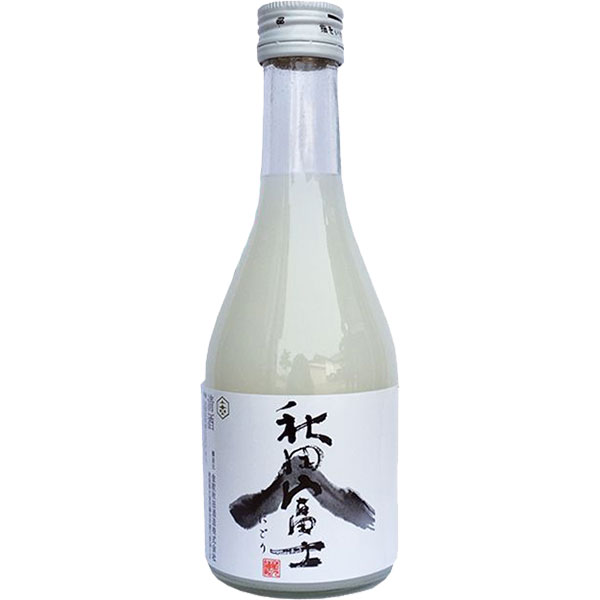
Nigori sake is intentionally left unfiltered — the rice solids give it a milky, slightly sweet character that stands apart from every other sake style. It can be still or sparkling.
Hakutsuru Sayuri Nigori (฿300, Hyogo — 300ml). Entry-level Nigori from one of Japan's largest brewers. Sweet, creamy, soft. The most approachable sake on the list — good introduction for guests who find standard sake too dry.
Chiyomusubi Sparkling Sake (฿600, Tottori — 300ml). A naturally sparkling Nigori with fine bubbles. Sake meets Prosecco. Serve very cold as an aperitif or with light Thai snacks.
What Temperature to Serve Sake
| Style | Serve at | Notes |
|---|---|---|
| Junmai Daiginjo | 8–12°C (chilled) | Like white wine — cold preserves the aromatics |
| Junmai Ginjo | 10–14°C | Slightly cool, wine glass preferred |
| Junmai | 12–16°C or warm | More versatile — works warm with richer dishes |
| Honjozo | Room temp or slightly warm | Traditionally served warm in winter |
| Nigori | Well-chilled | Shake gently before pouring |
Sake vs. Wine: What Pairs With What
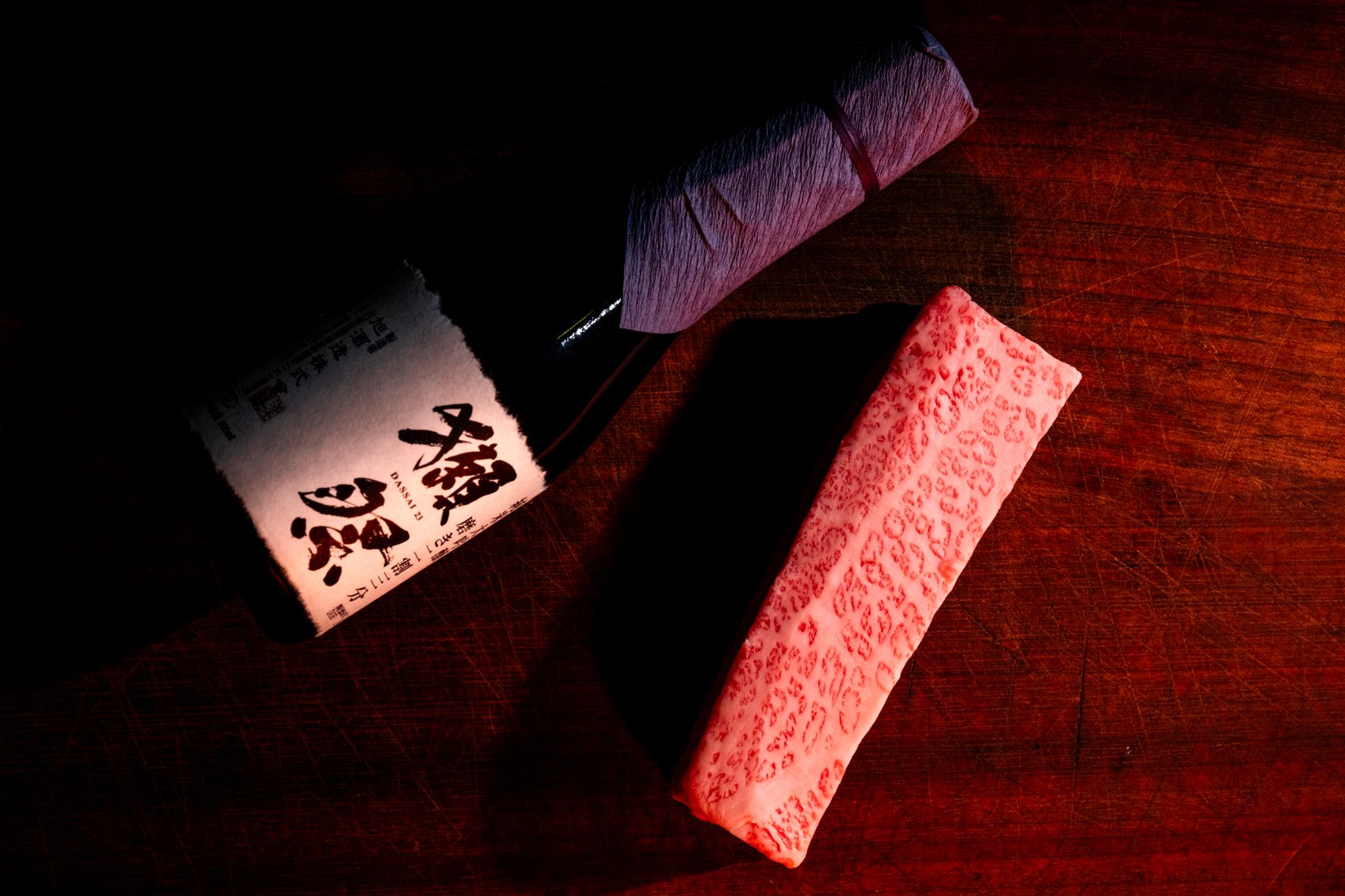
Sake's umami richness and clean acidity make it extraordinary with food. The pairing logic is different from wine:
- Junmai / Honjozo → heavier dishes, yakitori, ramen, tonkatsu, rich Thai curries
- Ginjo / Junmai Ginjo → sashimi, grilled fish, light Japanese dishes, khao man gai, steamed seafood
- Daiginjo → drink alone or with the most delicate food: oysters, white fish sashimi, cold tofu
- Nigori → spicy food, dessert, fruit-based Thai dishes
Keep reading: Château Margaux in Bangkok · Bordeaux vs. Burgundy · all Sake & Japanese stories.
FAQ
What is the difference between Junmai and Daiginjo sake?
Junmai means "pure rice sake" — no added alcohol, fuller body, food-forward. Daiginjo is defined by extreme rice polishing (50%+ of the grain milled away), producing sake of exceptional delicacy and complexity. You can have Junmai Daiginjo — pure rice, refined to the maximum.
Is Dassai the best sake in Bangkok?
Dassai is among the most widely available premium sake in Bangkok and a reliable benchmark for Junmai Daiginjo. The 45 (฿700/300ml, ฿1,700/720ml) is a genuine introduction to what the grade can taste like. For comparison, BORN Gold (฿1,500/720ml) offers a richer, more structured alternative.
Should sake be served warm or cold?
It depends on the grade. Junmai Daiginjo and Ginjo should always be served cold (8–14°C) to preserve their aromatics — warming destroys them. Honjozo and Junmai can be served warm, which rounds out the body and increases the savory quality. Cheap sake is often served warm to mask flaws. Premium sake is always chilled.
What sake goes with Thai food?
Off-dry Ginjo and Junmai Ginjo pair well with most Thai dishes — the acidity and slight sweetness handle spice well. For very spicy dishes, Nigori's sweetness cools the heat. Avoid Daiginjo with heavily spiced food; the delicacy gets lost.
What is Niigata sake?
Niigata Prefecture is Japan's most famous sake region. The style is tanrei karakuchi — dry, clean, light, with minimal sweetness. Niigata water (from snowmelt) is extremely soft, which contributes to the elegant, refined character. Kirinzan, Azakura, and Azumarikishi are well-represented on the WNLQ9 list.
Can you get good sake delivered in Bangkok?
Yes — WNLQ9 carries 305 in-stock sake SKUs across all grades, from entry-level 300ml bottles (฿300–700) to serious 720ml Daiginjo (฿1,500–2,300+). Order before noon for same-day delivery in central Bangkok.