 Log in to view
฿฿
Product information compiled from producer, importer and reference sources.
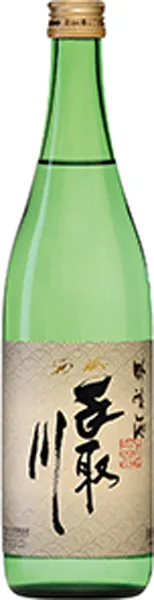
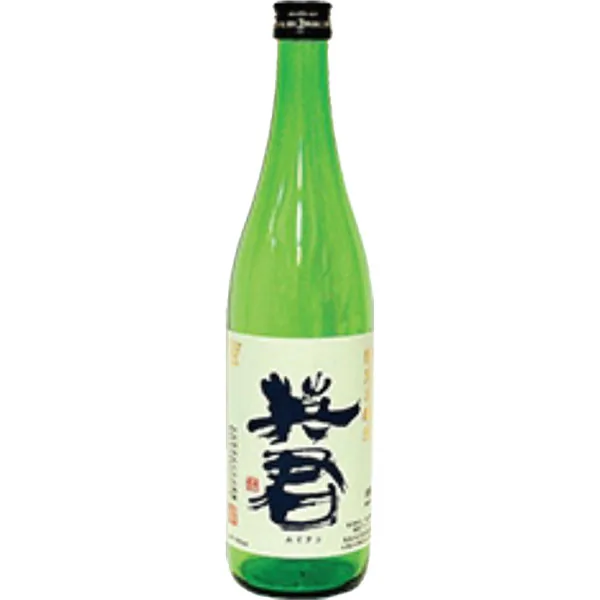
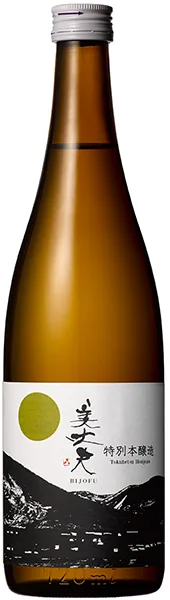
Tano-cho coastal brewery; Nahari River ultra-soft water; Kochi AA-41 yeast; dry yet unusually aromatic Honjozo from Shikoku's easternmost kura.
When master brewer Ohara Akira applied Hiroshima-style ginjo technique — low-temperature extended fermentation engineered for soft water — to the even softer nansui drawn from the subterranean Nahari River, he solved a problem Kochi brewers had long considered intractable.
That water, filtered through the Yanase cedar forest before surfacing beneath Hamakawa Shoten's coastal site in Tano-cho, Aki District, carries almost no dissolved minerals, a condition that historically suppressed yeast activity and produced flat, unstable sake.
The brewery's response was to deploy Kochi Prefecture's proprietary AA-41 yeast, an isoamyl acetate-dominant strain that generates pronounced melon and banana aromatics even under the metabolic constraints of ultra-soft water, combined with a sandan jikomi three-stage mash build over approximately 25–30 days at cool temperatures.
The Tokubetsu Honjozo tier uses rice milled to the Tokubetsu threshold, fermented in this low-temperature moromi, then pasteurised before release at 15–16% ABV.
What distinguishes this expression within its category is the tension it holds: the Kochi tradition demands a dry, lean profile (the prefecture's sake culture prizes high SMV, food-driven dryness), yet the nansui water and AA-41 yeast layer in a softness and aromatic lift that most Honjozo from other regions achieve only at Ginjo polish ratios.
The result is a dry sake that drinks with the aromatic generosity of a class above its milling grade.
Sommelier’s pick: Grilled Pacific bonito (katsuo no tataki) with ponzu and ginger · Steamed snow crab with dashi butter · Chilled tofu with sesame oil and dried bonito flakes
Loading notes…
Tasted this?
Ask us on LINE.
Ask about this item