 Log in to view
฿฿
Product information compiled from producer, importer and reference sources.
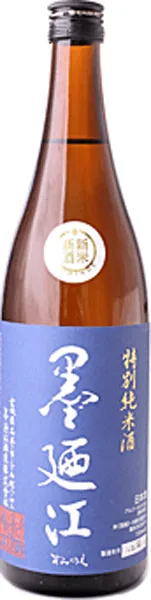
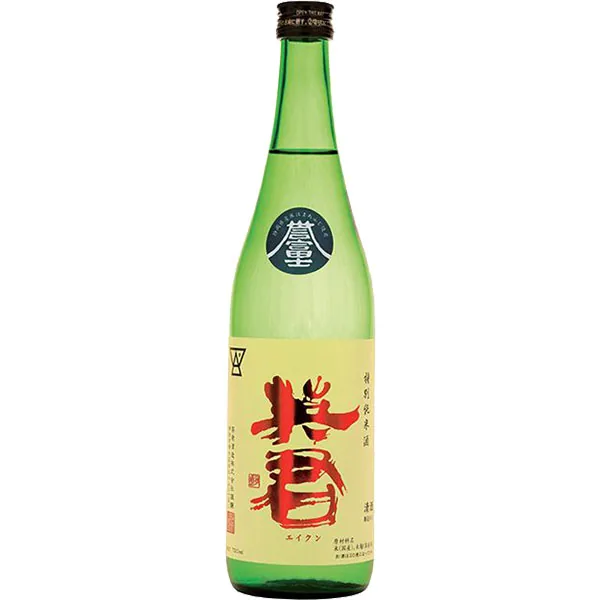
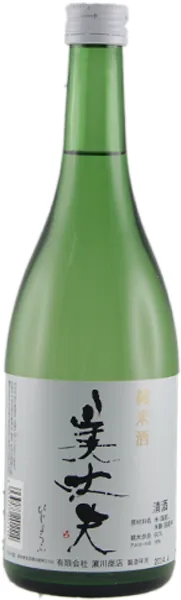
Tano-cho coastal brewery, Nahari River nansui water, Kochi AA-41 yeast — dry Junmai with melon-banana aromatics that defy the lean Tosa archetype.
When master brewer Ohara Akira applied Hiroshima-style ginjo technique — low-temperature extended fermentation in ultra-soft water — to Kochi's even softer nansui, he solved a problem the industry had long considered intractable: producing aromatic, textured sake from water too mineral-deficient to sustain robust fermentation.
That solution defines every bottle from Hamakawa Shoten, founded 1904 on a coastal strip half a mile wide between the Pacific and the Yanase cedar mountains in Tano-cho, Aki District.
Brewing water is drawn from the subterranean Nahari River, fed by the Yanase forest — one of Japan's three great forests — delivering very pure nansui (ultra-soft water) that strips away the heavier earthy register typical of Junmai styles. The sandan jikomi three-stage mash builds over approximately 25–30 days at cool temperatures, coaxing delicate aromatics rather than forcing fermentation.
Kochi Prefecture's proprietary AA-41 yeast drives pronounced isoamyl acetate — melon, banana, citrus — while the soft-water base keeps the palate lean and focused in the dry Kochi tradition. No brewer's alcohol is added; rice is the sole fermentable. The
special feature: a house style that is simultaneously dry by Kochi convention and aromatically lush by ginjo standard — a contradiction most breweries in the prefecture never attempt.
As a non-vintage Junmai, this expression is best enjoyed young and well-chilled to preserve the yeast-driven aromatic lift.
Sommelier’s pick: Katsuo no tataki (seared bonito with ponzu and ginger) · Steamed clams with sake and spring onion · Chilled tofu with dashi-soy and myoga
Loading notes…
Tasted this?
Ask us on LINE.
Ask about this item