 Log in to view
฿
Product information compiled from producer, importer and reference sources.
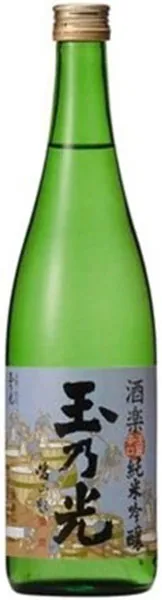
Fushimi's soft subterranean water shapes this Yamadanishiki Junmai Ginjo, polished to 60% and brewed without added alcohol.
Tamanohikari Sake Brewery, founded in 1673 in Fushimi, Kyoto, was among the first modern breweries to revive the Junmai standard in the 1960s — a deliberate rejection of the postwar practice of adding distilled alcohol to stretch production, at a time when doing so was commercially risky. That conviction defines every bottle in the Shuraku line today.
Fushimi sits atop a deep aquifer fed through granite and sandy alluvial strata beneath the Momoyama hills. The resulting water is very soft and low in minerals, which slows fermentation, encourages a delicate, clean fermentation profile, and produces sake with a notably smooth, rounded texture.
Shuraku is brewed from Yamadanishiki rice — the most prized sakamai variety — polished to a seimaibuai of 60%, qualifying it as Ginjo grade. Fermentation follows the sokujo (fast-starter) method using a lactic acid starter, and the sake is pasteurized once before bottling, preserving freshness while adding a degree of stability for retail.
What sets Shuraku apart within Tamanohikari's range is its positioning as an entry point to the brewery's Junmai-only philosophy — full rice-derived flavor at Ginjo polish, with no brewer's alcohol at any stage. Drink now through two years from production for peak aromatic lift.
Sommelier’s pick: Steamed sea bass with ginger and scallion · Chawanmushi with dashi and mitsuba · Grilled squid with yuzu kosho
Loading notes…
Tasted this?
Ask us on LINE.
Ask about this item