Bangkok sits at 13°N latitude. Average temperature: 33°C. Relative humidity: 72%. This is one of the most hostile wine storage environments on earth.
Wine survives Bangkok fine — if you treat it correctly. If you don't, a bottle you paid ฿5,000 for will taste like cardboard and vinegar within a month of poor storage. This guide tells you what you actually need to know.
Why Heat Destroys Wine
Wine is alive — it evolves continuously through chemical reactions, primarily oxidation. Temperature accelerates all chemical reactions. In practice:
- Above 25°C: wine begins to age faster than intended. Flavours flatten. Fruit fades.
- Above 30°C: wine "cooks" — a process that cannot be undone. You'll notice a jammy, stewed quality. The fresh fruit that makes good wine interesting disappears.
- Above 35°C (Bangkok outdoors in March–April): wine begins to deteriorate within hours. Corks expand, seals weaken, and liquid can seep through.
- Temperature fluctuation is as damaging as sustained heat. Every swing from cool to warm expands and contracts the wine and cork, eventually allowing oxidation.
The ideal storage temperature is 12–16°C, with under 1°C variation day-to-night.
Bangkok's Specific Problems

Heat
Obvious, but critical. Room temperature in Bangkok apartments without air conditioning can hit 35–38°C. Even with AC, rooms cycle between 26°C (AC on) and 30°C+ (AC off overnight). Both are too hot and too variable for any wine you care about.
Humidity
Humidity isn't bad for wine itself — it keeps corks from drying out. Bangkok's ambient humidity (70–80%) is actually close to ideal for cellaring. The problem is mould on labels if bottles are stored wet. Solution: store in a ventilated space, wipe dry.
Vibration
Bangkok is a city. Traffic vibration, BTS/MRT rumble, and elevator mechanics disturb sediments and subtly affect aging wine. Not a crisis for short-term storage, but worth considering for long-term cellaring.
Light
UV light degrades wine. Clear glass bottles are worst (always buy wine in coloured glass when you have a choice). Keep wine away from direct sunlight and fluorescent lighting.
Your Storage Options, Ranked
Option 1: Dedicated Wine Refrigerator (Best for Most Bangkok Residents)
 A wine fridge maintains the stable, cool, humid environment that Bangkok's ambient conditions cannot provide.
A dedicated wine refrigerator (also called a wine cooler or wine conditioner) is the correct solution for Bangkok. It differs from a regular refrigerator in several ways:
- Maintains 12–16°C (vs 4–6°C for a regular fridge)
- Vibration-dampened compressor
- Humidity control (55–70% RH)
- UV-filtered glass door
Entry-level units (12–18 bottles): ฿3,000–8,000 at Power Buy, Central, or specialist stores. Adequate for a casual collection.
Mid-range (30–50 bottles): ฿12,000–25,000. Temperature zones allow reds and whites at different temperatures simultaneously.
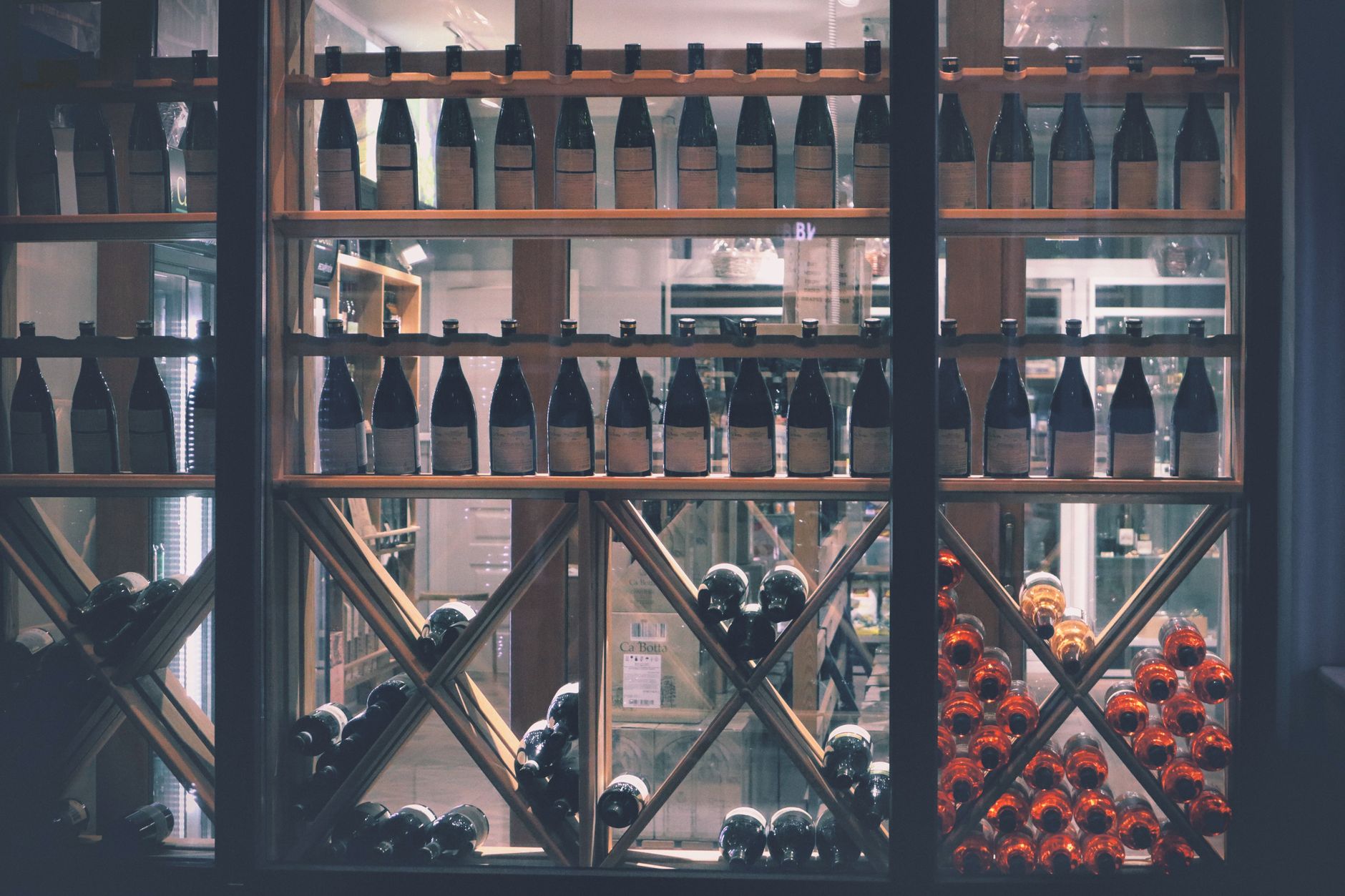
Dual-zone units (50+ bottles): ฿25,000+. The Bangkok serious collector's standard — red zone (14–16°C), white zone (8–12°C).
A wine fridge is not an indulgence. For anyone with more than ฿5,000 of wine in their home, it's the minimum viable storage.
Two units we stock and stand behind — a compact single-zone for a starter collection, and a built-in cellar for a serious one:
Option 2: Air-Conditioned Cupboard (Acceptable for Short Term)
A dedicated cupboard with its own AC unit, set to 16°C, kept closed. This works for 3–6 month storage if you're disciplined about not letting the temperature swing. The problem: every time you open the door, the temperature spikes. It's not a substitute for a wine fridge but is better than nothing.
Option 3: Regular Refrigerator (Emergency Only, Maximum 2 Weeks)
Regular refrigerators are too cold (4–6°C) and too dry for wine. The cold slows aging but the lack of humidity eventually dries out corks. Red wines stored cold also close up — the tannins become harsh and the fruit disappears. Use only for very short-term cooling.
Option 4: Professional Wine Storage (For Serious Collections)
Bangkok has several professional wine storage facilities offering temperature-controlled vaults:
- Temperature-stable at 12–14°C year-round
- Humidity controlled
- Security and insurance
- Monthly fee per case
This is the correct solution for wine you've paid ฿10,000+ per bottle for, or a collection worth more than ฿200,000. You are not storing wine at home when it's at this level.
How Long Can Wine Actually Last in Bangkok?

| Storage condition | Result after 3 months | Result after 12 months |
|---|---|---|
| Outdoors / no AC (33°C+) | Cooked, undrinkable | N/A |
| Room-temp apartment with AC (26°C) | Noticeably aged, flatter | Severely degraded |
| Regular fridge (4°C) | Over-chilled, OK for 2 weeks | Cork dried, oxidised |
| Wine fridge (14°C) | Peak condition | Improving (age-worthy wines) |
The takeaway: buy wine to drink, or store it properly. The Bangkok middle ground — leaving cases under your kitchen counter — does not exist.
Practical Tips for Bangkok Wine Buyers
Buy what you'll drink within a month — this eliminates the storage problem entirely. WNLQ9 delivers across Bangkok; you don't need to stockpile.
Chill red wine before serving — Bangkok's ambient temperature (26–30°C in most homes) is too warm for red wine. Reds are best served at 16–18°C. In Bangkok, this means 20–30 minutes in the fridge before opening, or using a wine cooler sleeve.
Serve white wine colder than you think — in Bangkok's heat, a white wine at 12°C will warm to 18°C in your glass within 15 minutes. Start cold.
Never leave wine in a parked car — a car in Bangkok sun hits 50–60°C within minutes. A bottle left in a car for an afternoon is ruined.
Watch bottles that have been shipped long distances — wine imported by sea to Thailand spends time in container ships where temperature control varies. Reputable importers refrigerate throughout; less scrupulous ones don't. Buy from established importers.
Keep reading: Sassicaia · Burgundy Explained · all Guides stories.
FAQ
What temperature should wine be stored at in Bangkok?
The ideal is 12–16°C with under 1°C variation. In practice, this means a dedicated wine refrigerator. Bangkok's ambient temperature (26–35°C) is far too hot for any wine you want to keep longer than a few days.
Can I store wine in a regular fridge in Bangkok?
For a few days, yes. Longer than two weeks, the cold and dryness begin to damage corks and close up the wine. A regular fridge is not a wine storage solution — it's a temporary measure.
How long does wine last once opened in Bangkok?
Opened wine in Bangkok's heat oxidises faster than in cooler climates. Use a vacuum stopper and refrigerate; expect 2–3 days for reds, 3–5 days for whites, and 1–3 days for sparkling (use a Champagne stopper). Do not leave an open bottle at room temperature overnight.
What is "cooked" wine?
"Cooked" wine has been exposed to excessive heat, which accelerates oxidation and volatile acidity in ways that cannot be reversed. The wine smells flat, jammy, or vinegary. Flavours are stewed rather than fresh. In Bangkok, this happens when wine is left at temperatures above 28–30°C for extended periods.
Is it worth investing in a wine fridge in Bangkok?
Yes, if you spend more than ฿3,000/month on wine. A mid-range wine fridge at ฿15,000 pays for itself in avoided losses within 6 months for most collectors. Without one, you're either buying only what you'll drink immediately, or risking significant losses.
What about long-term wine investment in Bangkok?
Long-term wine investment (10+ years) requires professional storage facilities, not home wine fridges. For fine wine you intend to hold for over 2 years, use a professional vault with documented temperature logs, insurance, and bonded storage.