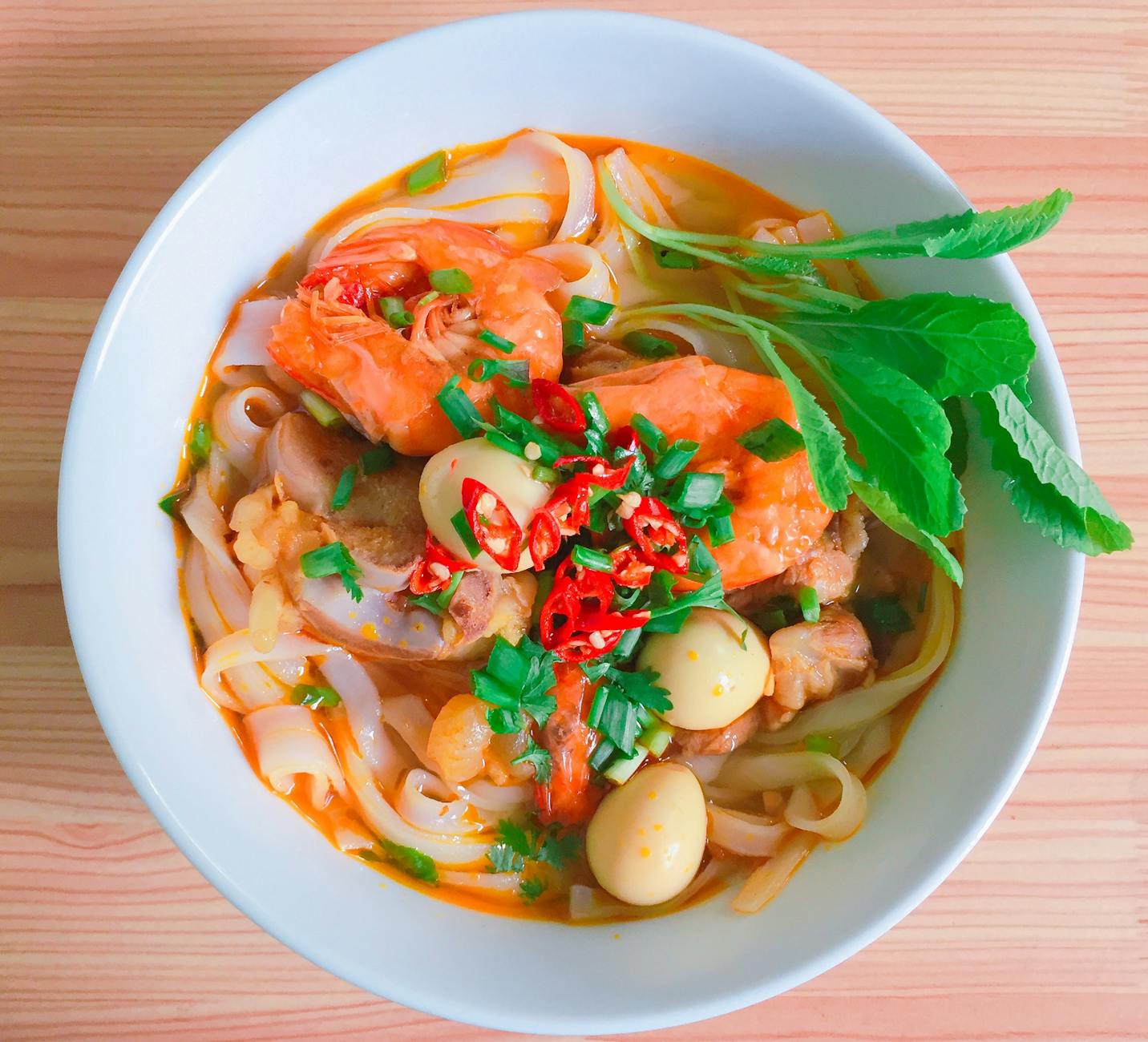
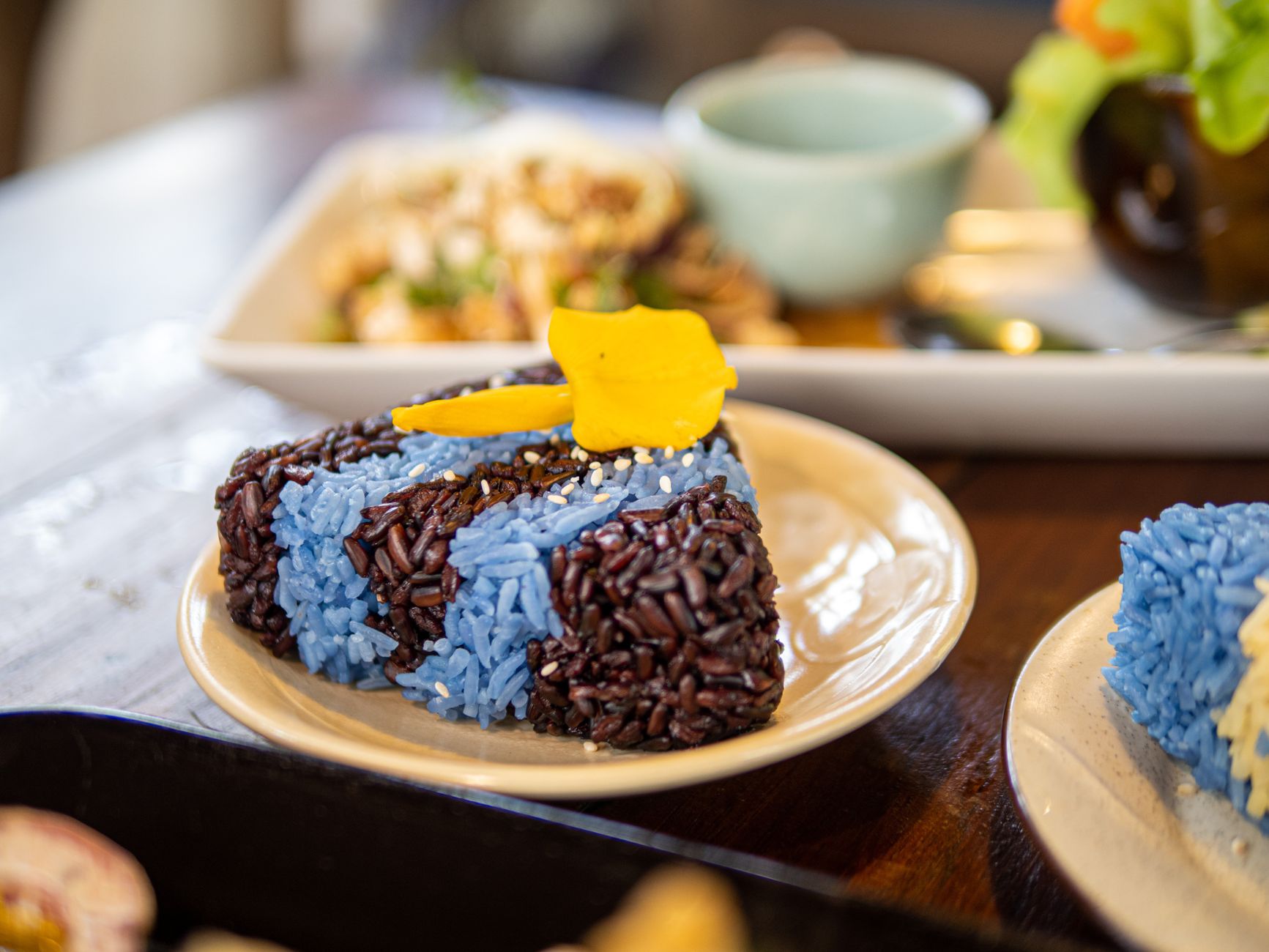
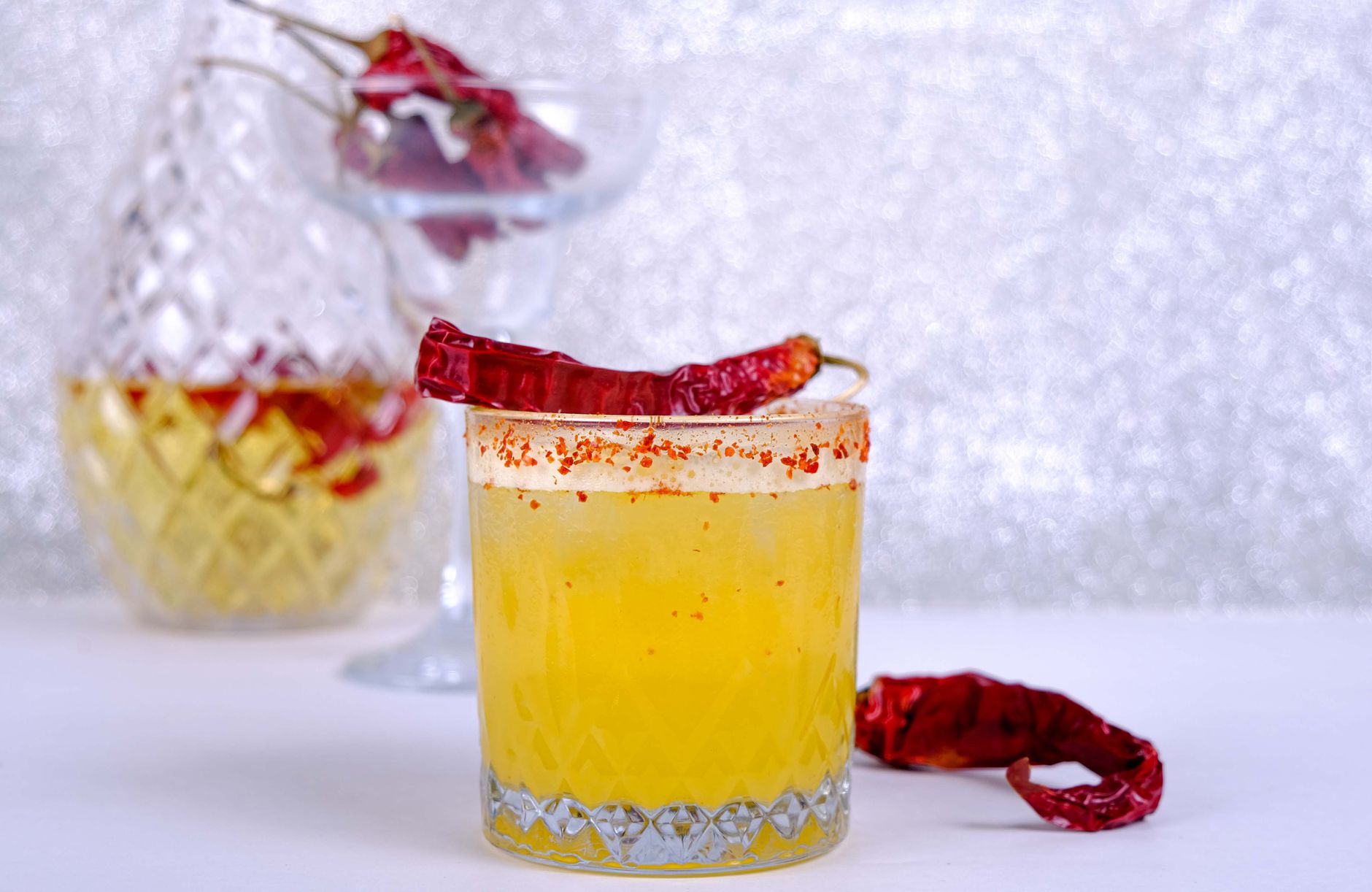
Bangkok is one of the best cities in Asia to eat seafood. Street stalls piled with grilled river prawns, upscale oyster bars, hotel seafood buffets, Thai restaurants where whole fish arrive surrounded by lemongrass and chilli — the city does seafood every way imaginable.
The wine question is more specific here than it is in Paris or Sydney. Bangkok's seafood often comes with spice, aromatics, and bold sauces that change the pairing equation. This guide covers what works — and what doesn't — across the main seafood styles you'll encounter.
 Bangkok's seafood ranges from clean and delicate to aggressively spiced — the wine needs to match the preparation, not just the protein.
The Rule: Acidity Is Everything

The single most important thing a wine brings to a seafood pairing is acidity. Acid in wine does what lemon juice does on a plate — it lifts, brightens, and cuts through fat and brine. A low-acid wine next to a freshly grilled fish tastes flat and heavy. A high-acid wine makes the fish taste cleaner and more alive.
This is why the classic pairing works: Chablis (high-acid Chardonnay) with oysters. Sauvignon Blanc with grilled fish. Champagne with almost anything from the sea. The acid is doing the work.
White Wine: The Main Event
Sauvignon Blanc — The Go-To Choice
Sauvignon Blanc is the most reliable seafood wine in Bangkok. It's citrusy, grassy, high in acid, and bone dry — it handles grilled fish, prawns, crab, and light Thai seafood preparations equally well. New Zealand Marlborough is the dominant style here: tropical fruit forward with bright acidity and a clean finish.
Villa Maria Private Bin Sauvignon Blanc (฿749, New Zealand — Marlborough). The benchmark Marlborough Sauvignon Blanc at an honest price. Classic profile: passionfruit, grapefruit, cut grass, long finish. Works with anything from the grill.
Spy Valley Sauvignon Blanc (฿909, New Zealand — Marlborough). A step up — more aromatic complexity, longer finish, still completely food-friendly. The kind of bottle that holds its own through a full seafood dinner.
Matua Sauvignon Blanc (฿695, New Zealand — Marlborough). Entry-level Marlborough from one of the region's established producers. Clean, citrusy, consistent. The by-the-glass pick at a Bangkok oyster bar.
Chablis — The Best Match for Oysters and Raw Shellfish
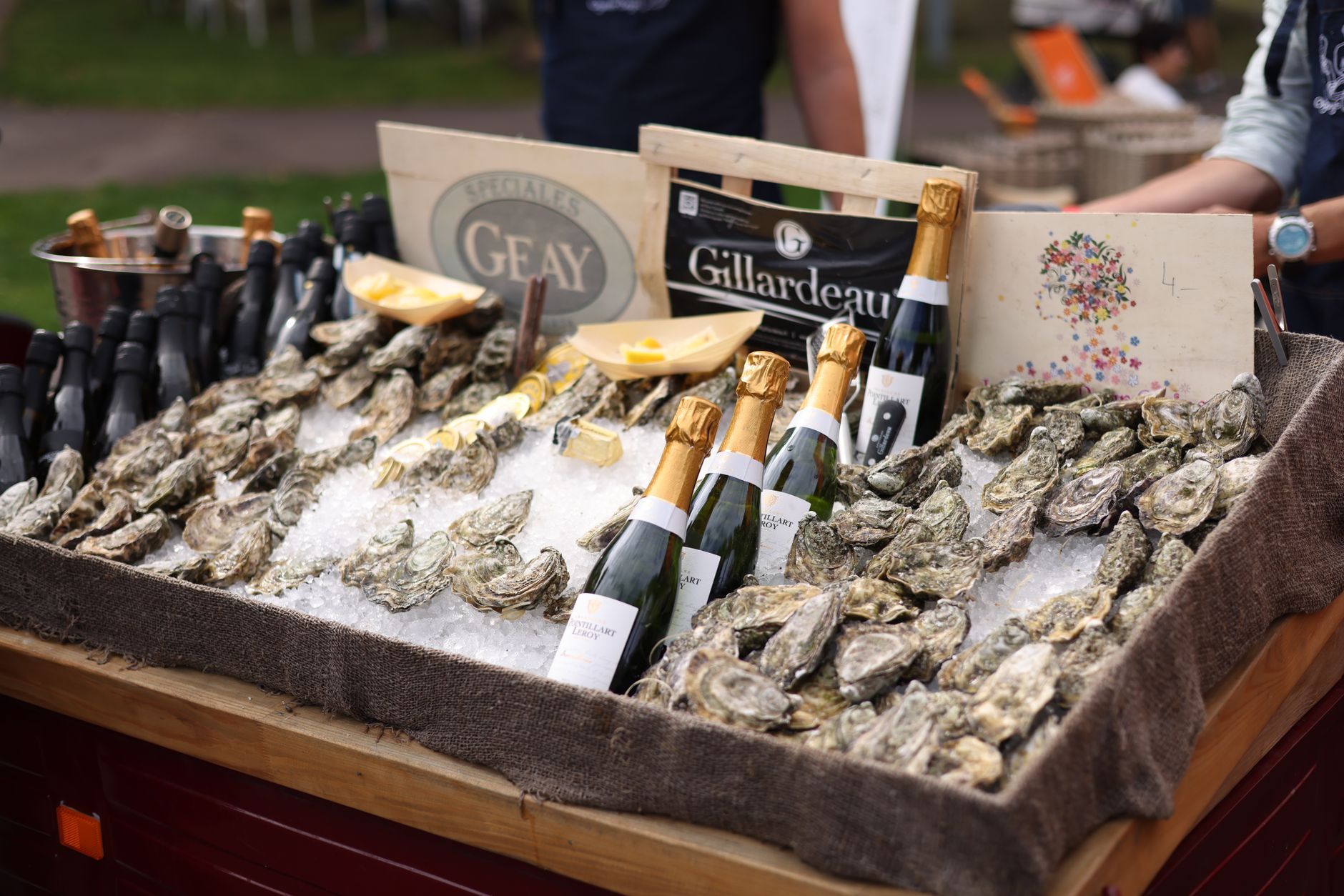 Chablis and oysters: the pairing works because both come from the same mineral environment — chalky limestone soil, cold Atlantic waters.
Chablis is Chardonnay, but unlike the oaky, buttery Chardonnays you might be used to, it's aged in steel, giving a bone-dry, mineral, almost saline character. This is exactly what you want next to oysters, clams, or raw shellfish. The minerality echoes the brine; the acidity cuts through it cleanly.
Domaine Laroche Chablis Les Chanoines AOC (฿1,199, France — Chablis). Domaine Laroche is one of Chablis's most respected producers. This is textbook Chablis: chalk mineral, green apple, high acid. Pour it cold (8–10°C) with a dozen oysters.
La Chablisienne Chablis 1er Cru Fourchaume (฿2,900, France — Chablis). The step-up bottle: Premier Cru intensity and a 95-point rating, for the night the seafood deserves ceremony.
Pinot Grigio — For Delicate Dishes
Italian Pinot Grigio (especially from Friuli or Veneto) is lighter and more delicate than Sauvignon Blanc — less assertive, more neutral, with a dry, slightly mineral finish. It's the right call when the seafood is the hero and you don't want the wine to compete: steamed fish, simply grilled prawns, pla neung manao (steamed fish with lime and garlic).
Pighin Pinot Grigio Grave del Friuli DOC (฿829, Italy — Friuli). Friuli is where Pinot Grigio reaches its best expression — crisp, lightly floral, dry finish. Better than most Veneto Pinot Grigio at a similar price.
Botter Pinot Grigio delle Venezie Organic (฿600, Italy — Veneto). Certified organic, clean fruit, reliable everyday white. The bottle to keep in the fridge for when you come home with a bag of fresh prawns.
German Riesling — For Spicy Seafood
Here's the Bangkok-specific insight: if your seafood is spicy — pla rad prik (crispy fish with chilli), tom yum talay (spicy seafood soup), or anything with bird's eye chilli in the sauce — off-dry Riesling is a better choice than Sauvignon Blanc. The residual sugar in an off-dry Riesling cools down the heat and brings out the sweetness in the seafood underneath.
Dr. Loosen Dr. L Riesling Dry (฿765, Germany — Mosel). The Loosen family is one of the Mosel's best producers. Dr. L is their entry-level expression — zesty lime, apple, light petrol character, vibrant acidity. Dry but aromatic enough to handle spice.
Nollen Erben Mosel Riesling Spätlese (฿600, Germany — Mosel). Spätlese means "late harvest" — a touch of sweetness, a lot of acidity. The sweetness-acid tension is exactly what you want against spicy Thai seafood. Chill well and drink with tom yum or pla rad prik.
Sparkling Wine — The All-Rounder

Sparkling wine works with virtually every seafood dish. The bubbles act like built-in palate cleanser; the acidity handles fat, spice, and brine; and the dryness suits everything from oysters to grilled lobster. If you can't decide on a white, open something sparkling.
Champagne Ernest Rapeneau Brut (฿1,409, France — Champagne). A Champagne at a price point that makes sense as a seafood pairing wine. Brioche, citrus, fine bubbles. The right choice for a seafood dinner you want to remember.
Zonin Prosecco Brut (฿595, Italy — Veneto). Prosecco is lighter and fruitier than Champagne — not as complex, but approachable and genuinely good with light seafood, sushi, or oysters. At ฿595, it's the everyday sparkling for seafood nights.
Light Rosé — When There's Spice and Sweetness
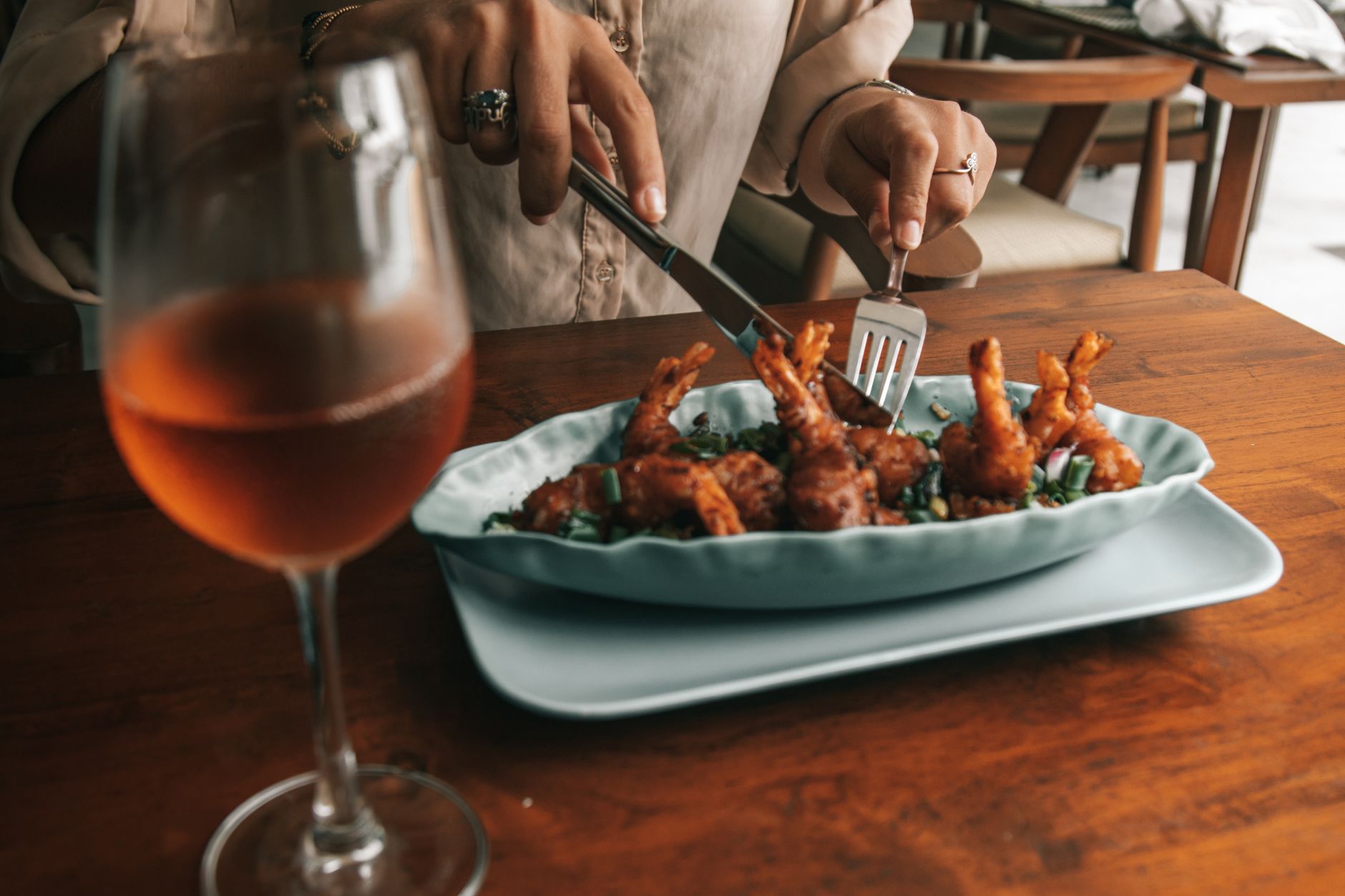
A dry Provence-style rosé sits in a useful middle ground for Bangkok seafood. It has the acidity to handle seafood but also enough body to stand up to slightly spicy or aromatic preparations — hoi malaeng puu (green mussels with Thai herbs), poo pad pong karee (crab curry), or seafood stir-fries with garlic and pepper.
Chateau d'Esclans The Pale, Côtes de Provence — ฿900
What to Avoid
High-tannin red wines — Cabernet Sauvignon, Shiraz, and Bordeaux blends clash badly with seafood. The tannins bind to proteins in fish and create a metallic, bitter taste. The exception is very light reds (Valpolicella, Beaujolais, chilled Pinot Noir) with tuna, salmon, or stronger-flavored fish.
Oaky Chardonnay — heavily oaked Chardonnay (think Australian commercial Chardonnay at this price point) overwhelms delicate seafood. Go unoaked or stainless-steel Chardonnay instead — or step to Chablis.
Keep reading: Bordeaux vs. Burgundy · Opus One in Bangkok · all Wine stories.
FAQ
What wine goes with grilled fish in Bangkok?
Sauvignon Blanc is the most reliable match for grilled fish — NZ Marlborough styles like Matua (฿695) or Villa Maria (฿749) are the safe picks. If the fish is simply grilled with butter or herbs, Chablis (Domaine Laroche, ฿1,199) is worth the upgrade.
Is Champagne good with seafood?
Yes — Champagne is one of the best seafood wines made. The acidity, bubbles, and dryness handle virtually every seafood preparation. Champagne Ernest Rapeneau Brut (฿1,409) is a great choice for a special seafood dinner.
What wine goes with spicy Thai seafood soup (tom yum talay)?
Off-dry German Riesling — Nollen Erben Spätlese (฿600) or Dr. Loosen Dr. L (฿765). The residual sweetness cools the chilli heat while the acidity keeps the pairing clean. Avoid tannic reds, which amplify spice unpleasantly.
What white wine goes with crab in Bangkok?
For clean crab (crab with butter, or cold crab salad), Chablis or Sauvignon Blanc. For poo pad pong karee (crab curry), try a dry rosé — the spice and curry paste need something with a little more body.
Can red wine work with seafood?
Sometimes. Very light reds — chilled Valpolicella (฿819 at WNLQ9), Beaujolais, Pinot Noir — work with tuna, salmon, and stronger-flavored fish. Avoid high-tannin reds with any shellfish or white-fleshed fish.