Deep Dive · Red Wine · Argentina
Fifty years ago, Malbec was a supporting actor — a blending grape in Bordeaux, added for colour and body and then largely forgotten. Today it is Argentina's calling card, one of the most reliably delicious red wines on the planet, and increasingly, a fixture on Bangkok restaurant lists. Here is everything you need to know about why it matters — and which bottles are worth your baht.
Contents
- From Bordeaux footnote to Argentina's national wine
- The Mendoza altitude story
- Luján de Cuyo vs Valle de Uco
- Flavour profile — what Malbec actually tastes like
- Price-per-quality: why Malbec wins in Bangkok
- The bottles worth buying right now
- Malbec with Bangkok food
- Frequently asked questions
From Bordeaux Footnote to Argentina's National Wine
Malbec originated in the Cahors region of south-west France — a tough, tannic, deeply coloured grape that the great Bordeaux châteaux used sparingly to add structure to their blends. It was never the star. Phylloxera, the vine pest that devastated European vineyards in the late 19th century, nearly finished it off entirely on the continent.
But in 1853, a French agronomist named Michel Pouget carried Malbec cuttings across the Atlantic to Argentina. The vines arrived in Mendoza, a high-altitude desert region on the eastern slopes of the Andes, and something remarkable happened: the grape transformed. The harsh sun, the thin air, the dramatic temperature swings between day and night — every stress that would have troubled a French vine became a quality signal in Argentina.
By the early 2000s, Argentine producers had realised they were sitting on one of the wine world's great secrets. International sommeliers noticed. Restaurants in New York, London, and eventually Bangkok followed. Within fifty years, a grape that France had nearly abandoned had become one of the most recognised red wine varieties in the world — and Argentina had built an entire national wine identity around it.
Argentina's Signature
Argentina produces over 70% of the world's Malbec — the grape found its true home 10,000 km from where it started.
A 50-Year Transformation
From near-extinction in France to global icon in Argentina — one of wine's most dramatic redemption stories.
Altitude is Everything
Mendoza's vineyards sit at 700–1,500 m above sea level. That elevation is the biggest single reason the wine tastes the way it does.
The Mendoza Altitude Story
To understand why Argentine Malbec tastes the way it does, you need to understand altitude. Mendoza's vineyards are planted between 700 and 1,500 metres above sea level — in some sub-zones, even higher. At that elevation, three things happen that you simply cannot replicate at sea level.
Intense UV Radiation
Thin mountain air filters less of the sun's ultraviolet radiation. The vines respond by producing more anthocyanins — the pigments that give Malbec its famously deep, almost inky purple-ruby colour. More UV stress also means thicker grape skins, which translate directly into more tannin, more flavour compounds, and more of those distinctive violet and dark fruit aromas that make Malbec so recognisable.
Diurnal Temperature Swings
Mendoza days are hot and sunny — temperatures regularly top 30°C in summer. But the nights, fed by cold air descending from the Andes snowfields, can drop to 10–12°C. This dramatic diurnal swing — often 20°C or more between day and night — is a winemaker's gift. Heat during the day ripens sugar and builds body. Cold nights preserve the grape's natural acidity and slow aromatic development, trapping those perfumed violet and red-fruit notes inside the berry rather than letting them blow off.
The result is a wine that can be simultaneously rich and fresh — full-bodied enough to stand up to a good steak, but with enough natural acidity to keep things lively in the glass.
Sommelier Note
When comparing two Malbecs at similar price points, look at the elevation on the label. A wine from 1,200 m in the Uco Valley will typically show more freshness and finesse than one from the lower-altitude plains. It's not always better — sometimes you want that rich, plush style — but altitude tells you a great deal about what's in the glass before you even open it.
Mendoza Geography: Luján de Cuyo vs Valle de Uco
Mendoza is Argentina's most important wine region, but it is not a monolith. Within Mendoza, two sub-regions define the poles of Argentine Malbec style — and knowing the difference will help you choose the right bottle every time.
| Feature | Luján de Cuyo | Valle de Uco |
|---|---|---|
| Altitude | 700–1,050 m | 1,000–1,500 m and above |
| Style | Full-bodied, rich, plush tannins, ripe dark fruit | Leaner, more aromatic, higher acidity, more mineral |
| Classic descriptors | Dark plum, blackberry, chocolate, vanilla from oak | Red cherry, violet, dried herbs, slate, spice |
| Best for | Malbec beginners, fans of Napa Cabernet, grilled meat | Curious drinkers, Burgundy fans, food-pairing enthusiasts |
| Reputation | The classic — where Malbec built its global following | The future — the sub-region exciting critics right now |
For most Bangkok wine drinkers trying Malbec for the first time, Luján de Cuyo is the natural entry point — warm, generous, and immediately appealing. Once you're comfortable with the grape, Valle de Uco offers a fascinating step up in complexity and terroir expression.
Flavour Profile: What Malbec Actually Tastes Like
Malbec has a flavour profile that is almost uniquely crowd-pleasing — rich enough to feel indulgent, but with enough structure to be interesting.
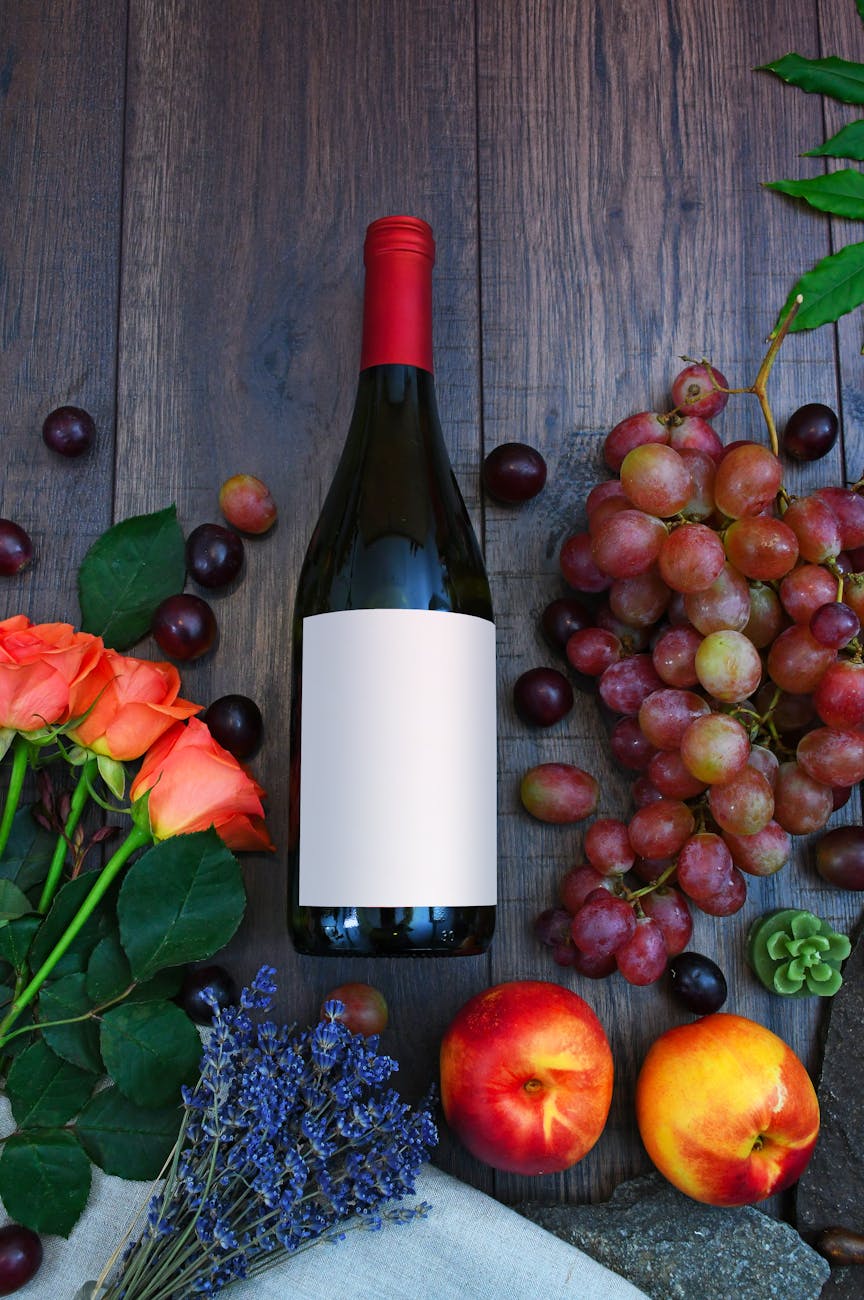
The deep ruby-purple colour of a well-made Malbec — a direct result of thick skins grown under intense Andean UV radiation.
Primary Aromas
- Dark plum and blackberry — the signature fruit character, especially at lower altitudes
- Violets — a distinctive floral lift that sets Malbec apart from Cabernet Sauvignon
- Black cherry — more prominent in higher-altitude examples
Secondary Aromas (oak-influenced)
- Cocoa and dark chocolate — from barrel ageing, integrates beautifully with the fruit
- Vanilla and cedar — common in oak-aged expressions
- Tobacco leaf — appears in more structured, aged bottles
On the Palate
Malbec's most crowd-pleasing trait is its tannin structure. Compared to Cabernet Sauvignon, the tannins are softer and rounder — sometimes described as "velvety." This means you can enjoy a good Malbec young, without needing to cellar it for years. The finish is typically warm and persistent, with dark fruit and a gentle chocolate note lingering.
Malbec is the red wine that converts white wine drinkers. The tannins never scratch, the fruit is always generous, and there is always something interesting going on behind the obvious pleasure.
Price-Per-Quality: Why Malbec Wins in Bangkok
Here is a blunt fact that sommeliers talk about quietly but wine drinkers deserve to know openly: for a full-bodied red wine, Malbec offers some of the best price-per-quality of any variety available in Bangkok right now.
Why? Argentina's production costs remain lower than Bordeaux, Napa, or even much of Italy. The category is not artificially inflated by trophy wine speculation the way some Burgundy and Bordeaux appellations are. And the quality-to-price ceiling has been rising steadily as Argentine producers invest in better winemaking and single-vineyard expressions.
What this means practically: at ฿600–฿700, you can drink a genuinely good Malbec from a real Mendoza producer. At ฿1,000–฿1,200, you are getting wine that competes with bottles costing two or three times as much from other regions. That gap is why Malbec has earned a place on so many Bangkok lists — the restaurants know it delivers, and so do their customers.
The Bottles Worth Buying Right Now
Every bottle below is available through WNLQ9, arranged from entry-level to a serious mid-range reference. Work through them in order and you will build a genuine sense of what Malbec can do at different price points.
Entry Level — The Reliable Every-Night Malbec
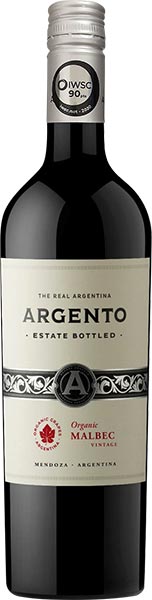
Argento Malbec is the benchmark for accessible Malbec. Bright, fresh, and immediately likeable — dark cherry, a hint of violet, soft tannins. This is the bottle to open on a Tuesday without thinking too hard about it.
Altivo Classic Malbec sits right alongside Argento as a reliable everyday Mendoza pour. Slightly more structured, with riper plum and a touch of mocha on the finish.
Classic Mendoza — The Producers Who Built the Category
Trapiche Vineyards Malbec comes from one of Argentina's most historic producers, making wine in Mendoza since 1883. Clean, expressive, and a perfect introduction to what classic Mendoza Malbec tastes like — dark fruit, gentle violet, smooth finish.
The Trapiche Vineyards Oak Cask Malbec is the step up — same house, but with oak ageing adding a layer of vanilla, dark chocolate, and cedar. The most direct comparison you can make to understand what barrel time does to Malbec.
Mid-Range — The Reference Bottles
Catena Zapata Catena Malbec is, quite simply, one of the wines that put Argentine Malbec on the global map. Nicolás Catena Zapata pioneered high-altitude viticulture in Mendoza and proved that the region could produce world-class wine. This bottle — fruit from vineyards between 900 and 1,400 metres — is the reference point for serious Malbec. Complex, layered, and built to age. If you want to understand what the fuss is all about, open this.
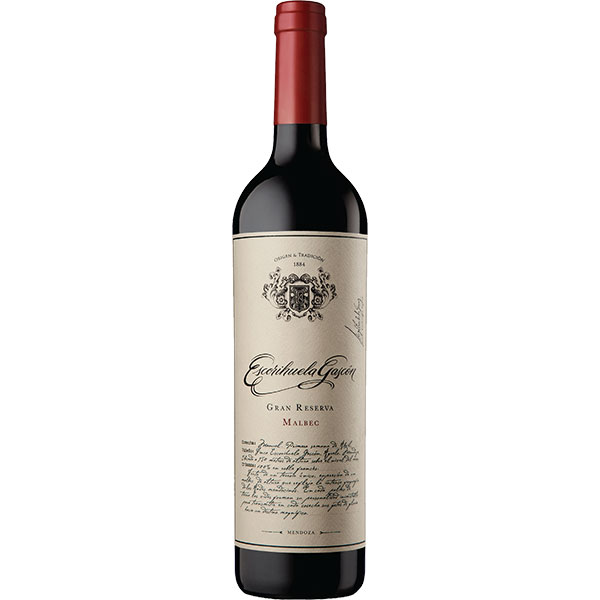
Escorihuela Gascón Gran Reserva Malbec is single-vineyard quality at a price that makes this one of the most exciting buys on the list right now. Gran Reserva designation means extended oak maturation — expect dark fruit, serious structure, and a long, warming finish.
Our Recommendation at Each Level
Best under ฿700: Trapiche Vineyards Oak Cask — the most flavour per baht at this level, especially with food.
Best under ฿1,000: Escorihuela Gascón Gran Reserva — take the sale price while it lasts.
Best overall: Catena Zapata Catena — the grape, the region, and the winemaker in one bottle.
Malbec with Bangkok Food — What Works and What Doesn't
One of Malbec's great strengths is its versatility with food. The soft tannins and ripe fruit are forgiving partners — but there are still smart choices and a few things to avoid.
What Works Well
- Grilled beef — the classic pairing, and for good reason. Malbec's dark fruit and gentle tannins are built for char and protein. A good ribeye or wagyu at any Bangkok steakhouse works beautifully.
- Pork neck (คอหมู) — grilled or roasted — the fattiness of pork neck softens Malbec's tannins and brings out its fruit. Thai-style charcoal-grilled pork neck is a genuine pleasure with a glass of Argento or Trapiche.
- Aged cheese — a hard, aged cheese like parmesan or manchego amplifies Malbec's savoury, chocolatey notes. Great for a wine-and-cheese evening in.
- Lamb — an underrated pairing. The grape's herbal and earthy undertones complement the richness of lamb beautifully.
- Mushroom-based dishes — the earthy, umami quality of mushrooms aligns naturally with Malbec's darker fruit and cocoa character.
What Doesn't Work
- Very spicy Thai food — high alcohol and heat in the same mouthful amplifies both. The wine tastes harsh, the food tastes hotter. If you want wine with a spicy meal, reach for a sweeter Riesling or a dry rosé instead.
- Delicate seafood — Malbec's body overwhelms light fish. The wine simply bulldozes everything subtle on the plate.
- Very sweet sauces — teriyaki or hoisin-glazed dishes with pronounced sweetness make Malbec taste flat and less fruity.
Keep reading: Spanish Wine Beyond Rioja · German Wine · all Wine stories.
Frequently Asked Questions
Is Malbec a dry red wine?
Yes — Malbec is a fully dry red wine. There is no residual sugar in a standard Argentine Malbec. The impression of sweetness that some drinkers notice comes from the ripe, jammy dark-fruit aromas and the wine's naturally soft tannins, not from actual sugar. If you prefer dry reds but find some varieties harsh or astringent, Malbec is an excellent choice — it has the body of a full red without the grip.
What food pairs with Malbec?
Malbec is an outstanding partner for grilled and roasted red meats — beef, lamb, and pork neck all work brilliantly. It is also very good with hard aged cheeses and mushroom-based dishes. In a Bangkok context, charcoal-grilled pork neck or a good steak are the most reliable matches. Avoid pairing it with very spicy Thai dishes, delicate seafood, or anything with a heavy sweet sauce, as the wine tends to clash with those flavour profiles.
What is the best Malbec under ฿1,000?
The Escorihuela Gascón Gran Reserva Malbec at ฿1,079 (currently on sale) is the standout at this tier — extended oak ageing gives it a complexity that normally costs significantly more. If you want something strictly under ฿1,000, the Trapiche Vineyards Oak Cask Malbec at ฿660 delivers excellent flavour per baht and is a smart everyday buy. The Argento Malbec at ฿595 remains the most accessible and consistent sub-฿700 option when buying multiple bottles.
Is Malbec from France or Argentina?
Malbec originated in south-west France, specifically the Cahors appellation, where it is still grown under the local name Côt or Auxerrois. However, the grape only truly found its identity in Argentina. French Malbec from Cahors is quite different from Argentine Malbec — darker, more tannic, and more austere in style. When most people around the world talk about Malbec today, they mean the Argentine version from Mendoza — the richer, more fruit-forward, internationally successful style that transformed a minor French blending grape into a global variety.