German wine has one of the most complex label systems in the world — and most buyers give up before they understand it. Spätlese, Trockenbeerenauslese, Trocken, Halbtrocken: the labels read like a test you didn't study for. This guide solves that, once and for all.
The Prädikat System Explained
The Qualitätswein mit Prädikat (QmP) system is Germany's classification of wine by ripeness — not sweetness, not quality tier, not price. This is the single most important thing to understand about German wine, and the point where most explanations go wrong.
The Prädikat level tells you how ripe the grapes were when they were picked. Riper grapes contain more natural sugar. But whether that sugar stays in the wine as sweetness, or gets fermented out into alcohol, is a separate winemaking decision that the label communicates differently — more on that in the next section.
Work your way up the ladder, from the lightest and most delicate to the rarest and most concentrated:
1. Kabinett — The lightest category. Grapes picked at normal harvest ripeness. Wines are low in alcohol (often 7–9% ABV), elegant, and refreshing. Often made off-dry.
2. Spätlese — "Late harvest." Grapes picked at least a week after the main harvest. More concentrated fruit, higher potential alcohol, deeper flavour. Can be dry (Trocken) or off-dry.
3. Auslese — "Selected harvest." Individual bunches selected for exceptional ripeness. Rich, golden, complex. Often retains noticeable sweetness and some noble rot (Botrytis) character.
4. Beerenauslese — Individual berries selected — each one hand-picked for perfect overripeness and Botrytis. Intensely sweet, rich as honey, extremely rare. Cellared for decades.
5. Trockenbeerenauslese — The pinnacle. "Dry berry selection" — Botrytis-shrivelled individual grapes, almost raisined on the vine. Syrup-thick, otherworldly sweetness and acidity. Often costs more than Sauternes Premiers Crus.
🍷 Sommelier Note
There is also Eiswein (ice wine) — grapes frozen on the vine, which concentrates sugars dramatically. It sits alongside Beerenauslese in terms of sweetness intensity, though it is made in a different way.
For everyday drinking, focus on Kabinett and Spätlese — these are the levels where Riesling shines brightest as a food wine.
Trocken vs. Halbtrocken vs. Off-Dry
Here is where the confusion compounds: Prädikat tells you ripeness. Trocken (or its absence) tells you sweetness. They are separate axes.
A bottle can be labelled Spätlese and Trocken — meaning the grapes were picked late (Spätlese ripeness), but all the sugar has been fermented to dryness. A Kabinett without any dryness designation is typically off-dry, with a little residual sweetness to balance its high acidity.
| Label Term | Residual Sugar | How It Tastes | Food Match |
|---|---|---|---|
| Trocken (dry) | < 9 g/L | Bone dry, high acid, mineral, no sweetness | Seafood, white meats, sushi |
| Halbtrocken (half-dry) | 9–18 g/L | Off-dry, slight sweetness rounds the acid | Mild Thai dishes, pork, salads |
| Off-dry (no label) | ~15–40 g/L | Noticeably fruity-sweet but not a dessert wine | Spicy food, soft cheeses, Thai curries |
| Feinherb (informal) | ~12–25 g/L | Between Halbtrocken and off-dry; lively, expressive | Versatile — aperitif, light dishes |
The practical takeaway: if a bottle says Trocken, expect it to be dry regardless of its Prädikat level. If it says nothing at all, a Mosel Kabinett or Spätlese is almost always off-dry — that slight sweetness is not a flaw, it is the intended style.
Key Regions: Mosel, Rheingau, Pfalz
Germany has 13 official wine regions (Anbaugebiete), but three stand out as the reference points for Riesling — and each produces a recognisably distinct style.
Mosel
Steep slate vineyard slopes above the meandering Mosel river. The slate soil absorbs heat during the day and radiates it back at night, allowing Riesling to ripen slowly and retain piercing acidity. Mosel Rieslings are the most delicate: low alcohol (often 7–9%), high-toned florals (peach, apricot, jasmine), with a defining slate-mineral character. The off-dry style is at its most classical here.
Rheingau
A south-facing stretch of the Rhine between Wiesbaden and Rüdesheim. Deeper soils, a slightly warmer mesoclimate, and a longer tradition of producing fuller-bodied Rieslings. Rheingau wines are more structured: richer fruit (peach, citrus peel), firmer tannin feel, higher alcohol, and excellent ageing potential. The Trocken style thrives here. Weingut Robert Weil is a benchmark producer.
Pfalz
Germany's warmest wine region, sheltered by the Haardt mountains. Riper, more tropical fruit (mango, pineapple), rounder acidity, and higher alcohol. Pfalz Riesling is the most approachable in style — less austere than Mosel, more generous than Rheingau. The region also excels with Gewürztraminer and Grauburgunder (Pinot Gris).
 Pale gold and precise — the color tells you the acid is still sharp
The hallmark of great Riesling: a pale gold colour, a translucent brilliance, and a nose that leads with fruit and follows with minerals.
Why Riesling Works Brilliantly in Bangkok
Riesling is arguably the wine best-suited to Thai cuisine — and the case for it in a Bangkok climate is stronger than anywhere else in Southeast Asia.
Spice Counterpoint
Residual sugar in off-dry Riesling acts as a buffer against capsaicin heat. The sweetness does not eliminate the spice — it creates an interplay that makes both the food and the wine more interesting.
Low Alcohol
A Mosel Kabinett at 7.5% ABV is forgiving in Bangkok's heat. Chilled to 10°C, it is as refreshing as it is complex — something few 14% reds can claim in this climate.
High Acidity
Riesling's naturally high acidity cuts through rich, coconut-based curries and cleansing the palate between bites — the same role that lime juice plays in Thai cooking itself.
🍷 The Pairing Formula
Spicy dishes (green curry, som tum, pad kra pao) → Off-dry Spätlese or Kabinett from the Mosel. The sweetness absorbs the heat.
Delicate dishes (steamed fish, raw oysters, green mango salad) → Dry Riesling (Trocken), Rheingau or Pfalz style. The minerality matches the freshness.
Rich dishes (massaman curry, pork belly) → Auslese or fuller Spätlese. The weight and natural sweetness stand up to the richness.
A Word on Grüner Veltliner
Grüner Veltliner is Austria's flagship white variety, not German — but it is consistently stocked alongside German whites in fine wine retailers and restaurants, and the two are natural companions on a list.
Where Riesling emphasises fruit and floral aromatics, Grüner Veltliner is defined by a savoury, peppery character — specifically, a white pepper note that is almost entirely unique to the variety. It is bone dry, high in acidity, and remarkably food-friendly.
If Riesling is the most intellectual white grape in the world, Grüner Veltliner is the most versatile. It is the white wine a chef would design.
If a wine list has both, try them back-to-back with the same dish: an off-dry Riesling and a dry Grüner Veltliner make the comparison vivid. The acidity is similar; everything else diverges.
Bottles to Buy Right Now
Each of these represents a different entry point into German white wine — from the classic off-dry Mosel style through to structured dry Riesling and aromatic alternatives. They are listed in order of style, from lightest and off-dry to driest and most structured.
Off-Dry & Classic Mosel
The Mosel is where the Prädikat system was built. These wines exemplify the off-dry style that made German Riesling famous — low alcohol, high acidity, and a signature slate mineral finish.
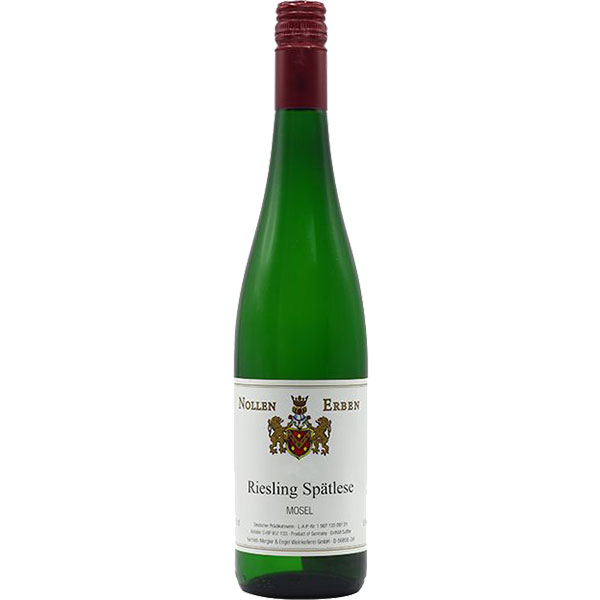
Nollen Erben Mosel Riesling Spätlese — ฿559 (on sale). A textbook Mosel Spätlese: off-dry, with ripe peach and apricot fruit, bright acidity, and that characteristic slate-mineral note on the finish. The residual sweetness is balanced, not cloying. This is the wine to try if you are new to German Riesling.
Nik Weis Urban Riesling — ฿800. Nik Weis of St. Urbans-Hof is one of the Mosel's most respected names. Urban Riesling is his approachable, everyday bottling: off-dry, vibrant citrus and green apple, clean and refreshing. Excellent by the glass on a hot Bangkok evening.
Dry Riesling (Trocken)
For those who prefer their whites bone dry, German Trocken Riesling delivers intensity without sweetness. These wines suit sashimi, oysters, and delicate seafood especially well.
Nollen Erben Mosel Dry Riesling — ฿700. The Trocken sibling of the Spätlese above: same grapes, same vineyard, all the sugar fermented to dryness. The result is lean, precise, and electric — pure lime citrus and white stone fruit, with a piercingly mineral finish. Proof that the Mosel can do austere as convincingly as it does off-dry.
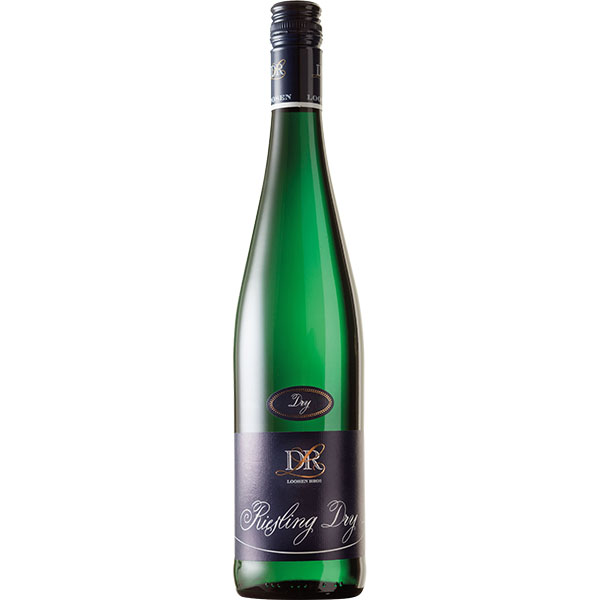
Dr. Loosen Dr. L Riesling Dry — ฿765. Ernst Loosen of Weingut Dr. Loosen is one of the most influential names in German wine — an ambassador for the Mosel whose wines appear on lists worldwide. Dr. L Dry is his benchmark accessible Trocken: focused, clean, dry as a bone, with the producer's signature purity of fruit. The reference point for this style.
Rheingau & Beyond
The Rheingau produces Germany's most structured whites — fuller-bodied, with firmer architecture and exceptional ageing potential. This is where Riesling becomes a serious dinner-table wine.
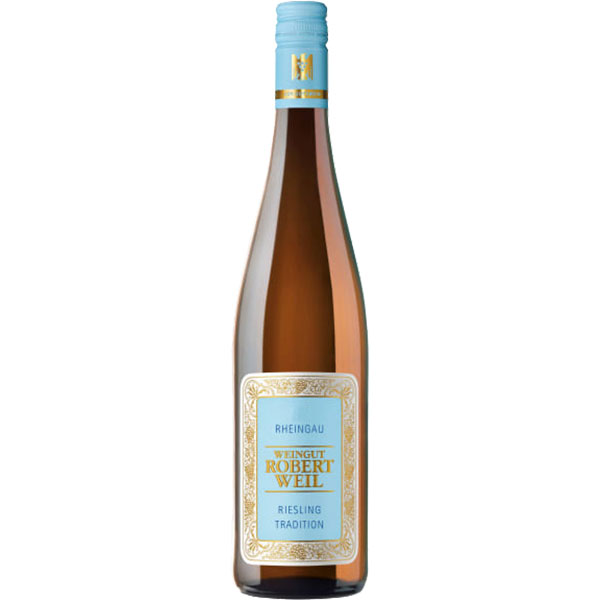
Weingut Robert Weil Riesling Rheingau Tradition — ฿1,200. Robert Weil is the Rheingau's defining estate. The Tradition bottling is their introductory tier — and it still shows everything the region stands for: ripe peach and citrus peel, genuine body and weight, a touch of spice on the finish, and the kind of structure that suggests this wine will still be interesting in five years. If you are ready to move beyond Mosel, start here.
Aromatic Alternative
Gewürztraminer is the aromatic companion to Riesling — different grape, same world. Where Riesling is precise and mineral, Gewürztraminer is heady and exotic: lychee, rose petal, ginger, exotic spice. Often labelled as coming from Alsace (France) or Germany's Pfalz and Rheinhessen regions.
Nollen Erben Rheinhessen Gewürztraminer Kabinett — ฿615 (on sale). Kabinett ripeness means this is light and delicate by Gewürztraminer standards — the lychee and rose are present but not overwhelming. Off-dry, fragrant, and beautiful with spicy Thai starters. An excellent first Gewürztraminer if you have never tried the variety.
Keep reading: Languedoc-Roussillon · Spanish Wine Beyond Rioja · all Wine stories.
Frequently Asked Questions
Is German Riesling always sweet?
No — and this is the most common misconception about German wine. German Riesling spans the full spectrum from bone-dry to intensely sweet. The key is reading the label: a bottle that says Trocken is dry; a Kabinett or Spätlese without any dryness designation is typically off-dry (slightly sweet). Auslese and above are usually noticeably sweet, though even at Auslese level, a Trocken version can be made. The Prädikat level tells you about ripeness, not sweetness — look for the word Trocken if you want dry.
What do Spätlese and Auslese mean?
Both are Prädikat levels — classifications of grape ripeness at harvest. Spätlese means "late harvest": grapes picked at least a week after the main harvest, producing a richer, more concentrated wine. Auslese means "selected harvest": individual bunches are hand-selected for exceptional ripeness, often with some Botrytis (noble rot). Auslese wines are typically richer and more complex than Spätlese, and are usually (but not always) sweet. The Prädikat scale runs: Kabinett → Spätlese → Auslese → Beerenauslese → Trockenbeerenauslese, in ascending order of ripeness and rarity.
What does Trocken mean on a German wine label?
Trocken means "dry" in German. On a wine label, it indicates that the wine has been fermented until almost all the residual sugar has been converted to alcohol — the legal limit is less than 9 g/L of residual sugar (or up to 12 g/L if total acidity is within 2 g/L). A Trocken Riesling will taste crisp and dry, with no sweetness. Halbtrocken (half-dry) allows up to 18 g/L — a perceptible but not pronounced sweetness. If neither term appears on the label, the wine is likely off-dry (particularly at Kabinett and Spätlese level from the Mosel).
What German wine pairs with Thai food?
Off-dry Mosel Riesling (Kabinett or Spätlese, without Trocken on the label) is the single best pairing for spicy Thai food. The residual sweetness buffers the heat of chilli, the high acidity cuts through rich coconut sauces, and the low alcohol keeps things refreshing in Bangkok's climate. For milder dishes — steamed fish, larb, or green mango salad — a Trocken (dry) Riesling or a Grüner Veltliner from Austria works beautifully. Avoid tannic red wines with Thai food in general: the tannins amplify the heat and fight the complexity of the spicing.