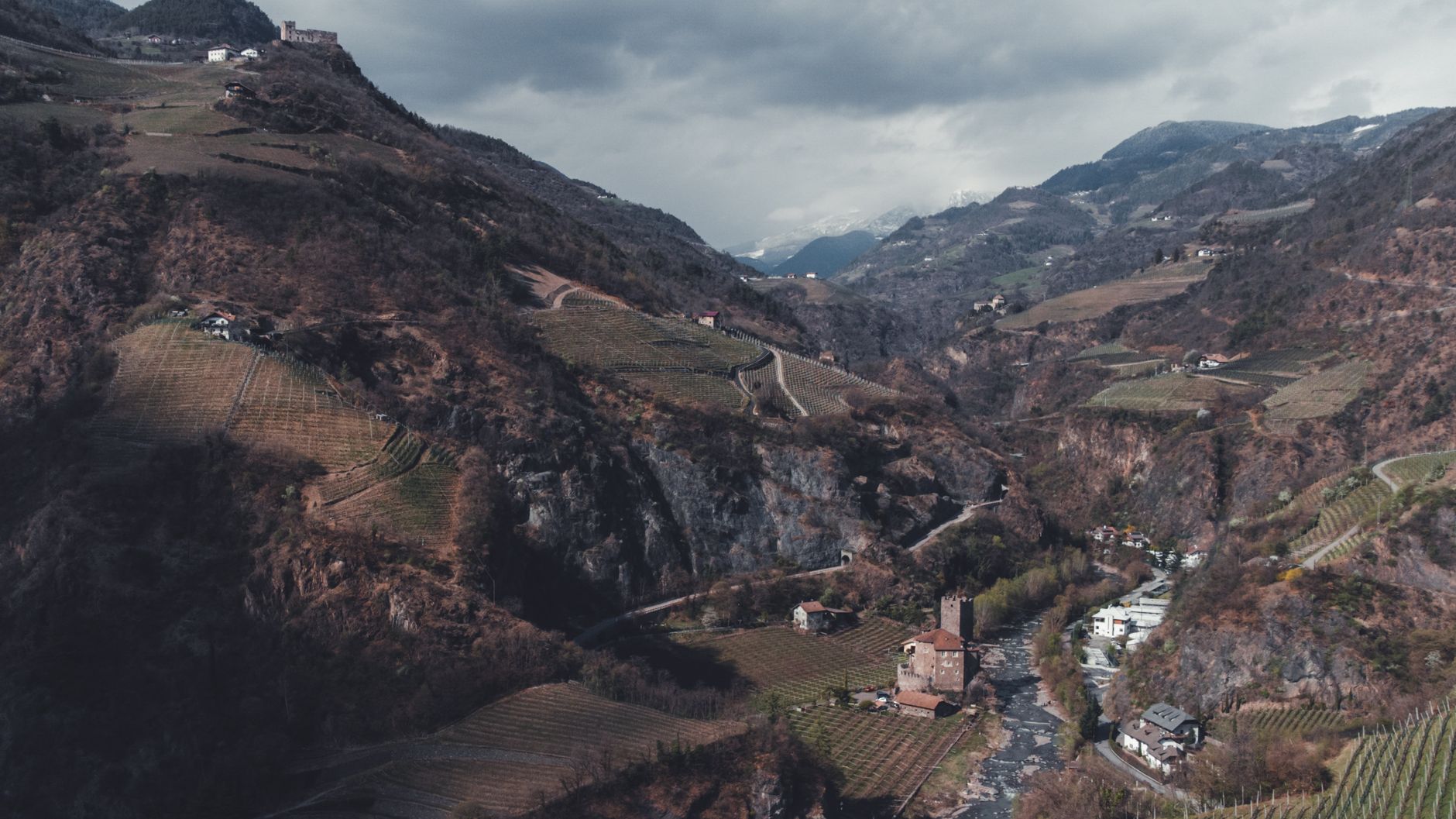
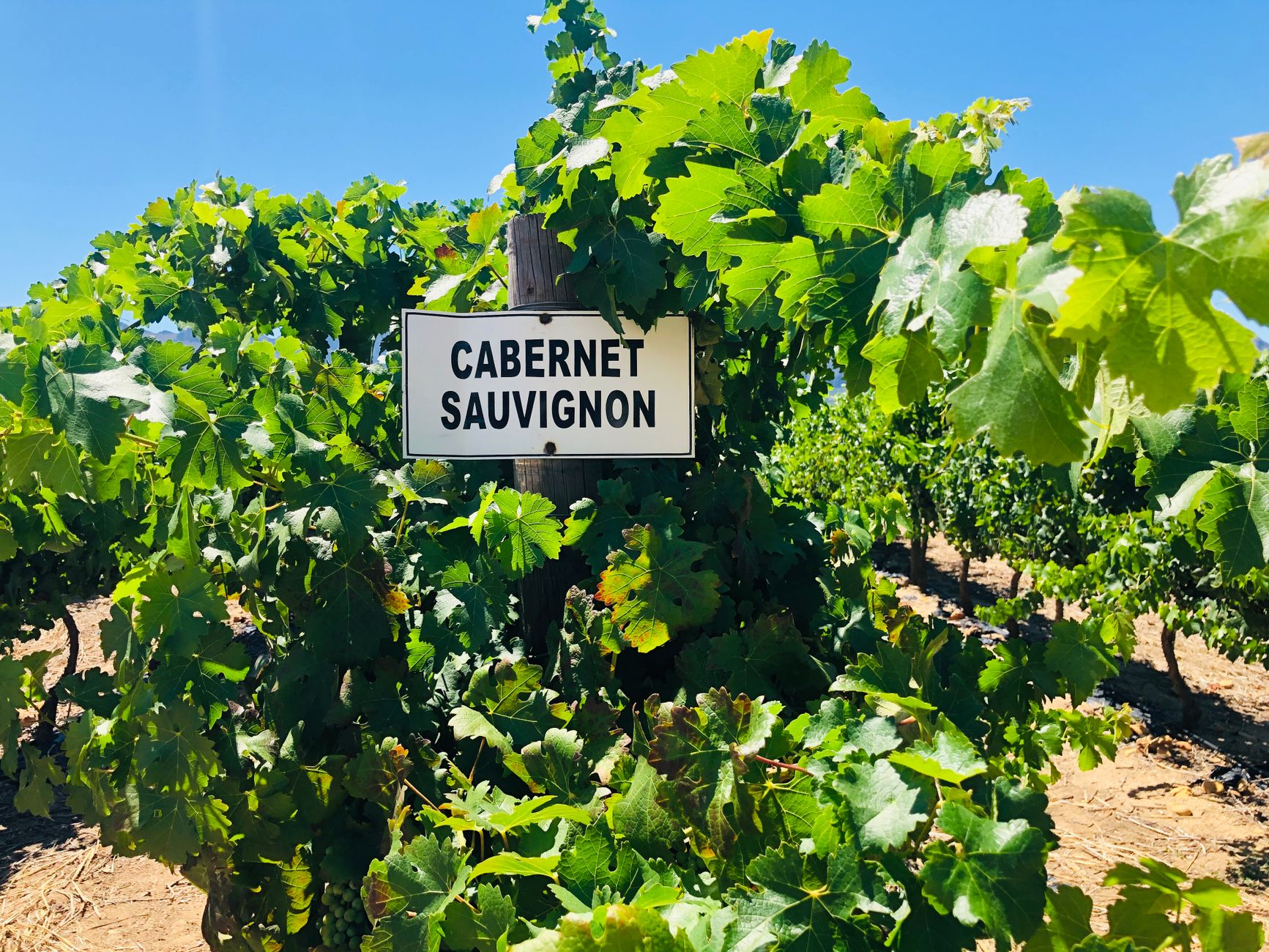
France's largest wine region stretches across the entire Mediterranean south — bigger than Bordeaux and Burgundy combined. Yet ask most wine drinkers to name a single Languedoc producer, and the room goes quiet. That silence is your opportunity: world-class wines, ancient vines, and serious craftsmanship at prices that would be impossible anywhere else in France.
The Landscape: Mediterranean Sun and Ancient Vines
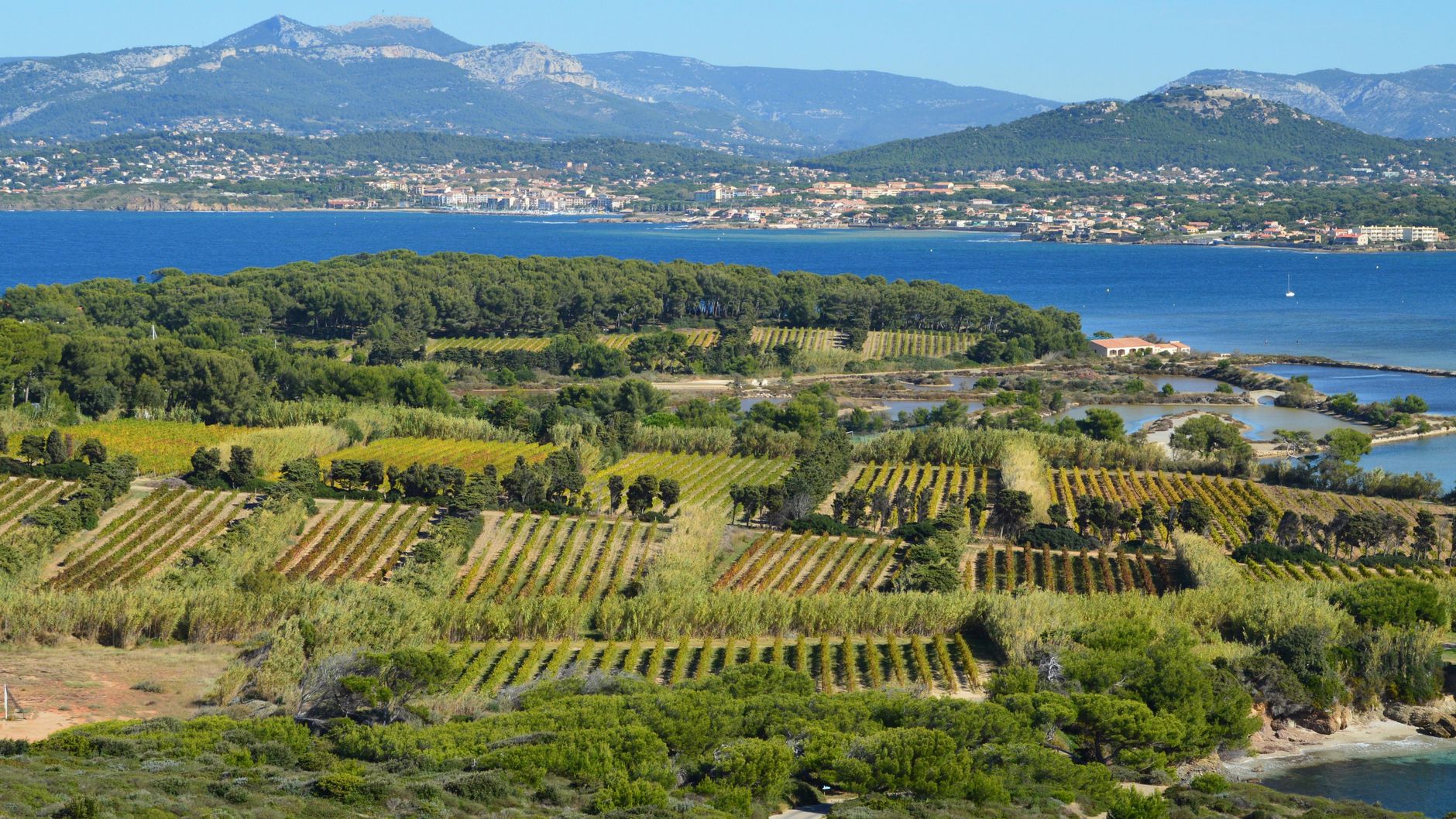
Languedoc-Roussillon sweeps from the Rhône Delta in the east to the Spanish border in the west, a crescent of garrigue scrubland, limestone hills, and coastal plains baked by almost relentless Mediterranean sunshine. The Romans planted vines here. So did the Greeks before them. The region's vine age — many plots over 80 years old, some pushing a century — is one of its most underappreciated assets.
Old vines produce less fruit, but that fruit is concentrated. The roots push deep through clay and limestone into the cool subsoil, giving the wines a mineral tension that pure sunshine alone cannot produce. What you get in the glass is the rare combination of Mediterranean warmth and genuine depth: wines that are ripe and generous but not flat, with structure that lets them age surprisingly well.
Mediterranean Climate
300+ days of sunshine per year. Low rainfall. The Tramontane and Cers winds keep humidity in check and protect against rot — natural disease pressure is minimal.
Old Vine Heritage
Among the oldest-planted vineyards in France. Grenache, Carignan, and Mourvèdre vines planted before World War II are common, producing small, intensely flavoured yields.
Diverse Terroir
Limestone, schist, clay, sandy plains, and volcanic soils — sometimes within the same estate. This geological variety is why the region produces such a wide range of styles.
The dominant grape varieties tell you everything about the region's character. Grenache brings red fruit, spice, and body. Syrah adds structure, dark pepper, and that signature northern-Rhône elegance when grown on the region's higher, cooler slopes. Mourvèdre — earthy, meaty, sometimes almost savage in youth — contributes backbone and ageing potential. Blended together in the classic GSM style, they produce wines that punch well above their price class.
Sub-Regions Explained
Languedoc-Roussillon is not a monolith. Within its enormous footprint are several appellations with genuinely distinct identities, each worth knowing by name.
| Appellation | Terrain | Style | Key Grapes |
|---|---|---|---|
| Pic Saint-Loup | Limestone massif, elevation up to 600m | Elegant, cooler-climate reds; fresh rosé | Syrah, Grenache, Mourvèdre |
| Faugères | Schist — the only schist AOP in Languedoc | Mineral, structured, excellent for ageing | Syrah, Grenache, Carignan |
| Minervois | Limestone plateau, some clay | Round, generous, reliable value | Grenache, Syrah, Carignan |
| Corbières | Rugged hills, varied soils, coastal influence | Robust, warming, full-bodied | Carignan, Grenache, Syrah |
| Pézenas | Limestone and clay, continental influence | Rich, textured; often the region's most complete reds | Mourvèdre, Grenache, Syrah |
Pic Saint-Loup is the one to reach for when you want Languedoc elegance — its altitude brings freshness that keeps even the richest Grenache blends alive. Faugères is the most geologically distinctive, sitting on a seam of dark schist that imprints a smoky minerality on everything grown there. Minervois is the everyday workhorse of the region: consistent, approachable, and almost always fairly priced. Corbières, the largest of the appellations, can be wild and uneven but at its best produces wines of real character. And Pézenas — still under the radar even among Languedoc enthusiasts — is where you find the richest, most structured expressions, particularly from older Mourvèdre vines.
The IGP Pays d'Oc Advantage
Beneath the AOP appellations sits a classification that has quietly changed the French wine landscape: IGP Pays d'Oc (Indication Géographique Protégée). Think of it as the creative freedom zone of French wine — where producers are not bound by appellation rules about which grapes they can use or how they must blend them.
The result? You can find a genuinely excellent single-varietal Chardonnay, Cabernet Sauvignon, Pinot Noir, or Merlot grown in the south of France, at a fraction of what the same grape variety costs from Burgundy or Bordeaux. The sunshine and old-vine concentration are there. The AOP price premium is not.
🍷 Sommelier's Note
IGP Pays d'Oc is one of the most useful categories for building a wine list on a budget. The classification allows producers to put the grape variety front and centre on the label — something traditional French AOPs rarely do — which makes them immediately readable for customers more accustomed to New World labelling.
The quality ceiling has risen dramatically over the past decade. Producers who started in the IGP tier are now winning international medals with single-varietal wines that compete seriously with bottles at twice the price from more famous regions.
For the Bangkok wine buyer, the Pays d'Oc tier is especially practical: the wines are accessible in style, clearly labelled by grape, and hold up well to the full spectrum of Thai cuisine — from light seafood dishes to richly spiced meat preparations. They offer genuine French provenance without demanding that your guests already know their Minervois from their Montpeyroux.
The warm, generous character of Languedoc reds comes from Mediterranean sunshine combined with old-vine concentration — a combination that makes them compelling at almost any price point.
Gérard Bertrand and the Rise of Languedoc
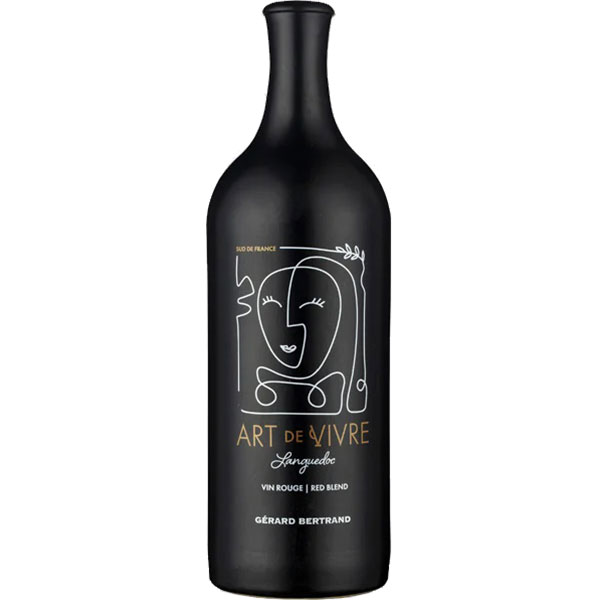
No single name has done more to put Languedoc wine on international restaurant lists than Gérard Bertrand. A former rugby player turned winemaker, Bertrand grew up in the region and returned to make it his mission to prove that the south of France could produce world-class wine — not just cheap plonk for summer drinking.
His approach works on two levels simultaneously. At the premium end, his estate wines from Corbières and Roussillon compete with the best bottles from anywhere in France. But it is his approachable, reliably excellent range of IGP Pays d'Oc and regional Languedoc wines that has changed buying habits at scale — putting Languedoc on wine lists in London, New York, Tokyo, and Bangkok.
Bertrand's genius was making Languedoc legible to the world: wines that speak clearly, carry their terroir honestly, and never ask more of the drinker than they are ready to give.
His commitment to biodynamic viticulture across his estates has also shifted the conversation around quality. When a major commercial producer moves to biodynamics — not as a marketing exercise but as a genuine farming philosophy — it signals that the region's terroir is worth protecting. It has encouraged smaller producers to follow, quietly raising the quality floor across Languedoc.
For buyers exploring the region for the first time, Bertrand's wines serve as an excellent entry point: consistent, well-made, and representative of what Languedoc does best at each price tier.
Bottles to Start With
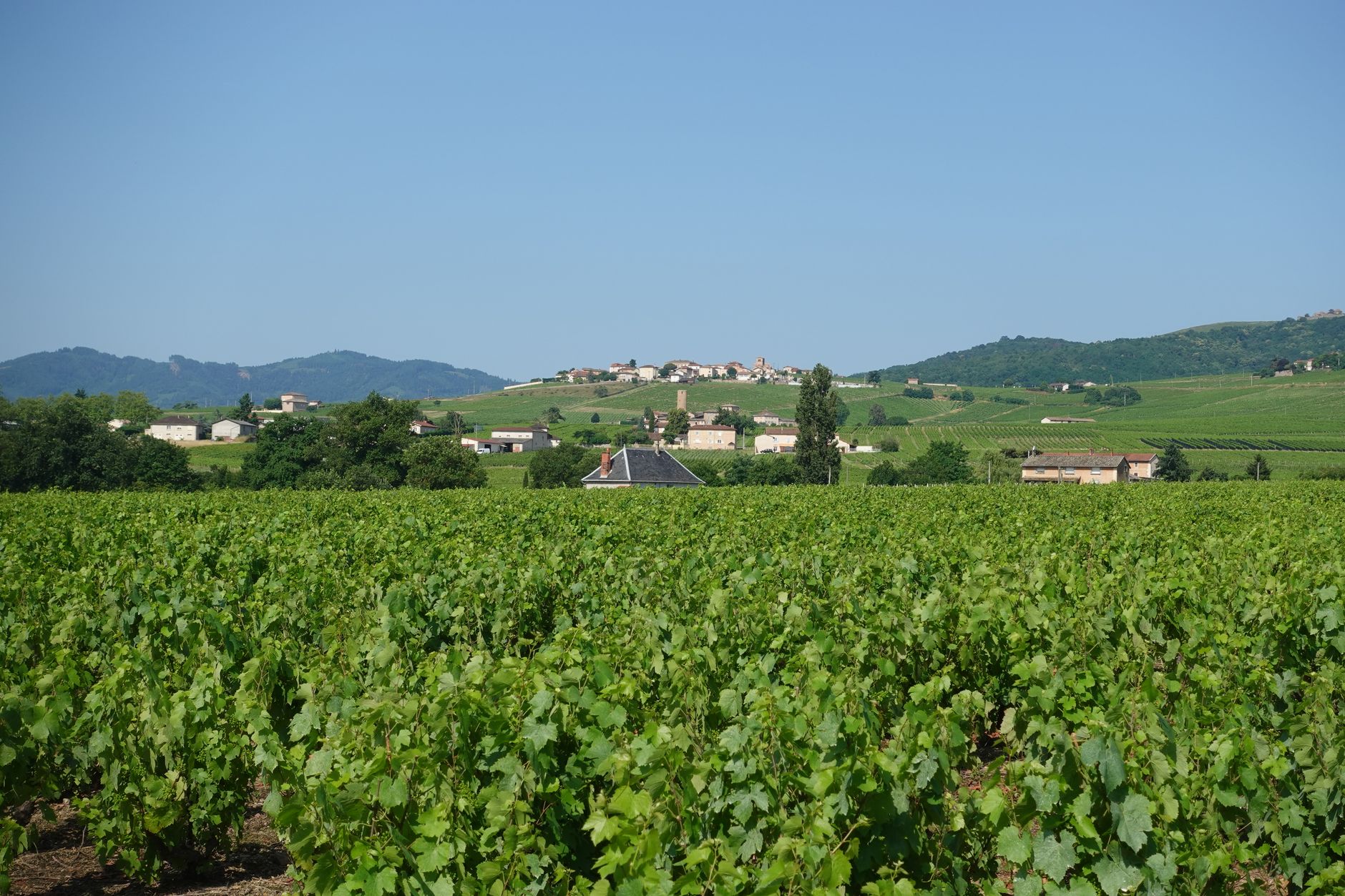
These six wines are our starting point for anyone building a Languedoc cellar in Bangkok. They cover the full range: a structured Cabernet-Syrah blend, a bright international Cab, a Pinot Noir for the Burgundy-curious, a Chardonnay that overdelivers for its price, a serious rosé, and a biodynamic Syrah on sale right now. All are available at WNLQ9.
🍇 Red Wines
Grange Mazan Cabernet Syrah Pays d'Oc IGP is a textbook example of what the Pays d'Oc classification was designed to produce: a Southern French take on a classic blend, with dark fruit from the Cabernet and peppery spice from the Syrah, all held together by the warmth of the Mediterranean sun. At ฿590, it is arguably the most versatile food wine in this list — comfortable alongside a beef stir-fry or a slow-braised pork dish.
The Reserve St Martin Cabernet Sauvignon (฿659) comes from one of the Languedoc's most respected négociant houses. This is a no-nonsense Cab: dark plum, cedar, and a touch of tobacco leaf, with tannins that are present but not aggressive. It sits comfortably alongside any occasion where you would normally reach for a mid-range Bordeaux — at a price Bordeaux cannot match.
The Reserve St Martin Pinot Noir (฿659) is the bottle that surprises people most. Languedoc is not Burgundy — and this wine does not try to be. What it offers instead is Pinot with Southern warmth: strawberry and cherry fruit, soft tannins, and a round, easy-drinking character that works beautifully slightly chilled. A reliable crowd-pleaser at a gathering where tastes vary.
🥂 White Wine
The Reserve St Martin Chardonnay (฿659) is a case study in what the Pays d'Oc classification makes possible. Languedoc sunshine gives the Chardonnay full ripeness; the absence of Burgundy price pressure keeps it honest. The result is a fresh, unoaked Chardonnay with stone fruit and citrus, clean and bright, that works equally well as an aperitif or alongside seafood and lighter Thai dishes.
🌸 Rosé
Domaine L'Ostal Cazes Rosé (฿679) comes from the Minervois — one of the best rosé-producing corners of the south — and shows exactly why Languedoc rosé deserves more attention than Provence gets all the credit for. This is a pale, dry rosé with delicate strawberry and citrus blossom, genuine freshness, and a clean, mineral finish. Serve well chilled. It disappears fast.
⭐ Editor's Pick: On Sale Now
Gérard Bertrand Naturalys Syrah (฿775, currently on sale) is the most serious bottle in this selection, and the one we would choose if we had to pick just one. Naturalys is Bertrand's biodynamic range, farmed without synthetic inputs and made with minimal intervention in the cellar. The Syrah here is dense and fragrant: black olive, violet, smoked meat, and a long finish with genuine grip. It drinks well now but will improve for another three to five years.
🍷 Sommelier's Recommendation
If you are new to Languedoc, start with the Grange Mazan Cabernet Syrah — it is the most versatile of the six and gives you a clear taste of the region's southern-French identity at the lowest entry point. Once you are hooked (and you will be), move to the Bertrand Naturalys Syrah for the full picture.
Keep reading: Orange Wine · Champagne for Celebrations · all Wine stories.
Frequently Asked Questions
Is Languedoc wine good quality?
Absolutely — and the quality gap between Languedoc and more famous French regions has narrowed dramatically over the past two decades. The region has some of the oldest vines in France, genuinely diverse terroir (limestone, schist, clay, volcanic soils), and a new generation of serious producers committed to quality over volume. At the AOP level — appellations like Pic Saint-Loup, Faugères, and Pézenas — Languedoc produces wines that compete with the best of the Rhône and Provence. At the IGP Pays d'Oc level, it offers some of the most reliable quality-to-value wines produced anywhere in the world.
What is IGP Pays d'Oc?
IGP stands for Indication Géographique Protégée — a European classification below AOP (Appellation d'Origine Protégée) that offers producers greater flexibility over which grape varieties they can use and how they label their wines. Pays d'Oc covers the entire Languedoc-Roussillon region. Because IGP rules allow single-varietal labelling (Merlot, Chardonnay, Cabernet Sauvignon, Pinot Noir), these wines are more accessible to international buyers who prefer to choose by grape rather than by appellation. The classification covers over 300 million bottles per year, making it the most important IGP in France — and one of the most commercially significant wine categories in the world.
What grape varieties grow in Languedoc?
The traditional Languedoc varieties are Grenache, Syrah, Mourvèdre, and Carignan for reds and rosés, with Grenache Blanc, Roussanne, Marsanne, and Viognier for whites. At the IGP Pays d'Oc level, producers can also grow international varieties including Cabernet Sauvignon, Merlot, Chardonnay, Sauvignon Blanc, and Pinot Noir. This combination of southern French heritage varieties and international grapes makes Languedoc one of the most versatile wine regions in France — there is a style here for almost every palate and occasion.
What is the best Languedoc wine under ฿1,000?
Our top recommendation under ฿1,000 is the Gérard Bertrand Naturalys Syrah (฿775 on sale) — a biodynamic Syrah with genuine complexity and ageing potential that would cost two or three times as much from the northern Rhône. For everyday drinking, the Grange Mazan Cabernet Syrah (฿590) offers the most versatility at the lowest price. And if you want something you can open for guests without explanation — something that will please red wine drinkers and hesitant wine drinkers alike — the Reserve St Martin Pinot Noir (฿659) is our safe, reliable pick.