You asked for "something different" and the bartender brought you a glass of wine that looked like iced tea. No, it hasn't gone off. Welcome to orange wine — one of the most misunderstood, most exciting categories in the glass right now.
What exactly is orange wine?
Despite the name, orange wine contains zero oranges. It's made from white wine grapes — Pinot Grigio, Gewurztraminer, Grenache Blanc, or dozens of others — but vinified in a way that was standard practice thousands of years ago and is only now coming back into fashion.
The short version: orange wine is white wine made like red wine. In conventional white winemaking, the grape skins are discarded almost immediately after pressing. In orange wine production, the skins stay in contact with the juice for an extended period — hours, days, sometimes months. That contact with the skins is what gives the wine its amber-to-copper hue, its tannins, and its distinctive flavour profile.
It is not rosé (which uses red grapes briefly). It is not oxidised white wine that's gone wrong. It's a deliberate, ancient technique that Georgia (the country, not the state) has practised in clay amphorae called qvevri for over 8,000 years.
How it's made: skin-contact maceration
The key process is called skin-contact maceration, and the duration of that contact shapes everything about the finished wine.
After harvest, white grapes are crushed and the juice is left in contact with the skins — and often the seeds and stems — rather than being separated immediately. The winemaker chooses how long to leave them together:
- A few hours to 24 hours: light amber colour, delicate tannins, still feels close to a conventional white wine
- Several days to two weeks: deeper copper-orange colour, noticeable grip on the palate, dried stone fruit and tea notes
- One to six months (or longer): intense amber, bold tannins, highly textured — the full "skin-contact" experience you get from Georgian qvevri wines
During maceration, the skins release tannins (the same compounds that give red wine its structure), phenolic compounds that contribute to colour, and compounds that develop into the characteristic dried fruit and oxidative notes orange wine is known for.
Sommelier note: Not all orange wines are made in amphora. Many producers use stainless steel, concrete, or oak barrels for the maceration phase. What makes a wine "orange" is the skin contact, not the vessel.
What does it taste like?
Orange wine occupies a genuinely unique sensory space — it doesn't taste like white wine, and it doesn't taste like red wine.
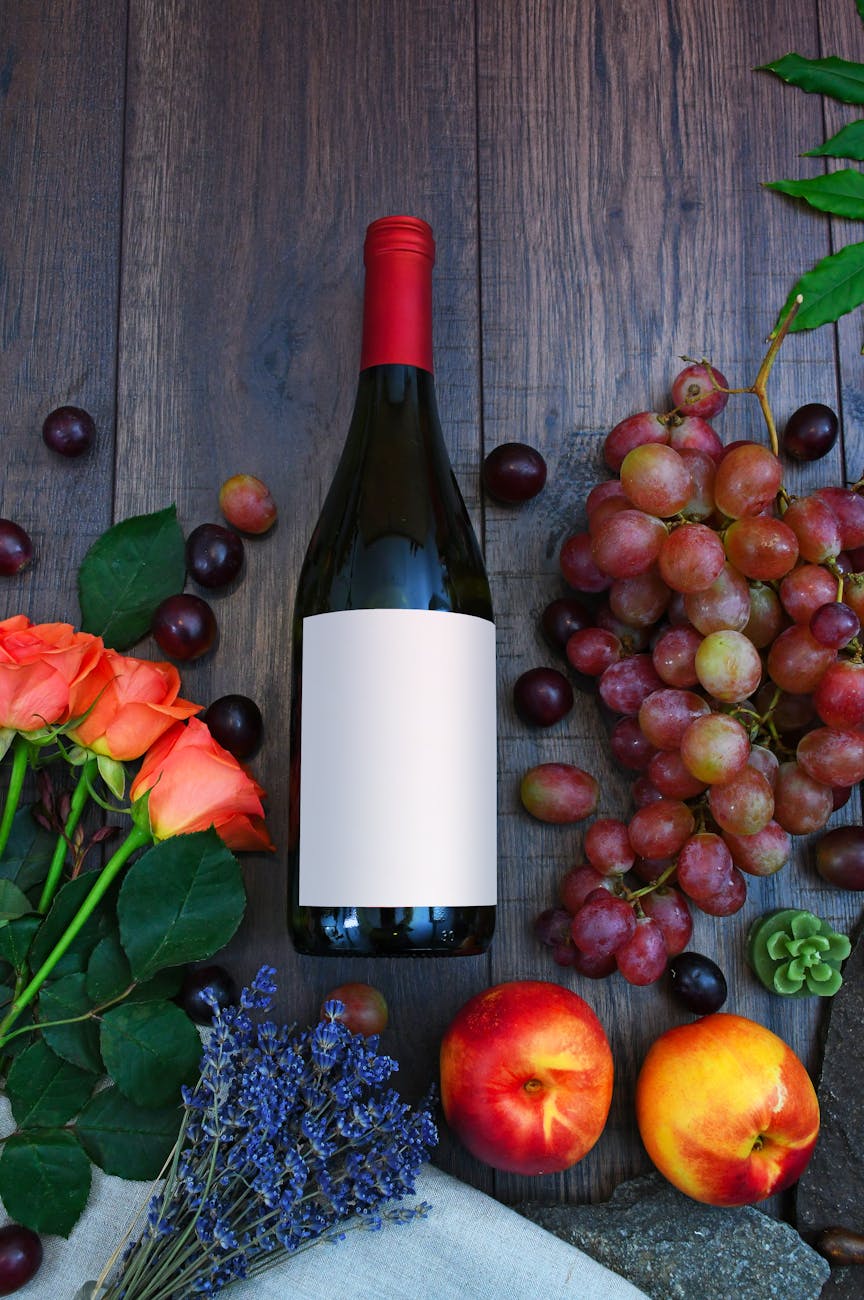 The amber spectrum: skin-contact whites range from pale gold (brief maceration) to deep copper (months on skins)
Colour. Ranging from pale amber to deep burnished copper, depending on maceration time and grape variety. Hold it up to the light — the colour alone is striking enough to start a conversation.
Texture and tannin. This is the defining surprise: a white wine with tannins. Not the grippy, cheek-drying tannins of a young Cabernet Sauvignon, but a gentle, coating grip — more like a soft black tea. The phenolic structure gives orange wine a presence on the palate that makes it satisfying with food rather than just a drink in itself.
Flavour profile. Expect notes of dried apricot, orange peel, quince, dried mango, and honey. There's often a savoury, almost nutty undercurrent — walnut skins, chamomile, white pepper. More complex examples develop oxidative notes similar to dry sherry or fino amontillado. Fresh, juicy white wine this is not — and that's precisely the point.
Acidity. Despite the tannin and richness, good orange wine retains lively acidity. It's that interplay — structure from tannin, freshness from acid — that makes it so food-friendly and keeps it from feeling heavy.
Why Bangkok is the right city to try it
Orange wine is having its moment globally, but Bangkok's dining scene has particular reasons to embrace it.
The natural wine scene is growing fast. Natural wine bars like Walden, Teens of Thailand, and a wave of neighbourhood spots have introduced Bangkok diners to funky, low-intervention bottles. Orange wine fits naturally into that conversation — it often comes from the same producers, uses the same philosophy of minimal intervention, and appeals to the same curious palate.
It works remarkably well with Thai food. This is the practical argument. Thai cuisine is built on umami-rich, often fermented flavours — fish sauce, shrimp paste, fermented soybean, and the bright acid of lime and lemongrass. White wine can get lost next to those flavours; red wine can fight them. Orange wine, with its tannin, its dried fruit notes, and its own slight oxidative character, stands up to the complexity without overwhelming it.
- Somtam: the acidity and tannin structure of orange wine mirrors and complements the sour-salty dressing
- Laab: the aromatic herb profile in the wine echoes the mint and cilantro in the dish
- Massaman or Panang curry: the dried fruit notes in the wine harmonise with the warm spice
- Grilled fish (pla pao): a textured orange wine is a more interesting pairing than the usual crisp white
Bangkok's heat is also relevant. Orange wine, served slightly cool (12–14°C is ideal, not ice-cold) drinks well in warm weather in a way that heavy reds don't. Think of it as the thinking person's warm-weather wine.
Bottles to try right now
These four bottles cover a range of styles and price points — from a classic Italian Ramato to a Languedoc skin-contact Grenache. All available at WNLQ9.
Monfort Pinot Grigio Ramato Vigneti Dolomiti IGT — ฿1,000
The original orange wine before anyone called it that. "Ramato" — meaning copper-haired in Italian — is the traditional Friulian style of Pinot Grigio left on its pinkish-copper skins. Expect light tannin, peach skin, and fresh acidity. The ideal entry point into the category, and the most approachable bottle here for someone trying orange wine for the first time.
Jeff Carrel Grenache Under My Skin — ฿1,400
From Languedoc, Jeff Carrel — one of the south of France's most inventive winemakers — leaves Grenache Blanc on its skins for extended maceration. The result is textured and warm, with ripe apricot, orange marmalade, and a savoury mineral finish that pairs brilliantly with anything coming off a Thai charcoal grill.
Tikal Natural Organic Red Blend — ฿1,600
Biodynamic farming, organic certification, and a natural winemaking philosophy from Argentina's Mendoza. This blend shows how natural winemakers approach skin contact as part of a broader commitment: nothing added, nothing taken away. Rich, earthy, and complex — good for adventurous drinkers wanting to go deeper.
Gérard Bertrand Naturalys Syrah — ฿775 (sale)
Organic from Languedoc's Gérard Bertrand, who has championed natural-approach winemaking at scale. The Naturalys range is a gateway to low-intervention winemaking for those not quite ready to commit to the full skin-contact deep end. Honest fruit, light touch, and the best value of this selection.
Keep reading: Piedmont · Wine & Thai Spice · all Wine stories.
FAQ
Is orange wine actually orange?
Not exactly — but it's in the neighbourhood. The colour ranges from pale amber and old-gold through copper, burnished bronze, and occasionally a light rust. The name is more of a gesture toward that warm spectrum than a precise colour match. A brief maceration produces something closer to deep yellow; months of skin contact can produce a wine that genuinely looks orange in the glass. Either way, it's unmistakably different from a conventional white wine.
Is orange wine sweet?
No. Orange wine is almost always dry — in fact, the tannins and oxidative character tend to make it feel even drier than a conventional white wine. The dried fruit flavours (apricot, quince, mango) can suggest sweetness on the nose, but on the palate, the wine finishes dry and structured. If you find sweetness in an orange wine, it's from aromatic ripeness in the grape, not residual sugar.
Does orange wine go with Thai food?
Better than most wines, yes. Thai cuisine's bold umami flavours, fermented elements, and aromatic herbs can overwhelm delicate white wines and fight with tannic reds. Orange wine sits in the middle: enough structure to hold its own next to fish sauce and shrimp paste, enough dried fruit and spice character to complement galangal, lemongrass, and chilli, and enough acidity to cut through richness. Try it with somtam, laab, grilled fish, or even a mild massaman curry.
Where can I buy orange wine in Bangkok?
WNLQ9 delivers across Bangkok, and the bottles featured in this article are all in stock and ready to ship. Natural wine bars across the city — particularly in the Ari, Silom, and Thonglor areas — often carry small selections of orange and skin-contact wines if you'd prefer to try before you buy. But the easiest starting point is ordering one of the bottles above and opening it with dinner at home.
Orange wine is one of those categories that rewards curiosity. Pour it slightly cool, give it a few minutes in the glass, and try it with food rather than on its own — that's when it makes the most sense.