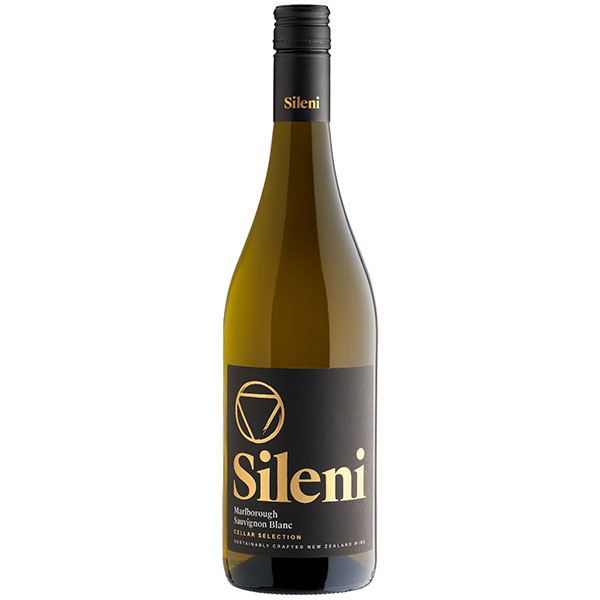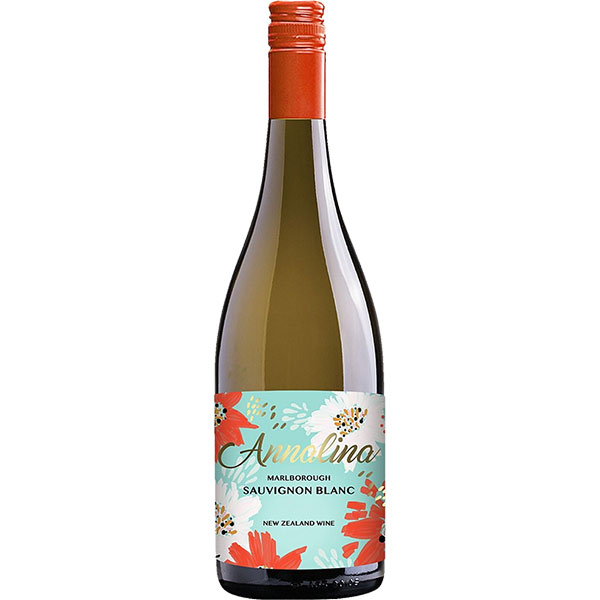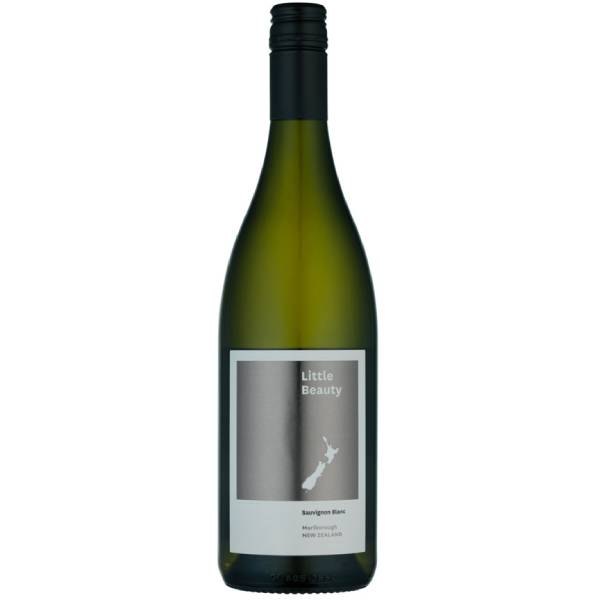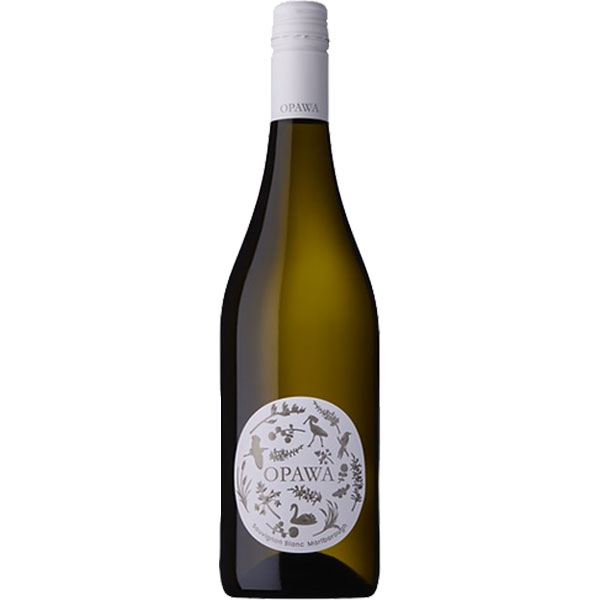
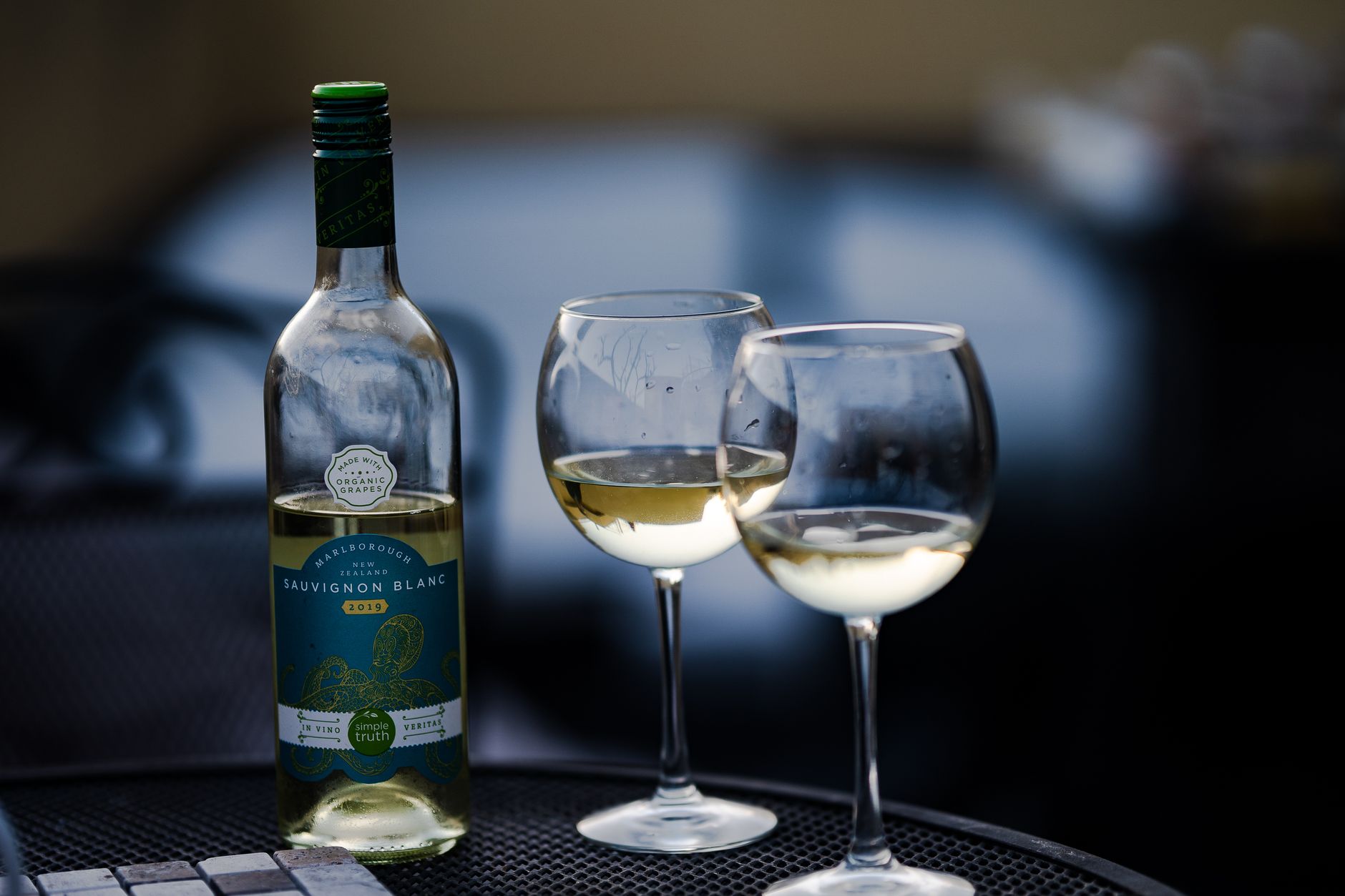
Order a glass of white wine at almost any Bangkok restaurant, and there's a strong chance Marlborough Sauvignon Blanc arrives at your table. It isn't an accident. This grape, from this region of New Zealand, has become Bangkok's house white — and for good reasons that go beyond marketing.
Here's the full story.
How Marlborough Became the World's Benchmark
Marlborough, at the northeastern tip of New Zealand's South Island, was planted with Sauvignon Blanc for the first time in 1973. By the late 1980s, Cloudy Bay's 1985 vintage had made international wine critics pay attention. By the 1990s, Marlborough Sauvignon Blanc was a global phenomenon.
What the region does is not mysterious. The Wairau Valley floor receives intense sunshine — more UV at these latitudes than comparable European wine regions — which drives rapid sugar development in the grapes. At night, cold air flows down from the Kaikōura mountains, preserving the natural acidity. The result is a grape that is simultaneously ripe and razor-sharp: tropical fruit intensity balanced by a citric backbone that keeps the wine refreshing rather than flabby.
The style was new. Loire Valley Sauvignon Blanc (Sancerre, Pouilly-Fumé) is mineral, restrained, and herbaceous. Marlborough came at you with passion fruit and capsicum. Wine drinkers who found Sancerre austere found Marlborough immediately approachable. The rest is market share.
 The Wairau Plain in Marlborough: flat river valley, intense UV, cold nights — the combination that produces the style Bangkok knows.
The Flavour Profile: What You're Actually Tasting

Marlborough Sauvignon Blanc has a signature that no other region reliably replicates:
- Tropical fruit: passion fruit, guava, fresh pineapple
- Citrus: grapefruit, lime zest, lemon
- Herbaceous: cut grass, green capsicum (bell pepper), fresh basil
- Texture: bone dry, high acidity, medium-light body
The capsicum and grass notes come from a compound called methoxypyrazine — it's present in higher concentrations in cool-climate Sauvignon Blanc. Marlborough's cold nights preserve it. Warmer-climate Sauvignon Blancs (parts of Chile, California) tend to be less herbaceous and more purely tropical.
The acidity is the structural backbone. It's why the wine feels clean and bright rather than heavy. It's also why it pairs so effectively with food — especially in Bangkok's climate, where a high-acid cold white wine is genuinely refreshing in a way that a low-acid white simply isn't.
Why It Works in Bangkok's Heat

Bangkok's climate is the perfect argument for Marlborough Sauvignon Blanc. At 33–36°C with humidity above 70%, your palate wants:
- Cold temperature — Sauvignon Blanc is served at 8–10°C, colder than most whites
- High acidity — cuts through heat and refreshes
- No heavy oak — most Marlborough Sauvignon Blanc sees zero oak, keeping the wine light
- Aromatic intensity — the tropical aromatics come through clearly even when cold
A heavy, oaked Chardonnay in Bangkok heat can feel oppressive. A Marlborough Sauvignon Blanc feels like air conditioning in a glass.
The Range: Entry to Premium

Brancott Estate (฿599) is the entry-level Marlborough benchmark. Brancott was the original brand from the company that planted the first Sauvignon Blanc vines in Marlborough — they know this grape. Expect clean tropical fruit and fresh cut grass at an honest price.
Pa Road (฿620) is a Marlborough specialist from a small producer with single-vineyard focus. More herbaceous and mineral than the Brancott — a slightly more serious expression at a marginal price increase.
Matua (฿695) is another Marlborough stalwart — clean, aromatic, reliable. The tropical notes are more forward here; slightly richer than Pa Road, still firmly in dry territory.
Villa Maria Private Bin (฿749) is our top recommendation at this tier. Villa Maria is one of New Zealand's most award-decorated wineries. The Private Bin range consistently outperforms its price — expect passion fruit and lime zest with a long, clean finish. This is the bottle to reach for when you want to impress without spending over ฿800.
Wither Hills (฿799) comes from a single large estate in the Wairau Valley. The estate-grown quality shows — slightly more textured and complex than the entry options, with a broader mid-palate.
Spy Valley (฿909) is the step up into premium Marlborough. Named after the government surveillance installations near their vineyard, Spy Valley makes precise, layered Sauvignon Blanc with real length. If you're hosting a dinner where the wine matters, this is the move.
Marlborough vs Loire Valley Sauvignon Blanc
| Style | Region | Flavour | Acidity | Price in Bangkok |
|---|---|---|---|---|
| Marlborough | New Zealand | Tropical fruit, passion fruit, capsicum | Very high | ฿599–฿909+ |
| Sancerre | Loire, France | Mineral, gunflint, citrus, chalk | High | ฿1,500–฿3,500+ |
| Pouilly-Fumé | Loire, France | Smoke, flint, lemon, pear | High | ฿1,800–฿4,000+ |
The Loire style is not "better" — it's different. Sancerre is more restrained and mineral; it rewards attention and pairs beautifully with oysters and goat's cheese. Marlborough is more immediately expressive and food-flexible. At Bangkok price points, the Marlborough range offers vastly more value per baht.
Food Pairings in Bangkok Context
Marlborough Sauvignon Blanc is one of the most food-flexible whites you can order. In Bangkok specifically:
Thai seafood — the acidity cuts through the richness of crab, prawn, and shellfish. The herbaceous notes complement fresh herbs like coriander, kaffir lime, and Thai basil. A plate of pla nueng manao (steamed fish with lime and chillies) and a Spy Valley is a legitimate pairing moment.
Som tum (papaya salad) — controversial pick, but the tropical fruit notes in the wine echo the green papaya and lime. The acidity holds its own against the chilli heat. Order the wine cold.
Grilled fish — whole fish or fillets, any preparation. Salt-grilled fish from a street stall or a plated sea bass from a fine-dining restaurant — Marlborough handles both.
Light salads — green salads, yam (Thai salads) with fresh vegetables, anything herb-forward.
What to avoid: red meat, rich curries (massaman, panang), or anything heavily sweet. The wine's delicacy gets lost against big, dominant flavours.
Keep reading: Italian Wine Guide — From Tuscany to Sicily · Cabernet Sauvignon vs. Merlot — What's the Difference? · all Wine stories.
FAQ
Why is New Zealand Sauvignon Blanc so consistent across brands?
Marlborough's climate is unusually consistent compared to European wine regions. The large diurnal temperature variation (hot days, cold nights) reliably produces the tropical-fruit-and-high-acidity profile year after year. Producers also work with well-understood viticulture at this point — 50+ years of trial and error is baked into the farming. The result is a style you can predict from the label with high confidence.
Should I be drinking Marlborough Sauvignon Blanc with ice?
No. Serve it very cold (8–10°C), but not on ice — adding ice dilutes the wine and mutes the aromatics that make it worth drinking. If your bottle is not cold enough, put it in a wine bucket with ice water (not ice alone) for 15 minutes. The proper serving temperature is important; a warm Sauvignon Blanc loses everything interesting about it.
How long does an open bottle keep?
Marlborough Sauvignon Blanc is built for early drinking, not aging. An open bottle in Bangkok's heat will fade fast — recork it, refrigerate it, and drink it within 24 hours. The aromatic compounds that make the wine distinctive (the passion fruit, the capsicum) are volatile and dissipate quickly once exposed to air.
Is there a meaningful difference between the ฿599 and ฿909 options?
Yes. At ฿599 (Brancott) you're getting clean, reliable, entry Marlborough — correct and enjoyable. At ฿909 (Spy Valley) you're getting more texture, better mid-palate weight, and a longer finish. The jump from ฿600 to ฿900 buys real improvement in this category. If you're drinking solo with a meal, the ฿695–฿749 tier is the sweet spot. If you're sharing with someone who cares about wine, spend ฿909.
Can I age Marlborough Sauvignon Blanc?
It's not designed for aging. The wine's signature tropical aromatics fade with bottle age — most Marlborough Sauvignon Blanc is best consumed within 2–3 years of the vintage date. You can find aged examples occasionally, but they transform into something different (more honeyed, less fresh) rather than improving in the traditional sense. Buy it young, drink it cold, repeat.