Every wine shop in Bangkok has both on the shelf. Every beginner wonders which one to pick. The honest answer is: they're more similar than you think, but understanding the difference will make you a more confident buyer. Here's the comparison you actually need.
The Two Grapes
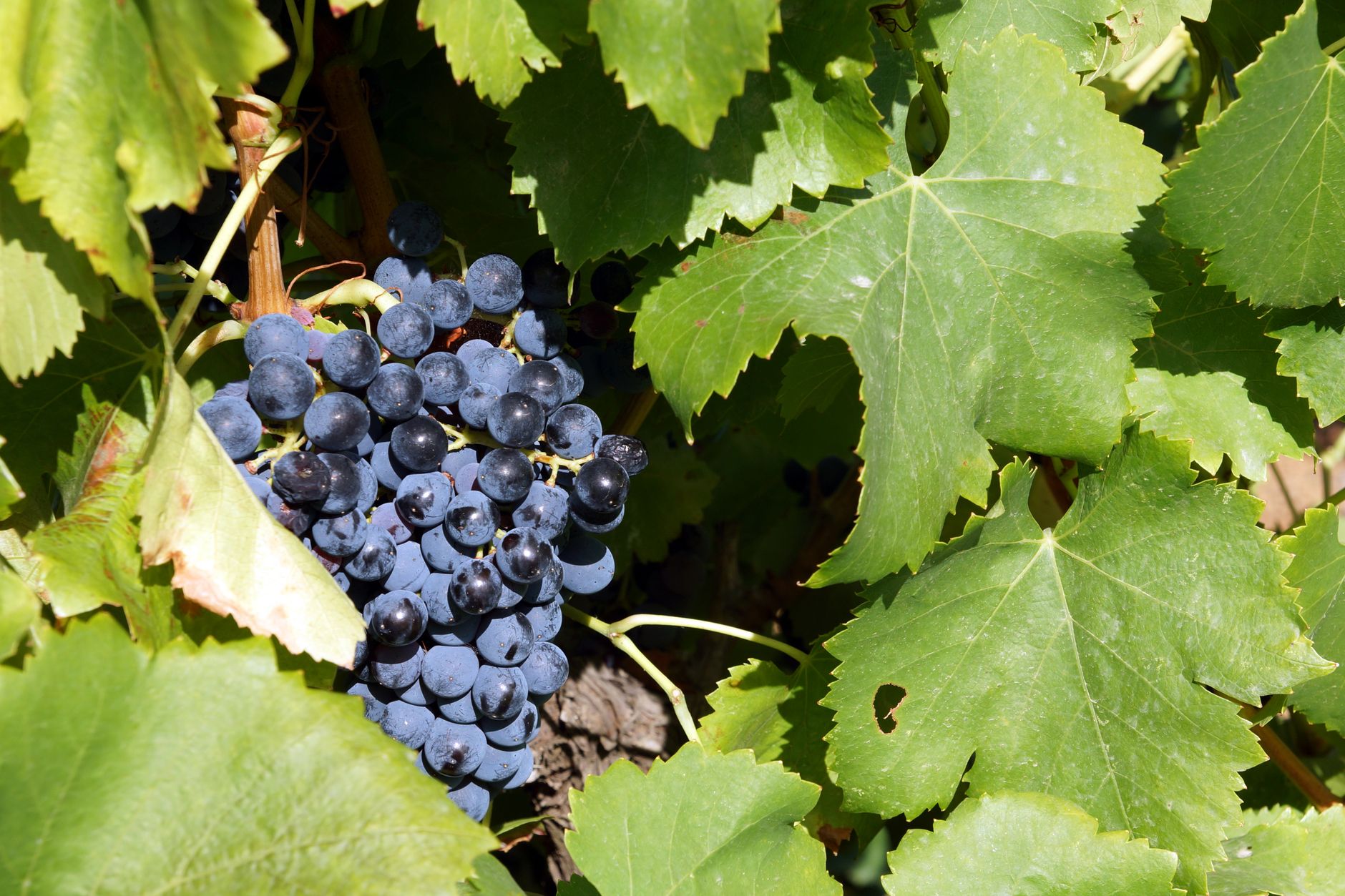
Cabernet Sauvignon and Merlot are both red Bordeaux grapes — they've been grown side by side in southwest France for centuries and are frequently blended together. They share a parent: both are crosses of Cabernet Franc.
Despite their shared origin, they produce strikingly different wines. The key differences come down to skin thickness — a physical characteristic of the grape that drives almost everything else about how the wine tastes.
Cabernet Sauvignon — Structure and Power
 Cabernet Sauvignon has a thick skin relative to most red grapes. Thick skin means more tannin extraction, deeper colour, and longer potential ageing. It also means the grape is late-ripening and needs heat to develop properly.
What it tastes like: blackcurrant (cassis), dark cherry, cedar, tobacco, and graphite in a classic expression. When young, Cabernet can feel tight and grippy on the palate — the tannins form a firm structure that food softens and time resolves. With age, it develops leather, earth, and dried herb notes.
Cabernet Sauvignon is the dominant grape in Left Bank Bordeaux (Médoc, Pauillac, Margaux) and forms the backbone of the world's most collectible red wines.
Wolf Blass Eaglehawk Cabernet Sauvignon (฿395) is the entry-level introduction: reliable, straightforward, delivering the blackcurrant and soft tannin profile that makes the variety accessible at a budget price.
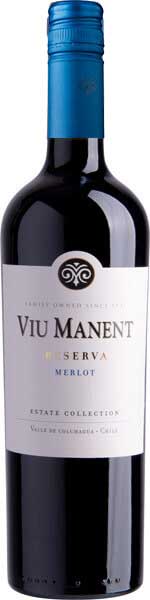
Viu Manent Estate Collection Reserva Cabernet Sauvignon (฿595) from Chile's Colchagua Valley steps up significantly — the cooler vineyard altitude gives more freshness and definition, with dark berry fruit and a clean, structured finish. This is where the variety starts to show its full character.
Mouton Cadet Bordeaux Rouge (฿805) is a Cabernet-dominant Left Bank Bordeaux blend. At this price you're getting the Rothschild name, the Bordeaux AOC appellation, and a wine built in the classic style: firm, food-friendly, understated.
Merlot — Softness and Approachability
 Merlot has a thinner skin than Cabernet Sauvignon. Thinner skin means less tannin, earlier ripening, and a naturally softer texture. Where Cabernet grips, Merlot glides.
What it tastes like: plum, red cherry, chocolate, and dried herbs — rounder and fleshier than Cabernet, with a velvety texture and less of that firm tannic structure. It's the variety most often described as "easy drinking" — not because it lacks complexity, but because its tannins don't demand food or age to resolve.
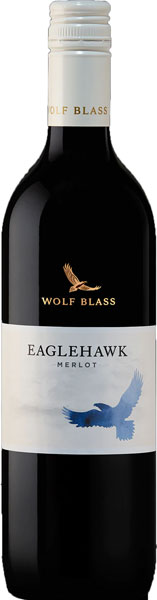
Wolf Blass Eaglehawk Merlot (฿395): Side by side with the Eaglehawk Cabernet at the same price point, you'll taste the difference immediately. The Merlot is softer, the fruit is redder and more rounded, and the finish is shorter and gentler. An honest comparison at zero cost.
Concha y Toro Reservado Merlot (฿449) from Chile is a step up in definition without a significant jump in price. Chile's Central Valley is well-suited to Merlot — warm days build fruit ripeness, cool nights retain the acidity that keeps the wine fresh.
Dourthe Grands Terroirs Saint-Émilion (฿799) is the Merlot benchmark at this price tier. Saint-Émilion is the heart of Bordeaux's Right Bank — the region where Merlot dominates rather than Cabernet. This wine delivers what the variety does at its best: ripe plum, silky texture, and a warmth that makes it immediately pleasant to drink.
Side-by-Side Comparison
| Property | Cabernet Sauvignon | Merlot |
|---|---|---|
| Skin thickness | Thick | Thin |
| Tannin level | High | Medium-low |
| Body | Full | Medium-full |
| Primary fruit | Blackcurrant, dark cherry | Plum, red cherry |
| Secondary notes | Cedar, tobacco, graphite | Chocolate, dried herbs |
| Texture | Firm, grippy | Soft, velvety |
| Best young? | No — needs food or time | Yes — approachable immediately |
| Best aged? | Yes — improves significantly | Moderate — drink within 5-10 years |
| Food pairing | Red meat, aged cheese, lamb | Poultry, pork, pasta, versatile |
| Price at entry level | ฿395 (Eaglehawk) | ฿395 (Eaglehawk) |
How They're Blended in Bordeaux
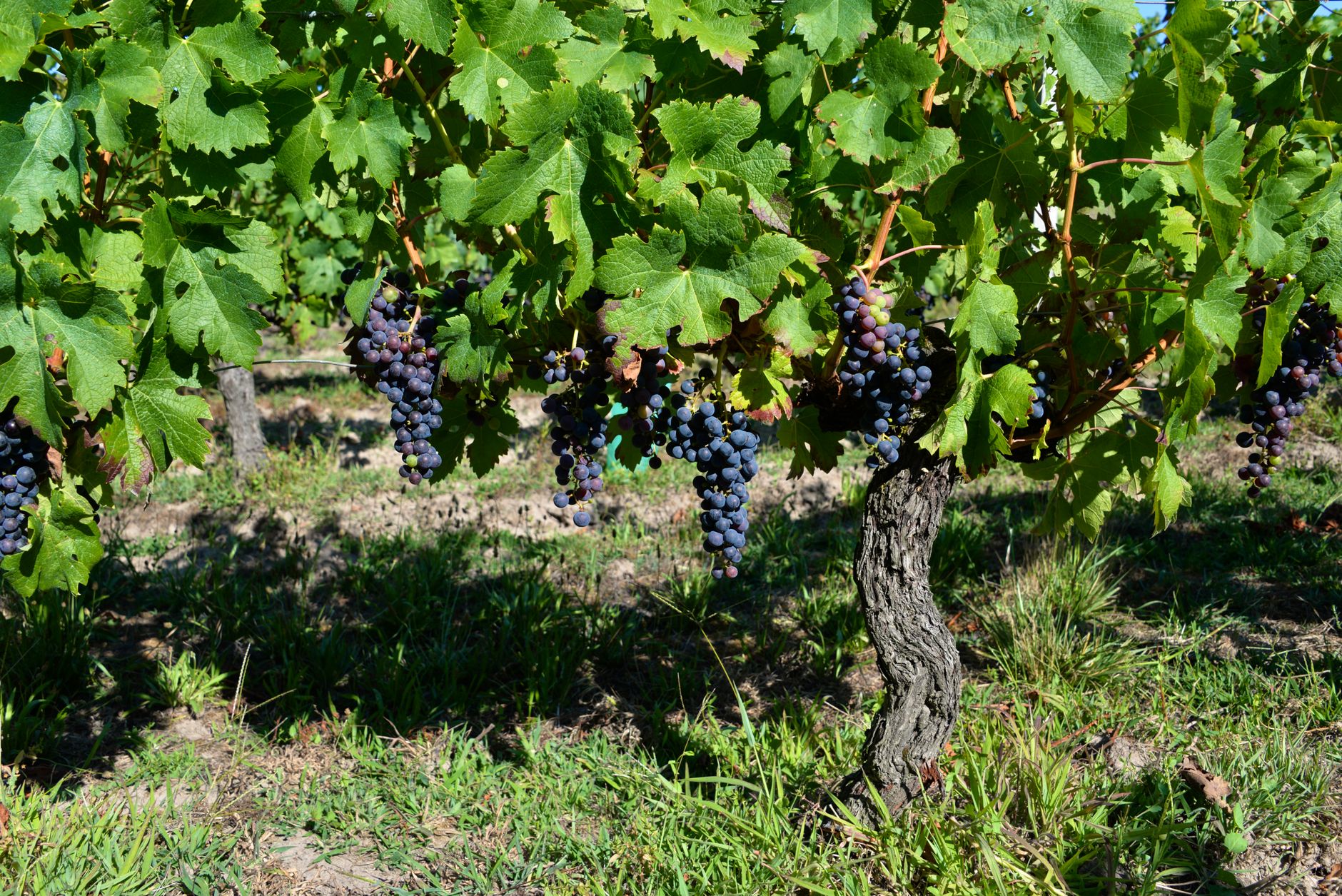
Here's the thing most people don't realise: in Bordeaux — where both grapes originate — they're almost never bottled alone. They're blended, and which grape leads determines the wine's character entirely.
Left Bank Bordeaux (Médoc, Graves, Pauillac) is Cabernet-dominant, typically 60-80% Cab with Merlot softening the tannins. These wines are firmer, more age-worthy, and more expensive.
Right Bank Bordeaux (Saint-Émilion, Pomerol) is Merlot-dominant, with Cabernet Franc often blended in. These wines are softer, more approachable young, and equally serious at the top end. Pétrus — arguably the most famous wine in the world — is essentially 100% Merlot.
Which to Buy in Bangkok, for What Occasion

Drinking tonight, no food planned: Merlot. The softness and immediate approachability make it more pleasurable without the structure that Cabernet provides (and that you need food to appreciate).
Grilled meat dinner: Either — but Cabernet handles bold flavours and charred edges better. Viu Manent Estate Collection Reserva at ฿595 is the right choice.
Bringing as a gift: Mouton Cadet Bordeaux at ฿825 — recognisable label, Cab-dominant, appropriate for almost any occasion.
Introducing someone to red wine: Merlot, specifically Concha y Toro Reservado at ฿449. The softness and fruit-forward profile converts more reluctant red wine drinkers than anything else.
Pairing with Thai food: Both work, but with caveats. Keep tannin levels in check — avoid the big, highly extracted examples. The Eaglehawk range (฿395 each) and the Chilean reservas are the right weight for Thai cuisine. Avoid Right Bank Saint-Émilion with very spicy dishes — the richness amplifies heat.
Keep reading: What Wine to Bring to a Bangkok Dinner Party · Italian Wine Guide — From Tuscany to Sicily · all Wine stories.
FAQ
Is Cabernet Sauvignon stronger than Merlot?
Not in alcohol — both typically range from 13–15% ABV depending on the region and vintage. Cabernet feels "stronger" because its higher tannin level creates a more gripping sensation on the palate. That firmness can read as intensity, especially when the wine is young. Merlot's lower tannin gives a softer impression at the same alcohol level.
Which is better for beginners — Cabernet Sauvignon or Merlot?
Merlot is generally the more beginner-friendly choice. Its lower tannin and softer texture make it immediately pleasant to drink without needing food or cellaring to smooth it out. Many people who think they "don't like red wine" find they enjoy Merlot at the entry level. Once comfortable with Merlot, moving to Cabernet with a meal is a natural step.
What is a Bordeaux blend?
A Bordeaux blend combines Cabernet Sauvignon, Merlot, and often smaller amounts of Cabernet Franc, Petit Verdot, and Malbec. The blend is associated with Bordeaux but is now made worldwide. The dominant grape determines the style: Cab-dominant blends are firmer and more structured; Merlot-dominant blends are softer and more immediate. Most wines labelled simply "Bordeaux Rouge" or "Bordeaux Blend" use both grapes.
Can you taste the difference between Cabernet and Merlot?
Yes, consistently — particularly when tasting them side by side. The Wolf Blass Eaglehawk range (฿395 each for both varieties) is the most cost-effective way to train your palate: identical price, same producer, same wine-making approach. The difference in tannin, fruit character, and texture will be immediately apparent and educational.
What food goes best with Cabernet Sauvignon in Bangkok?
Cabernet Sauvignon's high tannin and dark fruit make it best with protein-rich, fatty foods — grilled ribeye, lamb chops, slow-braised beef. The tannins bind with the protein in red meat, softening the wine and making both food and wine taste better. In Bangkok restaurant terms: steakhouses, yakiniku, or any heavy red-meat dish. Avoid pairing Cabernet with spicy Thai food — the tannins and the chilli heat amplify each other unpleasantly.