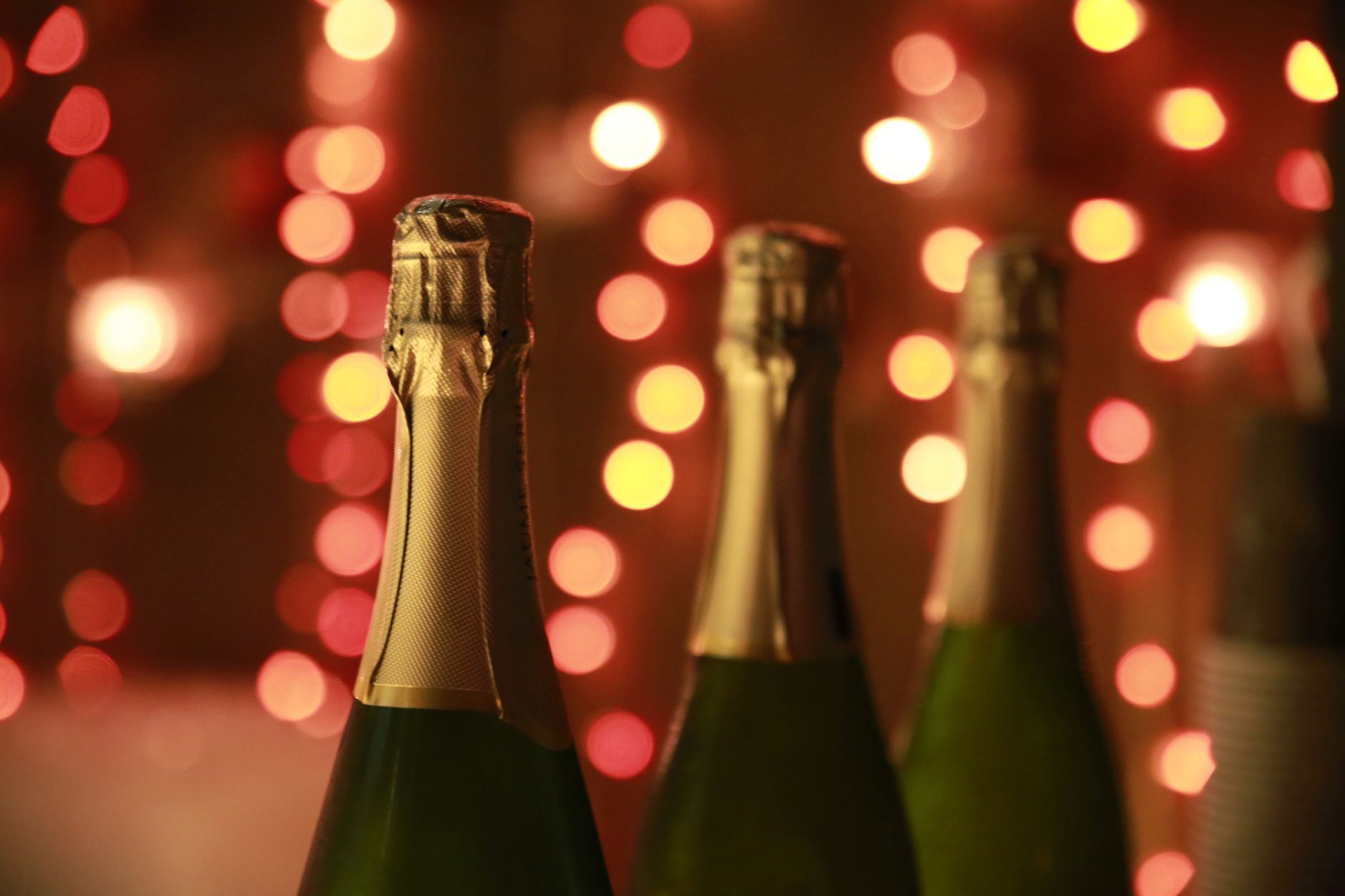
Whether you're toasting a birthday on Sukhumvit, popping a bottle at a corporate dinner in Silom, or surprising someone with an engagement on the rooftop — Champagne is still the drink that says the moment matters. This guide cuts through the label confusion so you can buy the right bottle, at the right price, without second-guessing yourself at the shelf.
NV vs. Vintage Champagne: What the Labels Actually Mean
The two most common letters you'll encounter on a Champagne label are NV — Non-Vintage. They're not a downgrade. They're a house's signature: a blend of wines from multiple harvests, assembled to taste consistent year after year. When you buy a Champagne Drappier Carte d'Or or an Ernest Rapeneau NV, you're buying a winemaker's crafted house style, not a single season's luck.
Vintage Champagne, by contrast, is declared only in exceptional years when the harvest is good enough to stand alone. The label carries a year — 2018, 2015, 2012 — and the wine in the bottle came exclusively from that harvest. Vintage bottles are aged longer (typically five years or more) before release, which is why they cost more and taste more complex: deeper toast, evolved fruit, a creamier texture.
Non-Vintage (NV)
Blended across multiple years for consistent house style. Ready to drink now. The majority of all Champagne produced — and where the best everyday value lives.
Vintage
A single exceptional harvest, aged longer. More complexity, higher price, limited production. A gift for someone who will appreciate the specific year and the story behind it.
The Bangkok Verdict
For most celebrations — birthday dinners, corporate toasts, New Year — a well-chosen NV from a quality house outperforms an average Vintage at twice the price.
Brut, Extra Brut & Blanc de Blancs: A Style Guide
The sweetness level of Champagne is legally controlled and shown on the label. Most Champagne sold worldwide — and most of what you'll find in Bangkok — falls into three practical categories:
| Style | Residual Sugar | Taste Profile | Best With |
|---|---|---|---|
| Extra Brut | 0–6 g/L | Bone-dry, mineral, tense acidity | Oysters, sushi, solo aperitif |
| Brut | 0–12 g/L | Dry with a whisper of richness; the classic house style | Almost anything — the universal celebration Champagne |
| Extra Dry | 12–17 g/L | Off-dry; slightly rounder, fruit-forward | Lighter desserts, fruit platters |
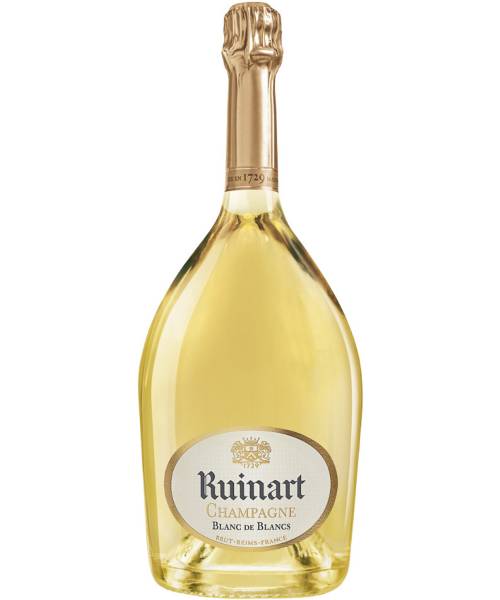
| Blanc de Blancs | Varies (usually Brut) | Made from 100% Chardonnay; green apple, lemon curd, chalk | Seafood, mild cheeses, high-precision celebrations |
| Rosé | Usually Brut | Red fruit, strawberry, slightly fuller body | Romantic occasions, salmon, charcuterie |
Sommelier Tip
If you're buying for a group and don't know everyone's preferences, Brut is always the safe and correct choice. It's dry enough to feel celebratory and approachable enough for guests who normally drink white wine. Blanc de Blancs and Extra Brut are better when you know your crowd appreciates precision.
The Bangkok Context: Prices & What to Expect
Bangkok is not a cheap city for Champagne. Import duties, excise tax, and VAT stack up quickly, and the final retail price typically lands 40–60% above London or Paris retail equivalents. A bottle you'd pay £12 for at a Parisian cave will often hit ฿1,300–1,500 in Bangkok. That's a meaningful premium, but it's worth putting in perspective.
Compared to Singapore, Bangkok is still notably more competitive — Singapore's higher GST, import fees, and distribution costs routinely add another 15–25% on top. For wine tourists and expatriates doing a regional comparison, Bangkok consistently comes out ahead.
Entry Level: ฿1,299–1,500
Genuine Champagne (not Prosecco, not Crémant) from quality small houses. Correct for casual toasts and mixed-drink groups.
Mid-Range: ฿1,500–2,500
The sweet spot. Grower Champagnes and established NV cuvées with real complexity. This is where the best value-per-glass lives.
Premium: ฿2,500+
Name-brand houses (Veuve, Moët, Bollinger) and Prestige Cuvées. Buy these when the name on the label is part of the gift.
 Bubbles rise fastest in the first pour — the ritual worth getting right
The pour matters as much as the label — fill flutes two-thirds for ideal bubble retention and temperature control.
Our Picks: Champagne for Every Budget
All bottles below are genuine Champagne — made in the Champagne appellation of northeast France, under AOC rules. These are not sparkling wines from elsewhere posing as Champagne.
Entry NV — Great Value, Zero Compromise
These are the bottles to reach for when you need several and the per-bottle cost matters, without giving up the genuine Champagne experience. Both are Brut style — dry, clean, celebration-ready.
Mid-Range NV — The Sweet Spot
This is where the sommelier's personal cellar lives. At this price point you get real house character — more developed yeast notes, rounder mousse, better finish. Both currently on promotion, making them exceptional value.
Rosé Champagne — For the Romantic Occasion
Champagne Rosé has a reputation for being purely decorative, but a good one brings real grip — red fruit, a hint of body, and enough structure to hold up to food. The Ernest Rapeneau Rosé is the house's most elegant expression.
Premium House Champagne — When the Label Is the Statement
Sometimes the person receiving the bottle knows exactly what the yellow label means, and that recognition is part of the gift. The 375ml format is a smart choice for intimate celebrations — two glasses each, and nothing left to go flat.
Quick-Reference Occasion Guide
Not sure which bottle fits the moment? Use this as your starting point.
| Occasion | Recommended Style | Budget Range | Our Pick |
|---|---|---|---|
| Birthday | Brut NV — crowd-pleasing, universally liked | ฿1,409–2,499 | Ernest Rapeneau or Drappier Carte d'Or |
| Engagement | Rosé — the most romantic pour in the category | ฿1,799+ | Ernest Rapeneau Rosé |
| New Year / Countdown | Brut NV in multiples — you need enough for everyone | ฿1,299–1,678 per bottle | Ernest Rapeneau Brut or Allart & Fils |
| Corporate / Client Gift | Recognisable house — the label does the talking | ฿1,409 (375ml) / ฿2,800+ (full) | Veuve Clicquot Yellow Label |
Serving Temperature
Champagne is almost always served too warm in Bangkok. The ambient heat means a bottle can gain 4–6°C from the moment it leaves the fridge to the moment it's poured. Serve between 8–10°C: chill the bottle for at least three hours, and keep it in an ice bucket with a 50/50 mix of ice and water throughout the meal. Never freeze it — that destroys the bubbles.
Keep reading: Wine & Thai Spice · Orange Wine · all Wine stories.
Frequently Asked Questions
Is Moët & Chandon actually good quality?
Yes — Moët & Chandon is a technically well-made Champagne, produced by one of the oldest and largest houses in the region. What it is not is a hidden gem or a connoisseur's secret. You're paying partly for the brand recognition, which is exactly what makes it an excellent corporate gift or status-signal purchase. If pure liquid quality per baht is your goal, a grower Champagne at the same price point will usually deliver more complexity. If the name on the label is part of the occasion, Moët earns its place.
What is NV Champagne?
NV stands for Non-Vintage. It means the wine is a blend of base wines from multiple harvests, rather than a single year's production. This is actually the dominant style in Champagne — it allows the winemaker to maintain a consistent house character year after year, compensating for the variable climate of northeastern France. NV Champagnes are not inferior to Vintage; they're simply made for a different purpose: reliability, approachability, and immediate enjoyment.
How much does good Champagne cost in Bangkok?
Genuine Champagne (AOC-protected, made in the Champagne region of France) starts at around ฿1,299 in Bangkok for a quality NV from a smaller house. The mid-range sweet spot runs from ฿1,500 to ฿2,500 — this is where you'll find the best quality-to-price ratio. Big-name houses (Veuve Clicquot, Moët, Pol Roger) typically start at ฿2,500–3,500 for a full bottle. Bangkok prices run roughly 40–60% above equivalent bottles in Paris or London, primarily due to import duty and excise tax — but they remain competitive against Singapore and Hong Kong.
How long does Champagne keep after opening?
An opened bottle of Champagne, resealed with a wine stopper or a proper Champagne stopper, will hold reasonable fizz for 24–36 hours in the fridge. A dedicated Champagne stopper (the hinged kind that clamps onto the lip) works significantly better than plastic stoppers — it maintains pressure rather than just covering the opening. Beyond 48 hours, the bubbles are largely gone, though the wine itself remains drinkable as a still wine for another day or two. If you have half a bottle left, the best course is usually to finish it that evening.
Not sure which bottle to pick?
Champagne is defined by appellation law — only sparkling wine from the Champagne region of France may carry the name. Every bottle recommended in this guide is the genuine article. Drink well, celebrate honestly.