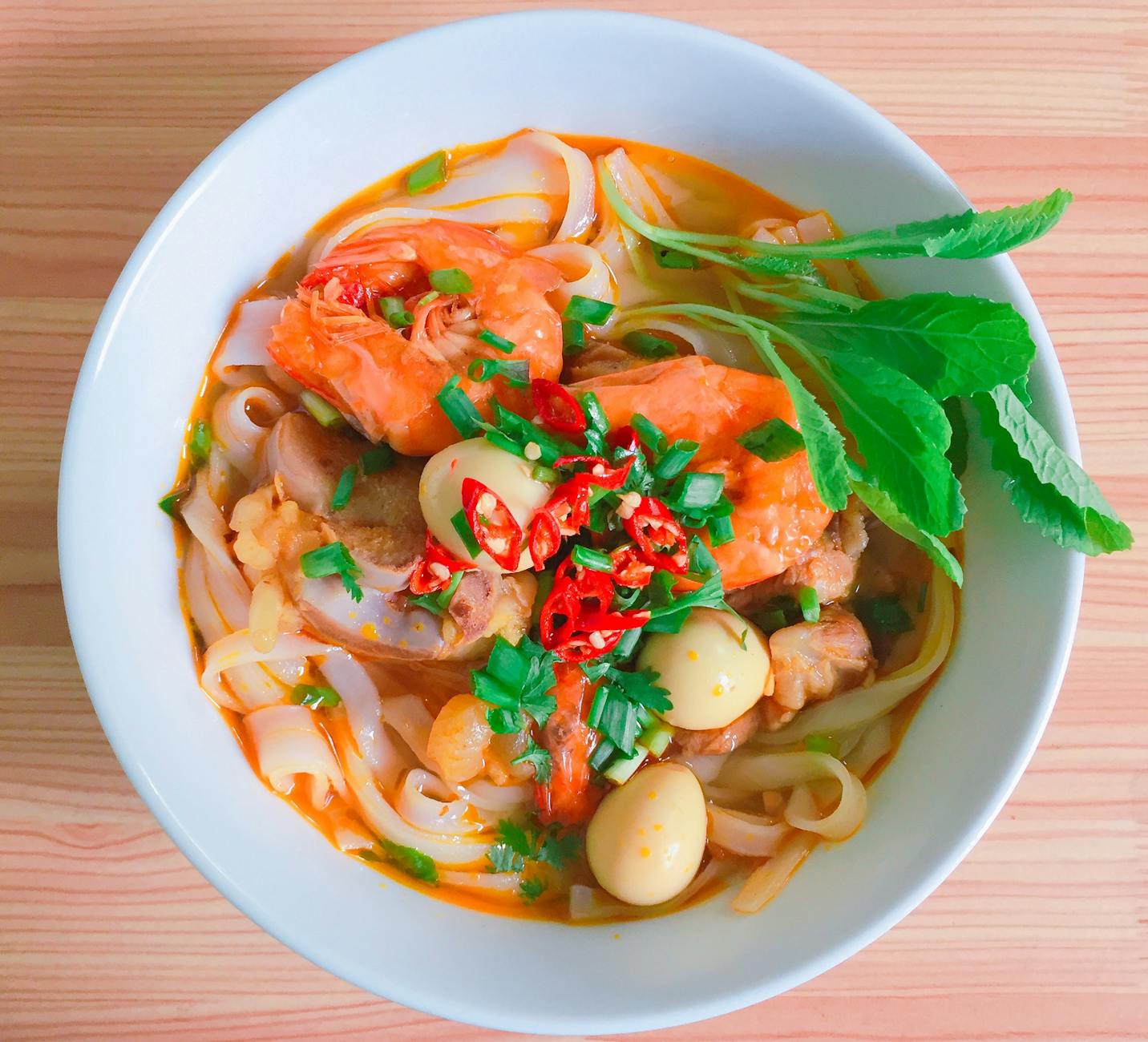
Tom yum is one of the hardest dishes in the world to pair wine against — and also one of the most rewarding once you get it right. Sour, spicy, herbal, and often faintly sweet all at once, it breaks most conventional pairing logic. Red wine, in particular, is close to the worst possible match. Here is what actually works, and why.
Why Tom Yum Breaks Most Wine Pairing Rules
Tom yum hits four taste dimensions simultaneously: the sourness of lime juice, the heat of bird's eye chilli, the aromatic punch of lemongrass, galangal, and kaffir lime leaf, and — in tom yum goong especially — a savoury richness from the stock and prawn shells. Any one of these is already a challenge for wine. Together, they rule out most conventional pairings outright.
Tannic red wine is the clearest mismatch. Tannin binds to protein and grips onto fat, but tom yum has neither in abundance — instead the chilli heat reacts with tannin and alcohol to amplify the burn, turning a bold red into something that tastes hot and bitter rather than complementary. This is chemistry, not preference: capsaicin (the compound behind chilli heat) is intensified by both tannin and higher alcohol.
What Actually Works: Off-Dry Riesling
Riesling — specifically off-dry, lower-alcohol styles — is the closest thing to a solved answer for tom yum. Here is why the match works on every axis that matters:
- Low alcohol (usually under 12%) means less amplification of chilli heat than a 14%+ red or a heavy white.
- High acidity matches the lime and tamarind sourness in the broth rather than clashing with it — acid meets acid.
- A touch of residual sugar cools the chilli burn on the palate, the same mechanism that makes a squeeze of lime or a spoon of sugar work in the dish itself.
- Aromatic intensity — petrol, stone fruit, white flowers — holds its own against lemongrass and galangal instead of disappearing under them.
🍷 Sommelier Tip
Serve Riesling colder than you would a typical white — around 8–10°C. The extra chill mutes the perception of both the wine's sweetness and the dish's heat, keeping the pairing balanced rather than cloying.
Weingut Robert Weil Riesling Rheingau "Tradition" (฿1,200) is a step up in intensity and structure from an estate widely regarded as one of the Rheingau's finest — genuinely off-dry in style, with ripe stone fruit, honeyed depth, and enough concentration to stand up to a rich tom yum nam khon (the creamy, coconut-milk-enriched version) without being overwhelmed.
Dr Loosen "Dr. L" Riesling Dry (Mosel, ฿765) is the lighter, more everyday match — German Riesling built for exactly this kind of spice-forward pairing, with bright green apple and lime notes and enough natural sweetness to take the edge off the chilli. At this price, it is one of the most food-versatile whites in the Bangkok market.
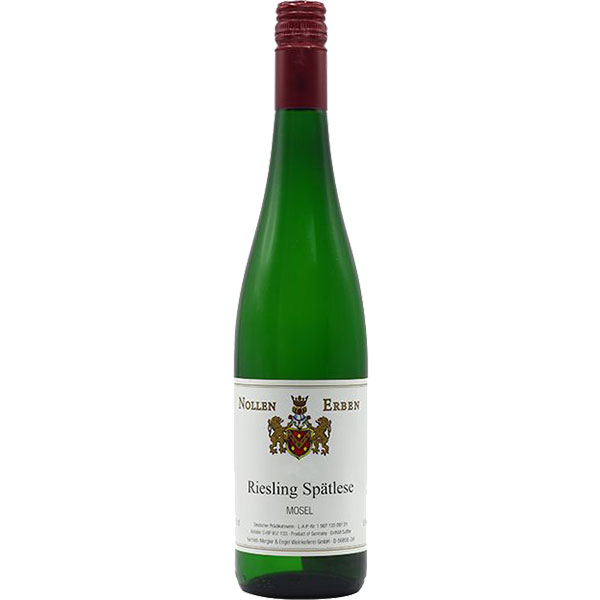
Nollen Erben Mosel Riesling Spätlese (฿600) is the one that flies off our shelves faster than any other Riesling we stock, and for tom yum it is arguably the most technically correct bottle on this page. Spätlese is a ripeness classification, not a sweetness one, but in practice Mosel Spätlese carries real residual sugar at low alcohol — precisely the combination that tames chilli heat. At ฿600 it is also the easiest one to justify opening on a Tuesday.
Dr Loosen Erdener Treppchen Riesling Kabinett (฿915) is the single-vineyard step up in the same off-dry Mosel idiom — Erdener Treppchen is a steep slate site that gives the wine a mineral spine underneath the sweetness, which keeps it from tasting simple next to a bowl of tom yum goong.
Recommended: Riesling for Tom Yum
Tom Yum Nam Sai vs Nam Khon: Does the Pairing Change?
| Style | Character | Best Riesling match |
|---|---|---|
| Nam sai (clear broth) | Sharp, sour, lean | Dr. L Riesling Dry — lighter body matches the clean broth |
| Nam khon (creamy, coconut milk) | Richer, rounder, spicier | Robert Weil Riesling Tradition — more concentration to match the richness |
The clear version (nam sai) is lighter and more acid-forward, so a lighter-bodied Riesling keeps pace without overpowering it. The creamy version (nam khon) has more body and often more chilli heat, and benefits from a Riesling with more concentration and a touch more residual sugar to balance it.
If You Don't Have Riesling
Off-dry Gewürztraminer and dry Rosé are the next-best options — both share the low-tannin, high-aromatic profile that makes Riesling work. Avoid oaked Chardonnay (the oak clashes with the citrus and herbs) and skip red wine entirely unless it is very light and served slightly chilled, like a Beaujolais.
Nollen Erben Rheinhessen Gewürztraminer Kabinett (฿700) is the one to reach for. Gewürztraminer brings lychee, rose petal and ginger aromatics that echo the lemongrass and galangal in the bowl rather than fighting them, and the Kabinett ripeness keeps alcohol low and sweetness gentle. It is the second-best-selling German white we stock, behind only the Nollen Erben Riesling above it.
Also Worth Trying: Gewürztraminer
Keep reading: What Wine Goes With Thai Food · Wine and Spicy Food: The Science · all Pairings stories.
Frequently Asked Questions
What wine goes best with tom yum?
Off-dry Riesling is the best match — its high acidity mirrors the soup's sourness, its low alcohol avoids amplifying the chilli heat, and its touch of sweetness cools the spice. Dr Loosen "Dr. L" Riesling Dry (฿765) is an accessible, reliable match; Weingut Robert Weil Riesling Rheingau "Tradition" (฿1,200) is the pick for richer tom yum nam khon.
Why doesn't red wine work with tom yum?
Tannin and higher alcohol both intensify the perception of chilli heat, so a tannic red makes tom yum taste hotter and more bitter rather than balancing it. Tom yum also lacks the fat and protein that red wine tannin needs to soften against.
Is tom yum goong different to pair than tom yum soup in general?
Tom yum goong (with prawns) adds a savoury, slightly sweet shellfish note that a Riesling with a touch more body — like the Robert Weil Tradition — handles well. Vegetable or clear versions pair just as well with a lighter, drier Riesling style.