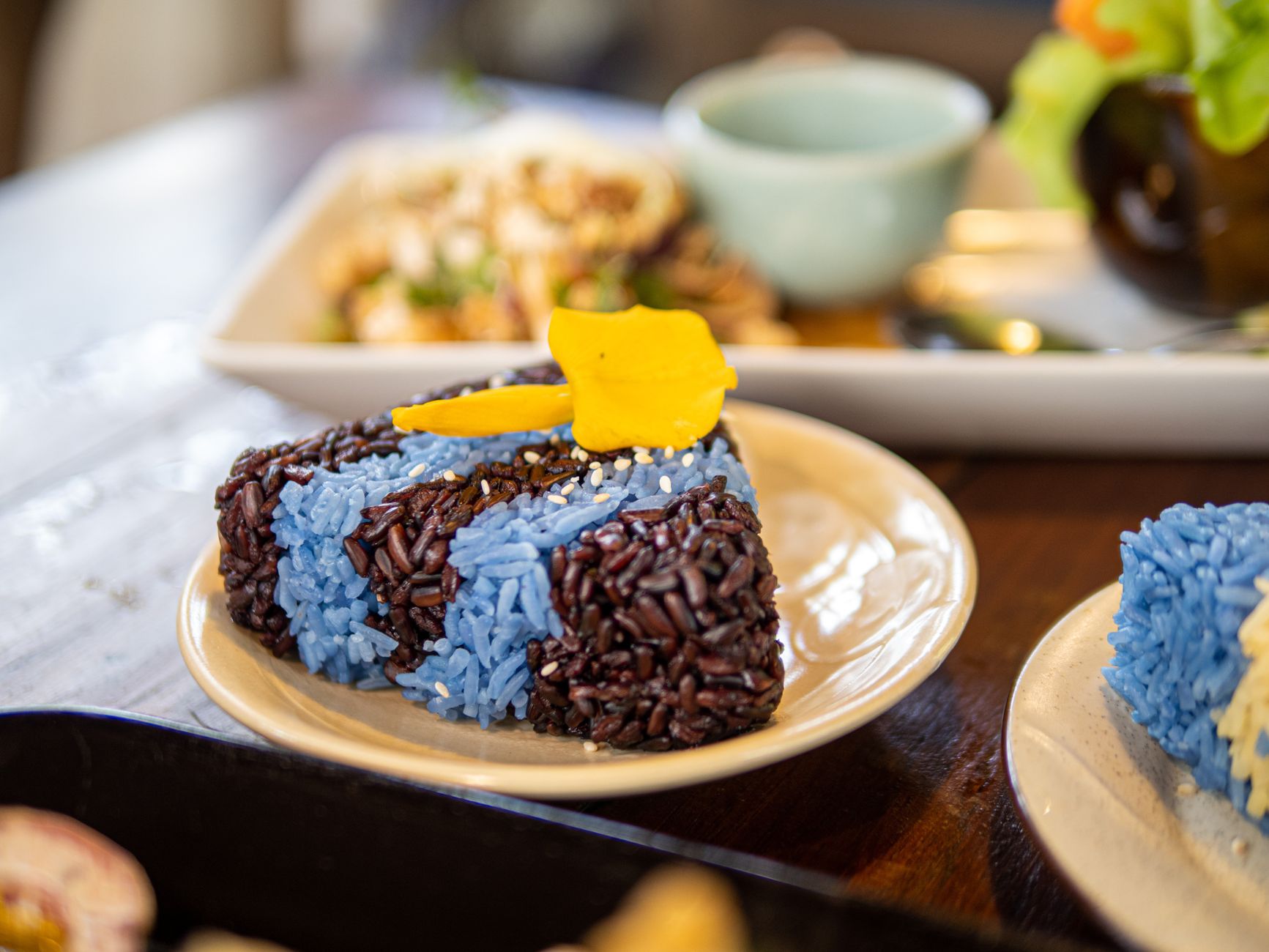
Mango sticky rice — khao niew mamuang — is Thailand's most internationally famous dessert, and also one of the hardest dishes in the world to pair wine against. Our guide to wine with Thai food covers savory dishes in depth; this is the dedicated dessert chapter that guide leaves open. It belongs in the same conversation as our other Thai food pairings. Coconut cream, warm sticky rice, and ripe mango create a dish that's simultaneously rich, sweet, and faintly salty. Get the wine wrong and it either disappears next to the dish or clashes with the coconut fat. Get it right, and the pairing is genuinely spectacular. Here's how.
Why Mango Sticky Rice Is a Hard Pairing
The fundamental rule of dessert-wine pairing is simple: the wine must be at least as sweet as the dish, or it will taste sour and thin by comparison. Mango sticky rice is sweeter than most Western desserts realize — the combination of ripe mango, sweetened coconut cream, and sugared sticky rice pushes well past what a standard off-dry wine can match.
The second problem is texture. Coconut cream coats the palate with fat, which can flatten a wine's fruit character entirely unless the wine has enough acidity to cut through it. This rules out heavy, low-acid dessert wines and points toward styles with real brightness underneath the sweetness.
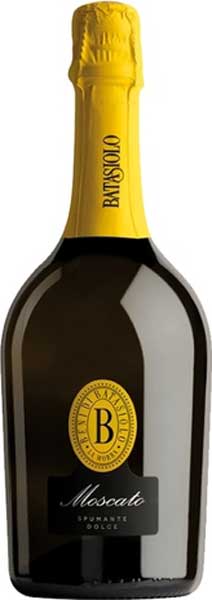
Moscato d'Asti: The Safest, Most Reliable Match
Low alcohol (typically 5–6%), gently sparkling, and intensely aromatic with fresh grape and orange-blossom notes — Moscato d'Asti is arguably the single best pairing for mango sticky rice available in Bangkok. The gentle fizz cuts the coconut fat, and the wine's own sweetness sits comfortably alongside the dish rather than fighting it.
Marchesi di Barolo Moscato d'Asti DOCG "Zagara" — ฿1,200
A serious, well-structured Moscato d'Asti from one of Piedmont's most respected Barolo houses — proof that this isn't a lightweight category. Peach and orange blossom aromatics, a gentle mousse, and enough acidity to keep the coconut cream from taking over. This is the single bottle we'd recommend first for this pairing.
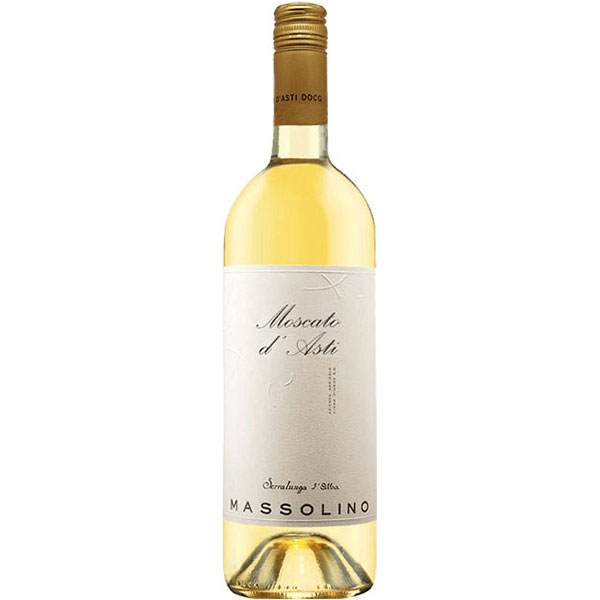
Massolino Moscato d'Asti DOCG — ฿1,120
Another serious Barolo-region producer's take on the style — slightly riper and rounder than the Zagara, with more overt honeyed fruit. A close second choice, and worth trying side by side if you're hosting a tasting.
Port: A Bolder, Warmer Alternative
If Moscato feels too light for your taste, tawny Port offers a completely different route into the same dish — dried fruit, caramel, and nutty oxidative complexity that echoes the toasted, roasted notes some mango sticky rice preparations pick up from grilled or charred coconut cream.

Dow's Fine Ruby Port — ฿1,600
Bright red-fruited and fresh rather than oxidative — a lighter style of Port that works well served slightly chilled alongside the mango's tropical sweetness. A good entry point if you haven't paired Port with Thai desserts before.
Graham's 10 Year Tawny Port — ฿3,499
More complexity here — dried fig, toffee, a nutty finish from a decade in barrel. This is the pairing for someone who wants the dessert-wine equivalent of a rich finish to the meal, not just a sweet accompaniment. Serve slightly cool, not at room temperature, to keep it from feeling heavy against the dish.
Off-Dry White: The Lighter, Food-First Option
For a lunch or a lighter meal where a full dessert wine feels like too much, an off-dry Riesling or Gewürztraminer offers real sweetness without a Moscato's fizz or a Port's weight — and both grapes are already established as strong partners for Thai food generally.
Nollen Erben Mosel Riesling Spätlese — ฿600
Spätlese is a genuinely sweet designation on the German scale, not just "off-dry" — enough residual sugar to stand up to mango, with the Mosel's characteristic high acidity keeping it from tasting cloying. At ฿600, this is the best-value bottle in this whole guide.
Mount Riley Gewürztraminer — ฿900
Lychee, rose petal, and a faint spice note — Gewürztraminer's natural affinity for Southeast Asian fruit and spice makes it a near-perfect stylistic match for mango. Serve well chilled.
What to Avoid
Skip dry Champagne, dry table wine of any color, and anything heavily oaked — all three will taste thin, sour, or bitter next to the dish's sweetness and coconut fat. If you only take one rule from this guide: the wine needs to bring its own sweetness to the table, or it loses to the dessert every time.
FAQ
What wine goes best with mango sticky rice?
Moscato d'Asti is the most reliable pairing — its gentle sweetness, low alcohol, and light sparkle cut through the coconut cream without overwhelming the mango. Tawny Port and off-dry Riesling are strong alternatives depending on whether you want something bolder or lighter.
Can you pair Champagne with mango sticky rice?
Dry Champagne generally doesn't work — its acidity and lack of sweetness make it taste sharp and thin against the dish. If you want bubbles, choose a sweeter sparkling style like Moscato d'Asti or a demi-sec Champagne rather than Brut.
Is Riesling always sweet?
No — Riesling ranges from bone-dry to intensely sweet depending on style and region. For a mango sticky rice pairing, look specifically for "Spätlese," "off-dry," or "demi-sec" on the label rather than "Trocken" (dry) or "Kabinett," which can lean drier.
Should dessert wine be served cold?
Yes — most dessert wines, including Moscato and lighter Ports, benefit from a proper chill (around 8–10°C), which keeps the sweetness from tasting heavy and preserves the wine's aromatics. Tawny Port can be served slightly warmer than Moscato, but still cooler than room temperature in Bangkok's climate.