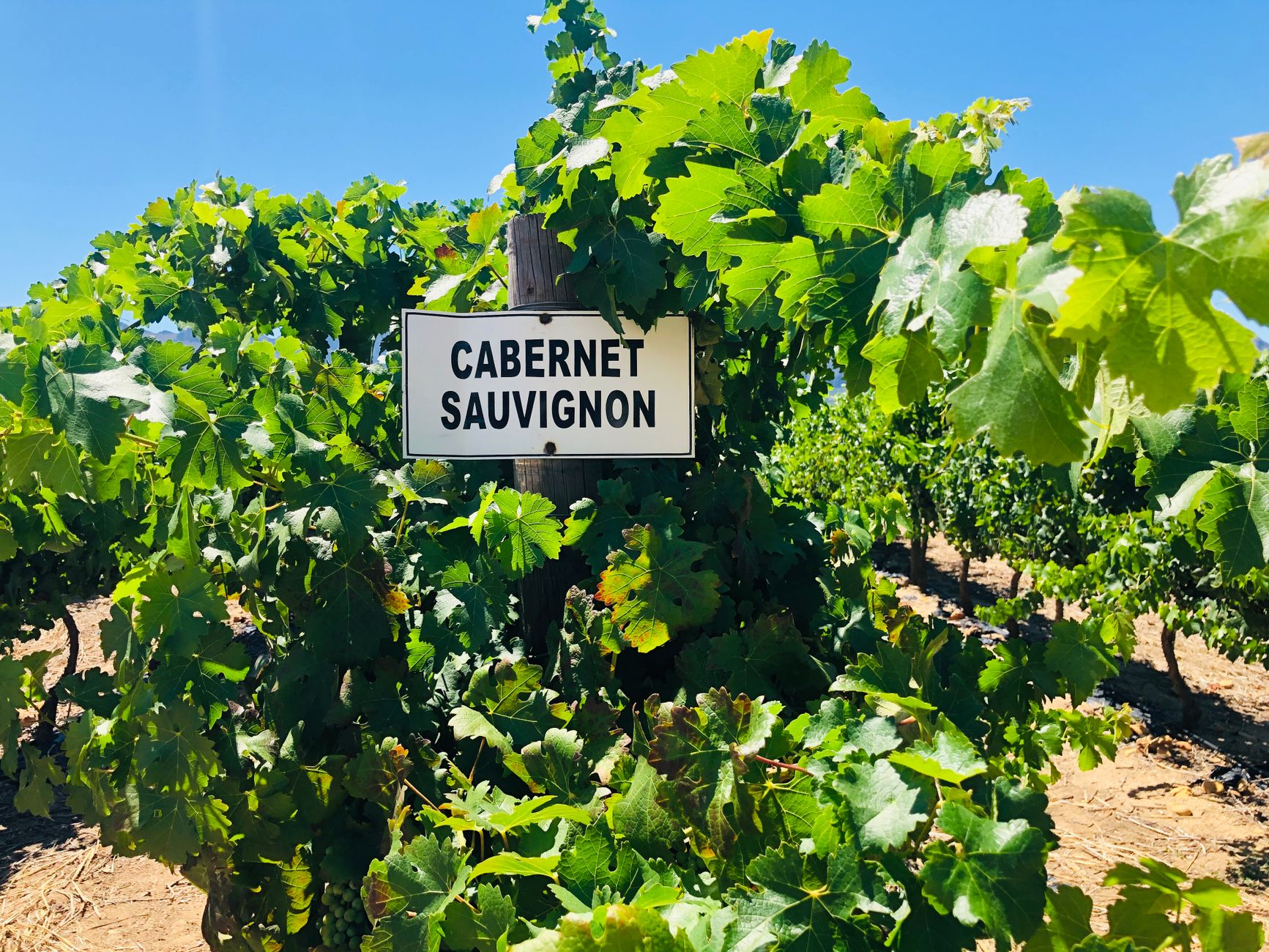
Ask a sommelier what they'd drink if they could only choose one white wine grape for the rest of their career, and a surprising number say Grüner Veltliner. It's Austria's signature variety — capable of everyday freshness at ฿889 and serious, age-worthy complexity at ฿4,900 from the same handful of steep vineyards along the Danube. Most Bangkok wine drinkers have never tried it. That's the opportunity.
What Makes Grüner Veltliner Different
Grüner Veltliner (often just "Grüner") is a white grape almost exclusively associated with Austria, concentrated in the Wachau, Kamptal, and Kremstal regions along the Danube river northwest of Vienna. At its simplest, it delivers crisp green-apple and white pepper notes with a faint vegetal edge — genuinely food-friendly, low in obvious oak, built for drinking rather than analyzing.
At its best, from steep terraced vineyards on primary rock soil, it does something unusual: it ages. A serious single-vineyard Grüner from a producer like F.X. Pichler can develop honeyed, mineral complexity over a decade that rivals top-tier white Burgundy — at a fraction of the price, because almost nobody outside Austria and a small circle of collectors is bidding it up.
Laurenz V. Singing Grüner Veltliner — ฿889
This is the entry point, and a genuinely useful one: bright, peppery, easy-drinking Grüner without any pretension. If you've never tried the grape, start here before spending more — it tells you immediately whether the style is for you. It also slots neatly into our best white wine under ฿1,500 roundup if you're comparing options in that range.
The Wachau: Austria's Grand Cru, Without the Grand Cru Prices

The Wachau is a narrow, steep-sided stretch of the Danube valley where terraced vineyards on granite and gneiss soil produce Austria's most prized Grüner Veltliner and Riesling. Unlike Burgundy or the Mosel, the Wachau doesn't have a state-mandated cru classification — but producers use their own vineyard-designation system (Federspiel, Smaragd) to signal ripeness and intensity, roughly analogous to Kabinett/Spätlese in Germany.
F.X. Pichler is the region's most celebrated name — a small, obsessive estate whose single-vineyard bottlings routinely score among the best white wines in the world, at prices that still look reasonable next to Grand Cru Chablis or Meursault.
F.X. Pichler Grüner Veltliner Loibner — ฿1,958 (special, from ฿2,100)
Loibner is one of the Wachau's classic sites — this bottling shows the variety's core identity clearly: white pepper spice, orchard fruit, a saline mineral finish. A serious step up from everyday Grüner without yet reaching collector pricing.
F.X. Pichler Grüner Veltliner Liebenberg — ฿2,878 (special, from ฿3,100)
Liebenberg is a steeper, higher-elevation site than Loibner, and it shows — more tension, more concentration, a longer finish. This is Grüner built to reward a few years in the bottle, not just a Tuesday-night pour.
F.X. Pichler Grüner Veltliner Kellerberg — ฿4,558 (special, from ฿4,900)
Kellerberg is arguably Pichler's most famous single vineyard — the wine critics reach for when they want to prove Grüner belongs at the same table as the world's great whites. Dense, textured, with real aging potential. This is the bottle for someone who already respects white Burgundy and wants to see what else deserves that respect.
Riesling's Other Home
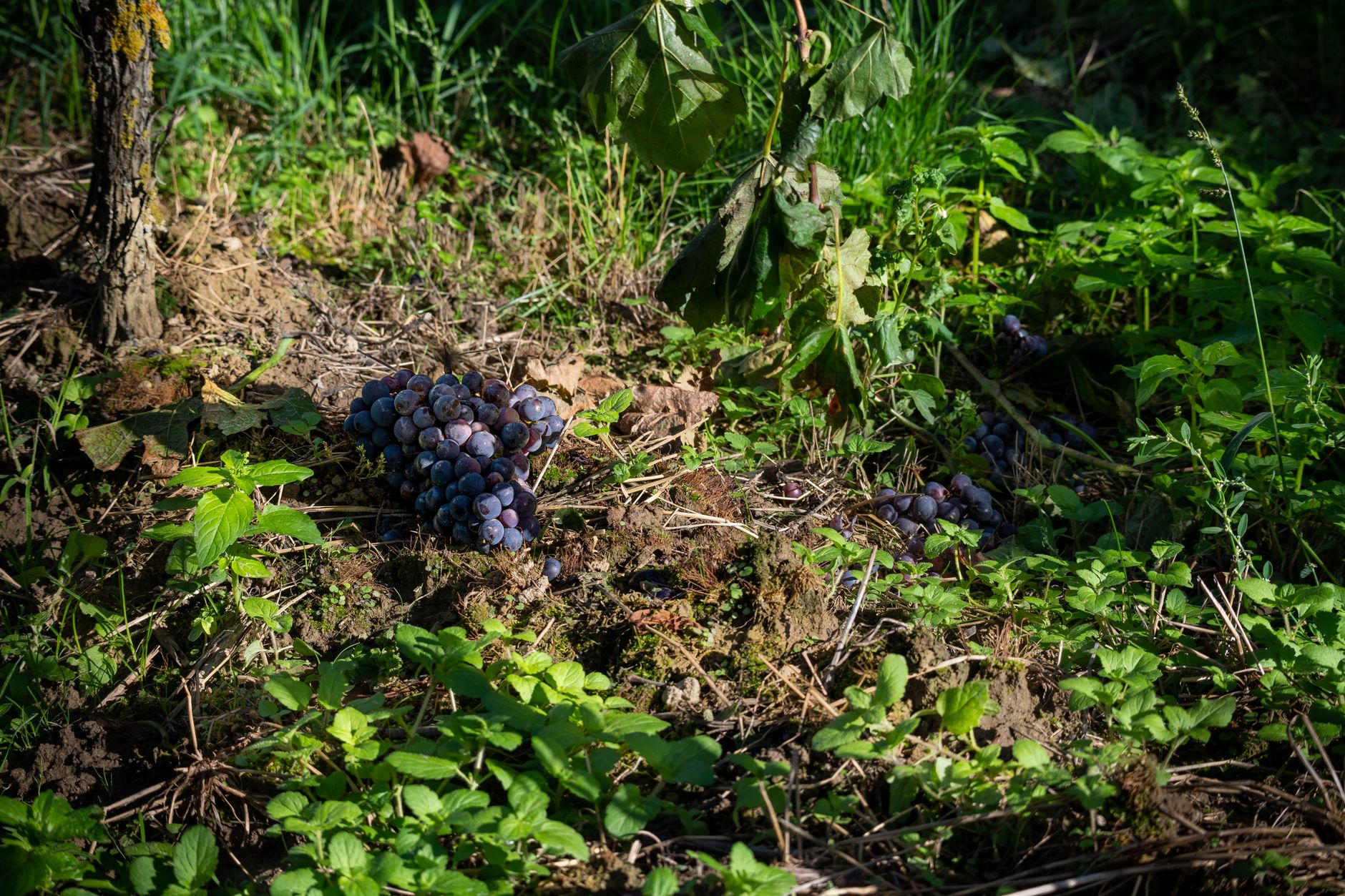
Austria doesn't only make Grüner. Along the same Danube slopes, Austrian Riesling develops a drier, more mineral-driven personality than its German cousins across the Mosel and Rheingau — less residual sugar, more structure, often mistaken in blind tastings for a serious Alsace bottling. If you've read our German wine guide on the Prädikat system and sweetness levels, Austria is the useful contrast: broadly the same grape, a firmly dry house style by default.
F.X. Pichler Riesling Burgstall — ฿2,300
Bone-dry, taut, and intensely mineral — Burgstall is proof that Austrian Riesling deserves its own conversation, not just a footnote to the German version. Excellent with Bangkok's grilled seafood and lighter Thai dishes that would overwhelm a sweeter Riesling style.
Beyond the Danube: Austria's Natural Wine Scene
Burgenland, near the Hungarian border, has become a hotbed for Austria's natural and low-intervention wine movement — producers working with minimal sulfur, native yeasts, and increasingly, red grapes like St. Laurent and Zweigelt that rarely leave the country.
Judith Beck Pet Nat — ฿1,700
A field blend of six grapes, bottled with natural carbonation (pétillant naturel — no dosage, no secondary fermentation tricks). Cloudy, savory, genuinely different from anything else in this guide. If our orange wine guide piqued your curiosity about low-intervention styles, this is a credible entry point from a serious producer, not a novelty bottle.
FAQ
What does Grüner Veltliner taste like?
Classic Grüner Veltliner shows green apple, white pepper, and a faint vegetal or lentil note, with bright acidity and a dry finish. Simple versions are crisp and easy-drinking; serious single-vineyard bottlings from the Wachau develop richer, more mineral, sometimes honeyed complexity with age.
Is Grüner Veltliner similar to Riesling?
They share high acidity and a home in cool, slate- or rock-based vineyards, but the flavor profile differs — Grüner leans toward pepper and orchard fruit rather than Riesling's citrus and stone fruit. Austria makes excellent versions of both, often from the same producers and vineyards.
What food pairs with Grüner Veltliner?
Grüner's pepper and acidity make it one of the most food-versatile white wines available — it handles Thai green curry, grilled white fish, and even mildly spicy dishes better than most Chardonnay or Sauvignon Blanc. It's a genuinely useful bottle to keep on hand for Bangkok home cooking.
Why is Austrian wine less well known than German wine?
Austria produces roughly a tenth of the volume Germany does, and until the 1980s the country's wine industry was recovering from a major quality scandal that damaged its export reputation for years. What's left is a smaller, quality-focused industry — less recognizable globally, but with a higher proportion of serious, small-producer wine relative to total output.
Where should I start with Austrian wine?
Laurenz V. Singing Grüner Veltliner is the honest entry point — inexpensive and true to the grape's core character. From there, move to a single-vineyard F.X. Pichler bottling to see what the region's top sites can do.