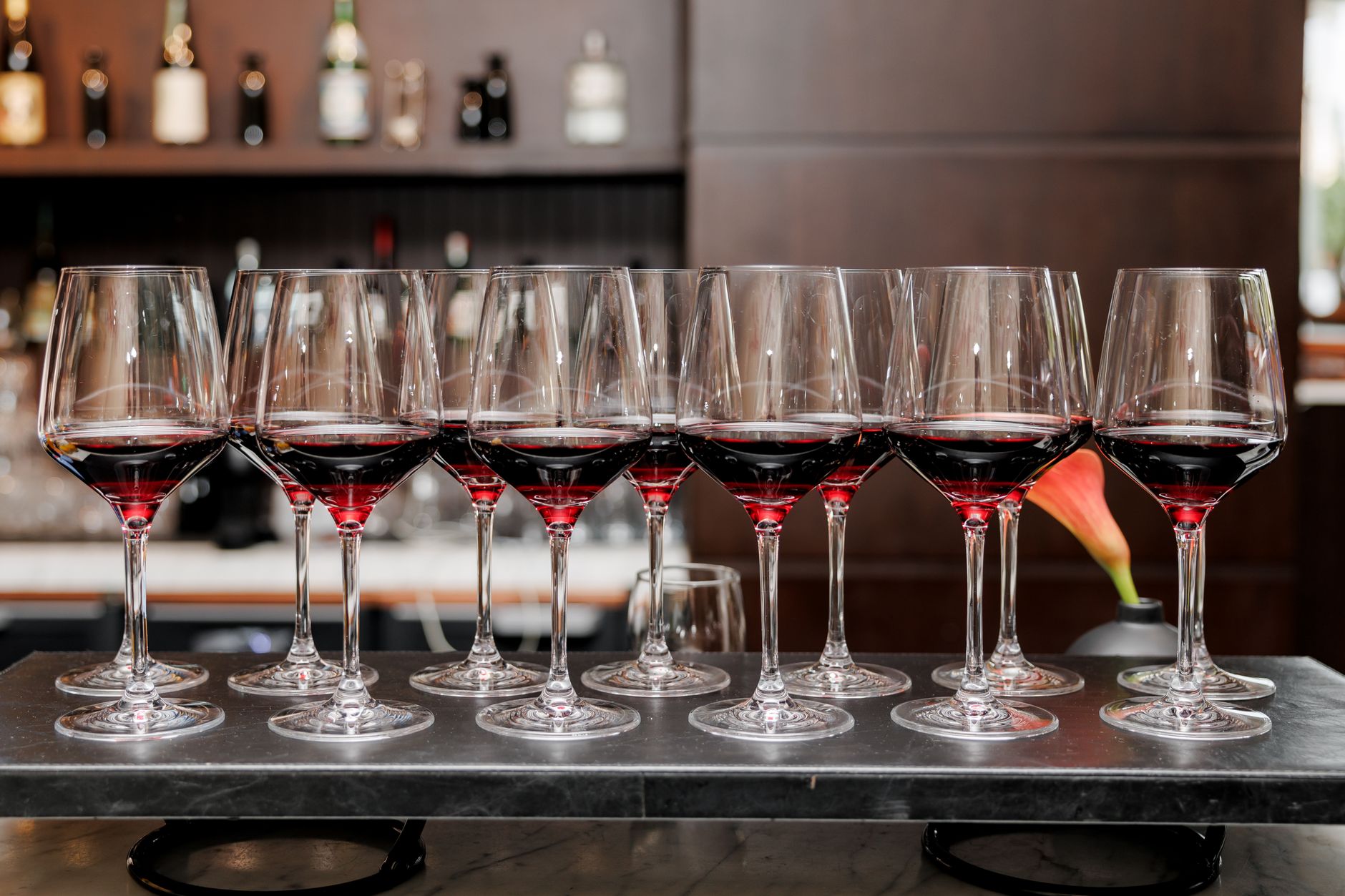
South America is the best value wine region for Bangkok shoppers, full stop. While France and Italy collect prestige premiums, Chile and Argentina are making world-class wine and selling it at prices that would embarrass their European counterparts. The debate is which country does it better — and for what.
Why South America Dominates Value Wine in Bangkok
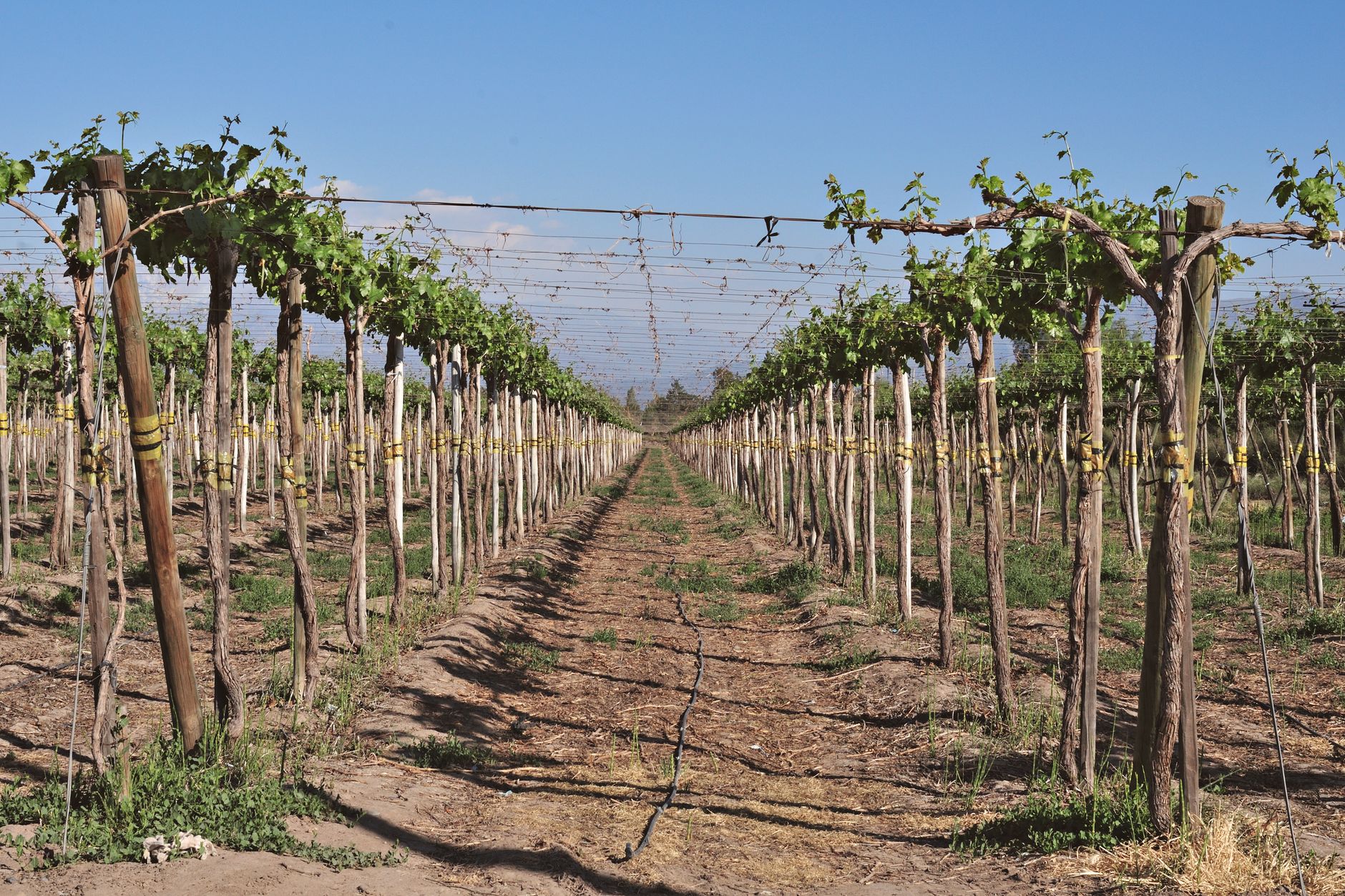
Both countries share one massive geographical advantage: the Andes mountain range. The peaks create a natural barrier that keeps Atlantic humidity out, meaning disease pressure on vines is dramatically lower than in Europe. Less disease pressure means less intervention, lower yields when desired, and exceptional fruit concentration.
The altitude adds another dimension. Vineyards at 800–1,200 metres see warm sunny days (for ripeness) and cold nights (for acidity retention). That temperature swing is what gives both Chilean and Argentine wines their characteristic freshness despite the warmth. It's the same principle as Champagne or Germany's Mosel — cold nights lock in acidity that would otherwise be baked away.
The result: deeply coloured, fruit-forward, structurally sound wines at ฿500–800 that genuinely compete with French or Italian bottles costing twice as much.
Chile: The Forgotten Bordeaux Variety Hiding in Plain Sight
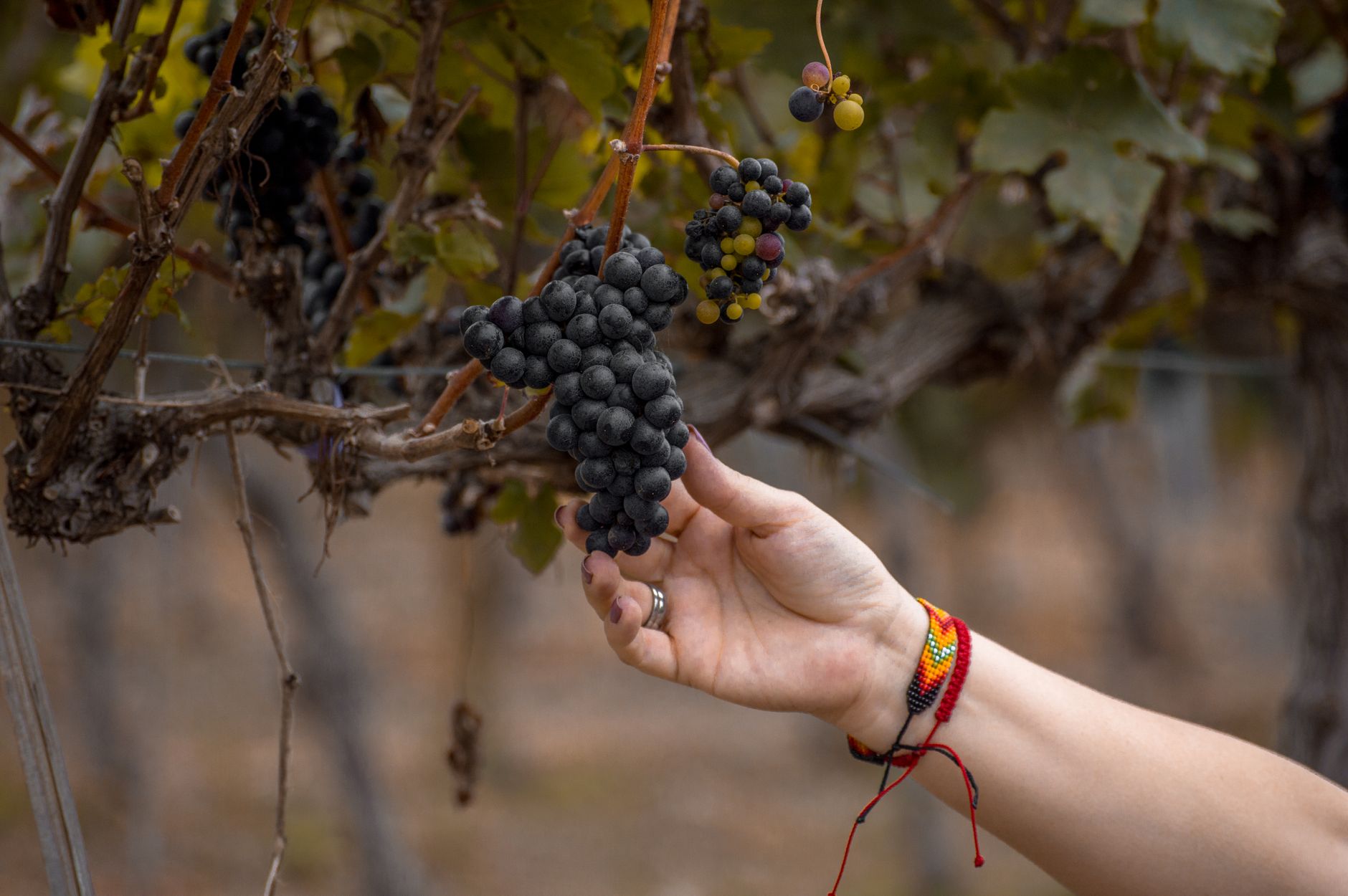 Chile's signature contribution to world wine is Carmenère — a grape that France forgot.
Carmenère was one of the original six permitted Bordeaux varieties in the 19th century. Phylloxera (the root louse that destroyed most of Europe's vineyards in the 1860s–1880s) wiped it out in France. Vine cuttings had already been shipped to Chile, however, and the grape survived there — misidentified for over 100 years as Merlot.
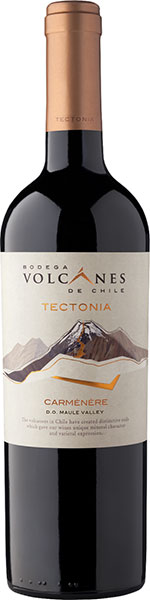
In 1994, a French ampelographer (a scientist who studies grape varieties) identified the Chilean "Merlot" as Carmenère. The country now owns the variety entirely. What does it taste like? Richer than Merlot, with a distinctive green pepper note (pyrazine), dark plum fruit, and softer tannins. It's a naturally food-friendly grape and one of the easiest introductions to Old World–style complexity at New World prices.
Aromo Reservado Carmenère from Maule Valley is one of the clearest expressions of the variety in Bangkok at this price. Maule is one of Chile's oldest wine regions, with century-old dry-farmed vines producing concentrated, textured fruit. This is the bottle to pour for anyone who says they "don't like Chilean wine" — it usually changes their mind.
Chile's strength isn't limited to Carmenère, though. The country has the world's largest plantings of ungrafted Cabernet Sauvignon (pre-phylloxera rootstock) and produces some genuinely exceptional versions of the variety.
Concha Y Toro Reservado Cabernet Sauvignon is one of the best-selling wines in the world for a reason — it's technically precise, reliably consistent, and priced so anyone can access it. Don't let the approachability fool you: Concha Y Toro owns some of Chile's best vineyard land.
The Colchagua Valley, about 200km south of Santiago, is Chile's answer to Napa — the premium red wine heartland where altitude, Pacific influence, and volcanic soils combine for the country's most concentrated bottlings.
Viu Manent Estate Collection Reserva Cabernet Sauvignon from Colchagua is where you start to taste what Chilean Cabernet can really do. Dense blackcurrant, cedar, and graphite — this is Bordeaux-adjacent territory at a fraction of the price.
For something lighter in the Chilean portfolio, the cool Casablanca and Colchagua valleys (influenced by cold Pacific currents) are producing excellent Pinot Noir at prices that Burgundy producers would consider embarrassing.
Veramonte Reserva Pinot Noir demonstrates Chile's versatility — elegant, silky, with cherry and earth notes. A natural pairing for salmon, duck, or a Thai green curry that isn't too fiery.
Argentina: The Malbec Story
 Argentina's story is almost entirely the Malbec story — and it's one of wine's great reinventions.
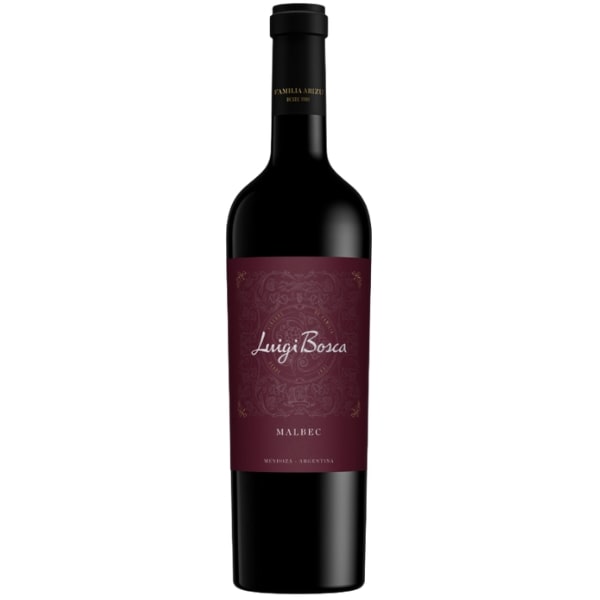
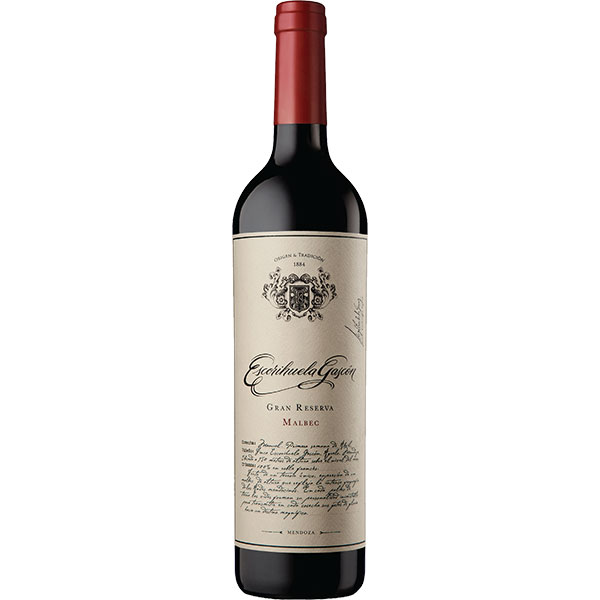
Like Carmenère in Chile, Malbec was a Bordeaux grape that found its best expression far from its homeland. In Bordeaux, it played a minor blending role and is increasingly rare. In Argentina's Mendoza province, planted at 700–1,100 metres in the foothills of the Andes, it became something else entirely: deeply purple, plush with dark fruit, full-bodied, with chocolate and violet character that makes it almost immediately likeable to anyone who encounters it.
Mendoza is the epicentre. The province accounts for roughly 70% of Argentina's wine production, with its various sub-zones — Luján de Cuyo, Maipú, the Uco Valley — each producing Malbec with subtly different character. Higher altitude Uco Valley Malbecs tend to have more structure and freshness; lower Luján de Cuyo bottlings lean richer and more opulent.
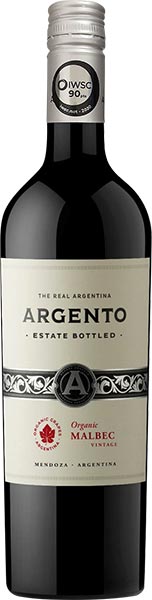
Argento Malbec is the entry point that demonstrates exactly why the grape conquered the world. Dark purple, ripe plum and blackberry, silky tannins — it's the definition of immediately enjoyable. Perfect for a Bangkok dinner where you want something that pleases every palate at the table.
Altivo Classic Malbec is a step toward more complexity — made in Mendoza's premium zone with slightly more structure and depth. This is the bottle that bridges casual drinking and proper wine conversation.
Trapiche Vineyards Malbec represents one of Argentina's most historic estates. Trapiche has been making wine in Mendoza since 1883 — they understand the terroir at a cellular level. This bottling shows what happens when a century of Malbec knowledge meets the right fruit: effortless depth, genuine character.
Chile vs. Argentina: The Head-to-Head

| Chile | Argentina | |
|---|---|---|
| Signature grape | Carmenère (red), Sauvignon Blanc (white) | Malbec (red), Torrontés (white) |
| Key red region | Colchagua Valley, Maule Valley | Mendoza (Luján de Cuyo, Uco Valley) |
| Red wine style | Structured, Bordeaux-adjacent | Plush, fruit-forward, full-bodied |
| White wine strength | Excellent (Sauvignon Blanc) | Moderate (Torrontés is unique but niche) |
| Best food pairing | Thai red curry, beef, lamb | Grilled meat, BBQ, cheeseboards |
| Value sweet spot | ฿450–700 | ฿600–800 |
| Beginner-friendly? | Very | Extremely |
Which Should You Buy?

For everyday drinking and dinner parties: Argentine Malbec is the easier sell. It's immediately appealing to wine drinkers and non-wine-drinkers alike — nobody refuses a glass of good Malbec.
For something more interesting: Chilean Carmenère is the wine with a story. It's the Bordeaux variety that France lost and Chile saved. Serve it with the history and watch the table lean in.
For white wine: Chile wins decisively. Its Sauvignon Blanc from Casablanca or Leyda competes directly with New Zealand Marlborough — crisp, aromatic, made for Bangkok's seafood culture.
For a gift: Argentine Malbec at ฿600–800 is the safer choice. The variety is famous enough that the recipient will recognise what they're receiving.
Honestly? Buy both. They cost the same as a single bottle of mid-range French wine.
Keep reading: Pinot Noir — A Bangkok Buyer's Guide · Best Australian Wine in Bangkok — Shiraz, Chardonnay & Beyond · all Wine stories.
FAQ
Is Chilean or Argentine wine better?
Neither is objectively better — they excel at different things. Chile has stronger white wine production and more structural red wines; Argentina produces more immediately approachable, fruit-forward reds. For everyday red wine in Bangkok, both are exceptional value.
What does Carmenère taste like?
Carmenère is a red grape with dark plum and blackberry fruit, a distinctive green pepper or smoky note, medium-full body, and soft, rounded tannins. It sits stylistically between Merlot (the softness) and Cabernet Sauvignon (the structure). It pairs beautifully with Thai meat dishes and cheese.
What does Malbec taste like?
Malbec is a full-bodied red with deep purple colour, flavours of blackberry, plum, dark chocolate, and violet. Tannins are soft to medium, and the wine has a plush, almost velvety texture. Argentine Malbec from Mendoza is one of the most beginner-friendly quality red wines in the world.
Why is South American wine so much cheaper than French wine?
Lower production costs, better growing conditions (less disease pressure), modern large-scale wineries with efficient technology, and a strategic decision by South American producers to compete on value in export markets. The quality gap has essentially closed at the ฿700–1,000 price point; the price gap has not.
What food goes with Argentine Malbec?
Grilled beef is the obvious answer — Malbec was made for asado. In a Bangkok context: grilled river prawn, beef massaman curry, lamb chop, or any red meat dish. The soft tannins also make it surprisingly good with cheeseboards and mushroom-heavy dishes.