Pinot Noir is the grape that ruins you for everything else. Once you understand what it can do — the silk, the red fruit, the way it captures a specific place better than almost any other variety — paying ฿400 for a Shiraz feels like a compromise. This guide is for the Bangkok drinker who has started asking questions about Pinot Noir and wants real answers.
Why Pinot Noir Is Different

Pinot Noir is thin-skinned, low in tannin, and deeply expressive of where it grows. These three facts explain almost everything about why it behaves differently from Cabernet Sauvignon or Shiraz.
Low tannin means the wine doesn't have the grippy, mouth-drying structure of a Cab. The sensation is closer to silk than velvet. This makes Pinot Noir the most food-flexible red wine — it pairs with things that would clash badly with a heavy tannic red.
Thin skin means Pinot Noir is a nightmare to grow. It buds early (frost risk), ripens unevenly, and is susceptible to rot. Warm climates make it flabby and jammy; it needs cool-climate conditions to express the red fruit and earth that make it worth the trouble.
Terroir sensitivity means the same grape grown 10 kilometres apart produces wines that taste almost nothing like each other. This is Burgundy's whole argument: that place matters more than grape, and that their particular chalky limestone hillsides produce something no one else can replicate. They're right. They're also expensive.
Burgundy: The Reference Point
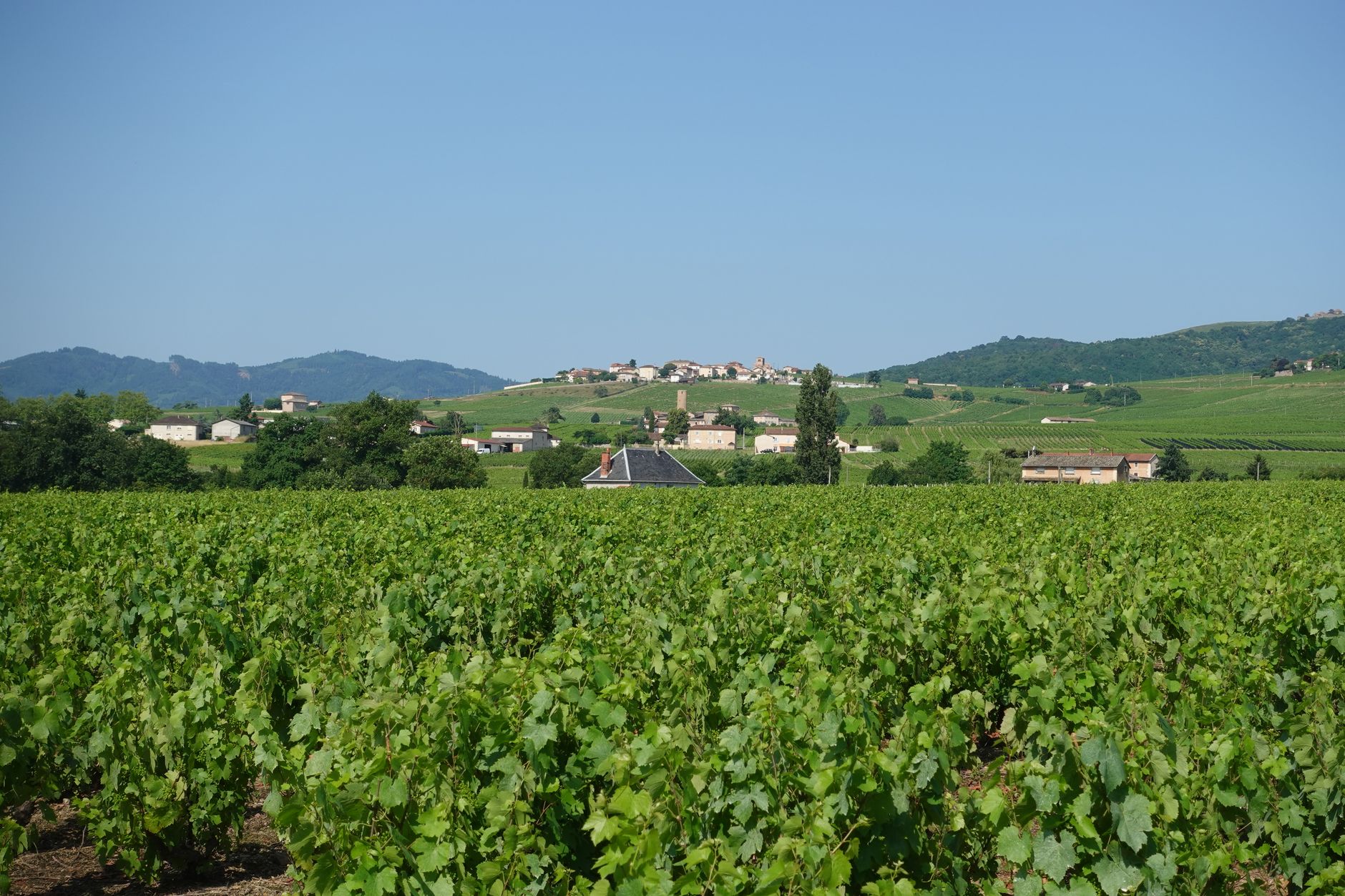
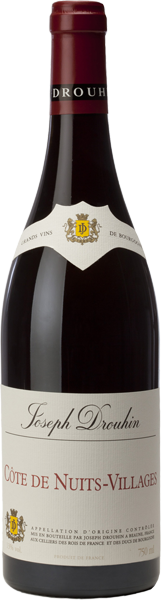
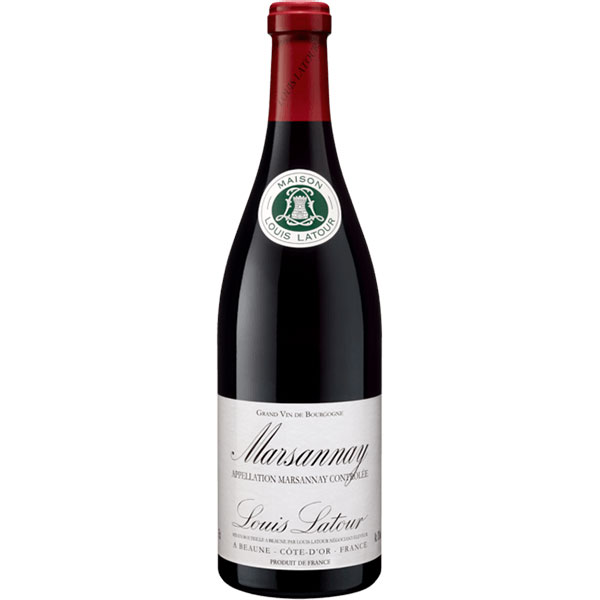
Burgundy, in eastern France, is where Pinot Noir's reputation was built. The region runs roughly 50km north to south, planted almost entirely with Pinot Noir (red) and Chardonnay (white). The classification system — Village, Premier Cru, Grand Cru — divides the best vineyard sites with cartographic precision built over centuries.
What Burgundy Pinot Noir tastes like: red cherry, raspberry, dried rose, damp earth, and a minerality that doesn't come from anywhere else. With age, it develops forest floor, truffle, and gamey notes that serious wine lovers pay thousands of euros to experience.
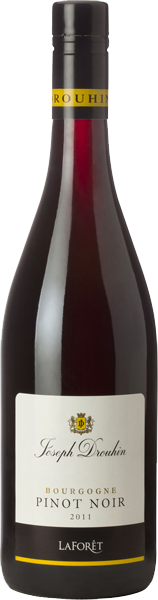
The challenge in Bangkok is that serious Burgundy starts at ฿3,000 and climbs steeply. But entry-level Bourgogne AOC (the regional designation below Village level) offers genuine Pinot Noir character at prices that make sense.
The Domaine De Rochebin Vieilles Vignes Bourgogne Pinot Noir (฿1,100) is the honest entry into real Burgundy. It's a Bourgogne AOC, which means grapes from across the region, but it's made by a serious producer. You'll find red cherry, light earth, and the characteristic Burgundy transparency that heavier reds simply don't have. This is what all the fuss is about, at a price that doesn't require a justification.
The Edouard Delaunay Septembre Bourgogne Pinot Noir AOC (฿1,289) takes it further. Edouard Delaunay is a négociant with a sharp eye for vineyard sourcing. The Septembre range represents carefully selected parcels — there's more weight and complexity here than most Bourgogne AOC. At ฿1,289, it punches well above its classification.
New Zealand Pinot Noir: The Best Alternative Value

If Burgundy is the aspiration, New Zealand is where you get the closest experience at a fraction of the price. Central Otago and Marlborough are the two regions to know.
Central Otago (on South Island) is the world's southernmost wine region — a high-altitude, continental climate with intense UV, cold nights, and a growing season that pushes the grape hard. The style is darker than Burgundy: dark cherry, spice, and a firm structure with real age potential. It's Pinot Noir that announces itself.
Marlborough Pinot Noir (the same region famous for Sauvignon Blanc) is lighter and more Burgundian in style — red fruit forward, more delicate, more transparent. The Waipara Valley adds a limestone influence that produces genuine mineral character.
The Annalina Marlborough Pinot Noir (฿649) is a genuinely surprising wine at this price. Marlborough Pinot at the accessible tier can be thin, but this one has real red fruit concentration and a clean, dry finish. Recommended without reservation.
 New Zealand's Central Otago produces some of the world's most striking Pinot Noir — altitude, cold nights, and schist soil combine in ways Burgundy can't replicate.
Chilean Pinot Noir: The Entry-Level Play

Chile's Casablanca Valley, west of Santiago with direct Pacific Ocean cooling, has become a credible source of cool-climate Pinot Noir at prices that make it genuinely accessible. The style is riper than New Zealand — more black cherry, some plum — but the acidity and structure are there.
The Concha Y Toro Casillero Del Diablo Reserva Pinot Noir (฿569) is the Bangkok entry point. Casillero Del Diablo is Chile's most distributed premium range for good reason — consistent quality at an honest price. The Pinot is light-bodied with red and black cherry and an easy-drinking finish. If you're introducing someone to Pinot Noir for the first time, this is a low-risk ฿569 that won't confuse them.
The Veramonte Reserva Pinot Noir (฿600) from Colchagua Valley adds a touch more weight and herbal character. Veramonte farms organically and the results show in the wine's freshness. Slightly more structured than the Casillero, with a longer finish.
The Accessible Alternative: South Australian Pinot Noir

19 Crimes Pinot Noir (฿595, South Australia) sits in a different category from the above. South Australia is too warm for classically structured Pinot Noir — the wine is rounder, darker, and more immediately approachable, closer to a light Shiraz than a Burgundy in character. The 19 Crimes brand is a reliable, easy-drinking bottle. Buy it for a casual dinner; don't buy it expecting Burgundy.
Pinot Noir by Origin: A Comparison

| Origin | Style | Price Range | Best For |
|---|---|---|---|
| Burgundy, France | Red cherry, earth, mineral | ฿1,000–฿5,000+ | Serious occasions, food pairing |
| Marlborough, NZ | Red fruit, delicate, Burgundian | ฿649–฿1,200 | Everyday premium, Thai food |
| Central Otago, NZ | Dark cherry, spice, structure | ฿800–฿2,500 | Impressive gift, cellar |
| Casablanca, Chile | Fresh red/black cherry, easy | ฿569–฿800 | Introduction, casual evenings |
| South Australia | Ripe, round, approachable | ฿500–฿700 | Casual dinner, everyday red |
Why Pinot Noir Works With Thai Food

The conventional wisdom is that red wine clashes with Thai food — the spice amplifies tannin and creates a bitter, hot sensation. This is true for Cabernet Sauvignon, Shiraz, and other high-tannin reds.
Pinot Noir is the exception. Its low tannin means the spice-tannin clash is minimal. The wine's high acidity keeps it refreshing alongside bold flavours. And the red fruit character can actually complement lighter Thai preparations — duck with tamarind sauce, pork with herbs, grilled chicken.
Specific pairings that work in Bangkok:
- Duck breast in any preparation — the classic Pinot pairing holds globally
- Pla tod (crispy fried fish) with less-spicy preparations
- Chicken dishes — pad see ew, roasted chicken, laab gai with restrained chilli
- Mushroom dishes — the earthy notes in Pinot Noir and mushrooms are natural allies
- Avoid: Massaman curry, tom yum (too spicy), anything with very heavy coconut cream
Keep reading: Cabernet Sauvignon vs. Merlot — What's the Difference? · New Zealand Sauvignon Blanc — Why Bangkok Can't Stop Drinking It · all Wine stories.
FAQ
Why is Burgundy Pinot Noir so much more expensive than New Zealand?
Three factors: reputation (centuries of documentation and status), production constraints (Burgundy's most famous vineyards are tiny — a Grand Cru like Romanée-Conti produces around 3,000 bottles per year globally), and the classification system (Premier Cru and Grand Cru vineyards command premium pricing locked in by generations of demand). New Zealand has no such historical premium and produces at higher volumes. The gap is partly quality, partly story, partly scarcity.
Should Pinot Noir be served warm or cold?
Cooler than room temperature: 14–16°C is ideal. In Bangkok this means putting a Pinot Noir in the refrigerator for about 20 minutes before serving — or serving from a cellar-temperature environment if you have one. A Pinot Noir served at Bangkok ambient temperature (27–30°C) will taste flat, and the alcohol will be more prominent. The red fruit aromatics that make Pinot special emerge at the right serving temperature.
Is a ฿569 Pinot Noir worth buying, or should I always spend more?
The Casillero Del Diablo at ฿569 is worth buying. It's honest Pinot Noir at an honest price — not complex, not age-worthy, but correctly made and immediately enjoyable. If you want Pinot Noir's full range of expression, you need to spend ฿1,000 or more. But the ฿569 bottle is a legitimate drink, not a compromise.
How long can I keep a Pinot Noir before it goes off?
Entry-level Pinot Noir (Chilean, basic NZ) is for drinking within 2–3 years of vintage. Marlborough Pinot from good producers: 3–5 years. Burgundy Village level: 5–8 years. Premier Cru and Grand Cru Burgundy: 10–20+ years. In Bangkok's heat, storage matters enormously — wine deteriorates rapidly at warm temperatures. Without a proper wine fridge (14–16°C), drink your bottles young rather than "saving" them.
What's the difference between Pinot Noir and Pinot Grigio?
Same family name, completely different grape and wine. Pinot Noir (ปิโนต์ นัวร์) is a red grape producing red wine with red fruit, earth, and silk. Pinot Grigio / Pinot Gris is a white or pinkish mutation of the same family, producing white wine with different flavour characteristics entirely — typically lighter, citrusy, and crisp. The Pinot family includes Noir, Gris/Grigio, Blanc, and Meunier — all different wines from related grape clones.