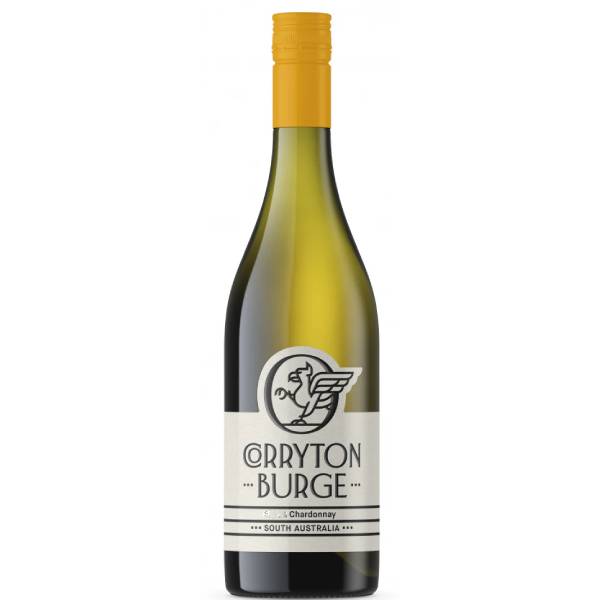
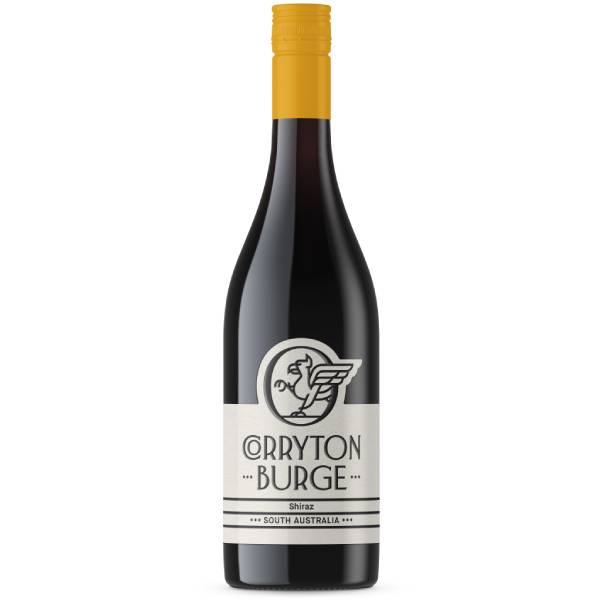
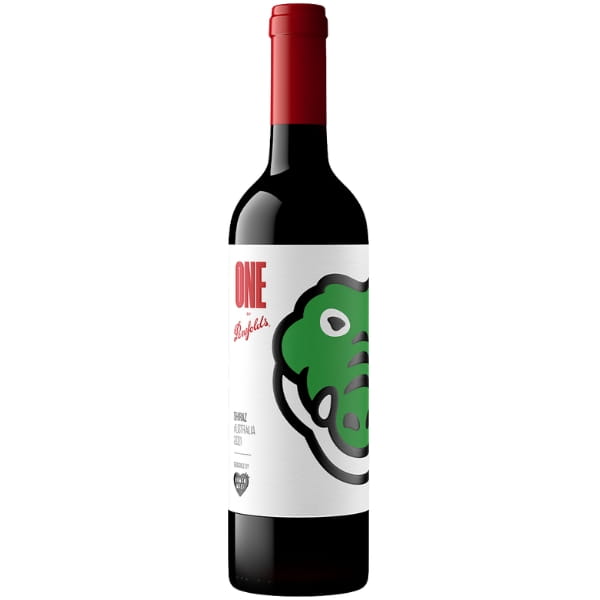
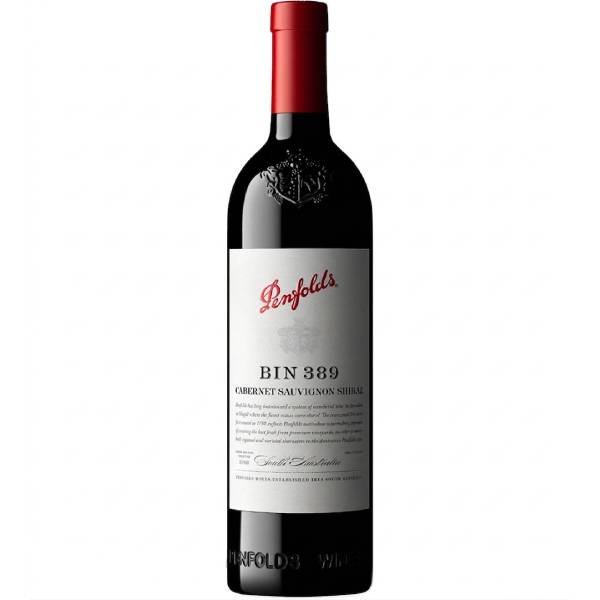
Australia is the country that built wine value. Where France asks you to study appellation law and Italy requires a regional map, Australia puts the grape on the label and delivers the goods at a fair price. For Bangkok shoppers who want quality without lectures, Australian wine punches above its price range consistently.
Here's what you should know, and what you should buy.
Why Australia Over-Delivers on Value

Australian wine's reputation in the mid-price segment comes from a few structural advantages. The climate in the major wine regions is predictable — warm days, moderate nights — which means vintages are more consistent than in Europe's more marginal climates. Production technology in Australia is world-class. And the grape varieties planted (Shiraz, Cabernet Sauvignon, Chardonnay) are internationally understood, which keeps the marketing story simple.
What Australia doesn't have is France's appellation prestige or Italy's ancient classification system. This is actually an advantage for the Bangkok buyer: you're paying for what's in the bottle, not for centuries of perceived status. At the ฿300–฿800 range, this means the quality-per-baht ratio is often the best on the shelf.
The Regions: What to Know
Barossa Valley, South Australia — the heartland of big, bold Shiraz. Ancient vines (some over 100 years old), deep red soils, warm dry climate. Barossa Shiraz is what the world means when it says "Australian red wine" — dark fruit, chocolate, spice, and high alcohol (14–15% is normal). Penfolds Grange comes from here. The style is not subtle; it is not trying to be.
McLaren Vale, South Australia — neighbouring Barossa but with a cooler maritime influence from Gulf St Vincent. McLaren Vale Shiraz tends to be more elegant than Barossa — still rich, but with better acidity and more savoury character.
Coonawarra, South Australia — famous for its distinctive red-over-white terra rossa soil sitting on a bed of limestone. Coonawarra is Cabernet Sauvignon country — the wines have a natural mint and eucalyptus character unique to the region that no other area in the world replicates.
Riverland / South Eastern Australia — the large, warm, high-volume region that supplies most entry-level Australian wine. Efficient farming, consistent quality, honest prices. Wolf Blass, Jacob's Creek, and Banrock Station all source significantly from here. Nothing wrong with that; this is where value comes from.
Shiraz: Australia's Signature Red
 Shiraz is the same grape as France's Syrah — but Australia has made it its own. Where Northern Rhône Syrah is lean, peppery, and savory, Australian Shiraz is typically fuller-bodied, richer, and dark-fruited. The Australian style suits Bangkok's red wine drinker: approachable, generous, no harsh tannin edges.
McGuigan Black Label Red (฿499) is the entry-level door into Australian wine and it opens honestly — a soft, generous multi-grape red from one of Australia's most awarded wineries. Everyday BBQ wine, casual mid-week drinking, or a generous bottle for a group.
Wolf Blass Eaglehawk Shiraz (฿395) is a step up in concentration and varietal clarity. Eaglehawk is Wolf Blass's entry tier, but it's made with the same blending philosophy that makes Wolf Blass one of Australia's most consistently decorated producers. Black cherry, vanilla, and a touch of oak — correct and satisfying.
Penfolds Koonunga Hill Shiraz Cabernet (฿695, South Australia) is the smartest brand-name step in the lineup — the entry point to Australia's most famous wine house. Medium-bodied, reliable, food-friendly, and an easy way to put the Penfolds name on a weeknight table.
Chardonnay: The Oaked vs Unoaked Debate
 Australian Chardonnay spent the 1990s making heavily oaked, buttery, full-bodied white wines that divided opinion and eventually provoked a backlash. The "ABC" (Anything But Chardonnay) movement was largely aimed at this style.
Australian winemakers responded by learning restraint. Contemporary Australian Chardonnay is better calibrated — still richer than a Chablis or a Sauvignon Blanc, but with more freshness and less heavy oak than the 1990s monster. The best examples from Margaret River and Adelaide Hills are genuinely world-class.
At the Bangkok accessible tier, Australian Chardonnay remains one of the most reliable comfort-drink whites on the shelf.
Wolf Blass Eaglehawk Chardonnay (฿395) delivers exactly what the Bangkok market wants: ripe stone fruit (peach, nectarine), a touch of vanilla from light oak contact, and enough acidity to stay refreshing. Serve cold. Pair with grilled chicken, seafood, or nothing at all. This is an honest, uncomplicated white wine at a price that doesn't require deliberation.
Rosé: Australian Style
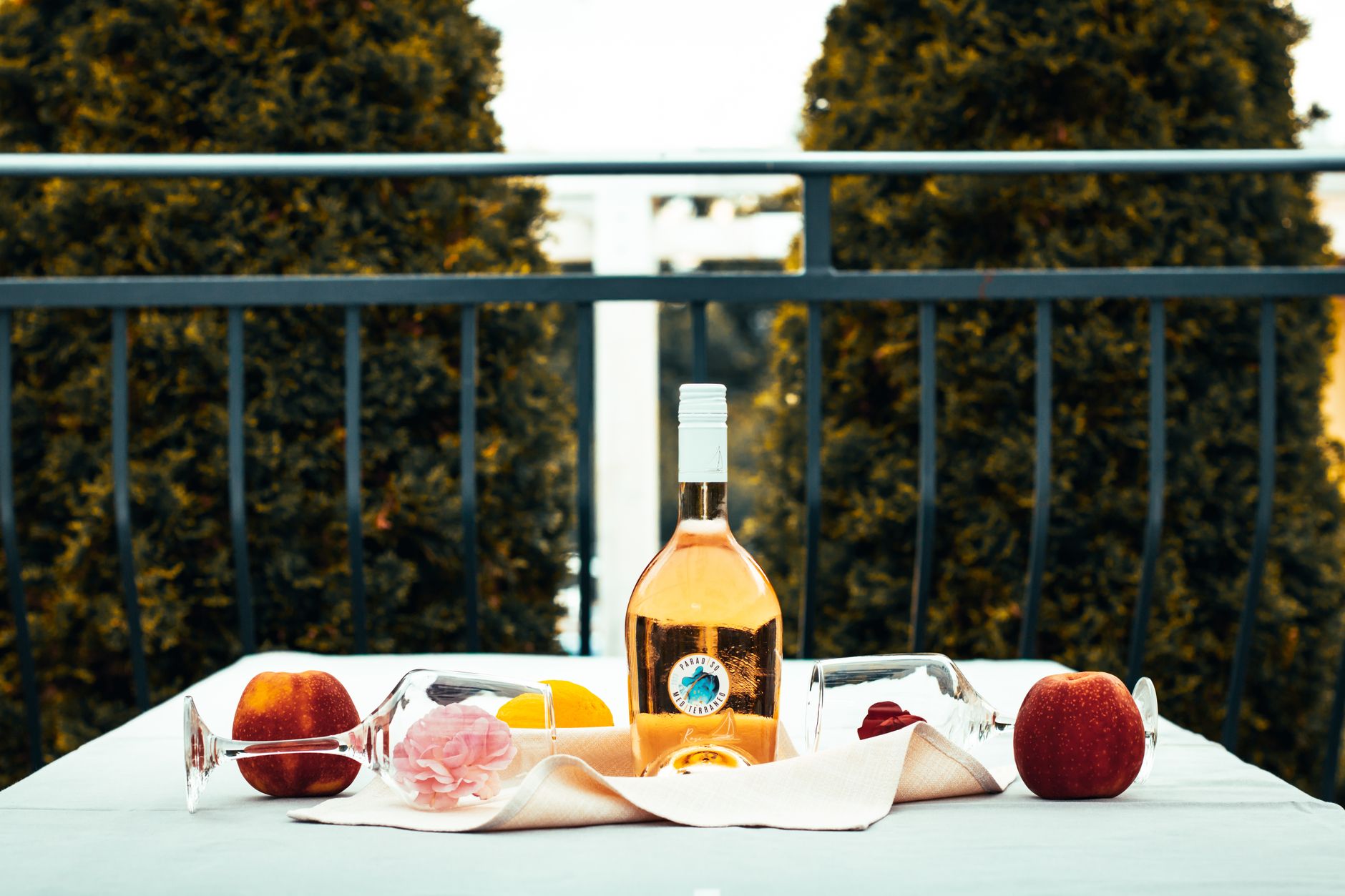
Banrock Station Rosé (฿509, Riverland) is the Australian entry-point for rosé. Riverland's warm climate produces a fruitier, off-dry style compared to the dry, mineral Provençal rosés that dominate the premium end. Banrock Station Rosé is salmon pink, strawberry and watermelon forward, and slightly off-dry — which makes it accessible and crowd-pleasing. On a Bangkok rooftop in the heat, this is a better choice than staring at a wine menu.
Cabernet Sauvignon: The Structured Red
Wolf Blass Eaglehawk Cabernet Sauvignon (฿395) is the full-tannic Australian entry — dark fruit, cedar, and a firmer finish than the Shiraz. Cabernet Sauvignon in South Australia's warm climate produces ripe, accessible tannins rather than the astringent grip of a young Bordeaux. If you want a red wine that can stand up to grilled red meat or a rich Thai curry, this is the bottle.
The Australian Wine Value Comparison
| Wine | Price | Style | Best With |
|---|---|---|---|
| Jacob's Creek Shiraz Cabernet | ฿319 | Light-medium, fruity | Everyday meals, BBQ |
| Wolf Blass Eaglehawk Shiraz | ฿395 | Medium, dark cherry | Grilled meats, burgers |
| Wolf Blass Eaglehawk Cab Sauv | ฿395 | Medium-full, structured | Red meat, rich dishes |
| Wolf Blass Eaglehawk Chardonnay | ฿395 | Medium-bodied, stone fruit | Chicken, seafood, solo |
| Banrock Station Rosé | ฿509 | Fruity, off-dry | Rooftop, light snacks |
| 19 Crimes Pinot Noir | ฿595 | Light-medium, approachable | Casual evenings, poultry |
Australian Wine and Bangkok Weather
Here's the honest truth about Australian wine in Bangkok: the red wine styles (bold Shiraz, structured Cab) are best suited to air-conditioned environments. A full-bodied Barossa Shiraz at 35°C outdoor temperature is not a comfortable drink — the alcohol warmth compounds the ambient heat.
At Bangkok temperatures, the Wolf Blass and Jacob's Creek whites and rosé are the smarter outdoor choices. For red wine outdoors, keep it lightly chilled (15 minutes in the fridge before serving) and choose the lighter styles — 19 Crimes Pinot or the Shiraz-Cabernet blend rather than the pure Shiraz.
Indoors, under air conditioning, the Shiraz shines. It's a wine built for the temperature control that Bangkok interiors provide.
Keep reading: New Zealand Sauvignon Blanc — Why Bangkok Can't Stop Drinking It · Pinot Noir — A Bangkok Buyer's Guide · all Wine stories.
FAQ
What is the difference between Australian Shiraz and French Syrah?
They are the same grape variety — DNA identical. The difference is where and how they are grown. Northern Rhône Syrah (Hermitage, Côte-Rôtie) is grown in a cooler, more marginal climate that produces a leaner, more peppery, savory style with higher acidity. Australian Shiraz, particularly from Barossa, is grown in warm conditions that produce darker fruit, more body, higher alcohol, and often a chocolatey richness. Both are excellent; they're just different expressions of the same genetic material.
Is Australian wine good quality, or just cheap?
Both. The accessible tier (฿300–฿600) is genuinely well-made for its price — Australia has world-class winemaking technology and doesn't cut corners on production even at this level. The upper tier — Penfolds, Henschke, Torbreck, Yalumba Signature — competes with the world's best and is priced accordingly. The popular perception that Australian wine is only for cheap drinking is outdated; the category has serious prestige wines at the top end.
What Australian wine would you recommend as a gift in Bangkok?
For a guest who drinks red wine casually, Wolf Blass Eaglehawk Shiraz (฿395) is reliable and well-presented. For a more impressive gift, look at the Wolf Blass Yellow Label range (one tier up from Eaglehawk) or a Jacob's Creek Reserve label — both offer more sophistication at around ฿600–฿900. If you know they like bold reds, anything from the Penfolds Koonunga Hill range makes a genuinely impressive gesture.
What food pairs best with Australian Shiraz?
Australian Shiraz is built for protein. Grilled red meat — beef, lamb, pork — is the classic match. The wine's dark fruit and moderate tannin complement the charred, fatty richness of BBQ meat perfectly. In Bangkok context: beef steak restaurants, Korean BBQ, yakiniku. It also holds its own with strong cheese and can work with rich tomato-based pasta or pizza.
Does Australia make anything besides Shiraz and Chardonnay worth trying?
Yes. Grenache (particularly from McLaren Vale) has become one of Australia's most exciting categories — fragrant, red-fruited, elegant in a way that surprises those expecting Shiraz weight. Riesling from Clare Valley and Eden Valley is some of the most age-worthy and distinctive in the world. Semillon from Hunter Valley ages uniquely — young it's crisp and citrusy, aged (10–15 years) it develops honeyed, toasty complexity unlike anything else. These styles are harder to find in Bangkok's current retail range but worth seeking if you see them.