Our spirits guides cover gin, rum, and tequila in depth — but Cognac has an image problem in Bangkok — either it's the bottle gathering dust at the back of a hotel bar, poured as an afterthought digestif, or it's a five-figure trophy bottle nobody actually opens. Neither does the spirit justice. Good Cognac is one of the most technically demanding spirits in the world to make, aged for years in French oak under strict regional law, and at the VSOP tier it's genuinely competitive with any aged whisky at the same price. This is the guide to buying it properly.
What "Cognac" Actually Means
Cognac isn't a style of brandy — it's a legally protected designation, like Champagne. It can only be made from grapes grown in the Cognac region of southwestern France (centered on the Charente), distilled twice in copper pot stills, and aged in French oak barrels for a legally mandated minimum period. Anything that doesn't meet those rules is just brandy, wherever it's made.
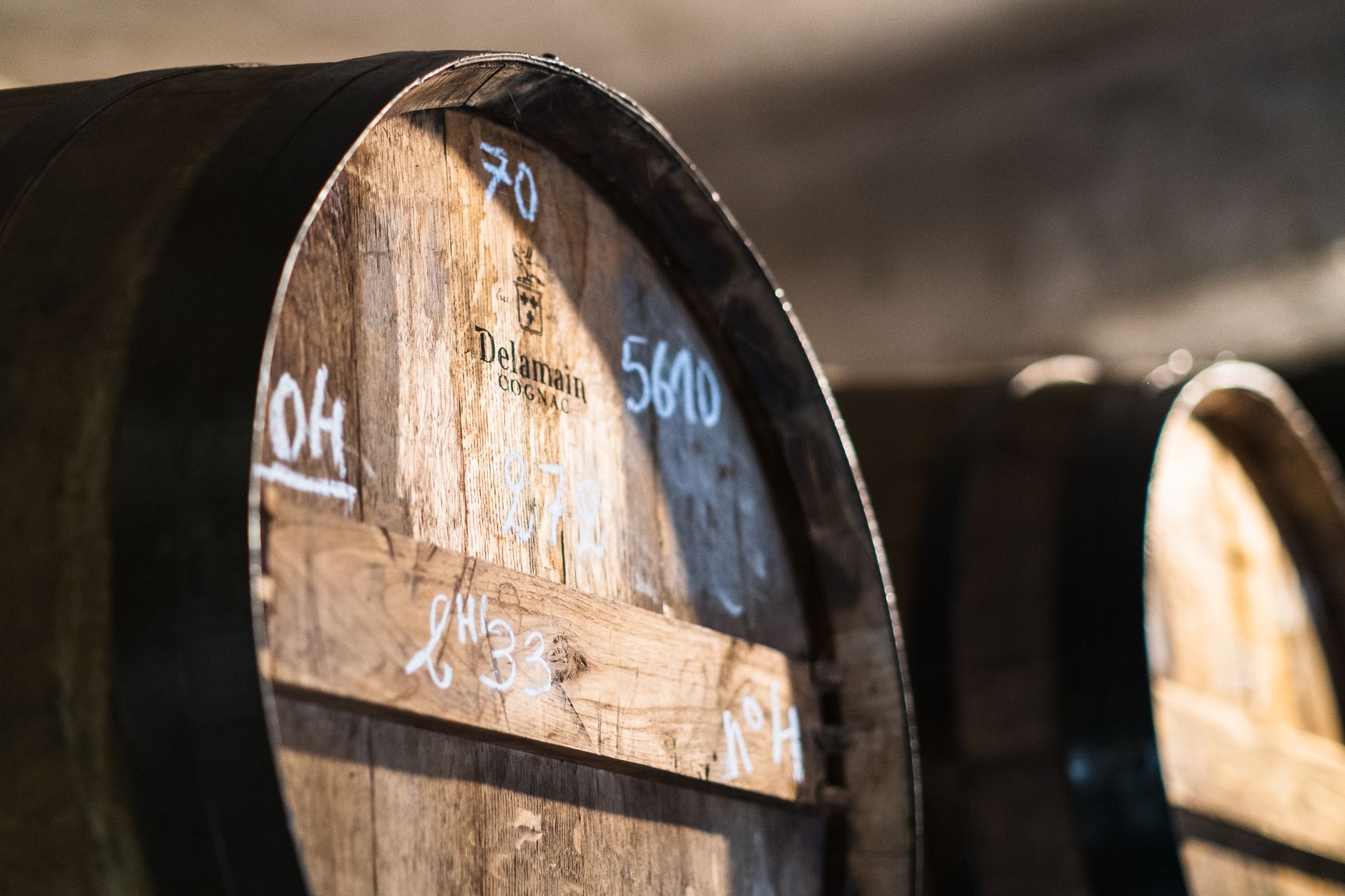
The age grades on the label tell you the minimum time the youngest component spent in oak — most serious houses blend well past the minimum, so a VSOP from a good producer often tastes older than its label suggests.
- VS (Very Special) — minimum 2 years in oak. Youthful, fruit-forward, the entry tier.
- VSOP (Very Superior Old Pale) — minimum 4 years. The sweet spot for most drinkers: enough oak influence to add spice and depth without losing the fruit.
- XO (Extra Old) — minimum 10 years (raised from 6 in 2018). Dried fruit, leather, baking spice — this is where Cognac starts to resemble a serious aged whisky in complexity.
VSOP: Where to Actually Start
If you're buying your first serious bottle of Cognac, start at VSOP. It's the tier where the oak aging is obvious but the spirit hasn't yet cost you a month's rent.
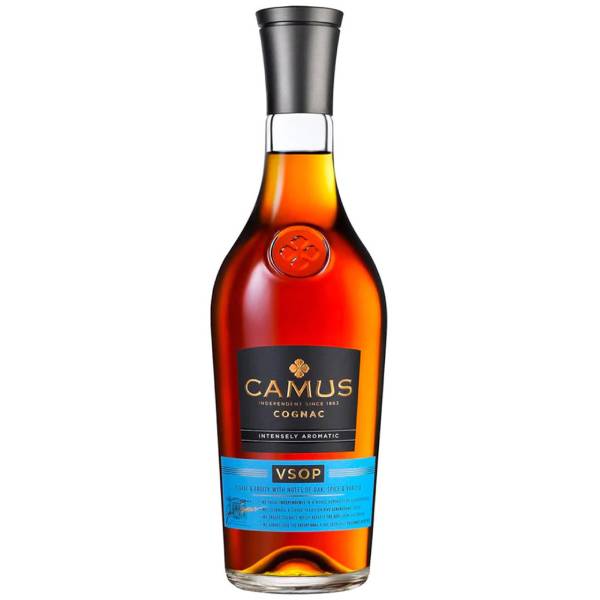
Camus Cognac Île de Ré Fine Island — ฿2,290
Camus is one of the last major family-owned Cognac houses, and Île de Ré is their coastal-terroir expression — a touch saltier and more mineral than the house's mainland blends, aged partly near the Atlantic. A genuinely distinctive entry point, not a generic VS.
Pierre Ferrand Original 1840 Cognac — ฿2,709
Pierre Ferrand built its reputation among bartenders before wine drinkers caught on — Original 1840 recreates a pre-phylloxera Cognac style using a higher proportion of Folle Blanche grape, giving it more weight and spice than a typical VSOP. It's the bottle serious cocktail bars reach for when a recipe calls for real Cognac, not a placeholder.
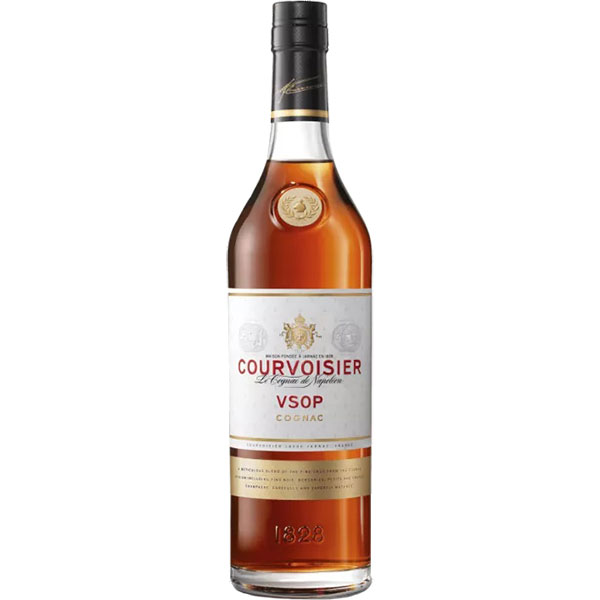
Courvoisier VSOP Cognac — ฿3,299
Courvoisier is one of the "big four" Cognac houses and the safest recognizable name on this list — smooth, balanced, reliably well-made. A sensible gift bottle or a dependable everyday-serious pour.
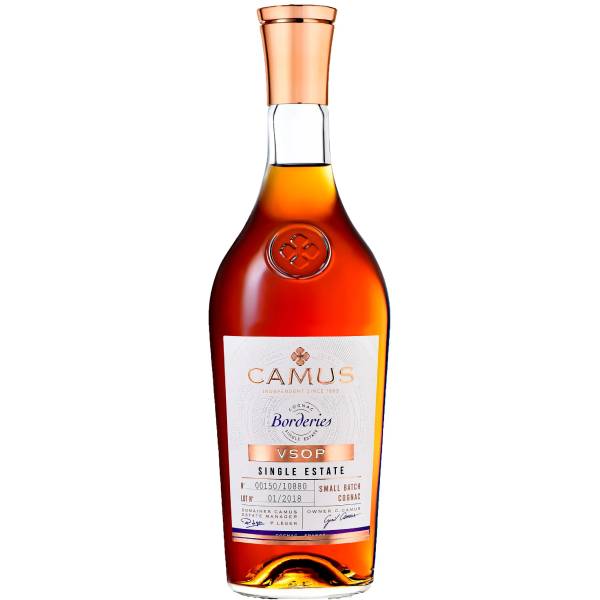
Camus Cognac VSOP Borderies — ฿3,600
Borderies is the smallest and rarest of Cognac's six growing crus, prized for a distinctive violet and nutty character that larger houses rarely bottle on its own. Camus is one of the few producers with meaningful Borderies vineyard holdings — this is a genuine single-cru expression, not a blend.
XO: When You Want to Taste What Time Does
Rémy Martin 1738 Accord Royal Cognac — ฿3,989
Technically positioned between VSOP and XO, 1738 draws only from Grande and Petite Champagne crus — Cognac's two most prestigious growing zones. Named for the year Rémy Martin's founding house was granted a royal warrant, it's rounder and spicier than standard VSOP, without XO pricing.
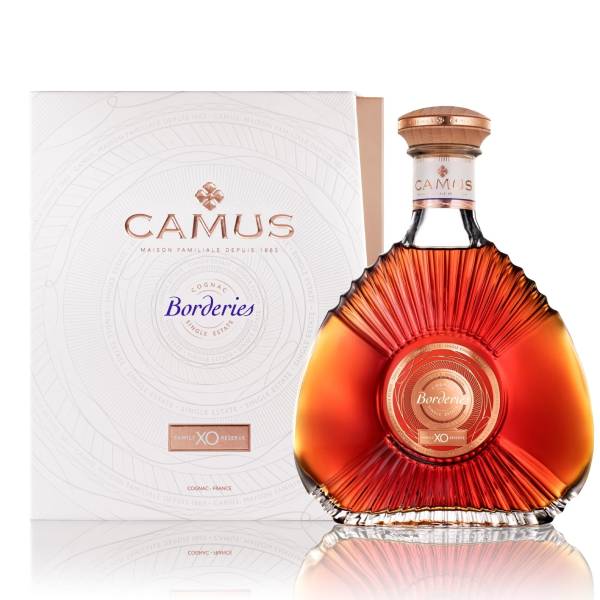
Camus Cognac XO Borderies — ฿8,400
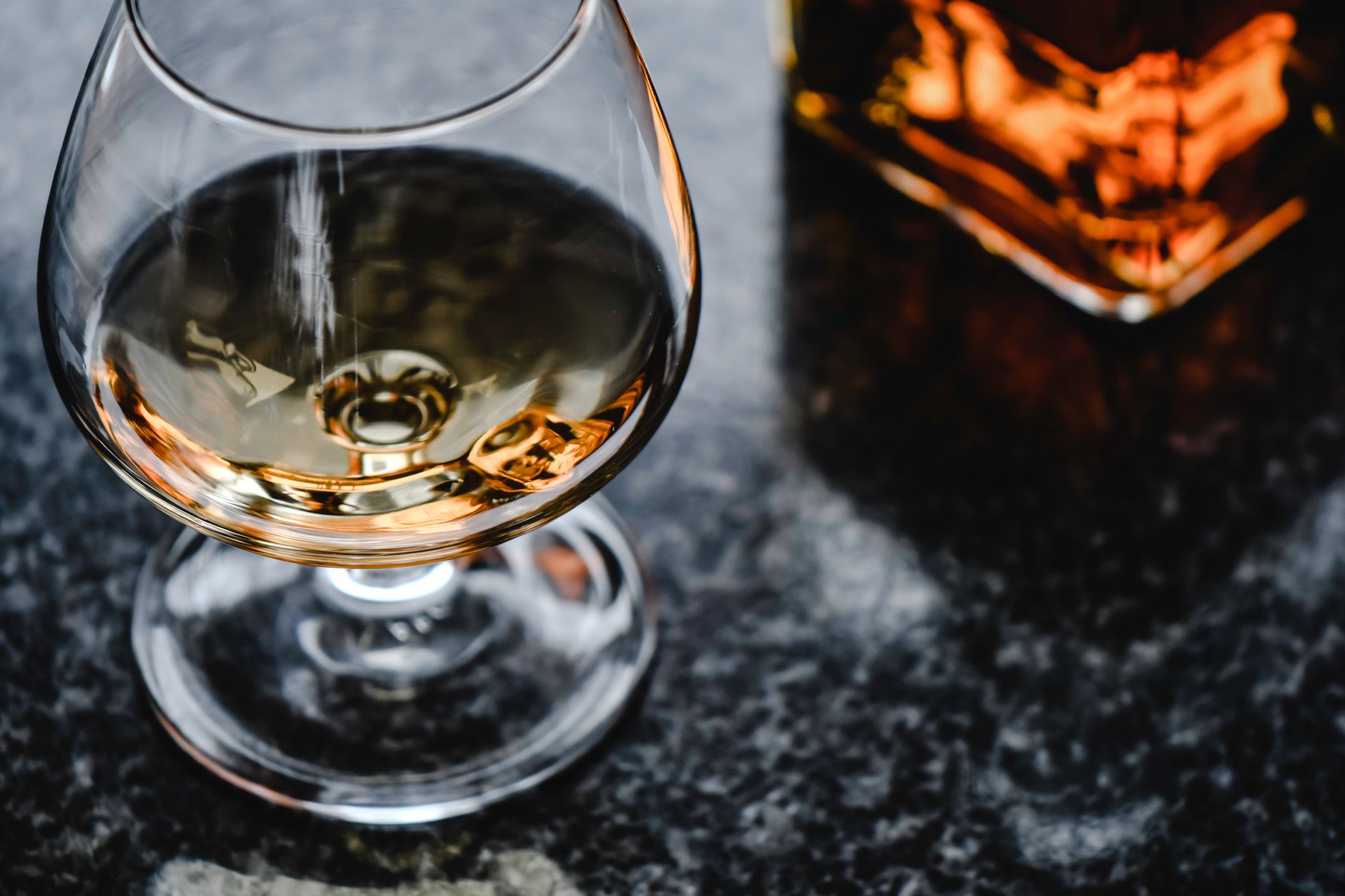
The XO expression of Camus's rare Borderies cru — a decade-plus of oak has layered dried apricot, toffee, and toasted spice over that signature floral base. This is a sipping Cognac in the fullest sense: pour it neat, in a tulip glass, and give it fifteen minutes to open.
Michel Forgeron Cognac XO Carafe — ฿8,579
Michel Forgeron is a small, family-run house rather than one of the big négociants — the XO comes in a hand-finished carafe and shows the kind of individual character (dried fig, cocoa, a long dry finish) that larger blended houses tend to smooth away. Worth seeking out if you want something a hotel bar won't have.
How to Actually Drink It
Cognac doesn't need to be a special-occasion-only pour. VS and young VSOP work well in cocktails — a Sidecar or a French Connection puts the spirit's fruit and spice on full display without demanding reverence. XO and older expressions are better served neat or with a single large ice cube, in a tulip-shaped glass that concentrates the aroma rather than a wide balloon snifter (which lets it evaporate too fast). If you're building out a home spirits collection alongside gin or rum, a VSOP Cognac is the natural next category — same aged-in-oak logic, entirely different flavor world.
FAQ
What is the difference between VS, VSOP, and XO Cognac?
The grades indicate the minimum time the youngest spirit in the blend spent aging in French oak: VS is at least 2 years, VSOP at least 4 years, and XO at least 10 years. Most quality producers age well beyond the legal minimum, so the actual age inside a bottle is often higher than the label technically requires.
Is Cognac just brandy?
All Cognac is brandy, but not all brandy is Cognac. Cognac is a legally protected designation — it must be made from grapes grown in France's Cognac region, double-distilled in copper pot stills, and aged under strict regional rules. Brandy made anywhere else, or without meeting those requirements, cannot legally use the name.
What is the best Cognac for a beginner?
A good VSOP — like Camus Île de Ré or Pierre Ferrand Original 1840 — is the ideal starting point. It has enough oak-driven complexity to show what Cognac is capable of without the price or intensity of an XO.
Should Cognac be served neat or with ice?
Both are acceptable. Younger, lighter expressions (VS, young VSOP) hold up fine with a large ice cube or in a cocktail. Older, more complex expressions (XO and above) are best served neat in a tulip glass, which concentrates the aroma better than a wide snifter.
What food pairs with Cognac?
Cognac's dried-fruit and oak character pairs naturally with hard cheese, dark chocolate, and roasted nuts. XO expressions in particular work well after a meal in place of a dessert course.