Gin is having its moment in Bangkok, and for once the hype is justified. A spirit that was nearly written off as your grandmother's drink has been completely reinvented — and Bangkok, with its access to Japanese craft gin and Thai botanical producers, is one of the best cities in Southeast Asia to explore the category.
Here's what you need to know.
What Defines Gin
Gin starts as a neutral grain spirit — essentially high-quality vodka, typically distilled from wheat or corn. What separates gin from vodka is the mandatory addition of juniper berries and a selection of other botanicals, which are either macerated in the spirit or infused during a second distillation.
Juniper is not optional. By legal definition in most jurisdictions (including the EU, UK, and most international standards), a spirit must have a "predominant" juniper character to be called gin. Everything else — the citrus, the floral notes, the spices, the herbs — is layered on top of that juniper foundation.
This botanical flexibility is what makes gin so varied. A London Dry and a Japanese craft gin both start from the same place (neutral spirit + juniper) but can taste almost nothing alike once the respective distillers add their signature botanicals.
The Styles: London Dry vs Contemporary
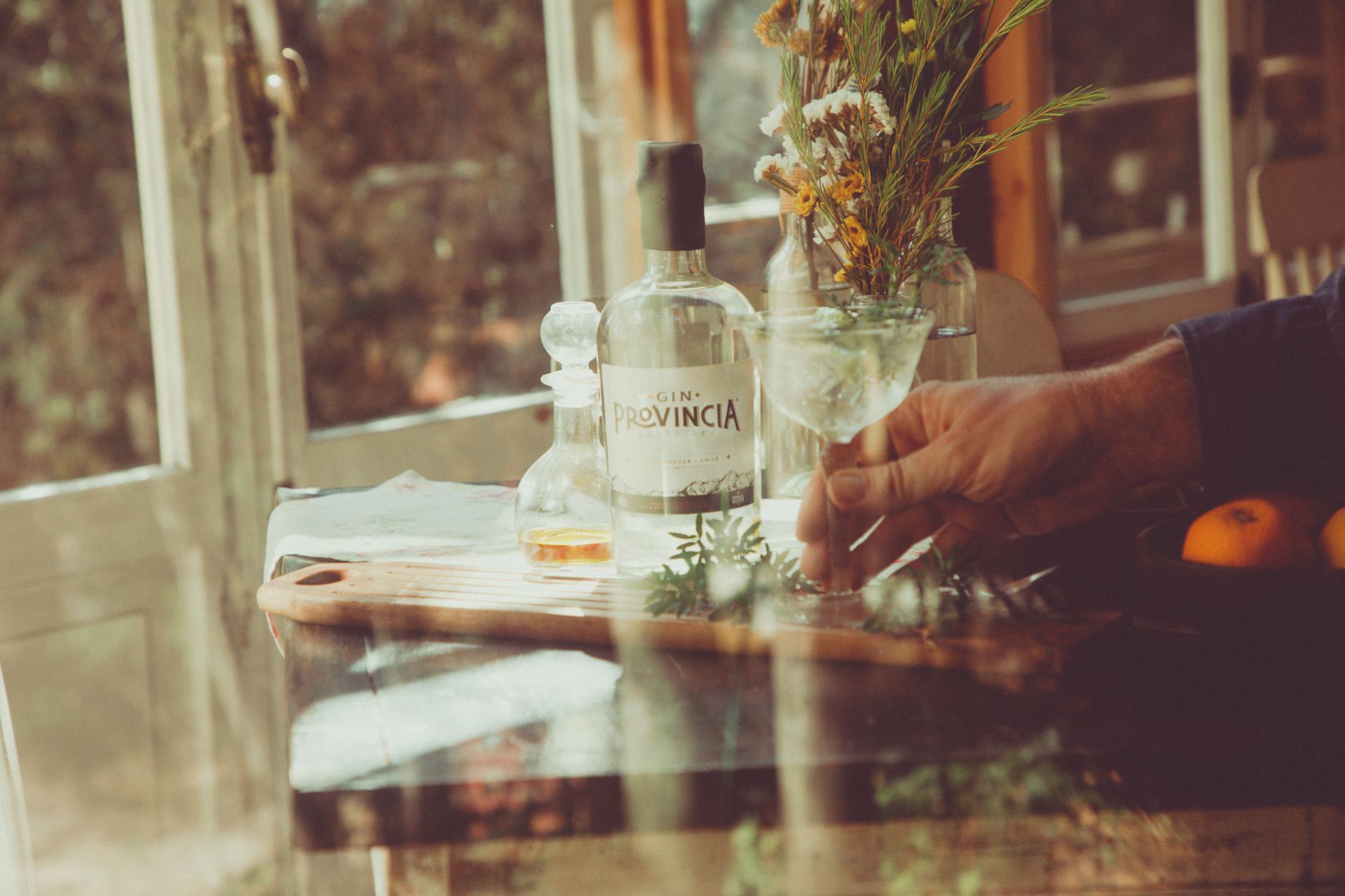
London Dry Gin
Despite the name, London Dry can be made anywhere in the world. The "London Dry" designation is a production standard, not a geographic indicator. It means:
- All botanicals are added during distillation (not after)
- No artificial flavourings or colourings are added
- Very limited post-distillation sweetening (under 0.1g sugar per litre)
- The juniper character must be dominant
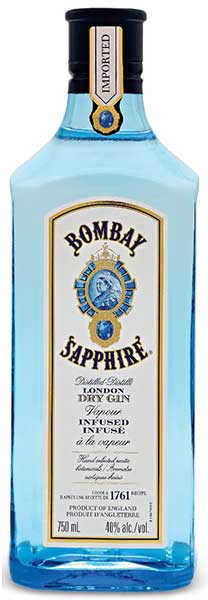
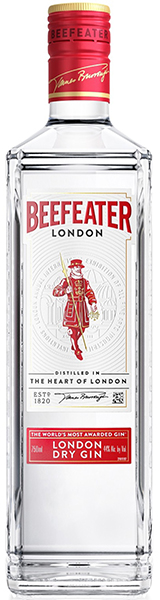
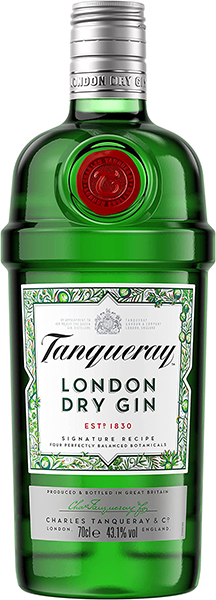
London Dry is the classic style: dry, juniper-forward, bracing. It's what cocktail purists use in Martinis and what the Gin & Tonic was invented around. Beefeater, Gordon's, Tanqueray, Bulldog — all London Dry. The flavour profile is reliable and defined.
Contemporary / New Western Style
Contemporary gins don't follow London Dry's rules. Distillers can add flavour post-distillation, use coloured botanicals (hence the "pink gin" phenomenon), and let other botanicals — rose, cucumber, yuzu, local herbs — take the lead over juniper. The result is gin that's softer, fruitier, more approachable, and sometimes controversial among traditionalists.
Neither style is wrong. They serve different purposes and different palates.
The gin shelf has become one of the most varied in any good bottle shop — the range from entry London Dry to Japanese craft to Thai botanical spans an enormous flavour territory.
Japanese Craft Gin: Precision in a Bottle
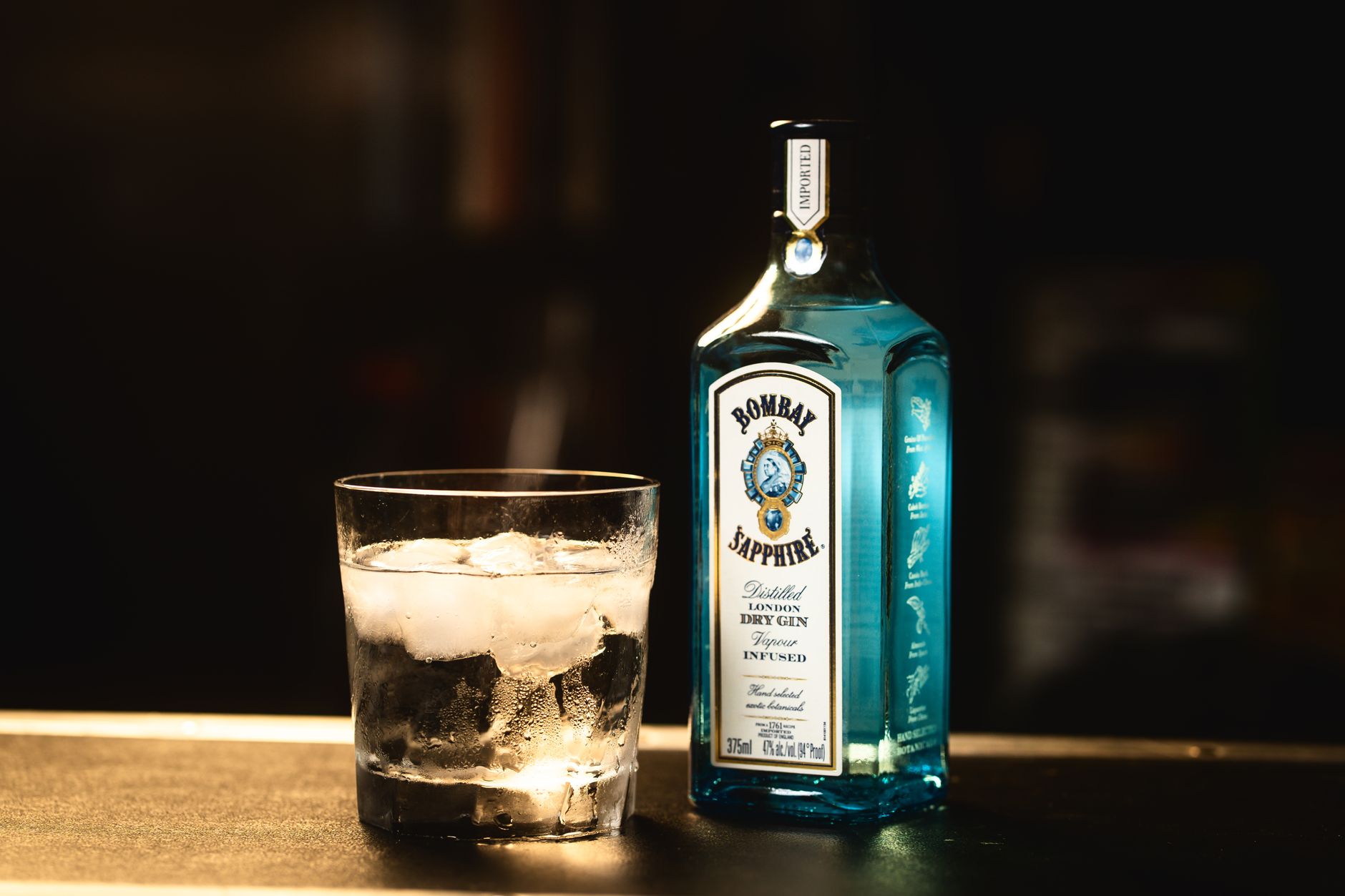
Japan has applied its signature approach — meticulous technique, local ingredients, restrained elegance — to gin production, and the results are some of the most exciting spirits of the last decade.
Japanese craft gins typically start with a neutral rice spirit or wheat spirit base (some use sake lees) and layer in botanical combinations that draw heavily on native Japanese botanicals: yuzu, sakura (cherry blossom), shiso, sencha tea, sansho pepper, hinoki wood. The juniper is present but often plays a supporting role, allowing the Japanese botanicals to carry the profile.
The style is subtle and precise — less aggressive than a London Dry, more complex than many contemporary gins.
Suntory Sui Japanese Craft Gin (฿835, Tokyo) is the entry point into Japanese gin at Bangkok's retail price. Suntory — makers of Yamazaki and Hibiki whisky — brings the same obsessive quality control to Sui. The botanical blend includes yuzu, Japanese plum (ume), ginger, and green tea, resulting in a gin that's simultaneously familiar (juniper-present) and distinctly Japanese (citrus-floral, delicate). Excellent in a G&T with tonic water and a slice of yuzu or cucumber. Don't bury it in a complex cocktail — the subtlety disappears.
Thai Botanical Gin: Bangkok's Local Chapter
Bangkok sits in a region of extraordinary botanical diversity. Thai herbs — galangal, lemongrass, kaffir lime leaf, butterfly pea flower, pandan, and dozens of others — are the building blocks of the cuisine. It was only a matter of time before someone applied them to gin.
Thailand's craft distilling scene has produced genuinely excellent gin using locally sourced botanicals, and Chiang Mai has emerged as the centre of Thai craft spirits production.
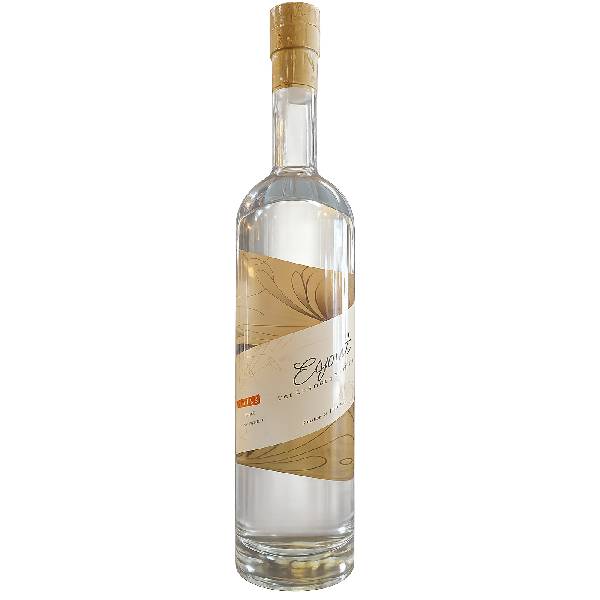
Inchon Esprit Des Champs Tranquilles Gin (฿949, Chiang Mai) is one of Thailand's most interesting gins and worth highlighting at length. Made in Chiang Mai by a small craft distillery, it uses botanicals grown in northern Thailand's highlands — the cooler climate of Chiang Rai and Chiang Mai produces herbs with more aromatic intensity than those grown in the heat of the central plains. The botanical profile draws on local spices and herbs that give the gin a character that is unmistakably Thai without being a novelty act.
Inchon Chiang Rai Greentea & Botanicals Gin (฿949, Chiang Rai) is Inchon's tea expression — green tea from Chiang Rai's tea-growing highlands forms a central botanical, creating a gin with a grassy, slightly astringent tea note alongside the juniper. This is not a gin-tonic gin; it's a sipping gin or a gin for cocktails where you want the gin to be the story, not a background character. Try it with still water and a single ice cube.
The Range: Entry to Premium
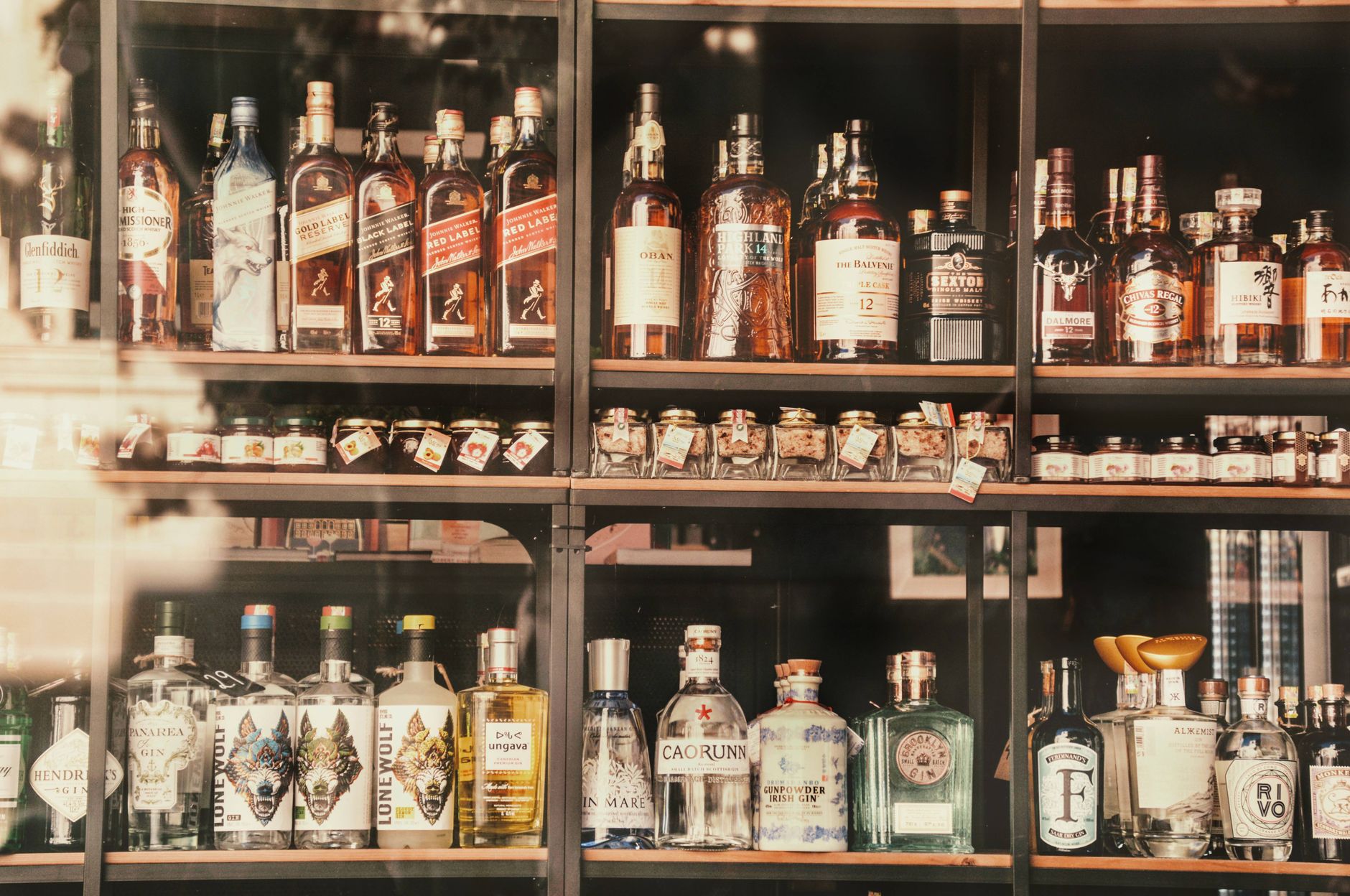
Gilbey's Gin (฿399) is the entry-level London Dry option in this guide — a 150-year-old name that makes an honest, juniper-forward G&T for less than the price of two cocktails in Thonglor.
Zafiro Classic Gin (฿720, Catalonia, Spain) brings Mediterranean botanical influences to a London Dry framework. Spanish craft gin has emerged as a serious category — the Mediterranean flora (rosemary, thyme, citrus, coriander) creates a more herbaceous, aromatic profile than the classic English London Dry style. Zafiro is a well-made entry into this space.
Bulldog London Dry Gin (฿769) is the most accessible premium London Dry widely available in Bangkok. Bulldog uses a 12-botanical recipe including lotus leaf, dragon eye, and poppy — which gives it a slightly smoother, rounder character than the most austere London Dry styles, while staying firmly within the juniper-forward London Dry framework. Works well in both a Martini and a G&T. The bottle design is distinctive enough that it presents well as a gift.
The Gin & Tonic: Getting It Right

The G&T is not as simple as "gin plus tonic." Small decisions make significant differences.
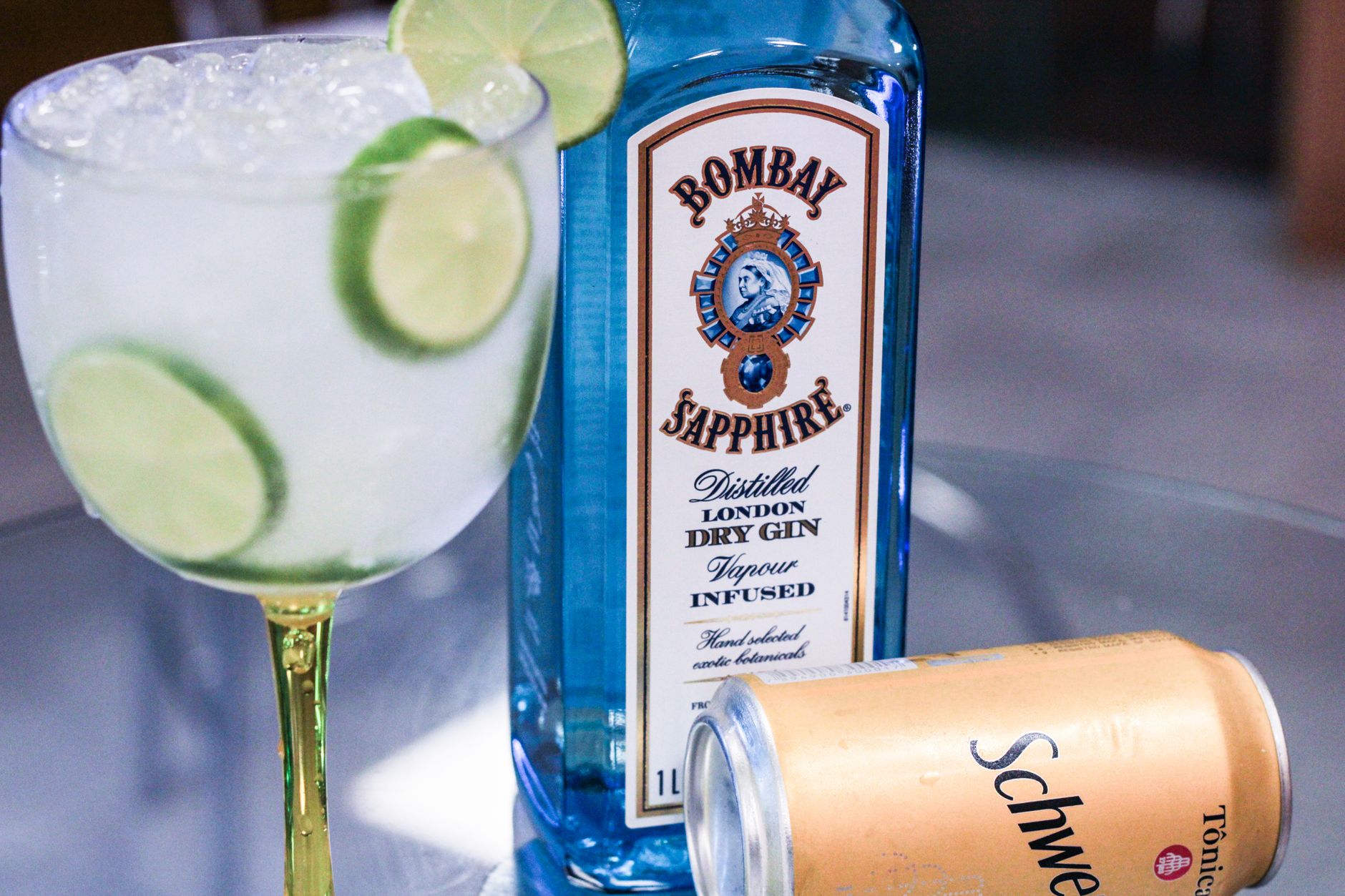
Gin ratio: 1 part gin to 3 parts tonic (a 50ml gin to 150ml tonic is standard). More than this and you're drinking tonic water with gin flavour. Less and it's too spirit-forward for most palates.
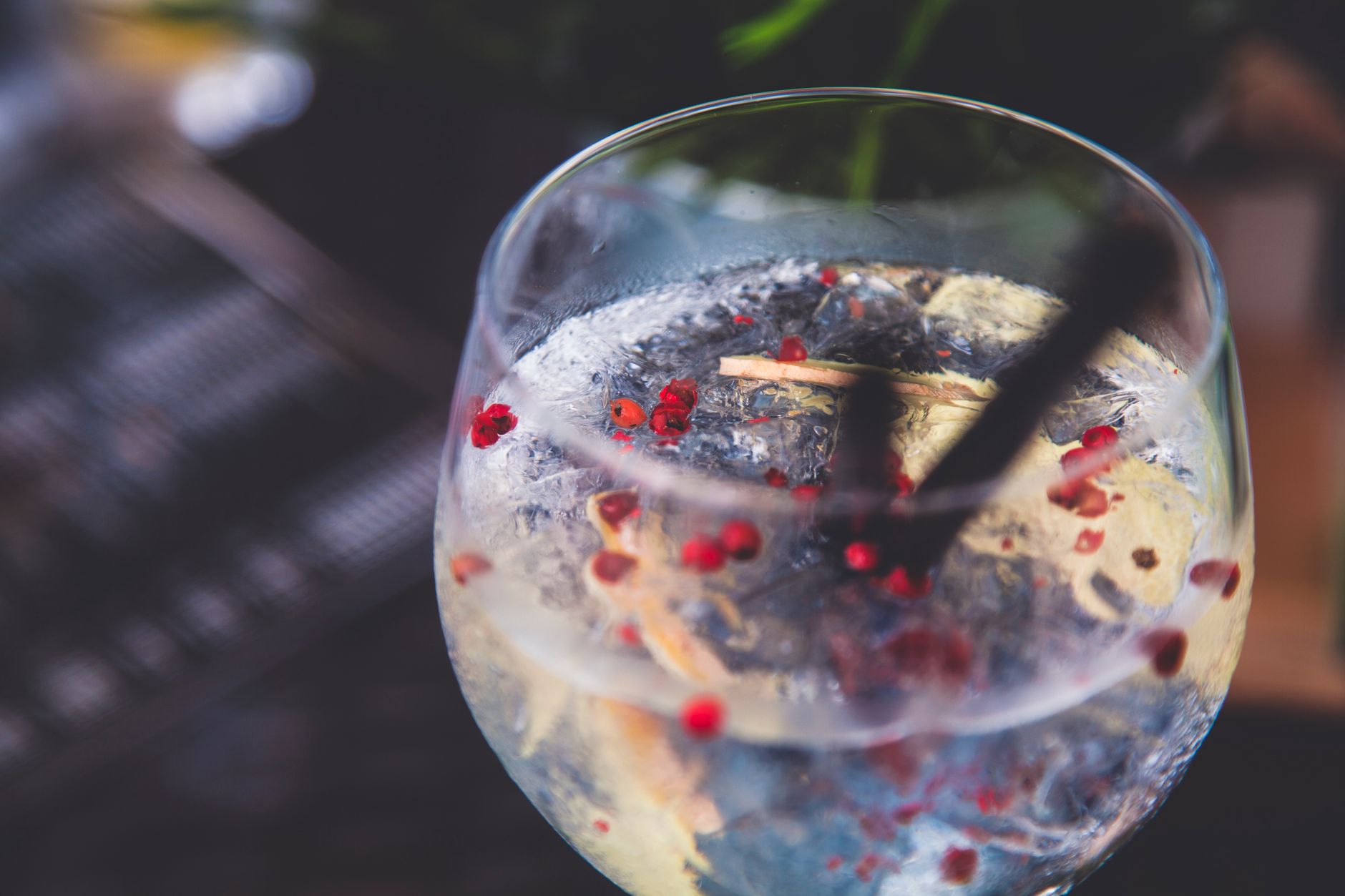
Ice: Fill the glass entirely with ice — not a few cubes at the bottom. A copa de balon (the round, bulbous Spanish gin glass) or a large wine glass works best. The large surface area concentrates the aromatics.
Tonic water: This matters more than most people think. A quality tonic (Fever-Tree, 1724) uses natural quinine from the Andes and real botanical flavours. A cheap tonic uses synthetic quinine and high-fructose corn syrup. The gin quality ceiling is limited by the tonic underneath it — a ฿949 Thai botanical gin in cheap tonic is a waste.
Garnish: Match the garnish to the gin's botanical profile. Bulldog (lotus leaf) → cucumber slice. Suntory Sui (yuzu) → yuzu peel or lime. Inchon (Thai botanicals) → kaffir lime leaf or lemongrass stalk. The garnish should reinforce the gin's character, not mask it.
Classic Gin Cocktails

The Martini — Gin, dry vermouth, olive or lemon twist. The ratio is personal (from 2:1 to 15:1 gin:vermouth depending on how dry you want it). Use a London Dry. Stir, don't shake (shaking clouds it). This is gin at its most architectural — every ingredient is exposed. A Bulldog or quality London Dry at minimum.
The Negroni — Equal parts gin, sweet vermouth, Campari. Stirred, served on ice, orange peel. The gin needs body to stand up to Campari's bitterness — a full-bodied London Dry is correct. The Negroni is the gateway cocktail that converts whisky drinkers to gin.
The Tom Collins — Gin, fresh lemon juice, simple syrup, soda water. Long, refreshing, a Bangkok summer drink. Works with virtually any gin; a Silver Top or Bulldog is fine here.
The Bramble — Gin, lemon juice, simple syrup, crème de mûre (blackberry liqueur). Crushed ice. A cocktail that makes gin accessible to people who think they don't like gin.
Bangkok's Gin Scene
Bangkok's cocktail bars have embraced gin more enthusiastically than almost any other spirit. The Bangkok bar scene's affinity for local ingredients — lemongrass, kaffir lime, galangal, butterfly pea flower — translates naturally into gin cocktail building. You'll find Butterfly Pea Flower G&Ts (the drink turns colour with tonic's acidity) at most quality cocktail bars. The Negroni is now a Bangkok staple.
For dedicated gin exploration, bars in the Thonglor and Ari areas tend to have the deepest gin selections. If you see Thai craft gins on the menu (Inchon, Chalong Bay's gin offering, or local small-batch producers), order them — you're drinking something made from the same ingredients your dinner was cooked with, and that specificity of place is what craft spirits are for.
Keep reading: Tequila & Mezcal in Bangkok — What to Buy and How to Drink It · all Spirits stories.
FAQ
What is the difference between gin and vodka?
Both start as neutral grain spirits. Vodka is designed to be odourless and tasteless — the goal is purity with no aromatic character. Gin is the same neutral base with juniper berries and other botanicals either macerated or redistilled through it, giving it distinct aromatic and flavour character. The legal minimum is that the juniper character must dominate. Everything after that is the distiller's artistic choice.
Why does my gin turn blue-purple when I add tonic?
You're drinking a gin made with butterfly pea flower (Clitoria ternatea) — a Thai flower that produces a vivid blue-purple colour when extracted, but reacts to acidity by turning pink or magenta. Tonic water's quinine is acidic, which triggers the colour change. The butterfly pea colour shift is natural, harmless, and has become a signature cocktail feature in Bangkok. You'll see it at nearly every cocktail bar in the city.
Is expensive tonic water worth it for a G&T?
Yes, meaningfully so. Quality tonic (Fever-Tree, 1724, Schweppes Premium Select) uses natural quinine and real botanical extracts — the flavour is cleaner, more complex, and less sweet than standard tonics. The bitterness is more pronounced and less synthetic. When your gin costs ฿769–฿949, spending ฿80–฿120 on a quality small-format tonic bottle is the right investment. For cheaper gin in long, casual drinks, standard tonic is fine.
What's the best gin for someone who doesn't like gin?
Contemporary-style gins are the entry point for gin-sceptics. The juniper can be assertive in London Dry — if someone doesn't enjoy that piney, slightly medicinal character, they won't enjoy a classic G&T. Suntory Sui's Japanese delicacy or a floral contemporary gin served with elderflower tonic and cucumber is a very different experience. The Thai botanical gins from Inchon are another angle — the familiar flavours from Thai cuisine (lemongrass, kaffir lime) create an unexpected comfort for someone who doesn't connect with European gin styles.
Can you make good gin cocktails with entry-level gin?
Yes. The Silver Top at ฿499 is a genuinely fine cocktail gin — London Dry structure, clean neutral base, appropriate juniper. A Tom Collins, a Negroni, or a Gin Sour made with Silver Top will be excellent. Where you notice the quality difference is in simpler, more transparent formats — a very dry Martini or a neat pour will reveal more with quality gin. Match the gin to the cocktail's complexity: simple long drinks are forgiving; naked cocktails reward quality.