Bangkok's bar scene has discovered agave spirits, and not a moment too soon. The city's cocktail bars are building serious Margarita menus. Rooftop venues have Paloma programs. And the retail shelves have quietly expanded from one or two recognisable tequila brands to a real selection worth knowing.
Here's what you actually need to understand before you buy.
Tequila vs Mezcal: The Core Difference
Both tequila and mezcal are made from agave — but that's where the easy comparison ends.
Tequila can only be made from one specific agave variety: Agave tequilana Weber (Blue Agave). It must be produced in specific Mexican states, primarily Jalisco. The agave hearts (piñas) are steamed in industrial ovens or autoclaves, then fermented and double-distilled. The result is clean, approachable, and consistent.
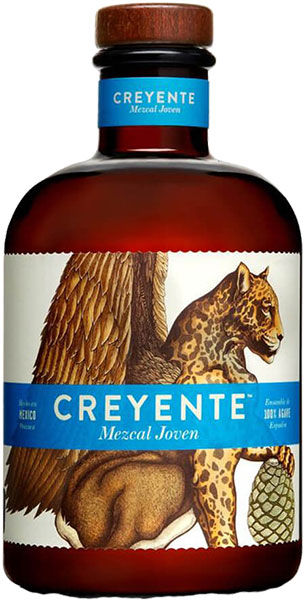
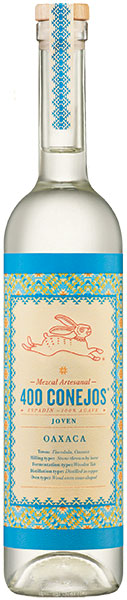
Mezcal can be made from over 40 agave varieties, from several states (Oaxaca accounts for most production), and the piñas are traditionally roasted in underground pit ovens lined with wood and volcanic rock. The roasting creates the smoke. That's where mezcal's signature character comes from — not an additive, not a flavouring, but a direct product of the production method.
Think of it this way: tequila is the refined, accessible category; mezcal is the artisanal, smoky, terroir-driven one. Both are worth knowing.
The Agave Plant: Why It Matters
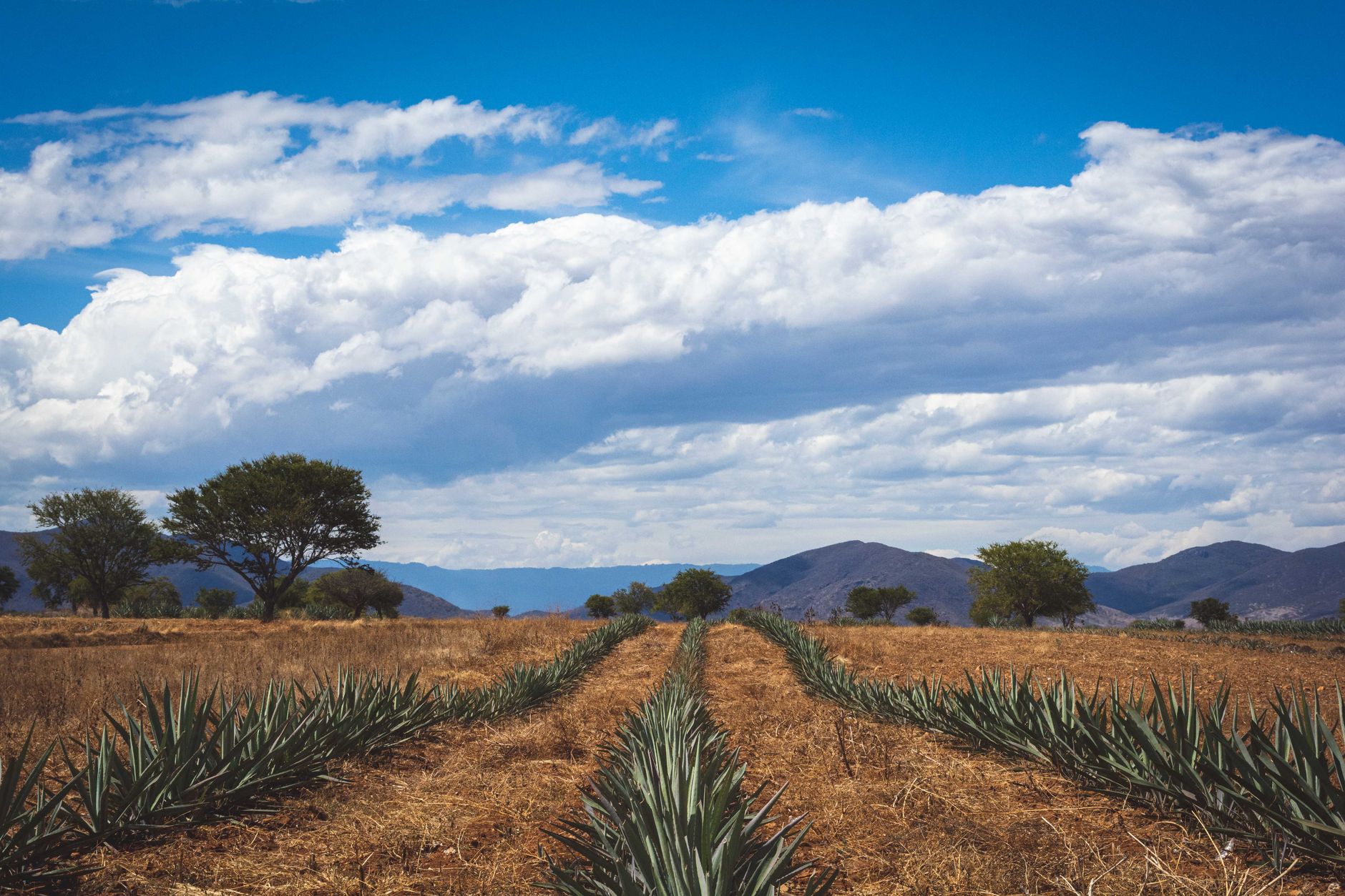
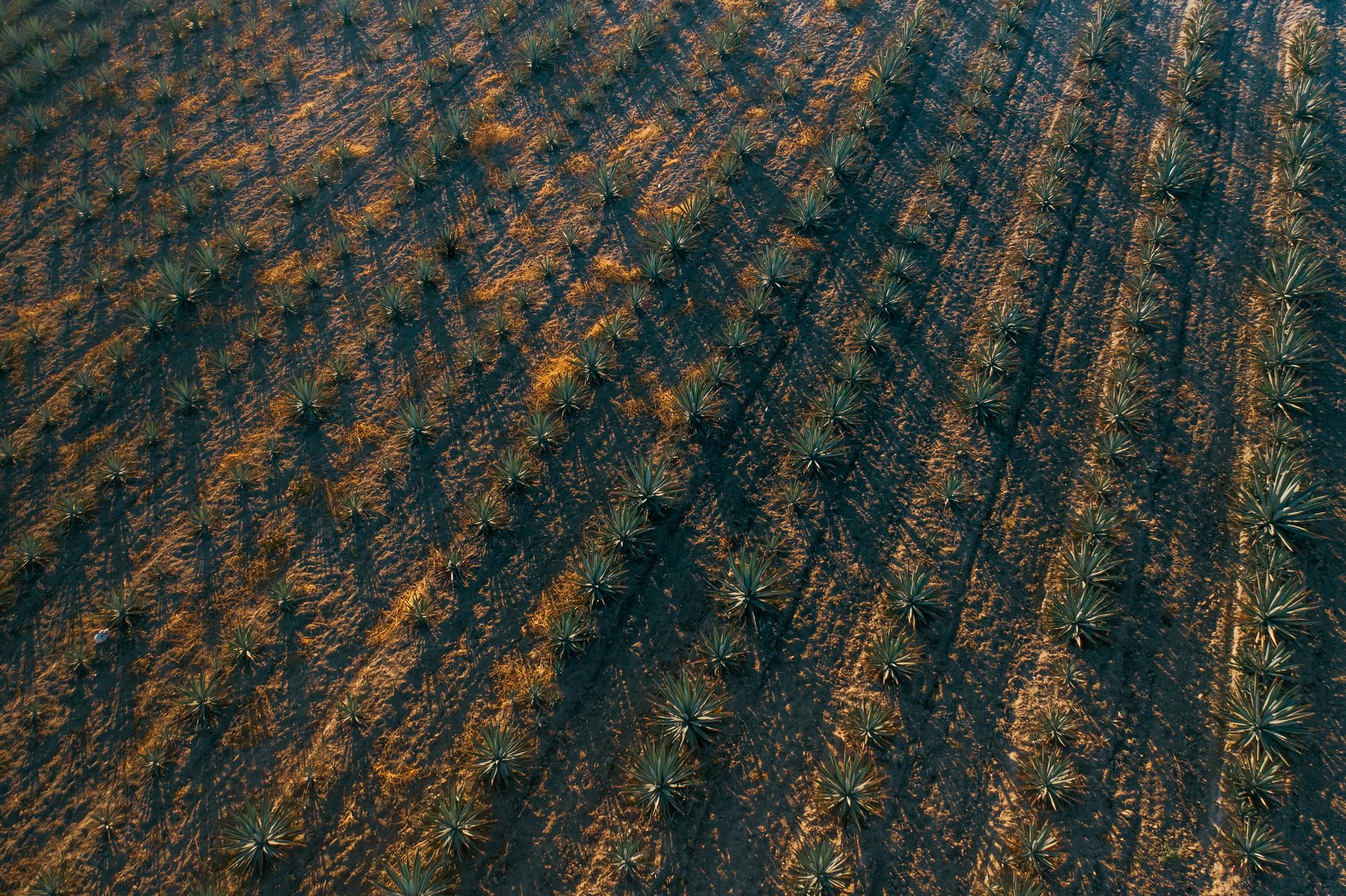
Agave is not a cactus (a common misconception). It's a succulent that takes 7–12 years to mature before it can be harvested. Blue Agave for tequila takes about 8 years. Rare mezcal agave varieties (Tobalá, Tepeztate) can take 15–25 years.
This long maturation cycle has major implications. Unlike wheat or sugar cane, you can't just plant more agave and have a crop next year — the supply chain is measured in decades. It explains why good agave spirits cost what they do, and why industrially produced tequila that cuts corners (using mixto — only 51% agave, with added sugars) tastes the way it does.
A bottle that says "100% Agave" or "100% de Agave" on the label uses only agave sugars for fermentation. This is the quality tier you want.
Blanco, Reposado, and Añejo: What the Aging Means

| Category | Oak Time | Colour | Character |
|---|---|---|---|
| Blanco / Silver | None (or < 60 days) | Clear | Pure agave — raw, vegetal, citrus, pepper |
| Reposado | 2 months – 1 year | Pale gold | Agave + oak influence — vanilla, caramel |
| Añejo | 1–3 years | Amber | Dominant oak — closer to whisky in character |
| Extra Añejo | 3+ years | Deep amber | Serious oak aging — sipping spirit |
The agave character is most vivid in the Blanco. If you want to understand what tequila actually tastes like, start here. The further up the aging ladder you go, the more oak masks the agave character and the closer the spirit moves toward whisky territory.
For cocktails — Margarita, Paloma, Tequila Sour — Blanco or Reposado are the right choices. For sipping neat, Reposado or Añejo deliver the complexity.
What's on the Bangkok Shelves
Jose Cuervo Especial Silver (฿879, Jalisco) is the world's best-selling tequila — and the most recognisable brand in Bangkok's off-trade. It is not 100% agave (it's a mixto), which means up to 49% of the fermentable sugar comes from sources other than agave. It's the entry door into the category and makes a serviceable Margarita, but once you try 100% agave, you'll notice the difference.
Jose Cuervo Especial Reposado (฿939, Jalisco) is the aged version — the same mixto base rested in oak. The vanilla and caramel notes from the barrel round off the rough edges. If you're buying Cuervo, this is the better bottle: the oak integration improves the base spirit noticeably.
El Jimador Blanco (฿1,309, Jalisco) is where the quality conversation actually begins. El Jimador is 100% Blue Agave — and you taste the difference immediately. Cleaner, more complex, with genuine vegetal agave character (cooked pineapple, black pepper, grass) that the mixtos don't deliver. A jimador is the person who harvests agave plants, and the brand lives up to its name.
El Jimador Reposado (฿1,439, Jalisco) is El Jimador's oak-rested version. Two months in American white oak adds vanilla and a slight sweetness without covering the 100% agave character underneath. This is an excellent all-purpose tequila — works neat, works in cocktails, works as a gift.
Jose Cuervo Tradicional Reposado (฿1,459, Jalisco) is Cuervo's 100% agave offering — a different product from the Especial range despite sharing the brand name. Tradicional is made from Los Camichines estate agave and represents genuine tequila craftsmanship. Rested in American oak for two months, it has dried fruit, vanilla, and agave sweetness in good balance. An honest premium step.
Butterfly Cannon Silver Cristalino (฿1,499, Jalisco) is the premium accessible option in this lineup. Cristalino tequilas are typically aged spirits (Añejo) that have been filtered through charcoal to remove colour while retaining the aged complexity. The result is a crystal-clear spirit with the depth of an aged tequila and the visual appeal of a Blanco. It's a modern style that's generating real interest — and at ฿1,499 it's a fair price for what you get.
How to Drink Tequila Properly

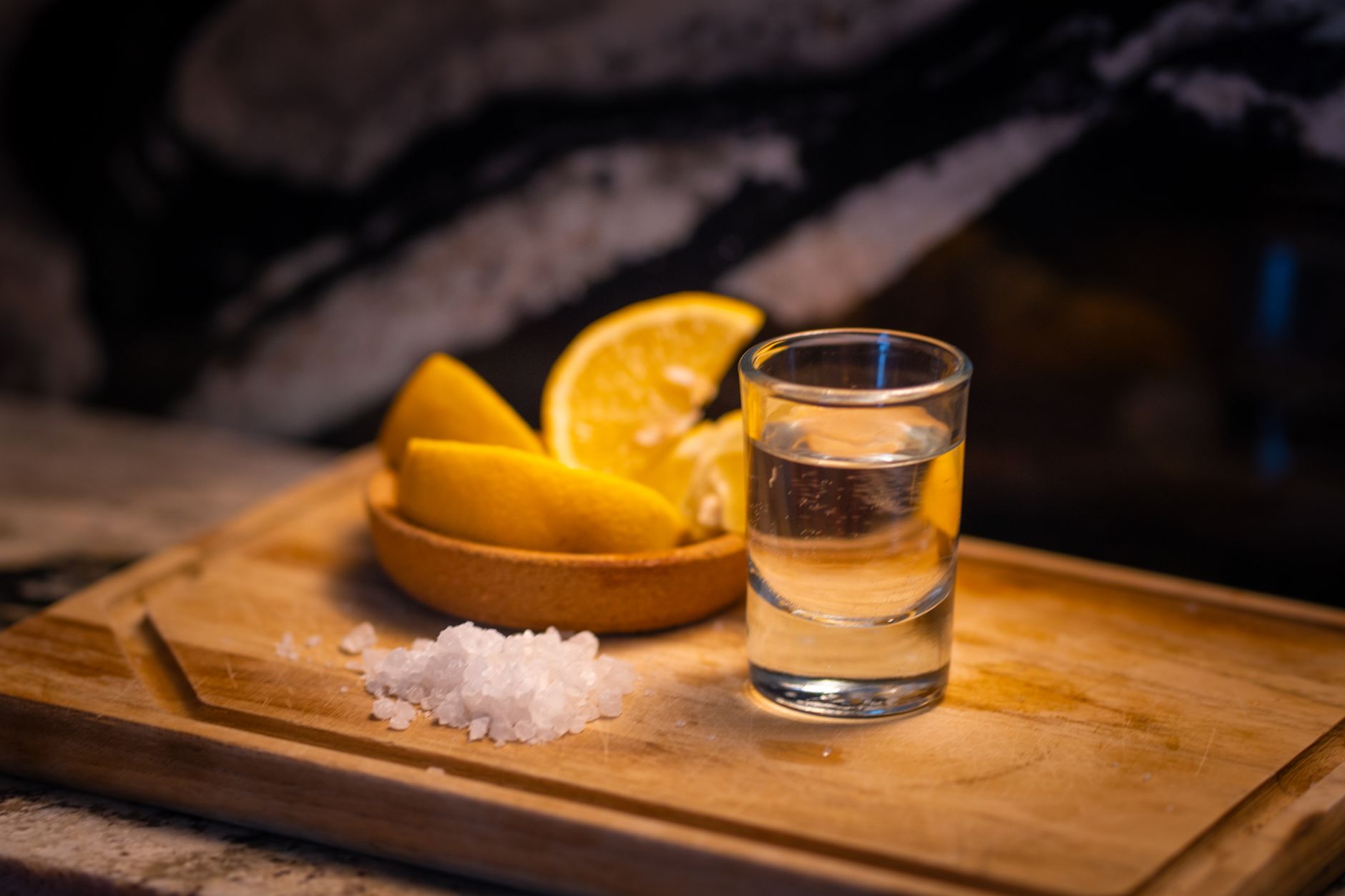
The shot-salt-lime ritual exists to mask bad tequila. When the spirit is good, you don't need a distraction.
Neat: Pour into a small copita or a short glass (not a shot glass — the wide opening allows aromatics to escape). Nose the glass, take a small sip, let it coat your palate, then swallow. A quality Reposado or Añejo at room temperature needs nothing added.
On the rocks: A single large ice cube works for Reposado or Añejo — the chill slows the aromatics and makes it a longer drink without excessive dilution.
With a pairing: In Mexico, tequila Blanco is often paired with sangrita — a non-alcoholic chaser made from tomato juice, orange juice, lime, and chilli. The tequila and sangrita alternate, each sip cleansing the palate for the other. You can construct a version of this at home.
The Margarita: 50ml Blanco or Reposado, 25ml triple sec (Cointreau ideally), 25ml fresh lime juice, shaken with ice and served with or without salt on the rim. This is the cocktail that shows off the agave spirit best. Bottled or pre-made Margarita mixes are not acceptable substitutes.
The Paloma: Tequila + grapefruit soda (Jarritos if you can find it in Bangkok, or a quality grapefruit juice and soda) + salt. Possibly the more refreshing of the two classic tequila cocktails in Bangkok's heat.
 The Margarita is the entry-point cocktail that shows off what a good Blanco or Reposado can do. Fresh lime juice only — no substitutes.
Bangkok's Bar Scene
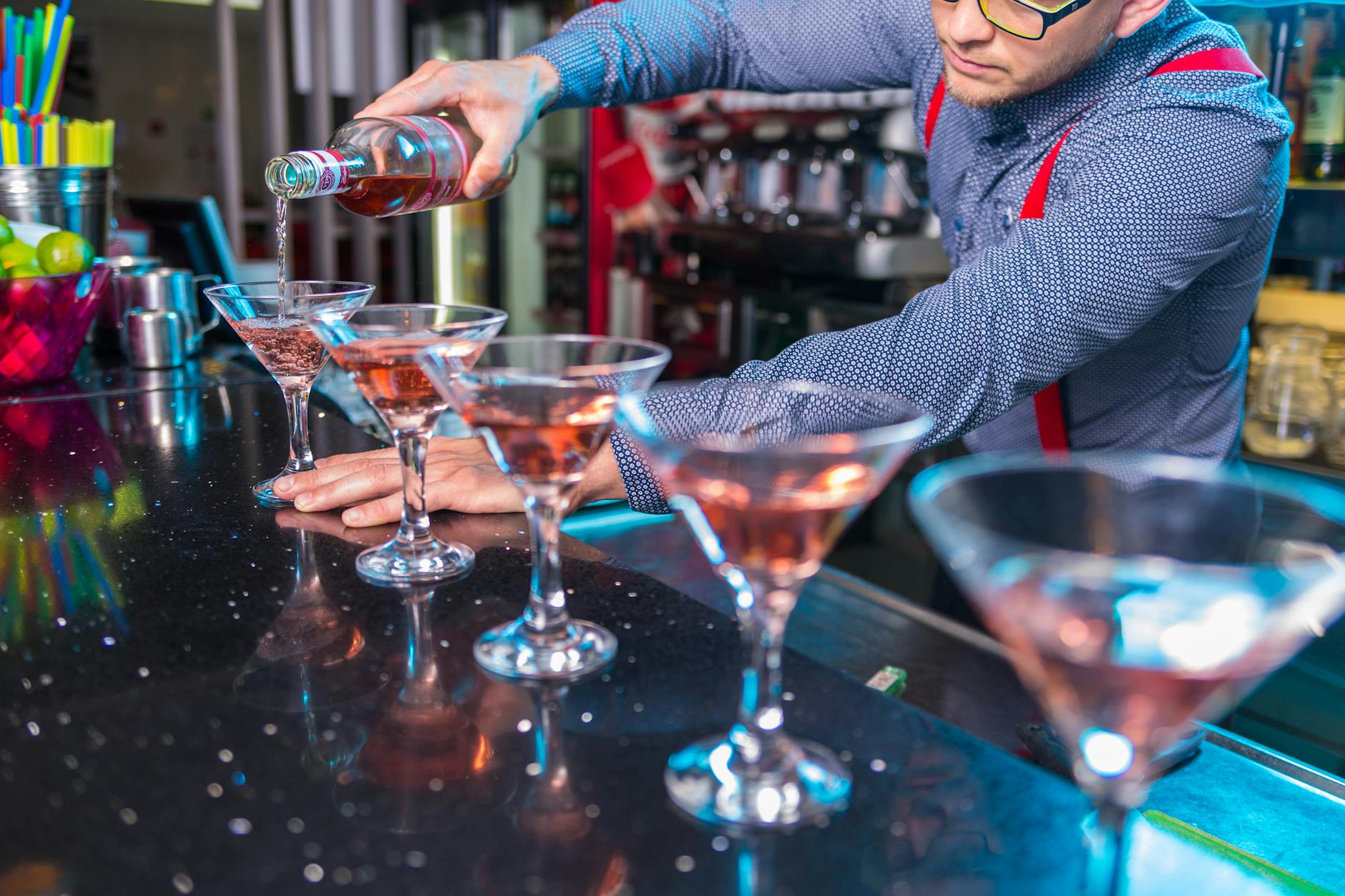
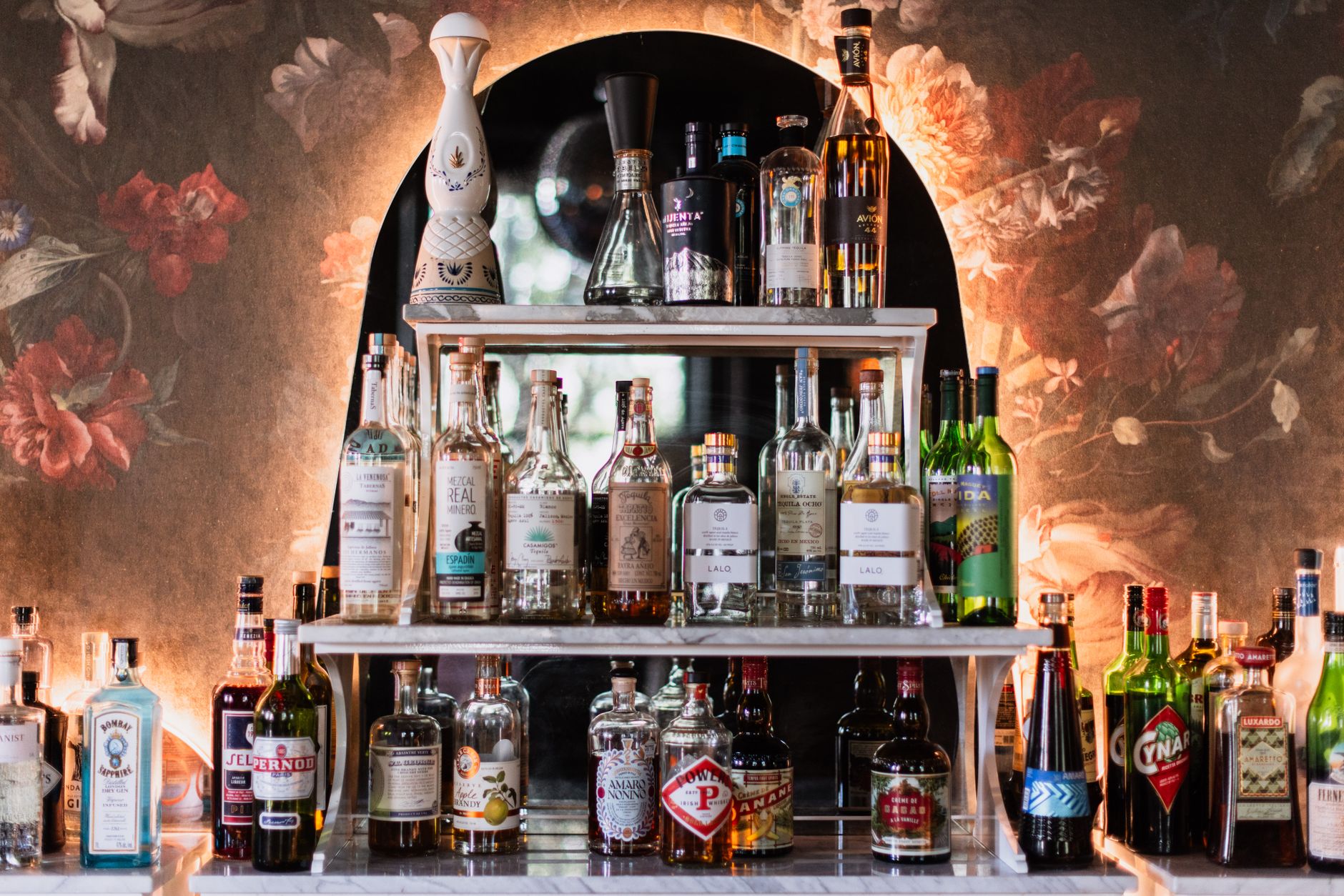
Bangkok's cocktail culture has a serious mezcal presence if you know where to look. Bars in the Silom and Sukhumvit corridors have invested in small-batch mezcal from Oaxacan producers — expect Espadín, Tobalá, and occasionally rarer varieties. The smoke in a well-made mezcal cocktail works unexpectedly well with Bangkok's Asian flavour palette — the smokiness that clashes with European wine styles actually pairs with Southeast Asian spices.
If you encounter mezcal at a bar in Bangkok, order a flight of two or three — typically a Joven (unaged), an Espadín (the most common agave variety), and something more unusual. It's the fastest way to understand the category's range.
Keep reading: New Zealand Sauvignon Blanc — Why Bangkok Can't Stop Drinking It · Pinot Noir — A Bangkok Buyer's Guide · all Spirits stories.
FAQ
What is the difference between tequila and mezcal in simple terms?
Tequila is made from one agave variety (Blue Agave), produced in Jalisco, and has a clean, approachable character. Mezcal can use 40+ agave varieties, is made mostly in Oaxaca, and traditionally uses pit-roasting which gives it a distinctive smoky flavour. All tequila is a type of mezcal (technically), but in the market they are distinct categories. Most people find tequila the easier entry point; mezcal rewards curiosity.
What does "100% Agave" mean and why does it matter?
100% Agave (or "100% de Agave") means all the fermentable sugar came from agave plants. "Mixto" tequila (which doesn't have to advertise itself as mixto) uses only 51% agave sugar, with the remainder often from cane sugar. The 100% agave versions are more complex, have less of the rough edge associated with cheap tequila, and are significantly less likely to contribute to a bad morning after. Once you drink 100% agave, the step back is hard to make.
Can I visit good cocktail bars in Bangkok for tequila?
Yes. Bangkok's cocktail bar scene has grown significantly — areas like Silom (especially the streets around Patpong), Thonglor, and Ekkamai have serious bartenders building Margarita and Paloma programs with quality tequila. Ask specifically for 100% agave options — most decent bars now stock at least one.
Is mezcal available in Bangkok?
Mezcal availability in Bangkok's off-trade is limited compared to tequila. In bars, you'll find it at establishments focused on craft cocktails — typically served neat or in a cocktail. Retail availability is improving but still thin. If you encounter a brand like Del Maguey, Vago, or Banhez at a bar, it's worth trying — these are benchmark small-production mezcals.
Why does tequila give worse hangovers than other spirits?
Mixto tequila (not 100% agave) is often blamed here, and there's some basis for it — the combination of congeners from mixed fermentation sources can be harder on the body. With 100% Blue Agave tequila, the hangover profile is no worse than equivalent alcohol quantities from other quality spirits. Hydration and pace are the real factors; the tequila-specific reputation is partly myth, partly the result of drinking cheap mixto quickly with salt and lime at a pace that ignores standard alcohol hygiene.