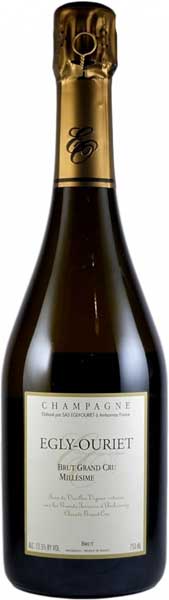
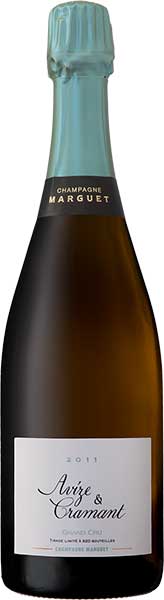
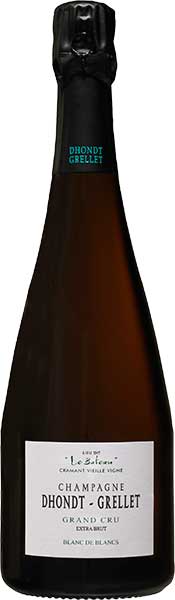
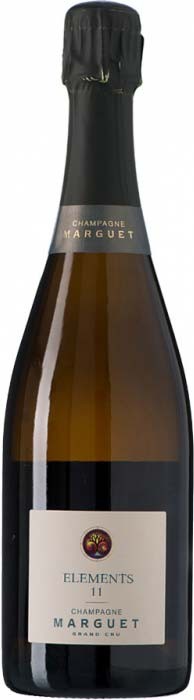
WNLQ9 is a wine and spirit community and reference for Southeast Asia, starting in Thailand.
Shop
Browse the collection — contact us to order.
Champagne
Champagne is the coolest of France's great wine regions, lying about 90 miles northeast of Paris, and the only place whose sparkling wine may be called Champagne.
Aromatically, texturally and in flavor it is one of the most distinct wines in the world, the product of two natural assets: an iffy, marginal northerly climate (the average temperature is a bare 50°F / 10°C, at the very limit of photosynthesis) and famous white soils that are more than 75 percent limestone, much of it a porous chalk that drains well yet stores water and suits high-acid grapes.
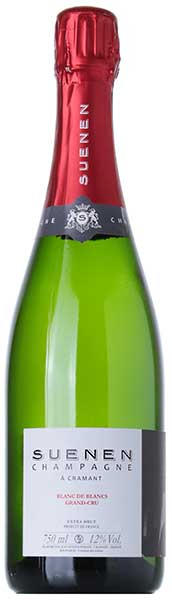
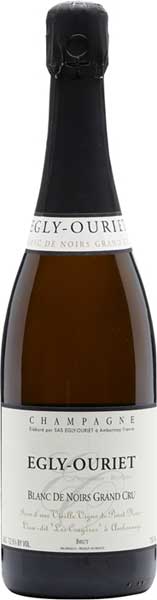
Only three varieties may be used — chardonnay (the only white, and the sole grape of blanc de blancs), pinot noir (the more revered red, giving body, structure and aroma), and pinot meunier (a supple, fruity clone of pinot noir, the least ageworthy, used mainly in nonvintage blends).
Key grapes
- Chardonnay
- Pinot Noir
- climate
- cool, marginal, northerly (avg ~50°F/10°C, limit of ripening)
- soil
- white soils >75% limestone, much of it porous chalk
- method
- méthode champenoise / méthode traditionnelle (secondary in-bottle fermentation, sur lie autolysis, riddling, disgorgement, dosage)
Grand Cru
Grand Cru ("great growth") is the highest official vineyard classification in several French wine regions, each with its own legally defined system.
In Burgundy, 33 Grand Cru vineyards (about 1.4% of the region's production) are classified directly at the vineyard level under INAO appellation law, sitting above Premier Cru, Village, and Regional tiers.
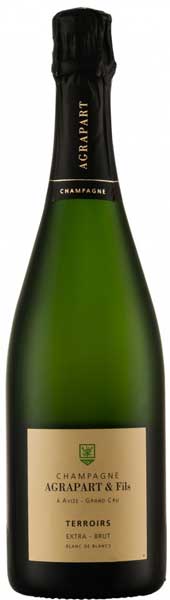
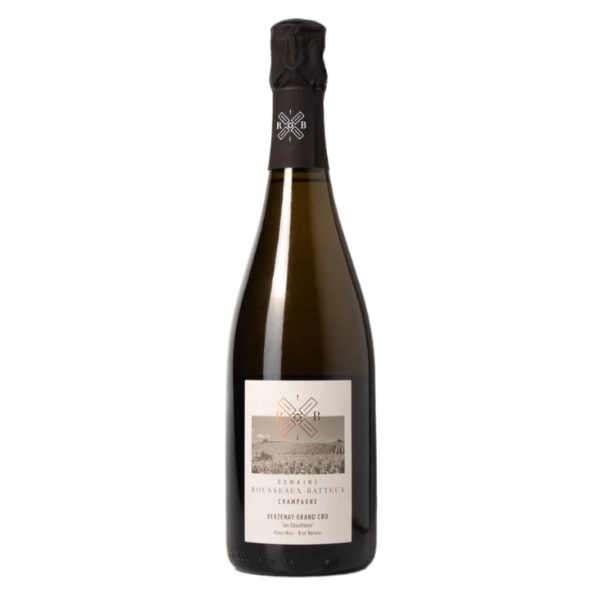
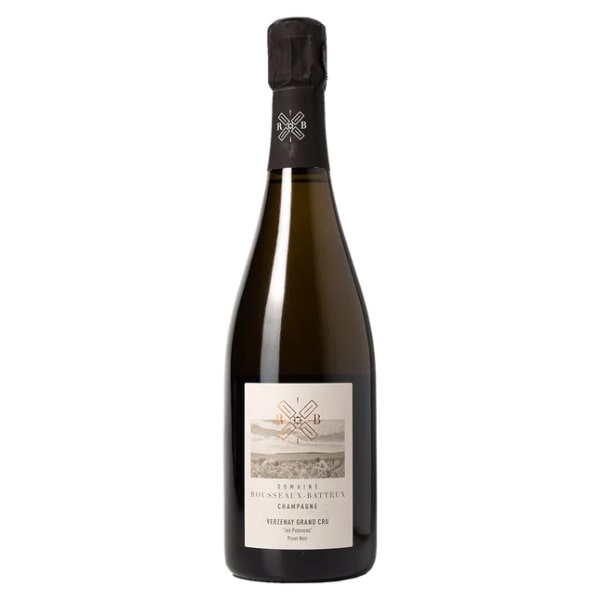
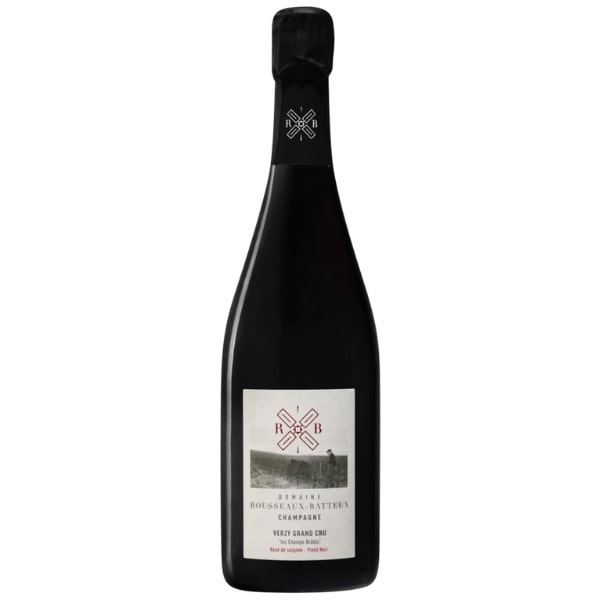
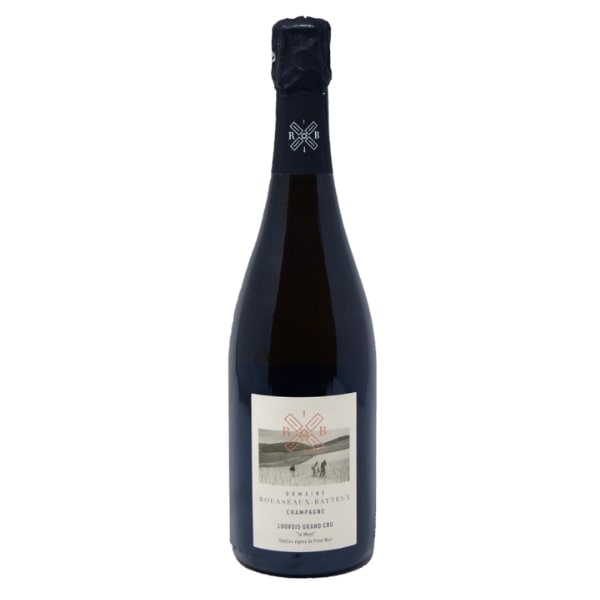
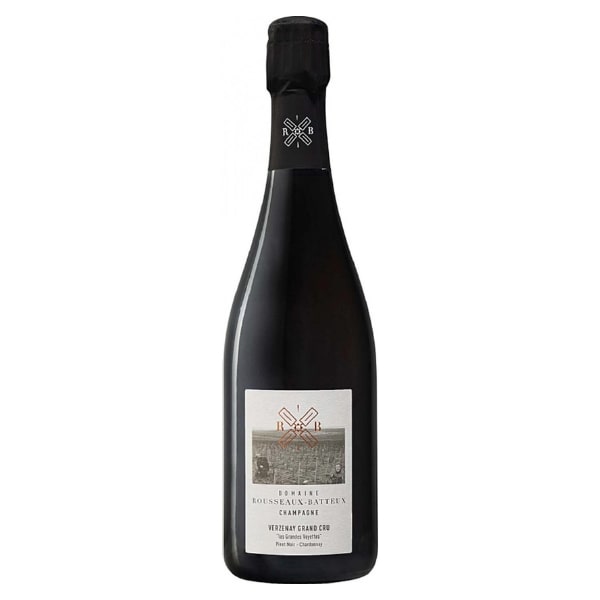
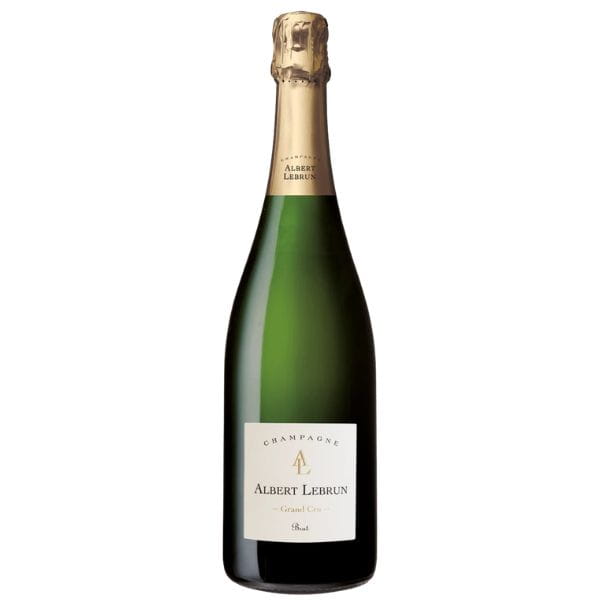
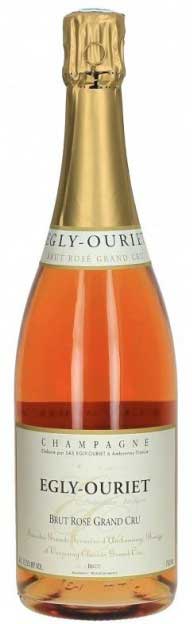
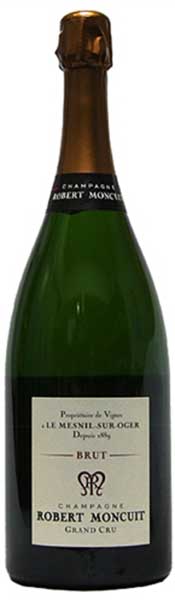
In Champagne, Grand Cru is a village-level ranking under the historic échelle des crus system: 17 villages hold Grand Cru status, entitling grapes grown there to the designation.
Too many options? Let us help you choose.
Find Your Match →Showing 1–24 of 47