 Log in to view
฿฿฿
Product information compiled from producer, importer and reference sources.
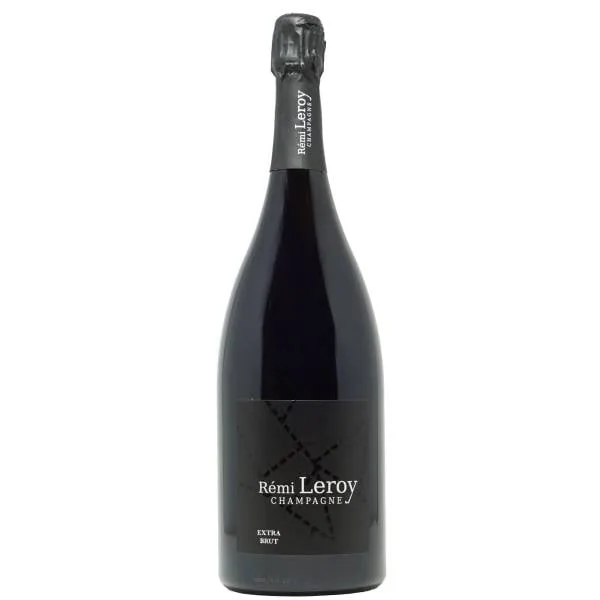
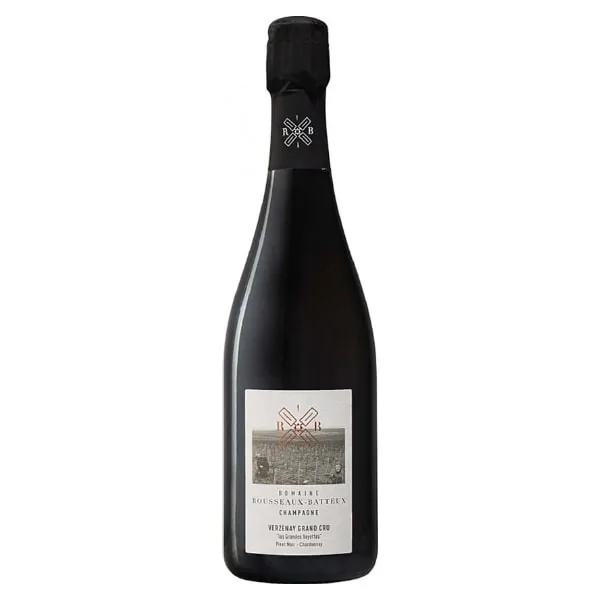
When Adrien Rousseaux planted Chardonnay in the upper section of Les Grandes Voyettes in 2013, he was deliberately breaking Verzenay's Pinot Noir orthodoxy — a Grand Cru village so dominated by black grapes that a 50/50 field-blend with Chardonnay on a single 0.22 ha plot is genuinely transgressive.
The lower section's Pinot Noir vines date to 1953, their deep roots penetrating Verzenay's characteristic deep chalk with clay and marl overlays on the northern Montagne de Reims — a cold-aspect site that slows ripening, concentrates extract, and drives the chalky, saline tension that defines the village.
Each variety is vinified separately in oak barrels (approximately 10% new wood, used for subtle oxygen exposure rather than flavour extraction), then aged on lees for a minimum of 36 months before disgorgement. Dosage is held to 2–3 g/l Extra Brut. The wine is bottled without filtration and without cold stabilisation — a light sediment is expected and intentional.
Malolactic fermentation practice is adjusted vintage by vintage rather than applied as a fixed protocol.
What no peer does: a single plot co-planting Pinot Noir (70-year-old vines) and Chardonnay (planted 2013) vinified separately then assembled — a micro-terroir document impossible to replicate elsewhere in Verzenay. The 2016 base vintage (1,740 bottles
produced) delivered precision and depth from a selective, challenging harvest, with stone fruit, biscuit, and the chalk-driven mineral spine that rewards 3–6 further years in bottle.
Sommelier’s pick: Grilled langoustine with brown butter and tarragon · Aged Comté with honeycomb · Seared scallop with cauliflower purée and caviar
Loading notes…
Tasted this?
Ask us on LINE.
Ask about this item