 Log in to view
฿฿฿
DOCG.
WNLQ9 vintage signal, averaged from Wine Enthusiast Wine Vintage Chart 2026 Edition's 3 closely-agreeing Tuscany 2019 ratings (Tuscany Bolgheri; Tuscany Chianti Classico; Tuscany Brunello).
A vintage grade rates the growing season in this wine’s region — not this specific bottle. Source.
Product information compiled from producer, importer and reference sources.
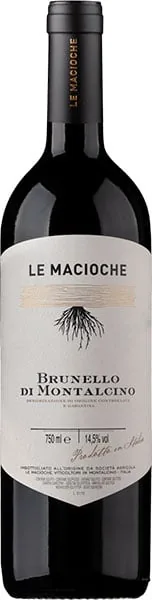
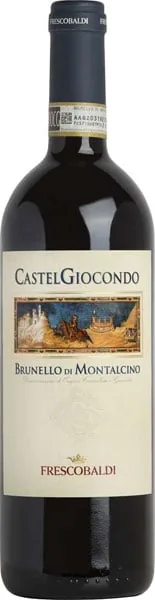
Montalcino's south-facing clay-limestone slopes yield this structured Brunello: 100% Sangiovese aged 36 months in large Slavonian oak.
Castelgiocondo sits on the warmer southern exposition of Montalcino's hillsides, where clay-limestone soils and moderate elevation (300–400m) create conditions that ripen Sangiovese fully while preserving acidity. The Frescobaldi family has stewarded this estate since 1989, acquiring it as a deliberate move into Brunello's heartland after establishing themselves in Chianti Classico.
The winemaking follows Brunello's legal mandate: 100% Sangiovese Grosso, fermented in temperature-controlled stainless steel, then aged 36 months in large Slavonian oak casks (no new French oak—a choice that prioritizes the wine's mineral structure over oak imprint).
The wine rests a further 4 months in bottle before release, meeting DOCG requirements.
This expression avoids the new-oak richness common in modern Montalcino, instead anchoring itself in the terroir's earthy, mineral spine. The south-facing aspect delivers riper tannins than north-slope competitors, yet Castelgiocondo's clay base keeps the wine from becoming jammy.
The current vintage shows the wine's drinking window: structured enough to cellar 8–12 years, approachable now with decanting. Expect the wine to shed its youthful grip over the next 3–4 years.
Sommelier’s pick: Bistecca alla fiorentina (grilled T-bone with sea salt) · Brasato di manzo (slow-braised beef with tomato and herbs) · Pappardelle with wild boar ragù
Loading notes…
Tasted this?
Ask us on LINE.
Ask about this item