Tuscany
Italy's quintessential region and sangiovese's heartland: the four great sangiovese reds (Chianti, Chianti Classico, Brunello di Montalcino, Vino Nobile di Montepulciano) off hilly, galestro/albarese-strewn slopes, with a firm espresso-like acidity-and-tannin bite; birthplace of the Super Tuscans.
About the region
Tuscany (Toscana) is the quintessential Italian wine region and the sangiovese heartland — the birthplace of four of Italy's most important red wines: Chianti, Chianti Classico, Brunello di Montalcino and Vino Nobile di Montepulciano, all built on the sangiovese grape (for centuries the region's single greatest variety). The wines nonetheless taste quite different, because Tuscany is a plethora of distinct mesoclimates thrown up by an endless succession of twisting, undulating hills (the region is roughly 68 percent hills, so nearly every vineyard sits on a slope), and because sangiovese — a finicky, demanding grape, like pinot noir high in acidity and exacting to ripen — has begotten hundreds of clones that have adapted to their local sites. Most important wine zones lie in the central belt from Florence south through Siena to the hill town of Montalcino (famous for Brunello); the climate there is warm but tempered by cool nights that preserve sangiovese's natural acidity. The well-drained central slopes are sandy or stony and calcareous, interspersed with schist and galestro (a crumbly, stony marl) over the classic albarese limestone. There is a firmness and espresso-like bitterness to Tuscan reds — the result of acidity coupled with tannin — that top examples carry beautifully. A wine revolution in the 1970s and 1980s lifted quality dramatically and, breaking the DOC mould, gave rise to the internationally acclaimed Super Tuscans. White wine has always been an afterthought here (the great exception is the dessert wine vin santo), though modern dry sauvignon blancs, chardonnays and the traditional Vernaccia di San Gimignano are all made.
Within Tuscany
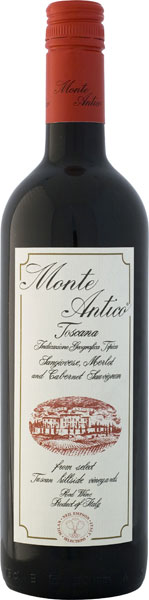
Chianti
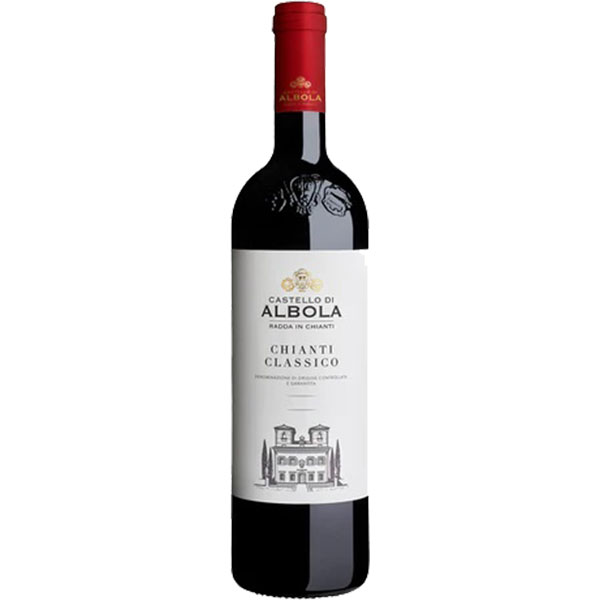
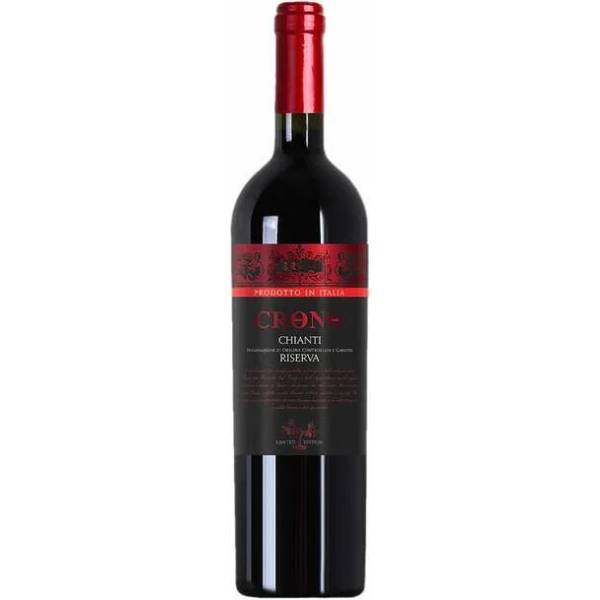
Chianti DOCG centres on Sangiovese grown on galestro and alberese soils at 250–700m elevation. Seven sub-zones exist; Classico is the historic core. Blending with Canaiolo and Colorino is permitted. Minimum ageing varies by category.
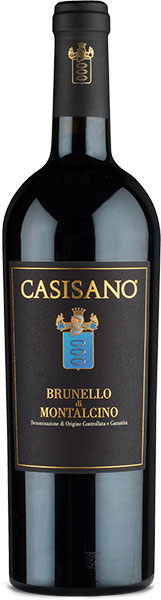
See 46 bottlesMontalcino
Montalcino produces Brunello di Montalcino from Sangiovese Grosso on clay-limestone at 300–600m. The dry, sunny microclimate and DOCG rules requiring extended ageing yield structured, long-lived reds.
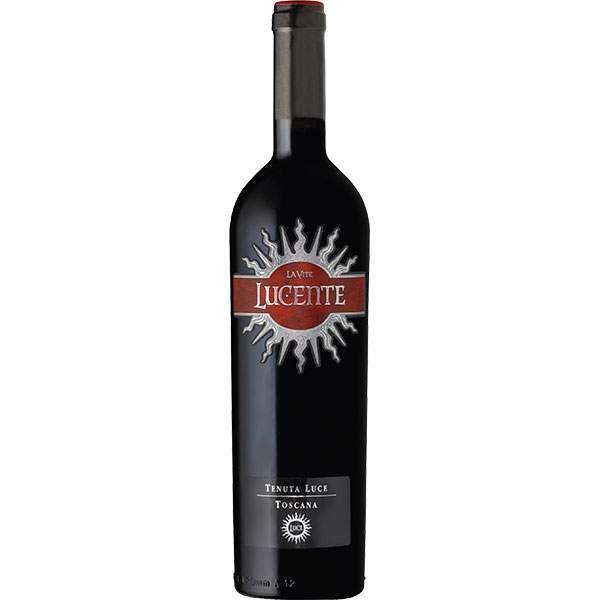
See 15 bottlesMaremma
Maremma Toscana DOC covers Tuscany's coastal strip. Iron-rich soils and a warm Mediterranean climate suit Sangiovese, Cabernet Sauvignon, and Syrah. Morellino di Scansano DOCG is the key appellation for Sangiovese within the zone.
See 14 bottles