 Log in to view
฿฿฿฿
Rated 98/100 by Wine Advocate (top 4% of their reviews).
WNLQ9 vintage signal, averaged from Wine Enthusiast Wine Vintage Chart 2026 Edition's 3 closely-agreeing Tuscany 2019 ratings (Tuscany Bolgheri; Tuscany Chianti Classico; Tuscany Brunello).
A vintage grade rates the growing season in this wine’s region — not this specific bottle. Source.
Researched by our team from producer and independent sources — not supplied by the seller.
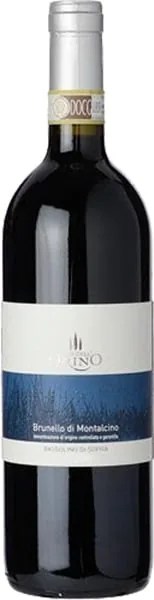
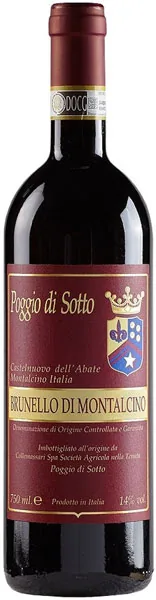
A traditionally-made, cult-status Brunello di Montalcino defined by long skin-contact fermentation with indigenous yeasts, giving a wine of exceptional structure, aromatic purity and age-worthiness in a classic, unforced style.
Poggio di Sotto's house style hinges on notably long macerations — fermentation on the skins with native yeasts, followed by extended cask aging in large Slavonian oak casks (foudres), typically around three years — a traditionalist approach that sets it apart from more internationally-styled Brunello producers.
Grilled Massaman-style lamb shank (แกงมัสมั่นขาแกะ)
Sangiovese's high acidity and firm tannin cut through rich, slow-braised lamb; keep chili heat moderate so it doesn't clash with the wine's savory, earthy character.
Bistecca alla Fiorentina / grilled ribeye
The archetypal regional pairing — Brunello's structure and acidity were essentially built around grilled Tuscan beef.
Aged Parmigiano-Reggiano or Pecorino Toscano
Firm, salty aged cheeses complement Sangiovese's tannin and acid structure without overwhelming the wine's aromatic purity.
Product information compiled from producer, importer and reference sources.
Montalcino's south-facing clay slopes yield Poggio di Sotto's structured Brunello: 5+ years oak-aged Sangiovese with mineral precision.
Poggio di Sotto operates from a south-facing parcel in Montalcino's warmer microclimate, where clay-rich soils and elevation around 500m create conditions that ripen Sangiovese Grosso with intensity while preserving acidity. The producer's philosophy centers
on minimal intervention: fruit is fermented in open wooden vats, then aged minimum 5 years in large Slavonian oak casks (avoiding new French oak entirely), followed by additional bottle age before release.
This restraint—rejecting the modern trend toward extraction and new wood—defines the estate's identity since its modern founding in the 1970s. The result is a Brunello that prioritizes structure and longevity over immediate fruit expression. Drinking beautifully now, this wine will continue evolving for 15+ years in proper cellaring.
Sommelier’s pick: Bistecca alla fiorentina with rosemary and sea salt · Brasato di manzo (slow-braised beef with tomato and herbs) · Pappardelle with wild boar ragù
Loading notes…
Tasted this?
Ask us on LINE.
Ask about this item