Walk into any whisky conversation in Bangkok and someone will eventually say it: "I only drink single malt." The single malt vs blended scotch divide is the most repeated — and most misunderstood — distinction in whisky. One term describes where and how a whisky was made; it says far less about quality than the price tags suggest. This guide, part of our whisky section, explains what each label actually promises, why blends run the whisky world quietly, and which bottles on our shelves prove each side's case.
What "Single Malt" Actually Means
Three rules, and only three. A single malt Scotch must be made at one distillery ("single"), from 100% malted barley ("malt"), and distilled in copper pot stills — then aged at least three years in oak, in Scotland. That's the entire law. Nothing about it guarantees the whisky is old, rare, hand-crafted, or good.
What single malt does guarantee is a sense of place. Because everything comes from one distillery, you taste that distillery's character undiluted — the honeyed orchard fruit that is Glenfiddich, the medicinal peat smoke that is Laphroaig. A single malt is a solo voice, with all the personality and all the occasional awkwardness that implies. That's why our Speyside vs. Islay comparison reads like a study in opposites: single malts are designed to be distinct from each other.
What's Actually in a Blend
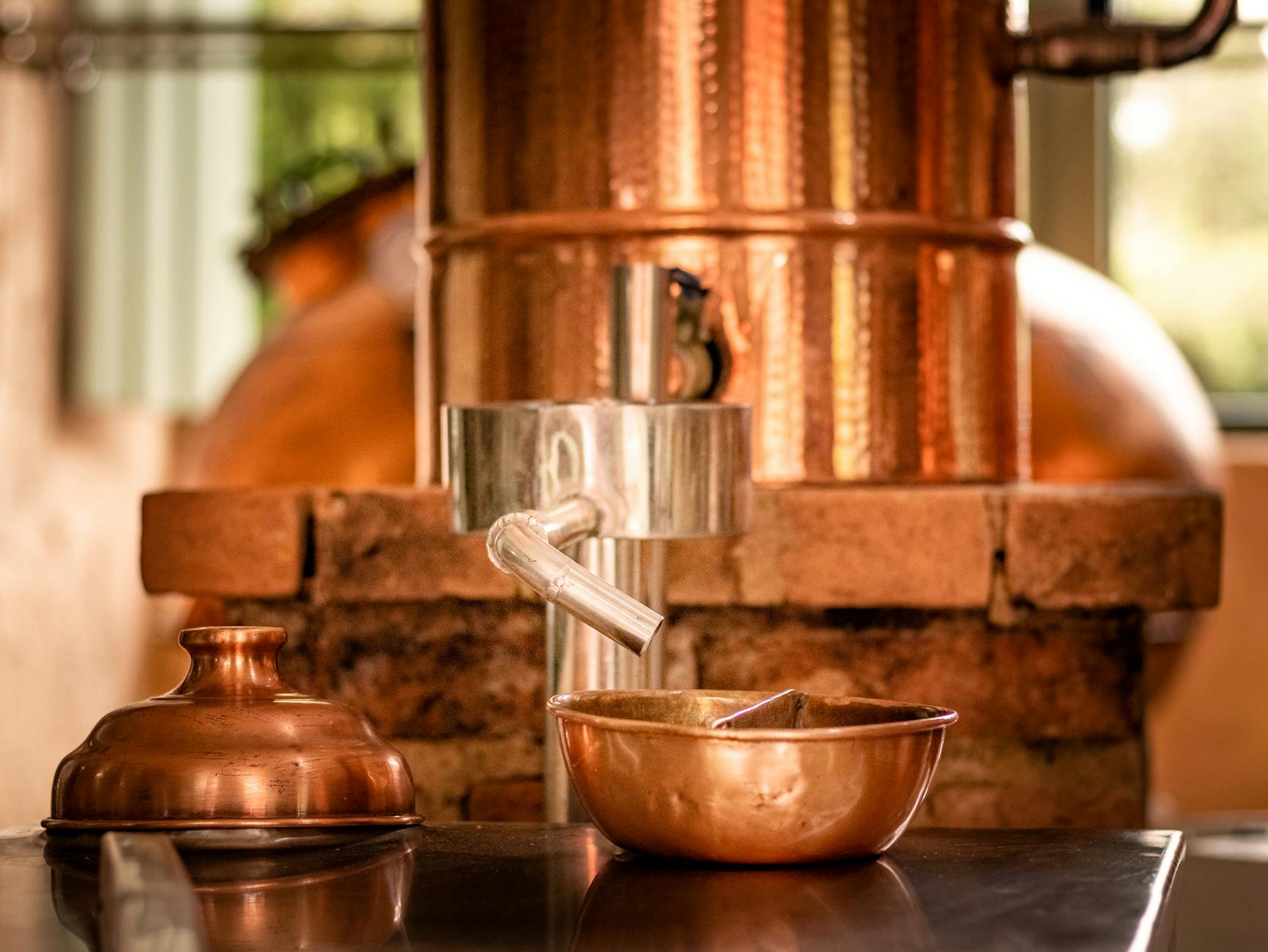
A blended Scotch marries two different spirits: single malts (often from dozens of distilleries) and grain whisky — a lighter, softer spirit made in tall column stills from grains like wheat and corn. The grain whisky isn't filler; it's the canvas that lets a master blender paint a consistent, balanced flavor year after year, batch after batch. Johnnie Walker Black must taste like Johnnie Walker Black in 2026 exactly as it did in 1996 — an act of craftsmanship arguably harder than making one distillery's spirit taste like itself.
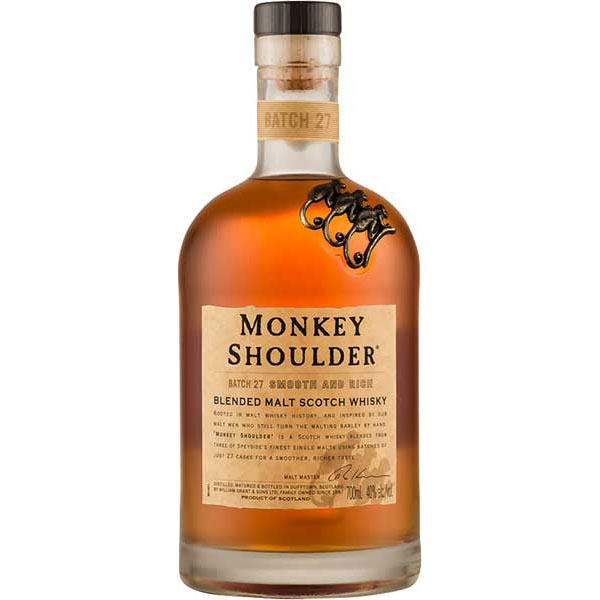
There's a third category the label-readers miss: blended malt — multiple distilleries' single malts married together with no grain whisky at all (Monkey Shoulder and Johnnie Walker Green Label are the famous examples). It's the bridge between the two worlds: malt-whisky depth with a blender's polish.
One more myth to retire: the age statement on any bottle — malt or blend — is the age of the youngest whisky inside. A 12-year blend can contain far older malts, and often does.
Why Blends Got a Bad Name (and Don't Deserve It)
Roughly nine of every ten bottles of Scotch sold on Earth are blends — they built the entire category, and every distillery whose single malt you revere survived the 20th century by selling its malt into them. The "blends are inferior" idea dates mostly from the 1980s–90s, when single malt was marketed as the premium alternative and cheap supermarket blends defined the other end. The logic doesn't survive contact with a well-made blend — or with the price of a bad single malt. There are dull, overpriced single malts and there are magnificent blends. The word on the label tells you the recipe, not the result.
The Case for Single Malt: Four Bottles
Glenfiddich 12 Years Old (With Box) — ฿2,399
The world's best-selling single malt, and the textbook place to start: pear, honey, and a clean oak finish, with the distillery's character front and center. This is what "a solo voice" tastes like — nobody blends anything into it, and nothing hides.
Glen Moray Classic Sherry Cask Finish — ฿1,400
Proof that single malt is a production method, not a price bracket. A Speyside malt finished in sherry casks — raisin, toffee, gentle spice — for less than most famous blends. If the divide were really about quality, this bottle couldn't exist at this price.
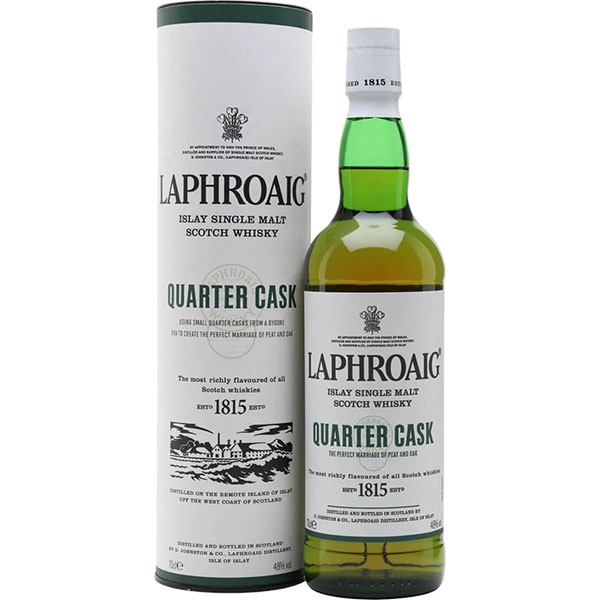
Laphroaig Quarter Cask — ฿4,699
The strongest argument single malt has: a flavor no blend would dare. Islay peat smoke, iodine, sea salt, and bonfire — intensified by smaller casks — from a distillery whose character is so extreme it polarizes households. Blends sand the edges off; this bottle is the edges.
The Macallan 12 Year Old Sherry Oak — ฿5,559
The single malt as luxury object — sherry-seasoned oak, dried fruit, and wood spice from the distillery whose name anchors auction catalogs. You pay a reputation premium, but the liquid's pedigree is real, and it shows what "one distillery, fully expressed" means at the top end.
The Case for Blends: Four Bottles
Johnnie Walker Black Label (700 ml) — ฿1,399
The most important blend ever made: around forty whiskies, every one at least twelve years old, balanced into smoke, dried fruit, and vanilla that tastes identical in every bar on the planet. Judge it honestly against single malts at the same price and it embarrasses several of them.
Monkey Shoulder Blended Malt — ฿1,569
The bridge category in one bottle: three Speyside single malts, zero grain whisky. Rich, malty, orange-marmalade smooth — built openly for mixing and highballs but very drinkable neat. Hand it to a "single malt only" friend without showing the label.
Johnnie Walker Green Label (750 ml) — ฿2,499
An all-malt blend aged a minimum of fifteen years — Talisker's smoke, Linkwood's florals, Cragganmore's depth in one glass. Widely considered the best value in the entire Johnnie Walker range, and the single strongest rebuttal to malt snobbery money can buy at this price.
Johnnie Walker Blue Label — ฿9,999
The blend as flagship: built from exceptionally rare casks — some from distilleries that no longer exist — selected for old-style richness rather than an age number. People who dismiss all blends have usually never tasted this one. At Macallan-18 money it's a choice, not a bargain, but it settles the "can a blend be luxurious" question permanently.
So Which Should You Buy?
Buy single malt when you want personality — a specific distillery's voice, a region's signature, something to sip slowly and think about. Buy a blend when you want balance and reliability — a whisky for highballs, for guests of unknown taste, for a home bar bottle that never has an off night. Buy blended malt when you want both at once. And if you're still choosing your first bottle of Scotch entirely, our Scotch whisky buyer's guide walks the whole shelf — or see how Japan reinterpreted the blender's art in our Japanese whisky guide.
FAQ
Is single malt better than blended scotch?
No — it's different, not better. Single malt guarantees one distillery's character from 100% malted barley; blended scotch balances malt and grain whiskies for consistency and smoothness. There are outstanding and mediocre bottles in both categories, and blind tastings routinely humble people who claim otherwise.
What is the actual difference between single malt and blended whisky?
A single malt comes from one distillery and uses only malted barley distilled in pot stills. A blended scotch combines single malts from multiple distilleries with lighter column-still grain whisky. A blended malt (like Monkey Shoulder) combines malts from several distilleries with no grain whisky at all.
Why is single malt more expensive than blended scotch?
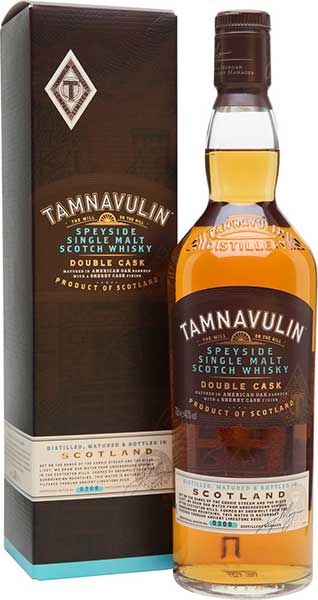
Pot-still malt whisky costs more to produce than column-still grain whisky, and single malt carries a premium image that supports higher pricing. But the ranges overlap heavily — a sherry-cask single malt like Tamnavulin sells for ฿1,299 in Bangkok, less than many mainstream blends.
Does the age statement mean every whisky in the bottle is that old?
The age on the label is the age of the youngest whisky in the bottle, for both single malts and blends. A 12-year blend typically contains a spread of ages above twelve, and prestige blends like Johnnie Walker Blue Label carry no age statement despite including very old casks.
What's the best scotch to start with in Bangkok?
For blends, Johnnie Walker Black (฿1,399) is the benchmark. For single malts, Glenfiddich 12 (฿2,399) is the classic first bottle. Taste them side by side — the difference between one distillery's voice and a blender's balance is easier to taste than to explain.