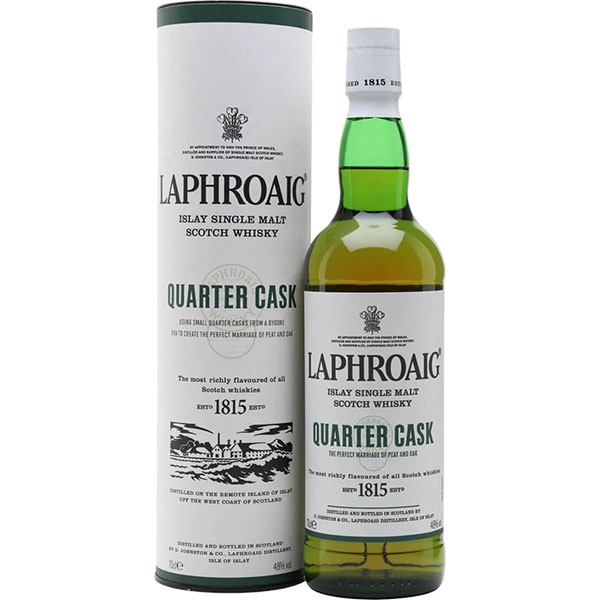
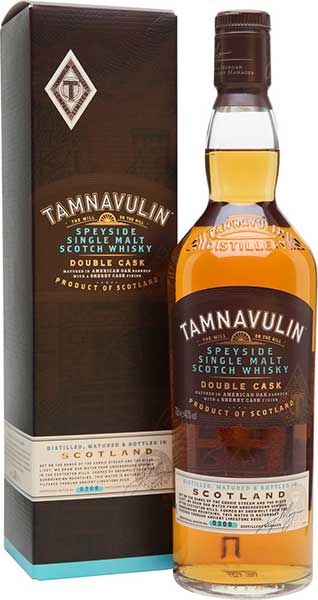
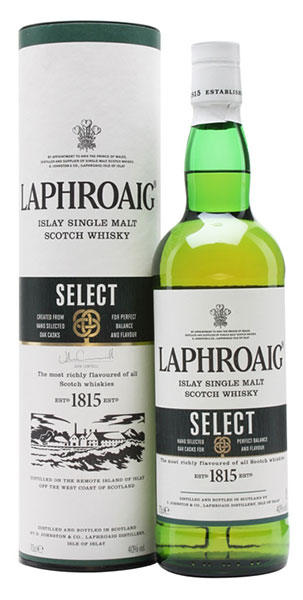
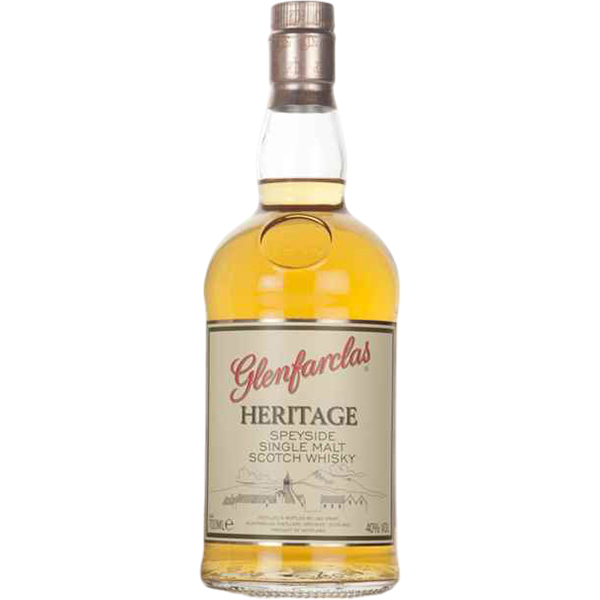
Two whiskies. Same country, same grain, same oak casks, same legal minimum of three years maturation. Yet one tastes like a warm orchard on an autumn afternoon, and the other tastes like someone lit a bonfire on a beach and then put it in a glass. This is the Speyside vs. Islay debate — the most passionate argument in the Scotch world — and if you drink whisky in Bangkok, it's one worth having.
Two Regions, Two Worlds
Speyside: Scotland's Fruit Bowl
Speyside runs along the River Spey in northeast Scotland — a sheltered valley of gentle hills, rich agricultural land, and some of the purest water sources in Europe. More than half of Scotland's Single Malt distilleries are concentrated here. Glenfiddich, The Macallan, Aberlour, Balvenie, Glenlivet, Glenfarclas — names you'll recognise from bottle shops in Bangkok, and for good reason: Speyside produces the most commercially successful Scotch style in the world.
The character is defined by what Speyside lacks as much as what it has. Almost no peat. The malted barley is dried with hot air rather than peat smoke, which leaves the spirit clean and fruit-forward. What shapes the flavour instead is the water, the copper pot stills (Speyside distilleries tend to use tall, elegant stills that strip heavier compounds), and the oak — predominantly ex-bourbon and ex-sherry casks.
The result: dried fruit, honey, vanilla, light floral notes, gentle spice. At its best, Speyside feels effortless — the kind of whisky you can pour without ceremony and find immediately rewarding.
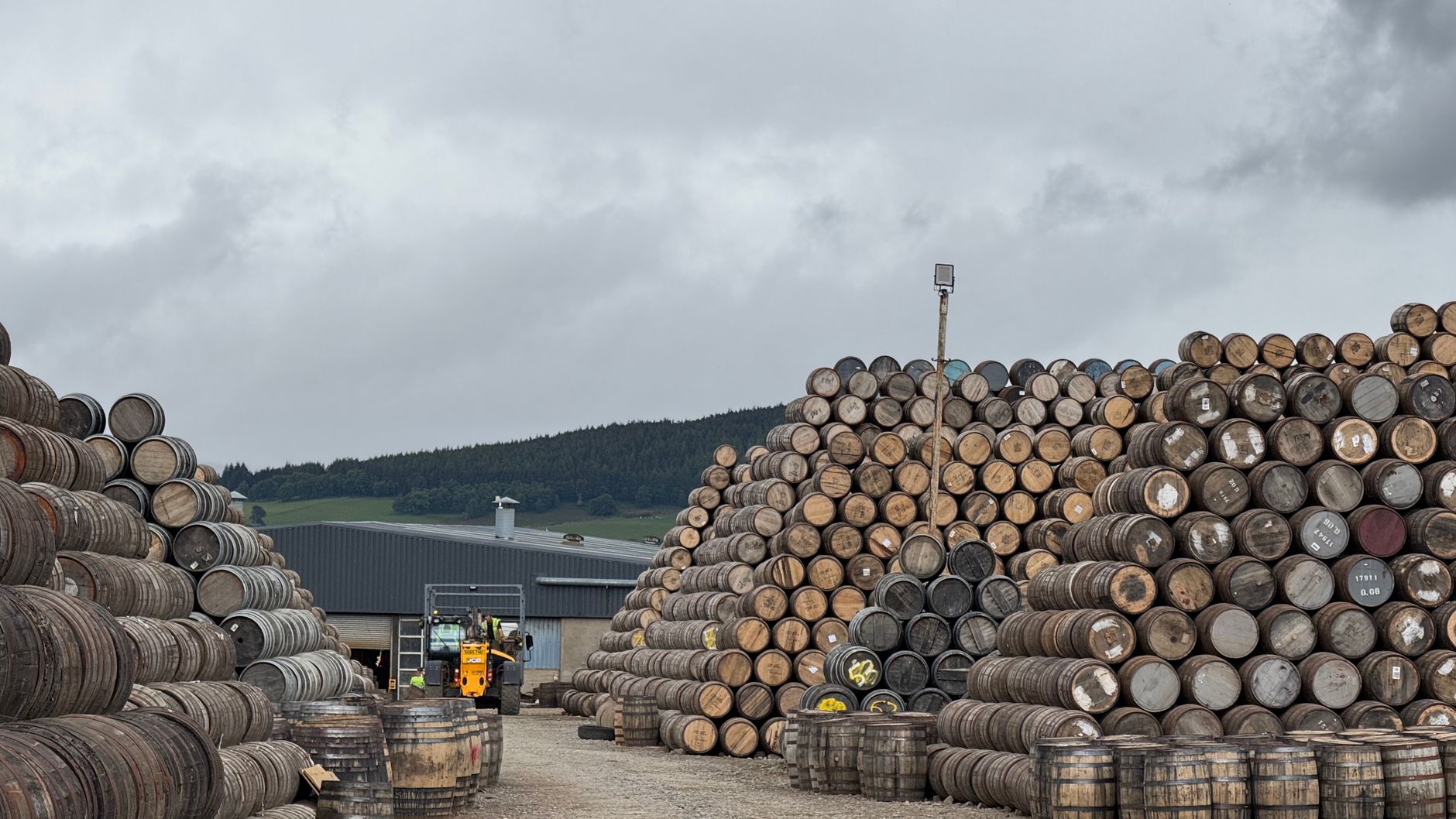
 The agricultural heartland of Speyside — rich barley, soft water, and clustered distilleries make it Scotland's most productive whisky region.
Islay: Smoke, Sea, and Peat
Islay (pronounced eye-luh) is a 25-mile island off Scotland's west coast, battered by Atlantic storms nine months of the year. It has nine distilleries — an extraordinary concentration for such a small island. Laphroaig, Lagavulin, Ardbeg, Bowmore, Bruichladdich, Kilchoman, Caol Ila, Bunnahabhain, and Ardnahoe.
The defining character of Islay whisky comes from peat — ancient compressed moss and organic matter that blankets the island. Islay distilleries dry their malted barley over burning peat fires, and the smoke infuses the grain before a single drop of spirit is made. The result is a whisky that carries the island with it: campfire smoke, medicinal iodine, sea salt, seaweed, and a drying finish that lingers for minutes.
Where Speyside invites, Islay challenges. It is one of the most divisive spirits categories in existence — genuinely polarising even among experienced whisky drinkers. And that tension is exactly what makes it interesting.
Understanding PPM: The Peat Measurement That Matters
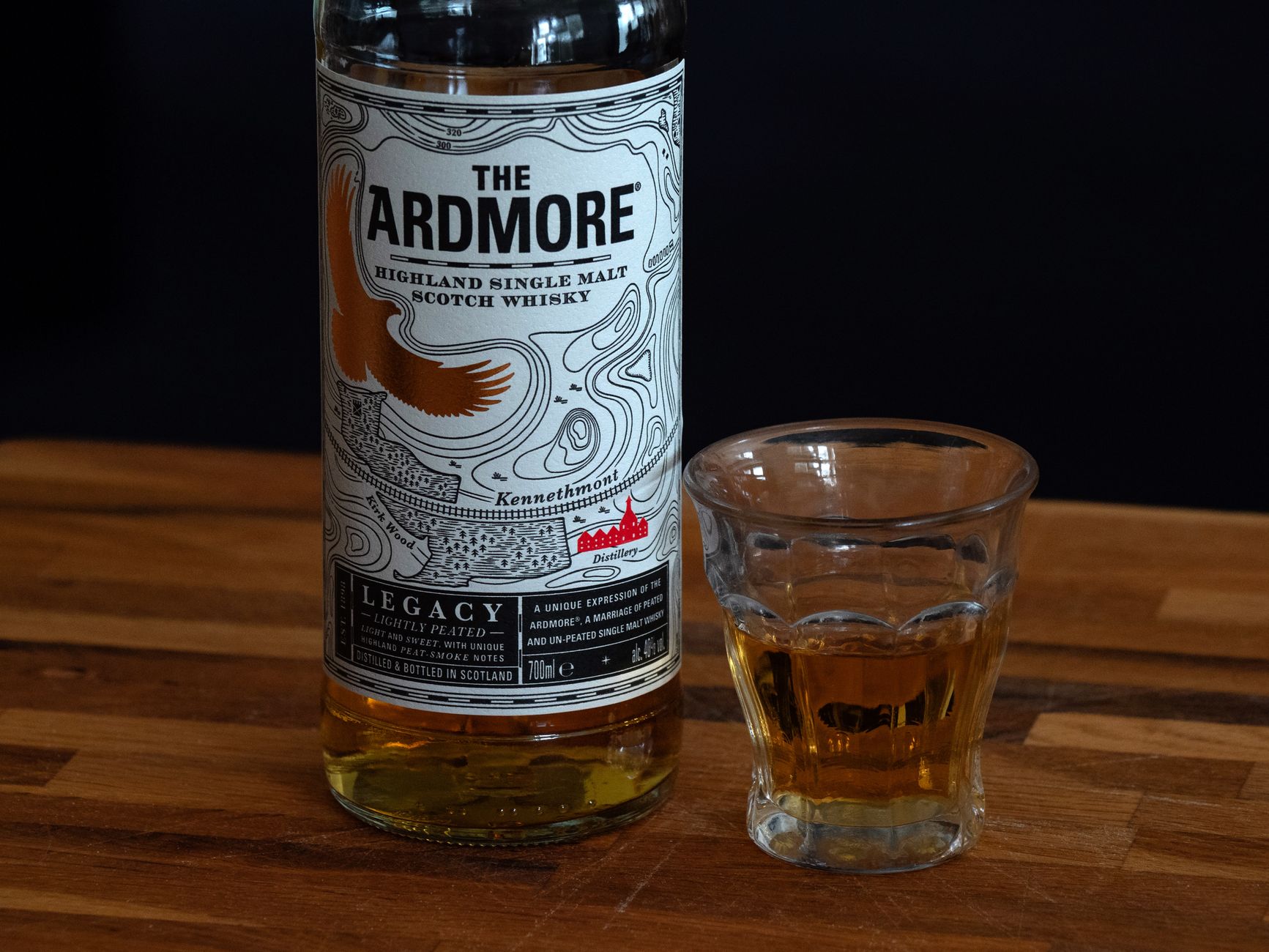
Peat character in whisky is measured in PPM — phenol parts per million — which quantifies how much smoky phenol compound is present in the malted barley before distillation. It's not a perfect indicator of how smoky a finished whisky will taste (distillation, cask maturation, and dilution all modify the final result), but it gives a useful roadmap:
| Distillery | Approximate PPM | Character |
|---|---|---|
| The Macallan | Unpeated (0–2 PPM) | Zero smoke — pure fruit and oak |
| Glenfiddich | Unpeated (0–2 PPM) | No smoke — pear, apple, vanilla |
| Bowmore | ~25 PPM | Gentle smoke, balanced with fruit |
| Laphroaig | ~40–45 PPM | Heavy medicinal peat, iodine |
| Ardbeg | ~55 PPM | Intense smoke, tar, anise |
| Octomore (Bruichladdich) | 100–300+ PPM | The most heavily peated whisky made |
As Whisky Advocate notes, PPM in the malt is not identical to PPM in the bottle — much of the phenol is lost during distillation and maturation. But the ranking holds: Laphroaig at 40+ PPM delivers a dramatically smokier experience than anything from Speyside, and Octomore is in a category of its own.
Think of PPM the way you'd think of Scoville units for chilli heat. It tells you the direction and the intensity, even if the precise sensation varies by palate.
Speyside vs. Islay: The Key Differences at a Glance
| Speyside | Islay | |
|---|---|---|
| Geography | River Spey valley, northeast Scotland | Remote Atlantic island, west coast |
| Peat level | None or minimal (0–5 PPM) | Heavy (20–300+ PPM) |
| Primary flavour | Fruit, honey, vanilla, floral | Smoke, iodine, sea salt, medicinal |
| Style | Approachable, elegant | Bold, challenging, divisive |
| Best for beginners? | Yes — the gentlest entry point | No — start here and you might run |
| Bangkok price range | ฿1,500–4,500+ | ฿1,700–5,000+ |
| Famous distilleries | Glenfiddich, Macallan, Balvenie, Glenlivet | Laphroaig, Lagavulin, Ardbeg, Bowmore |
| With food | Versatile — works with many dishes | Best neat or with very specific pairings |
| In Bangkok heat | Excellent chilled or with a single ice | Works best as an evening sipping whisky |
The Speyside Camp: Start Here
Speyside is where the majority of the world's Scotch drinkers begin — and where many stay. The style is forgiving, consistent, and genuinely delicious without requiring much whisky knowledge to appreciate.
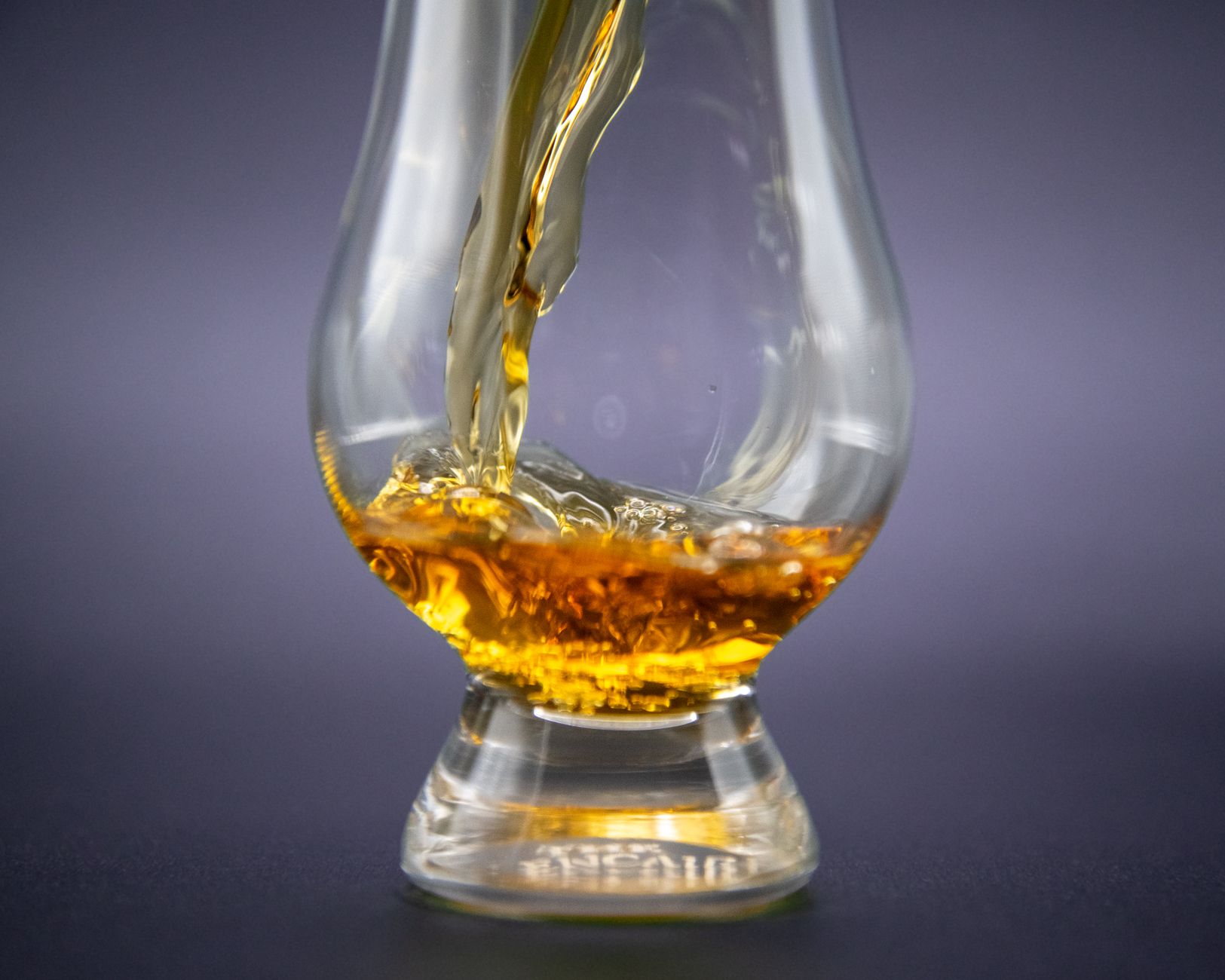 Speyside at its best: clean amber colour, fruit-forward nose, and a finish that needs no explanation.
In Bangkok's heat, Speyside performs particularly well. A Glenfiddich 12 with a single large ice cube is one of the most reliably pleasant pours you can make at home. The fruity character doesn't fight the heat; the light body doesn't feel heavy in 35°C evenings.
Glenfiddich 12 Year Old (Speyside, ฿2,399). The world's best-selling Single Malt — a statistic that reflects genuine quality, not just marketing. Pear drops, light oak, subtle vanilla, clean finish. If you've never had Speyside, this is the textbook. If you've had Speyside many times, this remains the benchmark.
The Macallan 12 Year Old Sherry Oak (Speyside, ฿5,559). Where Glenfiddich leans toward fresh fruit and bourbon-cask vanilla, Macallan leans into sherry-cask richness — dried raisin, dark toffee, warming spice. Both are Speyside; they're as different from each other as they are from Islay. A sherry-cask Macallan is particularly good in Bangkok opposite a cheese board or dark chocolate.
The Islay Camp: For Those Who Want More
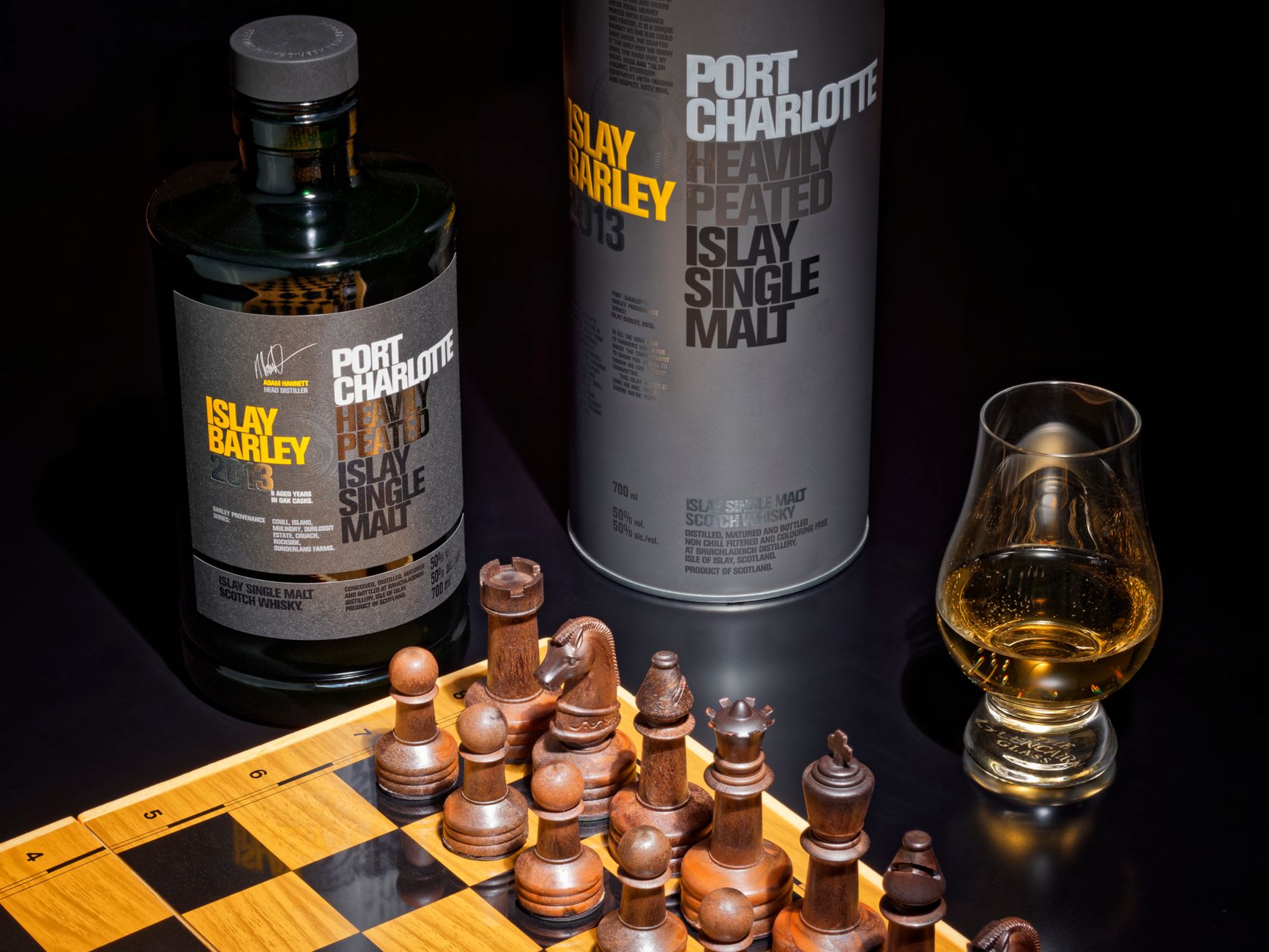
Islay converts are among the most enthusiastic whisky drinkers alive. Once the smoke clicks — once the medicinal, briny character stops being confronting and starts being compelling — many people find it impossible to go back to un-peated whisky with the same enthusiasm.
The key is to lean into it rather than fight it. Islay whisky is not trying to be Speyside. It's trying to be itself — and what it is, is extraordinary.
Laphroaig 10 Year Old (Islay, ~฿4,199). The most recognisable Islay expression in Bangkok, and one of the most distinctive whisky bottles on the planet. Heavy iodine, medicinal antiseptic character, dense peat smoke, seaweed on the finish. Decanter describes the Laphroaig style as "unforgettable once encountered" — which is accurate in both directions. Laphroaig is the test. If you finish a dram and want another, you're an Islay drinker.
Lagavulin 16 Year Old (Islay, ~฿4,999). If Laphroaig is the aggressive introduction to peat, Lagavulin 16 is the refined graduate course. The extra years in cask soften and integrate the smoke — you still get intense peat, but with a complexity and length that justify every baht. Lagavulin is consistently one of the highest-rated whiskies in the world, and in Bangkok the 16-year sits at a price that represents genuine value for what's in the bottle.
Which Wins in Bangkok?
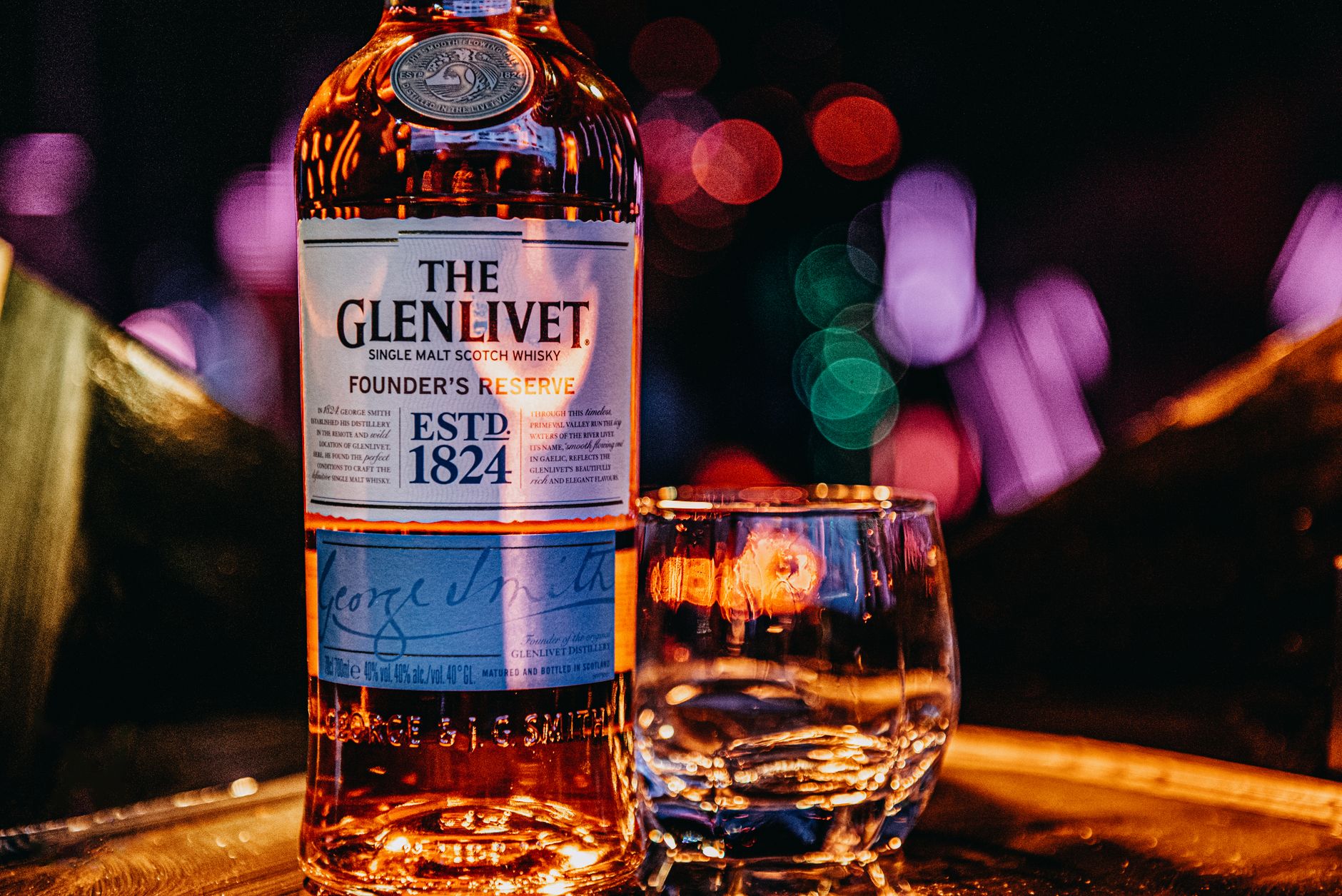
The honest answer: they win at different moments.
Speyside wins on versatility. It works before dinner, during dinner, after dinner. It works in a Highball. It pairs with food — grilled meats, cheese, Thai dishes with a subtle spice note. You can pour a Glenfiddich for a whisky novice and for a seasoned drinker at the same table and both will be happy. In Bangkok's social drinking culture, this flexibility matters.
Islay wins as an experience. When you want a whisky that demands attention — that changes how you think about what the spirit is capable of — Islay delivers something Speyside cannot. A dram of Lagavulin 16 on a balcony at night, no ice, is a different kind of pleasure. It's not about refreshment. It's about focus.
For the Bangkok heat specifically: Speyside is more versatile chilled or over ice. Islay at room temperature is where it performs best — adding ice dilutes and suppresses the smoke in ways that can flatten the experience.
Geography shapes flavour: Speyside's sheltered river valley versus Islay's Atlantic exposure explain everything about why these two regions taste nothing alike.
Keep reading: Best Japanese Whisky in Bangkok · Scotch Whisky 101 — A Bangkok Buyer's Guide · all Whisky stories.
FAQ
Is Speyside or Islay better?
Neither is objectively better — they're built for different purposes and different palates. Speyside is the world's most popular Scotch style because it's immediately accessible: fruit, honey, vanilla, no challenging smoke. Islay is the connoisseur's obsession because it offers something no other whisky region does — heavy peat, iodine, sea salt, a flavour memory that stays with you. Most serious whisky drinkers eventually drink both, because they fill different roles.
What is the peatiest whisky you can buy in Bangkok?
The most heavily peated whisky available in most Bangkok bottle shops is typically Ardbeg 10 Year Old (around 55 PPM). For those seeking the extreme end, Bruichladdich's Octomore series regularly exceeds 100 PPM and occasionally reaches 300+ PPM — the most heavily peated whisky produced commercially. Availability varies, but Octomore editions do appear in Bangkok retail. If you're starting your Islay journey, begin with Laphroaig (40–45 PPM) before escalating to Ardbeg or Octomore.
What should a beginner try first — Speyside or Islay?
Start with Speyside, and specifically with Glenfiddich 12 or Glenlivet 12. Both are under ฿2,500 in Bangkok and give a clear, honest picture of what un-peated Single Malt tastes like. Once you understand the Speyside baseline — the fruit, the oak, the soft vanilla — you'll have a reference point that makes the first time you try Laphroaig genuinely illuminating rather than just confusing. Going straight to Islay without that context is like tasting an intensely spiced dish before you've learned what the individual spices smell like.
How do I drink Islay whisky for the first time?
Neat, or with a few drops of still water (not ice on a first taste). Water opens up peated whisky — it releases aromatic compounds that stay locked in at full strength. Start with a small pour, nose it first, then sip. Give the smoke a moment to settle before judging. Many people's first reaction to Islay is "this tastes like medicine" — but the second sip often reveals complexity beneath the initial hit. If you add ice immediately, you suppress the very character you bought the bottle for.
Are Speyside and Islay whiskies available at the same price in Bangkok?
Broadly yes — both styles are well represented at the ฿1,500–4,000 range in Bangkok. Speyside tends to offer more options at the accessible ฿1,500–2,500 tier (Glenfiddich 12, Glenlivet 12, Tamnavulin). Islay has slightly fewer entry-level options, with Laphroaig 10 typically sitting around ฿2,000–2,200. Both regions have premium bottles well above ฿4,000 — Macallan 18 and Lagavulin 16 both climb significantly, and older expressions of either style can reach ฿10,000+.
All bottles in stock at WNLQ9 as of July 2026. Prices in THB. Sale prices as marked.