Sake is one of the most food-friendly drinks in the world — and Bangkok might be the best city on earth to prove it. Between the Japanese restaurant scene on Thonglor and the deep flavour intensity of Thai cooking, there has never been a better moment to rethink what goes in your glass at dinner.
Why Sake Pairs So Well With Food
Most drinks have a built-in conflict with food. Red wine's tannins can clash with delicate proteins. High-alcohol spirits can amplify chilli heat into something painful. Even beer's carbonation and bitterness can cut across subtle flavours rather than support them.
Sake sidesteps almost all of those problems. It sits at a moderate alcohol level — typically 14–16% — with no tannins, no carbonation (unless you choose a sparkling style), and a flavour profile built around amino acids and rice-derived sweetness. Those amino acids are what make sake taste the way it does: clean, faintly savoury, with a softness that wraps around food rather than fighting it.
In Japan, sake has been paired with food for centuries. In Bangkok, where Japanese restaurants have become part of everyday dining and Thai cuisine offers some of the most complex flavour layering in the world, sake deserves the same thoughtful attention we give wine.
A Quick Guide to Sake Styles
You don't need to memorise the entire Japanese classification system — just four styles cover most of what you'll find in Bangkok. Think of this as the minimum useful knowledge before you start pairing.
| Style | What it means | Flavour character | Serve temperature |
|---|---|---|---|
| Junmai | Pure rice sake — no added alcohol or sugar | Full-bodied, earthy, umami-rich. Dry to off-dry. | Room temp to slightly warm |
| Ginjo | Highly polished rice (60% or less remaining) | Fragrant, fruity, floral. Lighter body. | Chilled (10–12°C) |
| Daiginjo | Ultra-polished rice (50% or less remaining) | Delicate, refined, floral-fruity. Premium tier. | Well chilled (8–10°C) |
| Nigori | Unfiltered — rice solids left in the bottle | Cloudy, creamy, lightly sweet. Rich texture. | Chilled and shaken gently before pouring |
There are other styles — aged Koshu, kimoto (naturally fermented, with more acidity and depth), sparkling sake — and we'll bring those in where the pairing calls for them.
The Pairing Principle: Umami Meets Umami
The central rule of sake pairing is simple: sake amplifies umami in food rather than competing with it. Sake itself is full of glutamates — the same compound that gives dashi, aged cheese, and fermented fish sauce their depth. When you put sake next to food that also contains glutamates, both become more expressive.
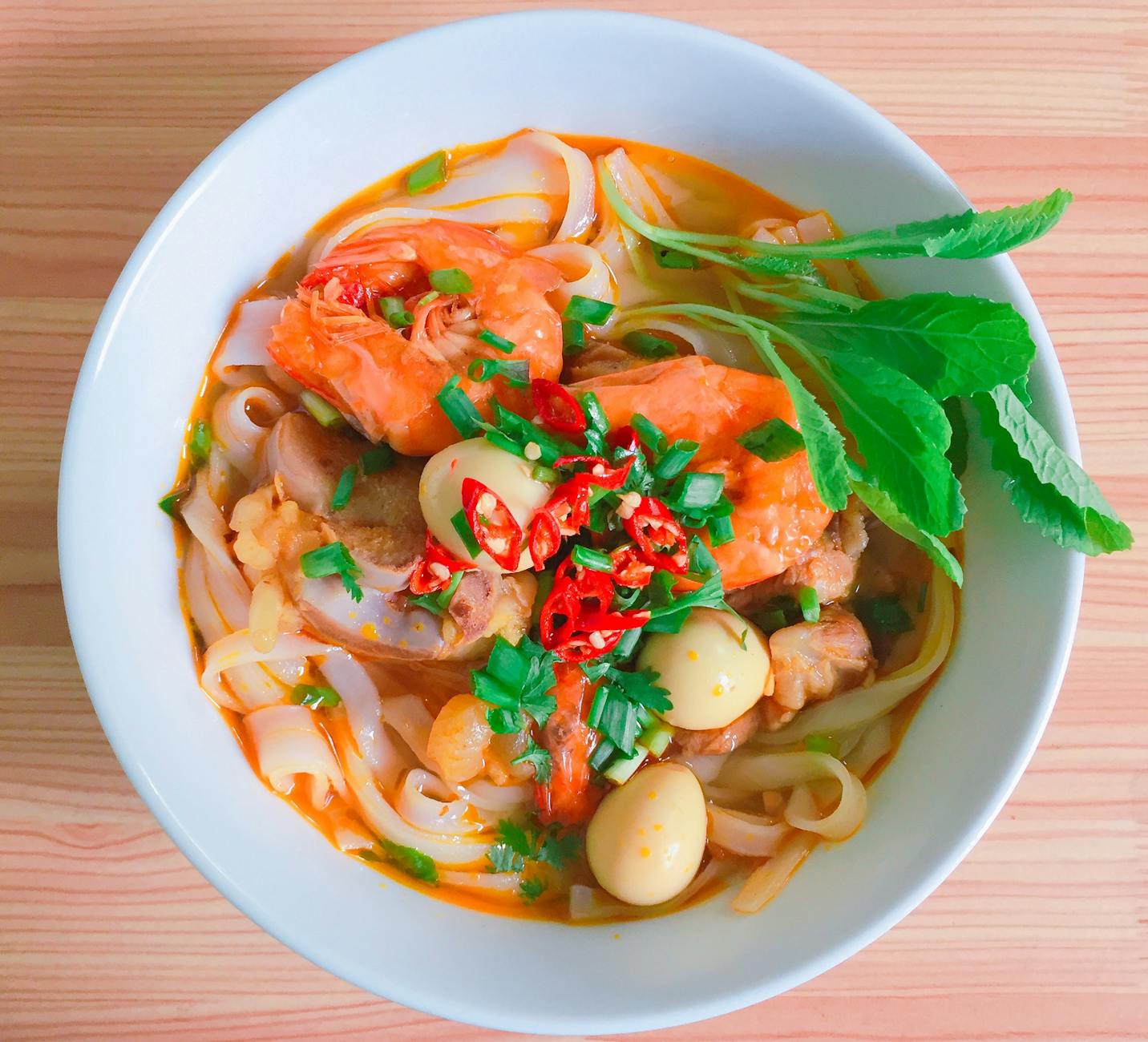
This is why sake works so naturally with Japanese food (soy sauce, miso, dashi, aged tofu), but also why it pairs so surprisingly well with Thai cuisine. Fish sauce, shrimp paste, fermented soybean-based seasonings — all are umami-rich in exactly the same way. The flavour bridge is already there. You just have to choose the right style of sake for the dish's intensity.
The rough rule: the more intense the dish, the more structured and full-bodied your sake should be. The more delicate the dish, the more fragrant and light.
🥃 Tip from the Bar Team
Unlike wine, you almost never need to worry about sake making food taste metallic, over-sweet, or bitter. Its lack of tannins and low volatility make it a genuinely forgiving pairing partner. If you're uncertain, default to a dry Junmai Ginjo — it's the closest thing sake has to a universal food wine.
Dish-by-Dish Pairings for Bangkok Tables
Here is where it gets practical. Six pairings — three from Japanese dining and three from Thai cuisine — covering the most common dishes you'll encounter on Bangkok menus.
Japanese
Raw Fish & Sashimi
Delicate proteins and clean oceanic flavour need a sake that matches without overpowering. Dry Junmai or Ginjo is the classic answer — the sake's umami depth meets the fish's natural sweetness without introducing any bitter or tannic edge.
Dry Junmai / Ginjo
Japanese
Tempura & Fried Foods
Fried food needs acidity or carbonation to cut through the oil. Sparkling sake is the standout choice here — the light effervescence and dry finish do exactly what Champagne does with fried chicken, but with less alcohol and more elegance. A dry Junmai also works for those who prefer still.
Sparkling Sake / Dry Junmai
Thai
Thai Green Curry (Medium Spice)
This is the pairing Bangkok sake drinkers tend to discover and never forget. Green curry's coconut milk richness and herbal heat call for something that mirrors the creaminess rather than fighting it. Nigori — slightly sweet, cloudy with rice solids — echoes the coconut milk texture and tames the chilli without making it spicier, the way a high-alcohol wine sometimes does.
Nigori (lightly sweet)
Thai / Japanese
Grilled Meats: Yakitori & Moo Kata
Char, smoke, and the deep savoriness of grilled meat need a sake with structure and its own savoury depth. Aged Koshu or kimoto-style Junmai — both carrying more acidity, earthiness, and complexity than a standard sake — are the right call. They can hold their own against binchotan charcoal smoke and sweet-savory tare.
Aged Koshu / Kimoto Junmai
Japanese
Fresh Oysters
Oysters are one of the great tests of a pairing drink — they reward something mineral, dry, and clean. Cold-region Junmai (from Niigata, Akita, or Hokkaido) tend to have a crisper, more mineral quality that works beautifully here. Think of it the way a good Muscadet works with oysters in France.
Dry Mineral Junmai (cold region)
Thai
Fruit-Forward Thai Dishes: Mango Salad & Tamarind Sauces
Thai dishes built on fruit — green mango, tamarind, pomelo — carry a sweet-sour brightness that pairs with something equally fruit-forward in the glass. A Ginjo or Daiginjo, with its aromatic apple, pear, and floral notes, bridges across that brightness rather than clashing with it. The sake's fruity character becomes an extension of the dish.
Fruity Ginjo / Daiginjo
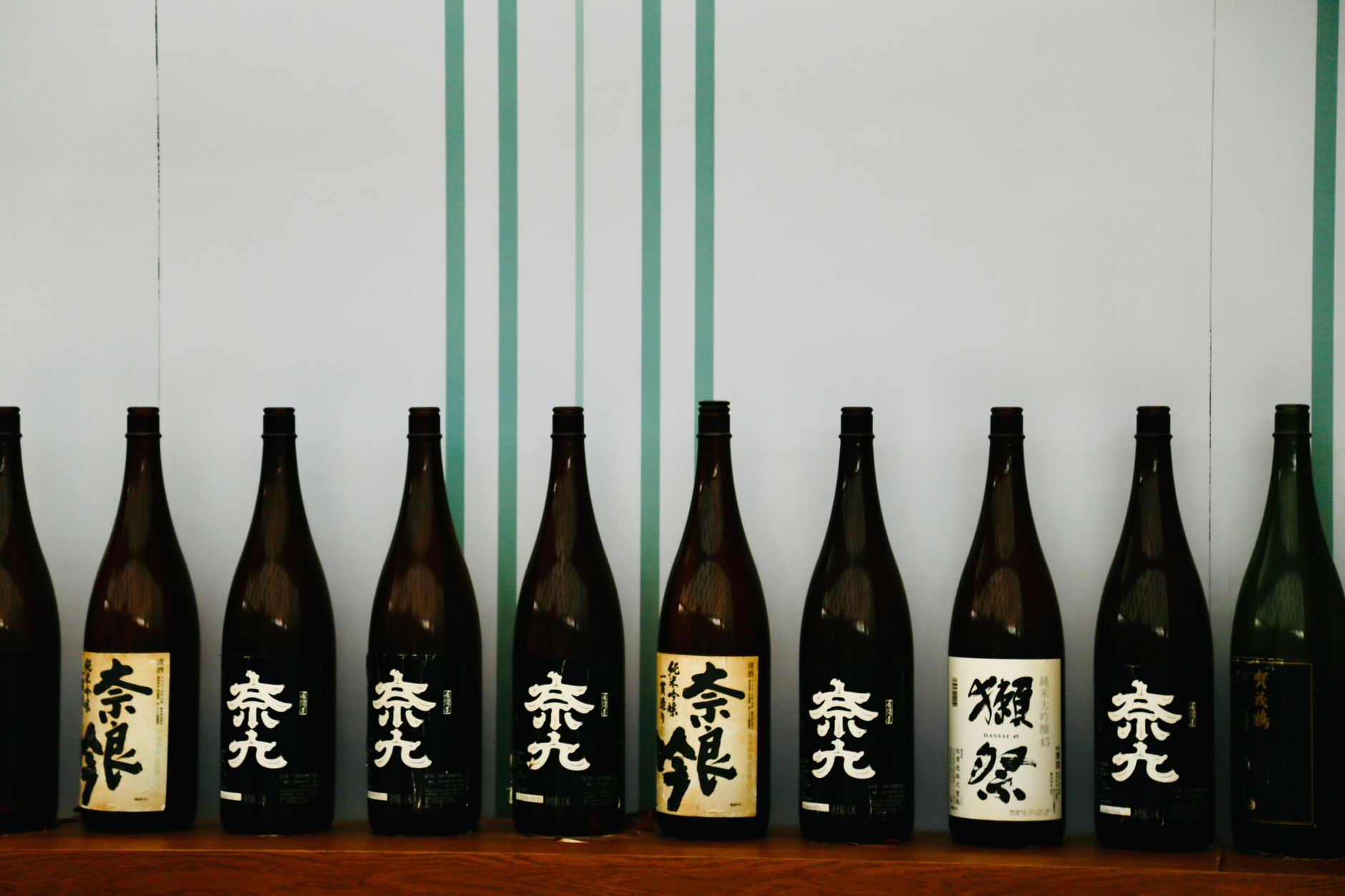
 Every bottle on the shelf carries its own temperature rule — read the label before the glass
Sake's low tannin and amino acid profile make it uniquely suited to the nuanced flavours of Japanese omakase and Thai set menus alike.
🌡️ On Temperature
Sake is one of the few drinks in the world that tastes good across a range from warm to cold — and different temperatures genuinely reveal different characters in the same bottle. Ginjo and Daiginjo are almost always better chilled, where their fragrance is most vivid. Junmai and Nigori can be served at room temperature or slightly warm, which brings out earthy, umami notes. As a general rule: the more delicate the sake, the colder it should be.
Sake to Buy Now
Every sake mentioned in this guide is available at WNLQ9. Here is a dish-matched shortlist — one entry point and one step-up option for serious pairing.
Versatile Food Sakes
Hakutsuru Junmai Ginjo (300ml)
Fragrant, balanced and food-friendly — the best all-rounder on the list. Pair with sashimi, tempura, or anything from a Thai izakaya menu.
Fukuju Junmai Ginjo (300ml)
Fragrant and food-forward, from one of Kobe's most celebrated breweries. A more structured Ginjo for sashimi, oysters, and delicate seafood.
For Thai Curry & Rich Dishes
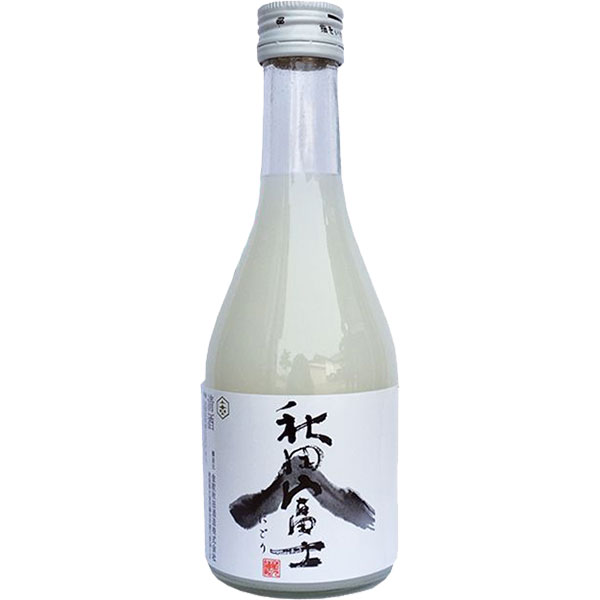
Hakutsuru Sayuri Nigori Sake (300ml)
Cloudy, lightly sweet, and creamy — the natural partner for green curry, coconut-based dishes, and spice that needs calming.
Dry Sakes for Sashimi & Oysters
Fukuju Junmai (300ml)
Dry, clean, and structured — the go-to companion for raw fish, oysters, and anything that needs a sake with restraint and backbone.
Step-Up Picks
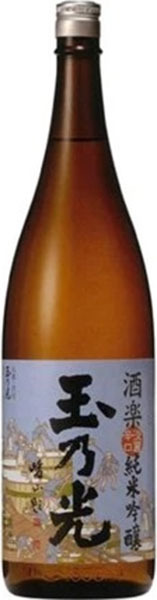
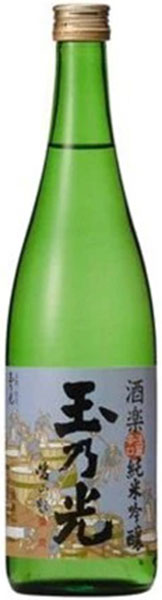
Tamanohikari Junmai Ginjo Shuraku (720ml)
A serious pairing sake from Kyoto — refined, umami-rich, and versatile enough to carry a full omakase meal from start to finish.
Fukuju Awasaki Sparkling Sake (300ml)
Light, celebratory, and brilliant with fried foods — tempura, karaage, or crispy spring rolls. Also makes a superb aperitif before a Thai feast.
Keep reading: A Complete Guide to Sake in Thailand · all Sake & Japanese stories.
Frequently Asked Questions
Does sake go with sushi?
Yes — and it is one of the most natural pairings in Japanese food culture. The best choice depends on the sushi itself: delicate white fish nigiri suits a fragrant Ginjo, while tuna and richer fish work well with a dry Junmai. For a mixed omakase, a Junmai Ginjo is the safest choice as it covers both ends of the spectrum.
Can sake pair with spicy food?
Better than most drinks. Because sake has no tannins and relatively low alcohol, it doesn't amplify capsaicin heat the way a full-bodied red wine can. The trick is to choose the right style: slightly sweet Nigori works best with spice because the residual sugar creates a buffer. Dry Junmai can also work if the dish isn't searingly hot. Avoid dry, high-acid styles with extreme chilli — the acidity can exaggerate the burn.
What sake goes with Thai food?
Thai food pairs with sake along the same umami-to-umami logic as Japanese food — the fish sauce, shrimp paste, and fermented seasonings in Thai cooking carry the same glutamates that make sake pairings sing. For coconut-based curries: Nigori. For seafood dishes like pla neung manao: dry Junmai or Ginjo. For mango salad and fruit-forward dishes: a fruity Ginjo or Daiginjo. For grilled meats like moo kata: a fuller-bodied Junmai with some age.
Should sake be served warm or cold?
Both are correct, and the answer depends on the style. Fragrant Ginjo and Daiginjo are almost always served cold — warmth mutes the floral and fruity aromatics that make them special. Standard Junmai and Nigori can be enjoyed at room temperature or gently warmed (around 40–45°C), which brings out earthy, umami-forward notes. If you're unsure, start chilled — you can always warm a sake, but you can't un-warm it.