 Log in to view
฿
Product information compiled from producer, importer and reference sources.
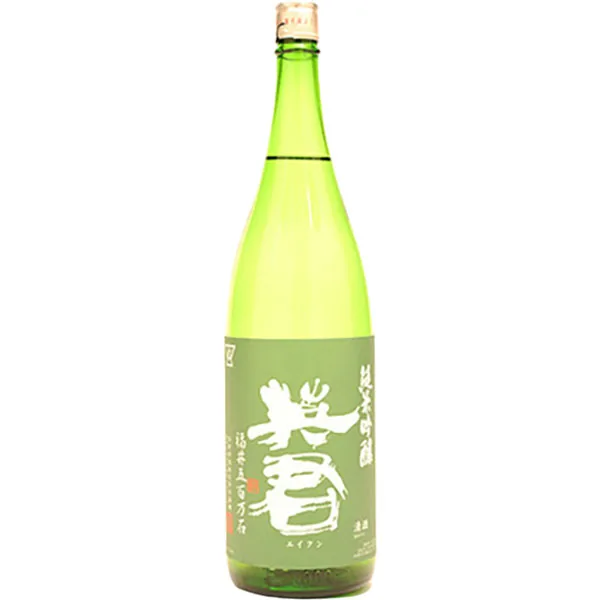
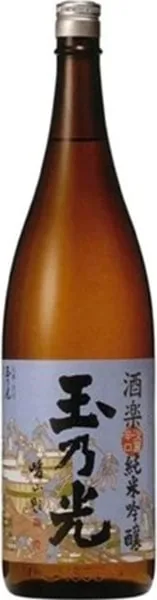
Fushimi's soft subterranean water meets 60% polished Iwai rice in Tamanohikari's entry-point Junmai Ginjo — no brewer's alcohol, no shortcuts.
Tamanohikari Sake Brewery has brewed in Fushimi, Kyoto since 1673, and was among the first modern producers to revive the junmai (pure-rice, no added alcohol) standard in the 1960s — a commercial risk taken on principle when the rest of the industry was diluting with distilled alcohol to cut costs. That decision defines every bottle in the lineup today.
Fushimi sits atop a deep aquifer fed through granite and sand, yielding water unusually soft and low in iron — a mineral profile that encourages delicate fermentation and preserves aromatic lift. The brewery draws directly from this source for all production.
Shuraku is built on Iwai rice, a Kyoto-native variety prized for its large, starchy core (shinpaku), polished here to a 60% seimaibuai (40% of the grain removed). Fermentation follows sokujo (modern lactic-acid starter) method. The result qualifies as Junmai Ginjo — rice, water, koji, and yeast only, with no additives.
The 1.8 L magnum format (isshobin) is the traditional Japanese restaurant and household size, making this the rare ginjo-grade sake designed for generous, everyday pouring rather than ceremonial sipping.
Drink now through 2–3 years; serve lightly chilled at 10–15°C to keep the rice-derived texture present.
Sommelier’s pick: Grilled sea bream with yuzu kosho · Chilled tofu with dashi and ginger · Steamed pork gyoza with ponzu
Loading notes…
Tasted this?
Ask us on LINE.
Ask about this item