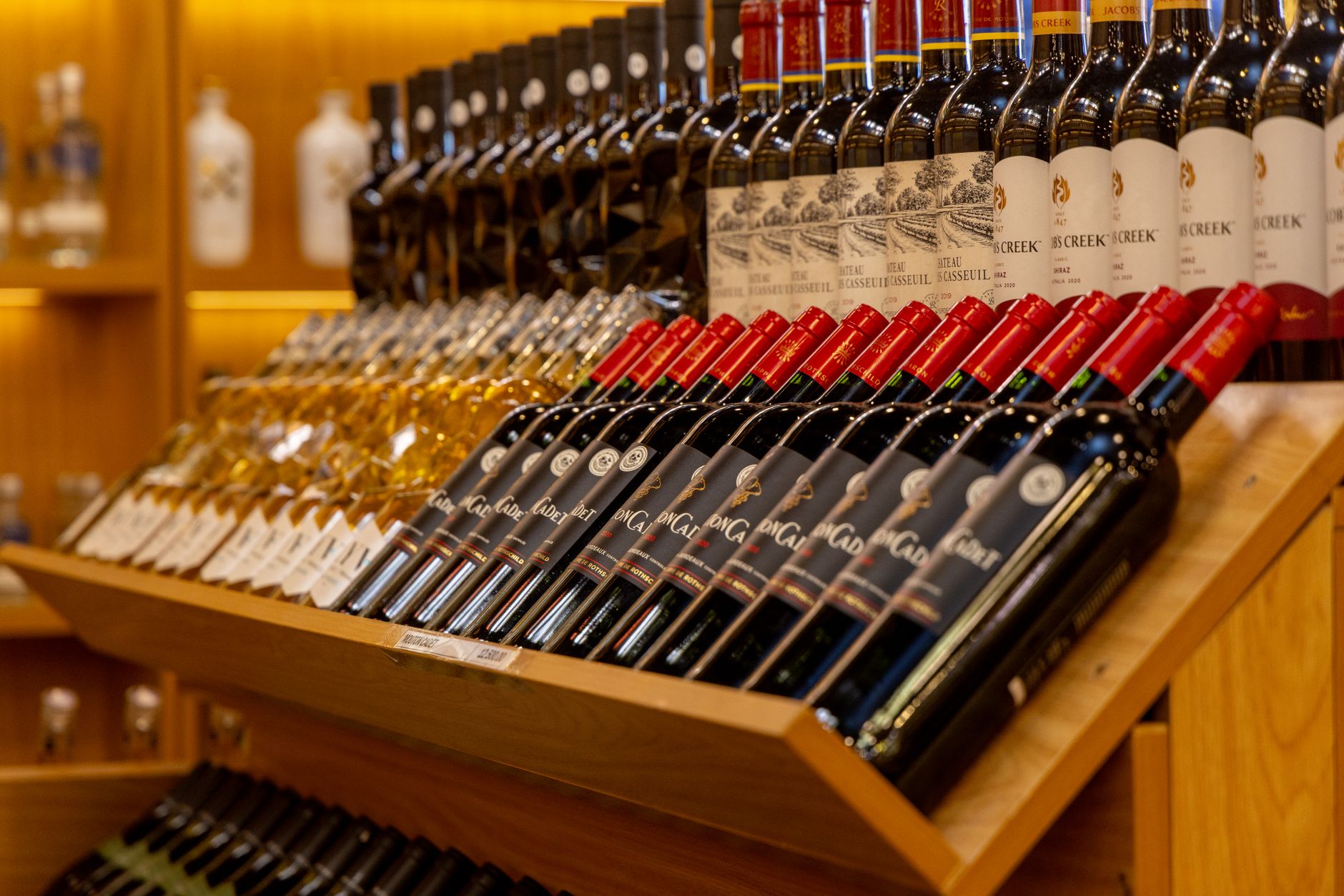
Our sake guides cover the fundamentals — Junmai, Ginjo, Daiginjo, how the grade system works. This is the next step: once you know what Daiginjo means, which bottles actually justify the tier. Bangkok's sake selection at the premium end is deeper than most drinkers realize, from a ฿500 half-bottle that over-delivers to a ฿8,600 bottle that's genuinely one of the most sought-after sakes in the world.
What "Daiginjo" Actually Buys You
Daiginjo is the highest formal grade in the sake classification system, defined by rice polishing ratio (seimaibuai) — the percentage of the rice grain remaining after the outer layers, rich in fats and proteins that create off-flavors, are milled away. Daiginjo requires at least 50% of the grain to be polished off, leaving 50% or less remaining. Some producers go dramatically further.
The result of that intensive milling — and the low, cold fermentation temperatures premium sake demands — is a style defined by clarity: delicate fruit and floral aromatics (often compared to pear, melon, or white flowers), a silky texture, and none of the earthy or savory notes present in everyday table sake. It's a genuinely different drinking experience, closer to a fine white wine than to what most Bangkok diners think of as sake.
Entry to Premium: Where the Value Actually Is
BORN Junsui Pure Junmai-Daiginjo (300ml) — ฿500
BORN, from Fukui prefecture, is one of the more internationally recognized premium sake names — a favorite in fine dining rooms across Asia. The half-bottle format at ฿500 is a genuinely smart way to try real Daiginjo character without committing to a full 720ml bottle on a first taste.
Asamai Junmai Daiginjo 45 — ฿1,300
A 45% polish ratio from Nagano — clean, aromatic, well-balanced without the intensity (or price) of the flagship names below. A reliable everyday-premium bottle for someone who wants Daiginjo quality on a Tuesday, not just for a special occasion.
BORN Gold Junmai-Daiginjo — ฿1,500
BORN's full-size flagship bottling — more depth and length than the Junsui, still elegant rather than heavy. A strong gift bottle for someone who already knows they like sake.
Dassai: The Name That Changed How the World Sees Sake
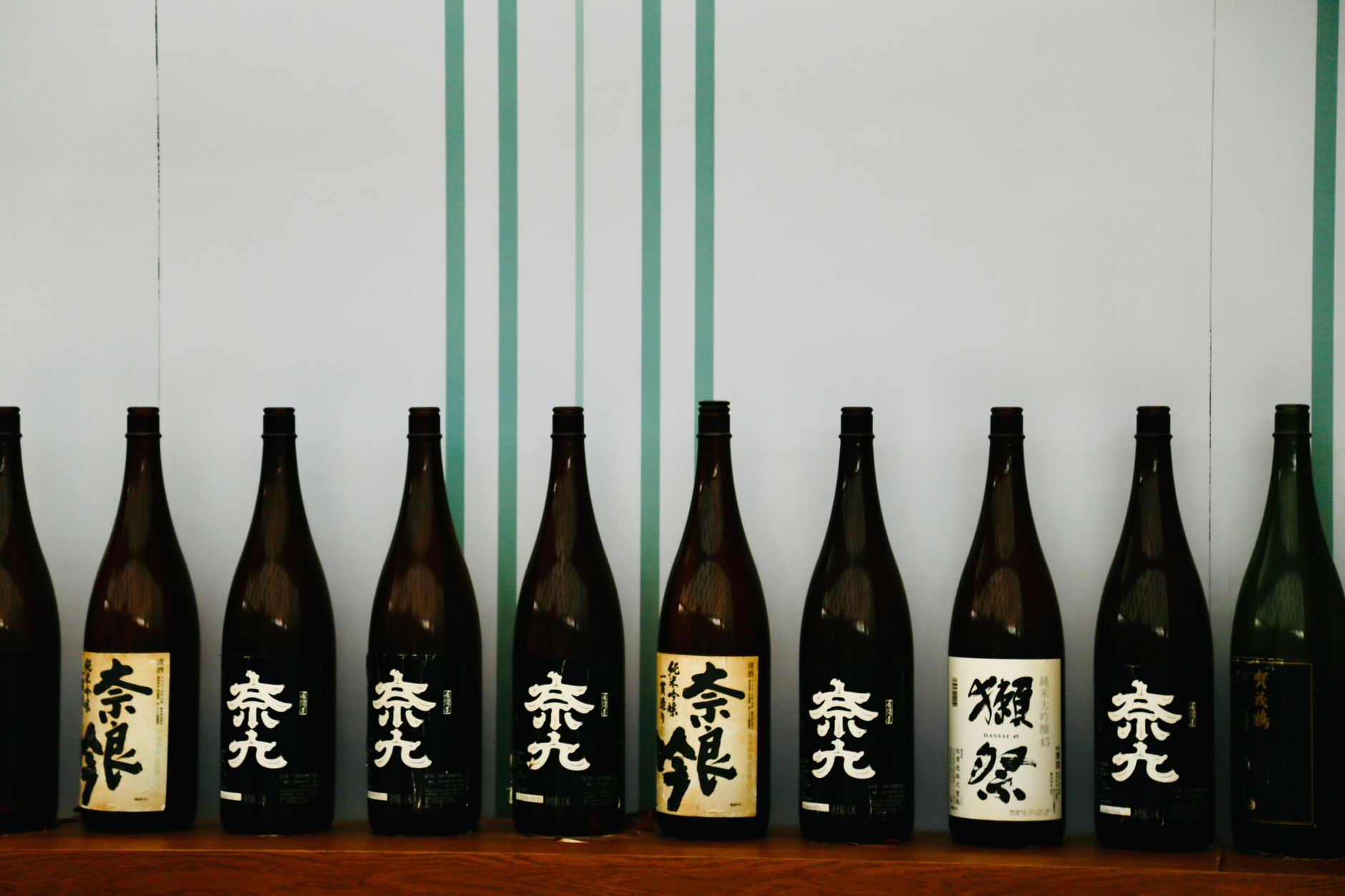
No producer did more to bring premium sake to international attention than Dassai, from Yamaguchi prefecture. Their signature move is pushing the polish ratio far past the Daiginjo minimum — their famous "23" designation means only 23% of the rice grain remains after milling, an almost absurd level of refinement that concentrates flavor into something intensely pure.
Dassai Junmai Daiginjo 45 — ฿1,700
The accessible end of the Dassai range — 45% polish, the standard Daiginjo threshold. Bright, fruit-forward, a genuinely excellent introduction to why this producer built the reputation it has.
Dassai Junmai Daiginjo Migaki Niwari Sanbu "23" — ฿4,500
This is the bottle that put Dassai on every serious sake list in the world — 23% rice remaining after polish, a process so demanding it takes days longer than standard milling. The result is extraordinarily refined: pear and white floral notes, a texture closer to silk than liquid, almost no sharp edges anywhere in the glass.
The Collector's Tier
Kamotsuru Tokusei Gold Daiginjo (1.8L) — ฿4,600
Kamotsuru, from Hiroshima, is one of Japan's oldest and most decorated breweries — Tokusei Gold has won awards domestically for decades. The large-format 1.8L bottle makes this a genuine option for hosting a serious sake tasting rather than a single pour.
Noguchi Naohiko Junmai Daiginjo — ฿8,100
Noguchi Naohiko is often called the godfather of modern Junmai sake — a legendary brewer whose techniques reshaped how Japanese breweries approach purity and rice character. This bottle, from his own eponymous brewery in Niigata, is the top of what Bangkok currently stocks: dense, complex, built for slow, attentive drinking rather than a casual pour.
How to Serve Premium Sake Properly
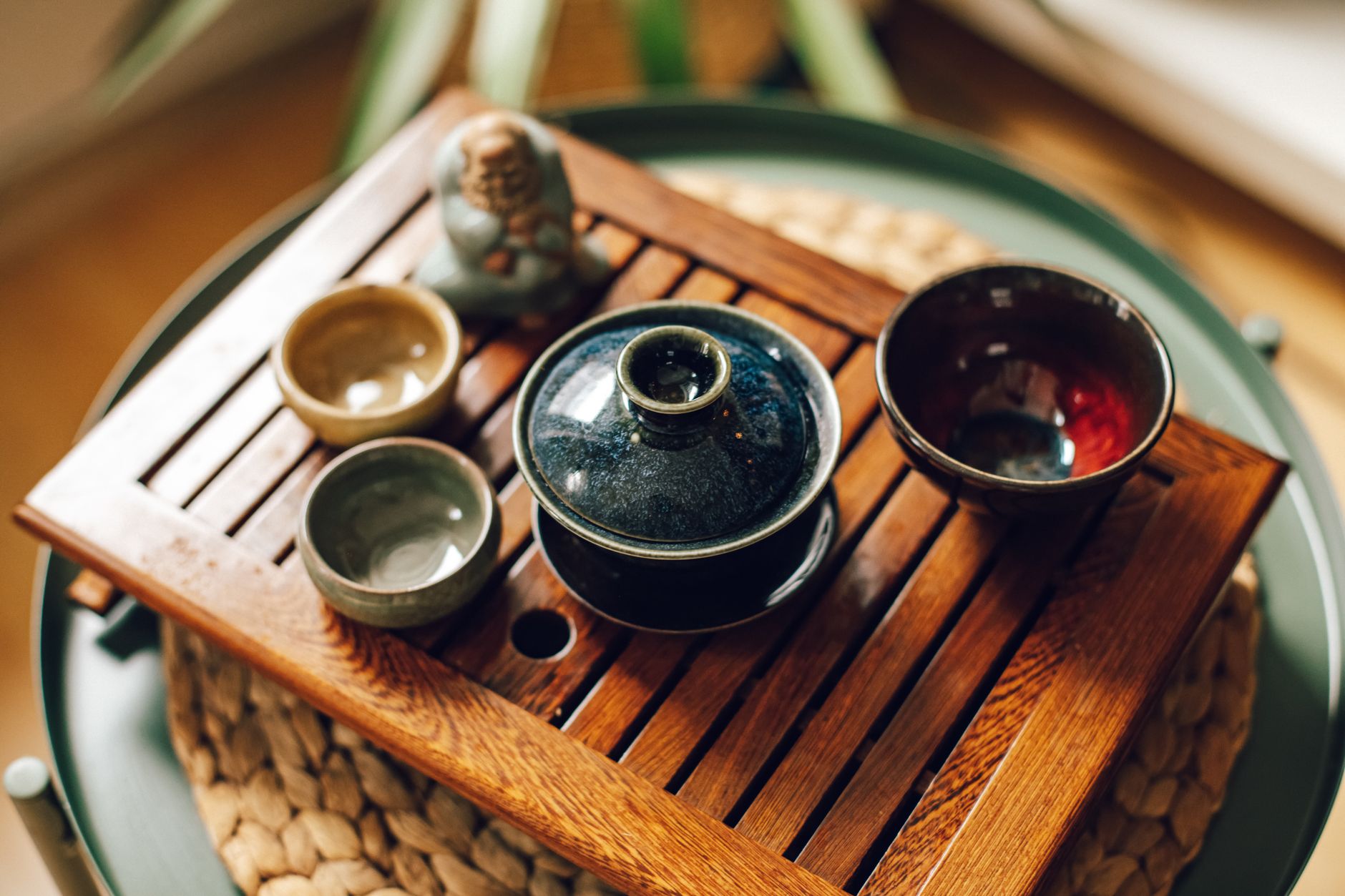
Never serve Daiginjo hot — heat destroys the delicate aromatics that justify the price. Serve chilled, around 8–12°C, in a small wine glass rather than a traditional ceramic cup if you want to actually smell what you're drinking; the aromatics are a large part of what you're paying for. For food, premium sake's clean profile pairs naturally with our sake and Thai food pairings — lighter dishes let the sake's own character lead rather than compete.
FAQ
What does the "23" mean on Dassai sake bottles?
It refers to the rice polishing ratio — 23% of the original rice grain remains after milling away the outer layers. The lower the number, the more intensive (and expensive) the polishing process, generally producing a more refined, delicate flavor profile.
Is more expensive sake always better?
Not strictly — polish ratio and price correlate with refinement and delicacy, not universal "better." Some drinkers prefer the more textured, savory character of a well-made Junmai over the ultra-polished purity of a top Daiginjo. Price buys a specific style, not an objective upgrade.
How should premium sake be stored?
Keep Daiginjo refrigerated and drink it within a few months of purchase — premium sake is more delicate than wine and doesn't benefit from long aging the way a fine Bordeaux does. Once opened, finish within a few days for the best aromatic quality.
What is the difference between Junmai Daiginjo and Daiginjo?
"Junmai" means the sake is made using only rice, water, koji mold, and yeast — no added brewing alcohol. Daiginjo without "Junmai" may include a small amount of added alcohol, traditionally used to enhance aroma. Junmai Daiginjo is generally considered the more "pure" expression of the grade.
What's the best premium sake for a first try?
BORN Junsui, in its 300ml format, is the lowest-risk entry — real Daiginjo character at ฿500. If you want to understand what all the attention around Dassai is about, their standard Junmai Daiginjo 45 is a more accessible (and more affordable) starting point than the flagship 23.