 Log in to view
฿฿฿
Product information compiled from producer, importer and reference sources.
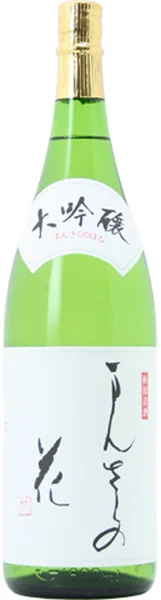
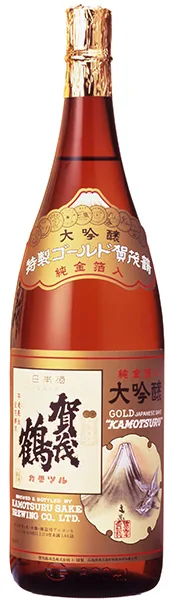
The world's first commercially sold daiginjo (1958), brewed in Saijo with ultra-soft Kamo Mountain water via slow, low-temperature fermentation.
In 1958, Kamotsuru released Tokusei Gold Kamotsuru — the world's first commercially sold daiginjo — decades before the category had a name, let alone a market. That single decision, made at Kura No. 8 on Saijo's Sakagura-dori, effectively invented the modern ginjo movement.
The brewery draws ultra-soft subsoil water filtered through the Kamo Mountains of Higashihiroshima — mineral-poor to a degree that once made Hiroshima water a liability in sake brewing. Kamotsuru's answer was a technically demanding slow, low-temperature
moromi fermentation that compensates for the water's near-absence of minerals, yielding a silkier, more aromatic profile than anything achievable with Nada's hard water.
Contract-grown sake rice arrives from Hiroshima's northern highlands — elevated terrain with significant diurnal swing and clay-loam soils — and is polished in-house at the brewery's dedicated rice-polishing kura. Koji is cultured deeply into the rice's inner structure to maximise saccharification before fermentation begins; rice is steamed in traditional wooden steamers.
The house philosophy is Ama-Kara-Pin-Uma: mildly sweet, dry, refreshing, and tasteful in sequence.
At 1.8 L, this magnum format is itself unusual for a daiginjo tier — a category almost never bottled beyond 720 ml — making it a rare large-format expression of Japan's founding commercial daiginjo.
As a non-vintage blend, the Gold Daiginjo is built for consistency of house style; drink now or cellar short-term in cool, dark conditions.
Sommelier’s pick: Steamed Hiroshima-style oysters with ponzu · Sashimi of flounder (hirame) with sudachi · Chawanmushi with sea urchin and dashi
Loading notes…
Tasted this?
Ask us on LINE.
Ask about this item