There has never been a better moment to buy fine wine in Bangkok. The 2024 elimination of wine import duty collapsed the premium that once made serious bottles here a bad joke against Hong Kong or Singapore — and the city's selection has grown to match. But fine wine punishes casual buying in ways everyday wine never does: a ฿20,000 bottle stored badly is a ฿20,000 disappointment. This guide, the practical companion to the rest of our buying guides, covers what to check before you spend serious money — and seven benchmark bottles that show what Bangkok's fine-wine shelf looks like now.
Rule One: Storage History Is the Product
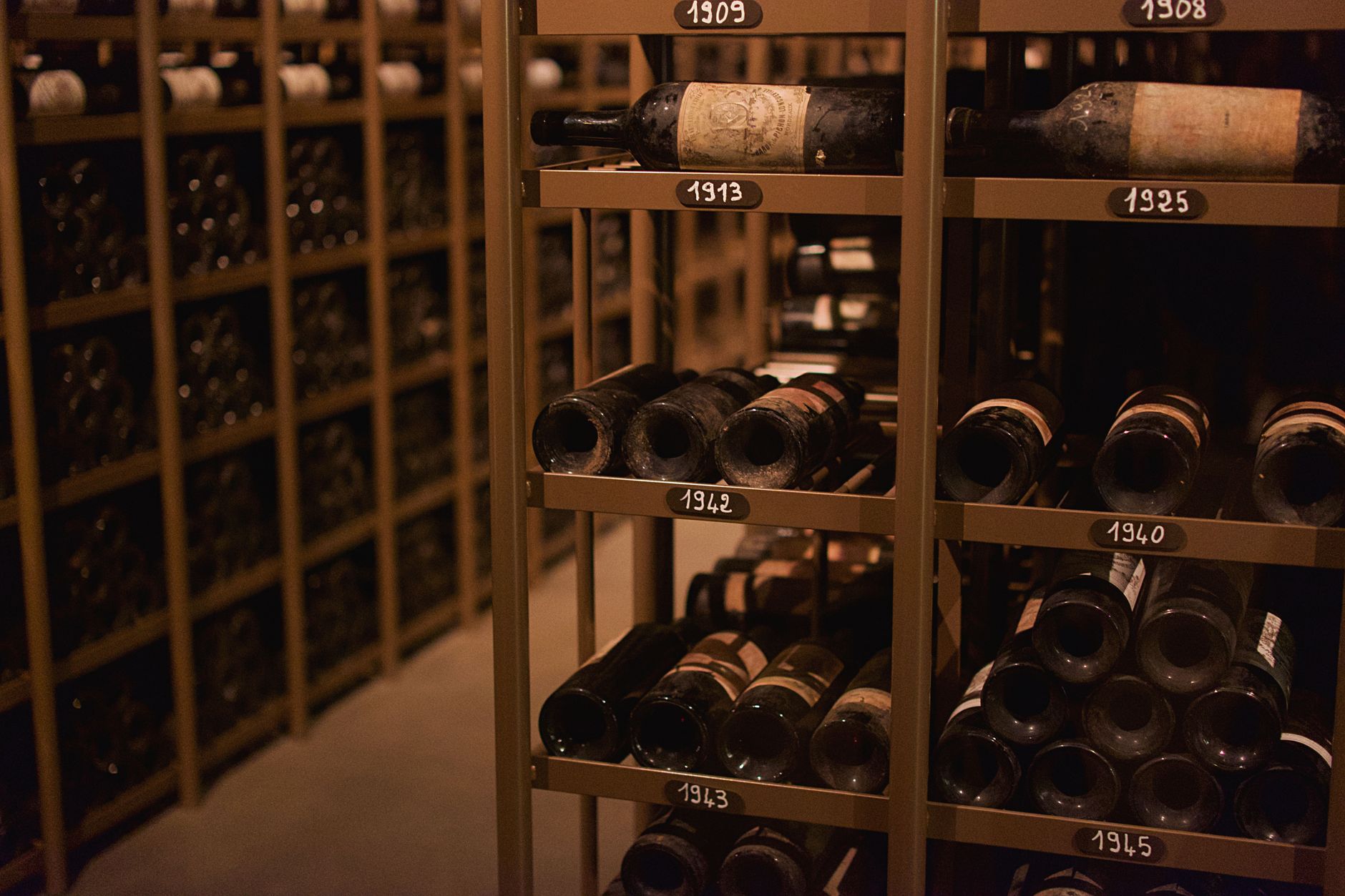
A fine wine is not just a label — it's a label plus everything that has happened to the bottle since it left the château. Heat is the killer, and Bangkok has plenty of it. Before buying any expensive bottle, from anyone, the questions that matter are: Was it shipped in a refrigerated container? Has it lived in temperature-controlled storage since arrival? Would the seller answer those questions in writing?
A pristine label tells you nothing; a seller who can't describe the cold chain tells you everything. This is also why the "bargain" fine wine that surfaces from a private collection or a restaurant closure is usually no bargain — read our wine storage guide and you'll understand what a decade of Thai ambient heat does to a great vintage.
Rule Two: Buy the Producer, Not the Score
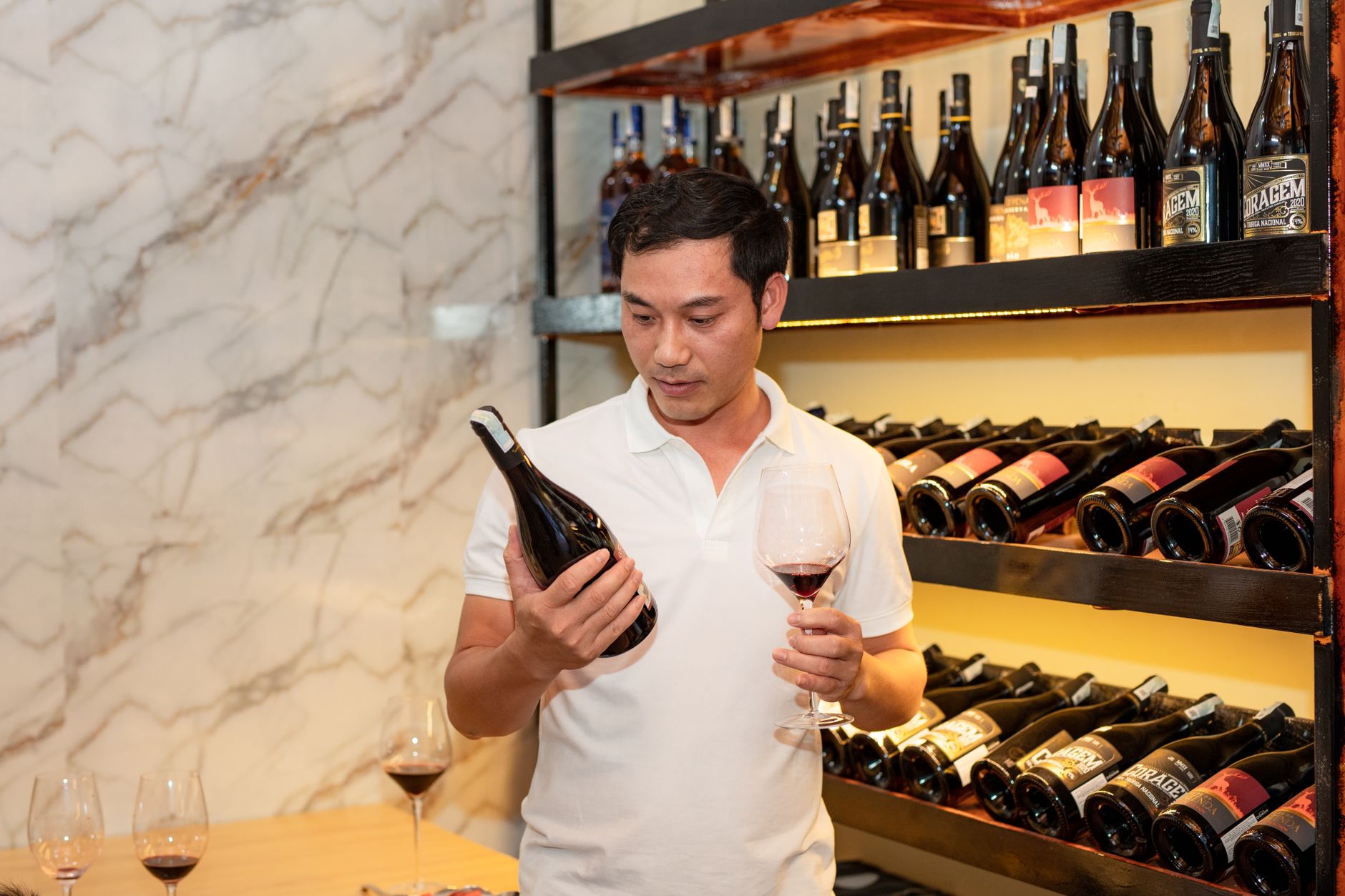
Critic scores are useful filters and terrible masters. A 100-point score tells you one tasting went brilliantly; a producer with fifty years of great bottles tells you what the next bottle will do. The wines below are all scored — but they're here because the estates behind them are the reliable aristocracy of their regions. When choosing between an unknown 98 and a proven 95, take the proven 95.
Vintage matters too, but less than fear suggests at this level: great estates make good wine in ordinary years. Where vintage genuinely moves the needle — Bordeaux and Burgundy above all — our Bordeaux vs. Burgundy guide explains what to look for.
The Benchmarks: Seven Bottles That Define the Shelf
Château Haut-Brion 1er Grand Cru Classé 2019 — ฿30,299 (sale)
The reference point. A Bordeaux first growth from a great vintage is what every other fine wine is measured against — and the 2019 Haut-Brion carries a perfect score. If your ambitions run to collecting rather than drinking, start with our wine investment guide before you buy. Score: 100 points.
Dominus Estate 2016 — ฿18,845 (sale)
Napa Valley farmed by Christian Moueix of Pétrus fame — Bordeaux discipline applied to Yountville sun. Dense, structured, ageworthy Cabernet that regularly outscores wines at twice its price. The smart buyer's American icon. Score: 100 points.
E. Guigal Côte-Rôtie La Landonne — ฿18,939 (sale)
One of Guigal's legendary "La La" single vineyards — Syrah of almost black concentration, smoked meat and violets, from a roasted slope farmed like a garden. Rhône collectors consider the La Las among the world's great wines; the market is starting to agree. Score: 100 points.
Dal Forno Romano Amarone della Valpolicella 2017 — ฿13,099 (sale)
The most obsessive producer in Amarone — dried-grape Veneto wine taken to its absolute limit of density and polish. A cult bottle in the truest sense, and the case study for fine wine beyond France. Our Veneto guide covers the category it towers over. Score: 100 points.
Seña 2021 — ฿8,959 (sale)
Chile's flagship — the Mondavi-Chadwick joint venture that beat first growths in blind tastings and forced the wine world to take the Andes seriously. The most accessible entry point on this list to genuine icon status. Score: 100 points.
Don't Forget the Bubbles

Prestige Champagne is fine wine's most liquid currency — universally recognized, reliably storable, and the easiest serious bottle to share.
Dom Pérignon 2015 — ฿10,419
The world's most famous prestige cuvée, in a warm, generous vintage. Toast, white peach, and a texture no imitation gets right. As a gift or a table statement, nothing communicates as instantly. Score: 97 points.
Louis Roederer Cristal Brut 2016 — ฿14,800
Champagne's other summit — biodynamically farmed, needle-precise, built to age a decade past its release. Connoisseurs increasingly rank the 2016 among the great modern Cristals. Score: 98 points.
A Sensible Way to Start
Don't begin with a ฿30,000 bottle. Buy one benchmark at the level your curiosity honestly sits — the Seña at ฿8,959 or the Dom Pérignon at ฿10,419 are ideal first serious bottles — drink it with attention, and let it teach you what the next rung tastes like. Store anything you're not opening this month properly, keep your receipts, and buy from sellers who can answer the cold-chain question. Fine wine rewards patience twice: in the glass, and in the buying.
FAQ
Where can I buy fine wine in Bangkok?
From licensed importers and retailers with documented temperature-controlled storage — WNLQ9 delivers fine wine across Bangkok with full cold-chain handling. Avoid gray-market bottles and private resales: Thailand's heat makes undocumented storage history the biggest risk in fine wine here.
Is fine wine cheaper in Bangkok than Hong Kong or Singapore?
Since Thailand eliminated wine import duty in early 2024, Bangkok prices on many fine wines are genuinely competitive with the region's traditional hubs — sometimes better once sales are factored in. The gap that made collectors carry bottles in from abroad has largely closed.
What should I check before buying an expensive bottle?
Three things: storage history (refrigerated shipping and climate-controlled warehousing, confirmed by the seller), producer track record (more predictive than any single critic score), and condition (fill level, capsule, label). If a seller can't answer the storage question, walk away regardless of price.
What's a good first fine wine to buy?
Something in the ฿8,000–12,000 range from a benchmark producer: Seña 2021 (฿8,959) for reds or Dom Pérignon 2015 (฿10,419) for Champagne. Both deliver the genuine fine-wine experience without first-growth risk, and both are famous enough to calibrate your palate against the world's reference points.
Are critic scores reliable for buying fine wine?
As a filter, yes; as the whole decision, no. Scores reflect one bottle on one day. Producer consistency, vintage context, and storage history matter more for what ends up in your glass. Use scores to shortlist, then buy the estate you trust.