Fine wine gets sold as an investment everywhere in the world, and Bangkok is no exception — the pitch usually features a chart of Bordeaux prices going up and to the right. This guide takes wine investment in Thailand more seriously than the pitch does: what actually makes wine appreciate, what the Thai legal and climate reality does to that math, and what a Bangkok collector should genuinely do with that ambition. Like everything in our buying guides, it starts from how things really work, not how the brochure says they do.
Why Fine Wine Appreciates at All
The mechanics are simple and unusual among assets: great wine improves for decades while its supply only shrinks. Every bottle of Château Palmer 2015 that gets opened makes the remaining bottles rarer, at exactly the moment the wine inside is getting better. Add global demand from a growing collector class, and a small set of wines — perhaps a few hundred labels — has historically appreciated meaningfully: Bordeaux's classified growths, Burgundy's top domaines, prestige Champagne, a handful of Super Tuscans, cult Napa, and now top Piedmont.
Two caveats belong in the same breath. First, only that narrow set qualifies — the other 99% of wine, including very good wine, simply depreciates into pleasure. Second, the market moves in cycles like any other: fine-wine indices ran hot into 2022 and have spent the years since correcting downward. Anyone who bought Burgundy at the peak is currently being taught the same lesson equity investors learn — entry price matters.
What Changed in Thailand in 2024 — and What Didn't
In early 2024, Thailand eliminated its import duty on grape wine (previously as high as 54–60%) and cut the value-based excise tax to 5% to boost tourism. Retail prices dropped sharply, and the selection available in Bangkok improved more in two years than in the previous twenty. For collectors, this is the genuinely good news: serious bottles are now accessible here at prices that no longer carry an absurd penalty over London or Hong Kong.
What didn't change is the exit. Selling alcohol in Thailand — any amount, to anyone — requires a liquor licence from the Excise Department. There is no legal private secondary market: no Thai equivalent of consigning your cellar to an auction house down the road, no lawful way to flip a case to another collector without a licensed intermediary. Hong Kong, which abolished wine duty in 2008, became Asia's fine-wine trading hub for exactly this reason; Thailand is a place to buy and drink fine wine, not to trade it.
This single fact should reshape the whole plan. If your bottles live in Bangkok, your realistic "exits" are three: drink them, gift them, or accept the friction of exporting them to a licensed market abroad — with shipping, insurance, and provenance questions eating into whatever gain existed on paper.
The Bangkok Heat Problem
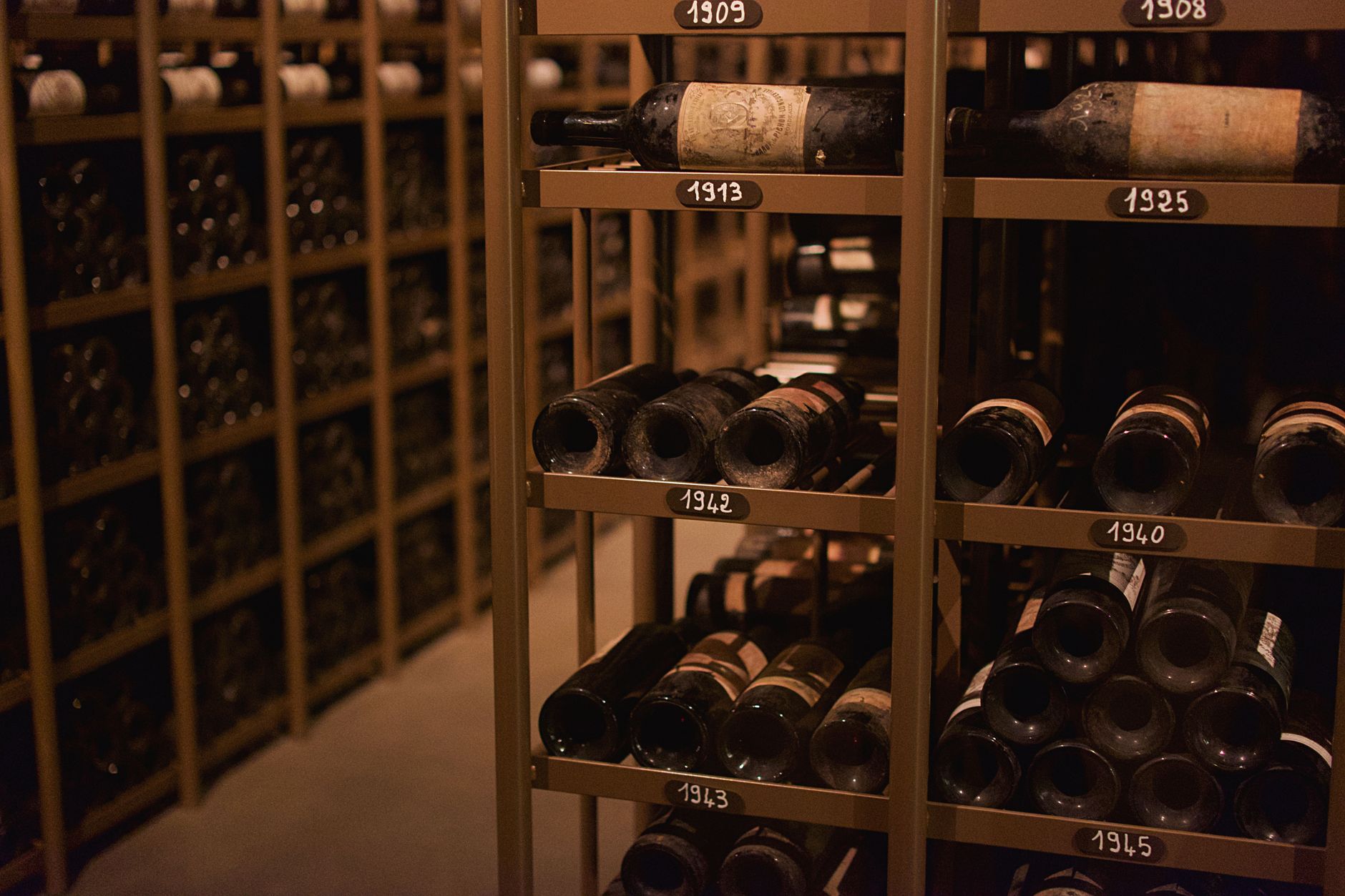
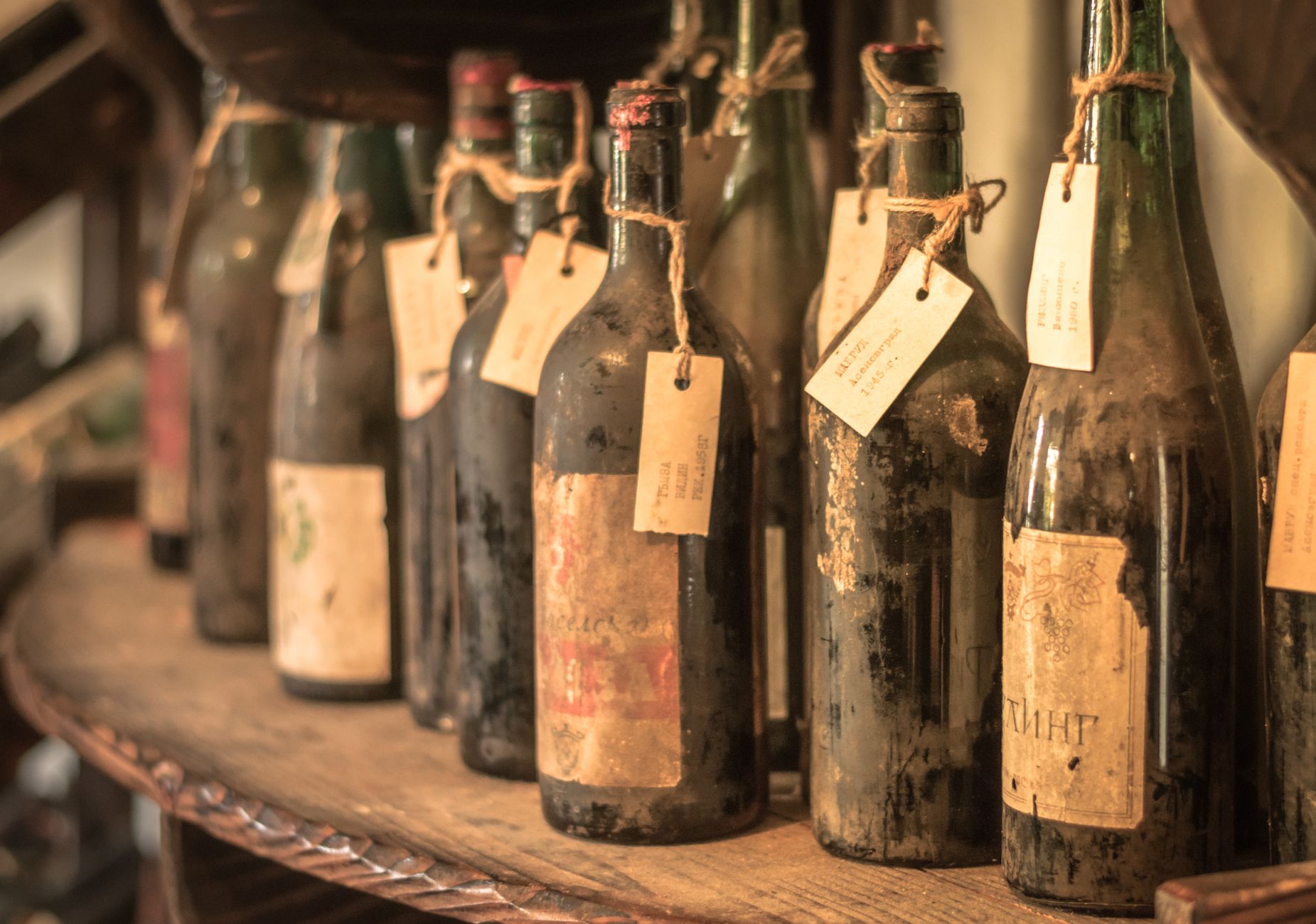
Provenance — the documented history of where a bottle has lived — is most of what a buyer pays for at resale. A first growth stored a decade in a professional bonded warehouse in London commands full price; the same label that spent that decade in a Thonglor condo commands suspicion. At 30°C-plus ambient, wine ages fast and badly, and no serious buyer will take on that risk.
So the rule is absolute: anything bought with even half an eye on value must live in professional temperature-controlled storage from day one — ideally in-bond overseas if genuine investment is the goal, or at minimum in a proper cabinet at 12–14°C at home for bottles you intend to drink. Our guide to storing wine in Bangkok heat covers the practical options; for investment-grade bottles, treat it as non-negotiable rather than best practice.
What "Investing" Should Actually Mean Here
For most Bangkok collectors, the honest version of wine investment isn't financial arbitrage — it's buying wines whose drinking value appreciates. A great Bordeaux bought on release and opened at fifteen years old delivers an experience that would cost three times as much to buy at maturity, assuming you could even find it with clean provenance. That's a real return; it's just paid out in the glass rather than the bank.

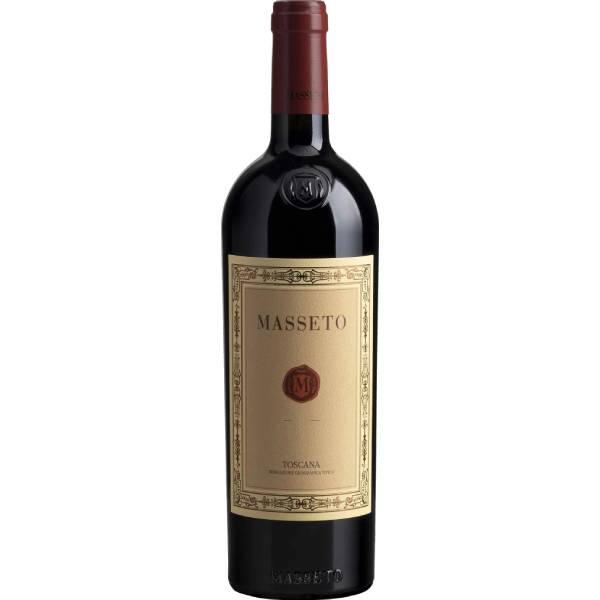
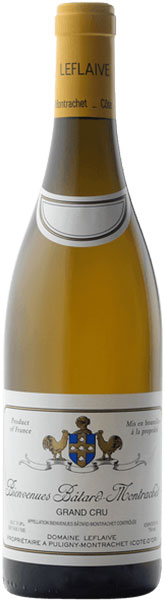
These three bottles from our cellar show what that logic looks like in practice.
Château Haut-Brion 1er Grand Cru Classé 2019 — ฿30,299 (sale)
A Bordeaux first growth from an outstanding vintage — the exact category that anchors every fine-wine index ever constructed. The 2019 will improve for thirty years or more; bought now and stored properly, it's the classic "cheaper than it will ever be again" purchase, whether the payoff comes at auction abroad or at your own table in 2040. Score: 100 points.
Opus One 2021 — ฿21,300
The Napa-Bordeaux joint venture between Robert Mondavi and Baron Philippe de Rothschild, and the bottle that proved California could play the collectible game on Bordeaux's terms. Opus One trades actively on the global secondary market with unusually consistent pricing — collectors' shorthand for a wine whose reputation is durable rather than speculative. As a study in how the classic French regions compare on the same question, see our Bordeaux vs. Burgundy comparison.
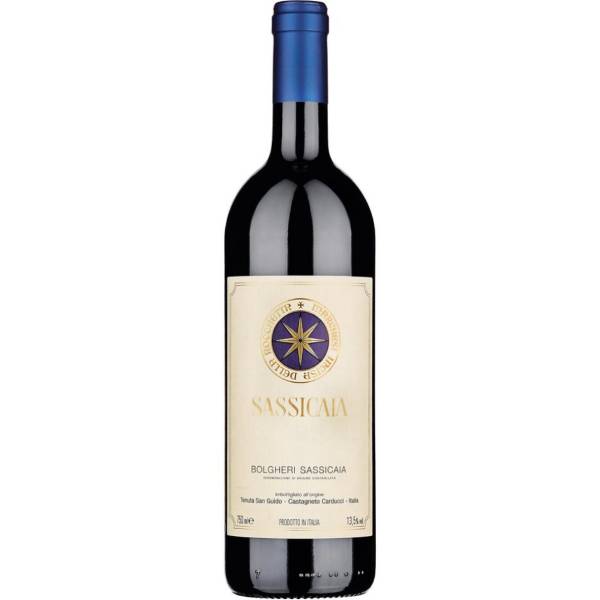
Tenuta San Guido Sassicaia 2021 — ฿16,000
The original Super Tuscan and one of the most liquid Italian labels in the fine-wine trade — Sassicaia is the rare non-French wine with genuine blue-chip status. The 2021 is young, structured, and at the accessible end of collector pricing: a sensible first serious bottle for someone building a cellar with one eye on value.
If You Still Want the Financial Version
It exists — it just doesn't live in Thailand. The professional route is buying investment-grade wine through established international merchants and leaving it in-bond in London, Bordeaux, or Hong Kong, where it stays in perfect storage with unbroken provenance and can be sold without ever crossing a Thai border. Understand the costs honestly: storage and insurance fees every year, merchant margins on both ends, five-to-ten-year holding horizons, zero income along the way, and a market that can fall — as the post-2022 correction has demonstrated. Wine should be the eccentric fringe of a portfolio, never its foundation, and knowing the vocabulary of quality — the difference between a classified growth and a clever label, covered in our wine designations guide — is the minimum price of entry.
For everyone else: buy bottles you'd be delighted to drink even if their price never moved. In Bangkok, after the 2024 tax change, that has never been a better deal — and it's the only wine investment that cannot lose.
FAQ
Is wine a good investment in Thailand?
As a pure financial investment, Thailand is a difficult base: reselling alcohol requires an Excise Department licence, so there is no legal private secondary market, and tropical heat makes provenance hard to protect. Buying fine wine in Bangkok to drink at maturity is excellent value since the 2024 tax cuts; buying it here to flip is not realistic without exporting to a licensed market abroad.
Can I legally resell wine in Thailand?
Not privately. Any sale of alcohol in Thailand — regardless of quantity — requires a liquor selling licence from the Excise Department. Collectors who want a genuine resale option typically store investment bottles in-bond in Hong Kong or London and sell through licensed international merchants or auction houses there.
Which wines actually appreciate in value?
A narrow set: Bordeaux classified growths (Haut-Brion, Palmer and peers), top Burgundy domaines, prestige Champagne, leading Super Tuscans like Sassicaia, and a few cult Napa and Piedmont labels. Condition and documented storage history matter as much as the label — the same wine with poor provenance can be near-worthless at resale.
How should investment-grade wine be stored in Bangkok?
Never at ambient temperature — Bangkok heat ruins wine and destroys resale value. Bottles kept in Thailand need professional temperature-controlled storage or a proper wine cabinet at 12–14°C; bottles held for genuine investment are better left in bonded storage overseas with unbroken provenance from the day of purchase.
How much money do you need to start collecting fine wine?
Entry-level investment-grade bottles start around ฿15,000–35,000 in Bangkok — wines like Sassicaia or a first growth from a good vintage. Below that level, wine can still be a superb purchase, but its return comes in drinking pleasure rather than resale value, and it should be bought accordingly.