You're standing in a wine shop on Sukhumvit, holding two bottles of Italian red. One says DOC, the other DOCG. Both look serious. The DOCG costs ฿800 more. Is it worth it?
The answer depends on understanding a system that most wine drinkers were never taught — a patchwork of national designation rules that signal quality, origin, and aging in shorthand. Once you crack the code, label-reading becomes a superpower. Here's the full map.
Why Designations Exist
Wine designations aren't marketing. They're legal frameworks — enforced by government bodies — that define where a wine comes from, which grape varieties are allowed, minimum alcohol levels, yield limits, and aging requirements. The tighter the rules, the more the designation narrows the field.
That said, designations are a floor, not a ceiling. A wine can qualify for Grand Cru classification and still disappoint, just as a humble vin de pays from an obsessive natural producer can outperform it. Wine Folly's guide to label reading puts it well: designations tell you how a wine was made, not how good it tastes. Use them as a starting filter, not a verdict.
France: The Original Hierarchy
France invented the modern concept of wine classification, and its system is the most imitated in the world.
AOC / AOP (Appellation d'Origine Contrôlée / Protégée) is the baseline quality category. It guarantees the wine comes from the stated region and meets minimum production standards. Burgundy, Bordeaux, Champagne, Rhône — all operate within AOC rules. An AOC label alone tells you origin; it doesn't tell you rank.
Cru Bourgeois applies specifically to the Médoc in Bordeaux. These estates didn't make the famous 1855 Classification but produce serious, cellar-worthy wine. In Bangkok they typically land between ฿900–฿2,200 and represent strong value relative to classified Bordeaux.
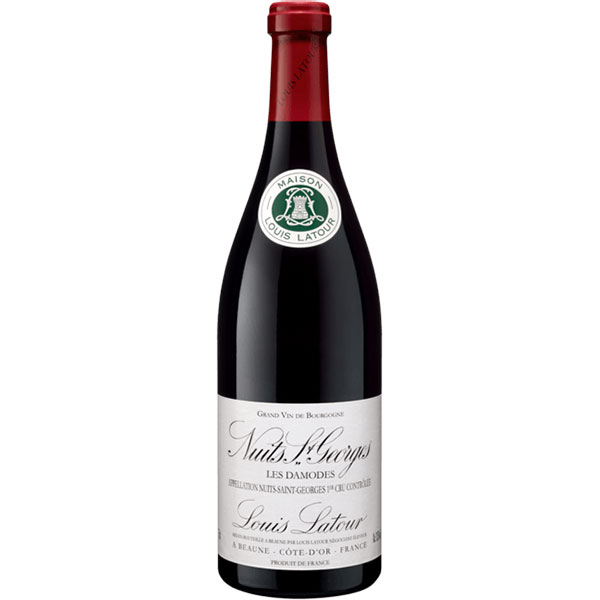
Premier Cru (1er Cru) means different things in different regions. In Burgundy, Premier Cru designates specific vineyard plots ranked just below Grand Cru — there are 684 of them. In Bordeaux, Premier Cru is the top tier of the 1855 Classification (Château Lafite, Margaux, Latour, Haut-Brion, Mouton Rothschild) — a completely different usage of the same words.
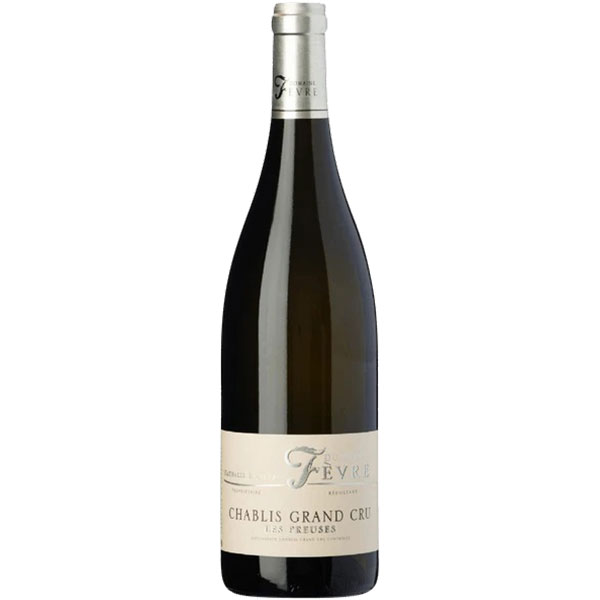
Grand Cru is the apex in Burgundy: 33 red vineyards and 13 white, covering a tiny fraction of the Côte d'Or's total area. Grand Cru Burgundy at WNLQ9 starts around ฿4,500 and climbs steeply from there. In Bordeaux, Grand Cru has been diluted — Saint-Émilion alone has over 80 Grands Crus Classés, ranging from serious to mediocre.
Albert Bichot Gevrey-Chambertin 1er Cru "Petite Chapelle" — ฿7,300
Italy: DOC, DOCG, and the Rebels
Italy's system has four tiers:
- Vino da Tavola — table wine, no geographic claim
- IGT (Indicazione Geografica Tipica) — regional designation, loose rules
- DOC (Denominazione di Origine Controllata) — controlled appellation with defined grapes and methods
- DOCG (Denominazione di Origine Controllata e Garantita) — the highest tier, with a government-inspected seal on the neck capsule
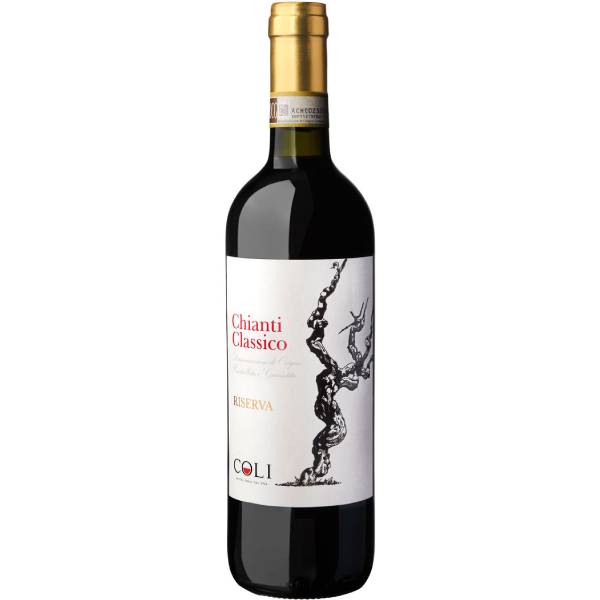
There are currently 77 DOCGs in Italy, including Barolo, Brunello di Montalcino, Amarone della Valpolicella, Chianti Classico, and Franciacorta. The G for Garantita means the wine has been tasted and approved by a committee before release. That said, the committee approves the vast majority of submissions — the DOCG is a strong but not infallible signal.
Classico denotes wine from the historic central zone of an appellation — Chianti Classico, Soave Classico. These are almost always better than generic appellation versions. Superiore indicates higher alcohol or stricter yields. Riserva means extended aging — at least two years for Chianti Classico Riserva, five for Barolo Riserva.
One wrinkle: some of Italy's most expensive wines — Sassicaia, Tignanello, the original Super Tuscans — launched as IGT because they used non-traditional grapes (Cabernet Sauvignon, Merlot) not permitted under DOC rules. Sassicaia eventually earned its own DOC (Bolgheri Sassicaia DOC), but the IGT label alone should never signal low quality. Context matters.
Prunotto Barolo DOCG — ฿2,600
Ricasoli Chianti Classico Gran Selezione Castello di Brolio — ฿2,700
Spain: Time in Oak Is Everything
Spain's designation system is two-pronged: geographic tier plus aging category. You need both to read a label correctly.
Geographic tiers:
- DO (Denominación de Origen) — controlled appellation, the standard tier
- DOCa (Denominación de Origen Calificada) — only two regions qualify: Rioja and Priorat. Higher standards for both production and grape sourcing.
Aging categories (for reds; whites and rosados have parallel rules):
- Joven — young wine, minimal or no oak. Fresh, fruit-forward, drink now.
- Crianza — minimum 2 years aging, at least 6 months in oak (12 months in Rioja). The everyday serious red.
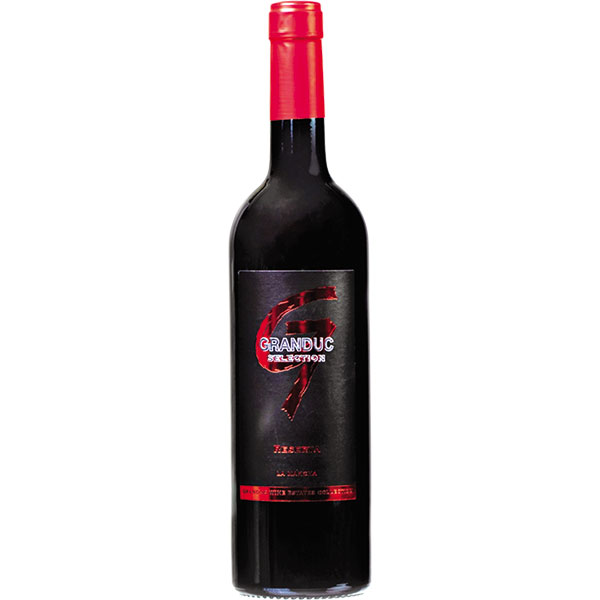
- Reserva — minimum 3 years aging, at least 12 months in oak. More structure, longer life.
- Gran Reserva — minimum 5 years aging, at least 18 months in oak. Only produced in exceptional vintages by most bodegas. At WNLQ9, Gran Reserva Rioja typically runs ฿1,800–฿4,500 depending on producer prestige.
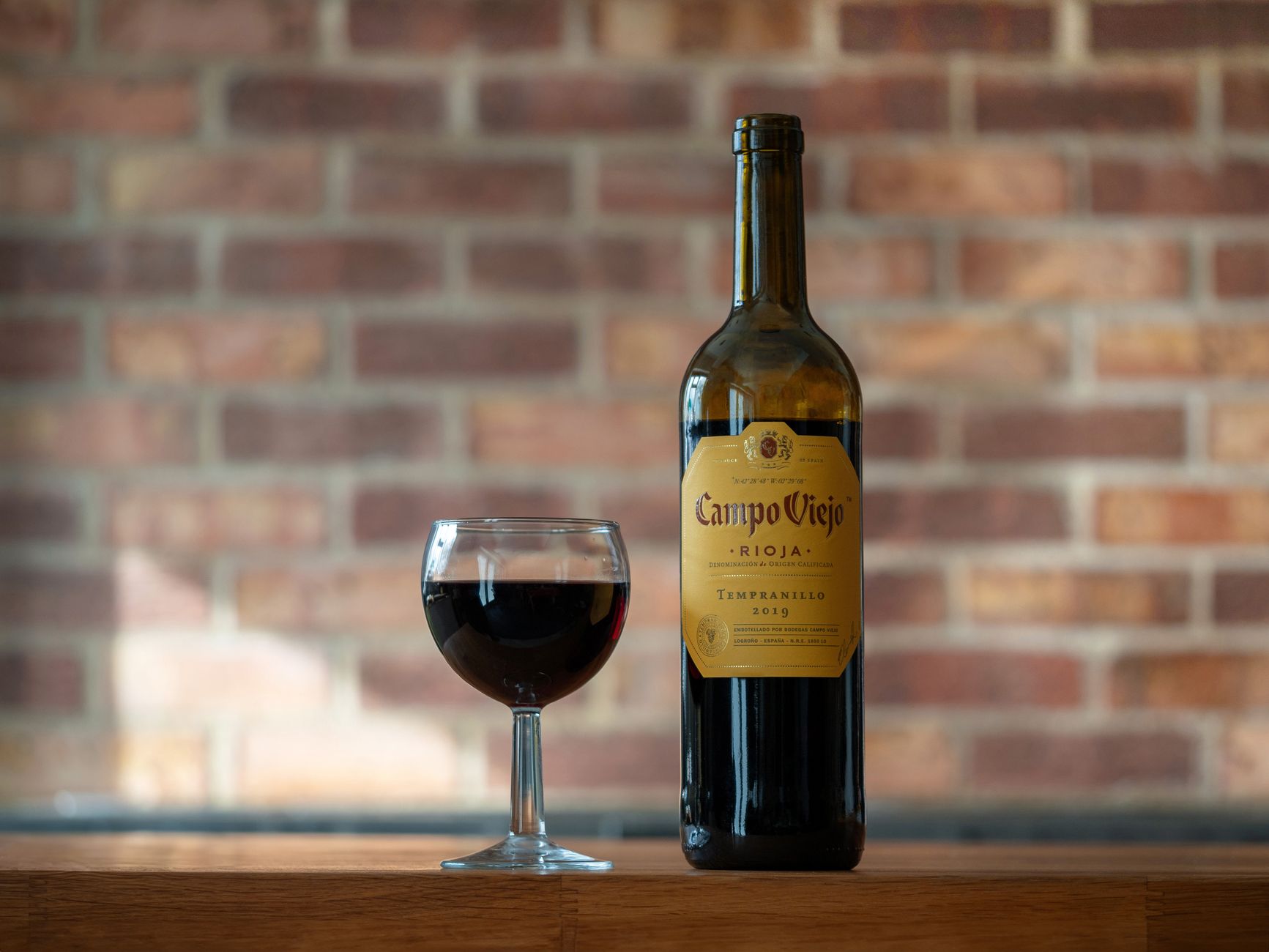
Bodegas LAN Rioja Gran Reserva — ฿2,800
Germany: Sweetness Encoded in the Label
Germany's Prädikat system doesn't rank regions — it ranks the ripeness of the grapes at harvest. From lowest to highest sugar concentration:
| Prädikat Level | Ripeness Signal | Style Typical |
|---|---|---|
| Kabinett | Lowest — light, crisp | Off-dry to dry |
| Spätlese | Late harvest | Medium body, some sweetness |
| Auslese | Selected bunches | Richer, often sweet |
| Beerenauslese (BA) | Individually selected overripe berries | Dessert wine |
| Eiswein | Frozen grapes at harvest | Concentrated, high acid |
| Trockenbeerenauslese (TBA) | Shrivelled, botrytised berries | Extremely rare, trophy wine |
Below Prädikat wines sits QbA (Qualitätswein bestimmter Anbaugebiete) — quality wine from one of 13 defined regions, the everyday tier. As Jancis Robinson explains, Germany's top dry Rieslings often carry Spätlese or Auslese designations but are fermented to dryness, labelled trocken. The Prädikat level signals potential ripeness, not guaranteed sweetness.
In Bangkok, German Riesling Prädikat wines are still underpriced relative to their quality. A Spätlese from Mosel or Rheingau typically runs ฿950–฿1,800 at WNLQ9.
Selbach Saar Riesling Spätlese "Tradition" — ฿1,070
Designation Comparison at a Glance
| Country | Basic Tier | Mid Tier | Top Tier | Aging Signal |
|---|---|---|---|---|
| France | Vin de France | AOC/AOP | Premier Cru / Grand Cru | Réserve (unregulated) |
| Italy | Vino da Tavola | DOC | DOCG | Riserva / Superiore |
| Spain | Vino de Mesa | DO | DOCa | Joven → Crianza → Reserva → Gran Reserva |
| Germany | Deutscher Wein | QbA | Prädikat (Kabinett–TBA) | Trocken/Halbtrocken (dryness) |
How Designations Affect Bangkok Pricing
Import duties, excise tax, and VAT stack up aggressively in Thailand — a bottle that retails for €12 in Paris often lands at ฿900–฿1,100 here. The markup isn't proportional: wines that already command premium prices in their home market face steeper absolute increases in Thailand.
This creates a practical rule of thumb: mid-tier designations punch above their weight in Bangkok. A Rioja Reserva or a Chianti Classico DOCG from a reliable producer offers better value per baht than a Grand Cru or Barolo Riserva, where you're paying Bangkok-inflated prices for peak-classification cachet. If budget is a consideration, target the second tier in any country's system.

Zenato Amarone della Valpolicella Classico DOC — ฿4,080
Keep reading: Rhône Valley Wine — France's Underrated Gem · Chardonnay · all Wine stories.
FAQ
Does Grand Cru mean the best wine?
In Burgundy, yes — Grand Cru is the top classification, applying to a handful of legally defined vineyards that have produced the region's finest wines for centuries. The designation is tightly controlled and meaningful. In Bordeaux and Alsace, the picture is murkier: Saint-Émilion has over 80 Grands Crus Classés, and the classification was controversially revised in 2022. Alsace Grand Cru covers 51 specific vineyard sites, most of which are genuine, but quality varies by producer. So "Grand Cru" is a strong signal in Burgundy, a moderate signal in Alsace, and should be read carefully in Bordeaux — always check the producer.
What is the difference between Reserva and Gran Reserva?
Both are Spanish aging designations, but Gran Reserva requires longer time in barrel and bottle — at least 5 years total versus 3 for Reserva, with a minimum of 18 months in oak versus 12. More importantly, most bodegas only produce a Gran Reserva in exceptional vintages. That vintage selectivity is the real quality driver, not just the extra time in barrel. Reserva is the reliable everyday expression; Gran Reserva is the cellar statement. At WNLQ9, expect to pay roughly ฿600–฿1,200 more for Gran Reserva from the same producer.
Is DOCG better than DOC?
Generally, yes — DOCG represents a stricter set of production rules and a mandatory government tasting before release. Italy has 77 DOCGs and 341 DOCs, so the DOCG tier is genuinely selective. But a top producer working within a DOC (like many estates in Bolgheri or the Veneto) will often outperform a mediocre DOCG estate. The designation sets the minimum bar; the producer clears it or exceeds it. When buying Italian wine, use DOCG as a starting filter, then check the producer's reputation.
Why do some expensive Italian wines say IGT?
The Super Tuscans of the 1970s and 1980s — Sassicaia, Tignanello, Ornellaia — were made with international varieties (Cabernet Sauvignon, Merlot) not permitted under existing DOC rules. Rather than conform, producers accepted the humble Vino da Tavola or later IGT classification and charged premium prices anyway. The market agreed. Today IGT is a broad tent: it includes both these prestige rebels and genuinely simple regional wines. When you see IGT on an expensive bottle, look up the producer. When you see it on a cheap bottle, it's probably exactly what it looks like.
How do German Prädikat levels translate to sweetness?
They don't translate directly — they signal grape ripeness at harvest, which can mean sweetness but doesn't have to. German winemakers can ferment any Prädikat level to dryness (trocken) or leave residual sugar. A Spätlese Trocken from the Rheingau will be bone-dry with racy acidity and full body; a Spätlese from a Mosel estate might be gently off-dry and low in alcohol. Look for trocken or halbtrocken on the label to know the actual dryness. The Prädikat tells you the raw material quality; the dryness designation tells you the winemaker's intent.
All bottles in stock at WNLQ9 as of July 2026. Prices in THB. Sale prices as marked.