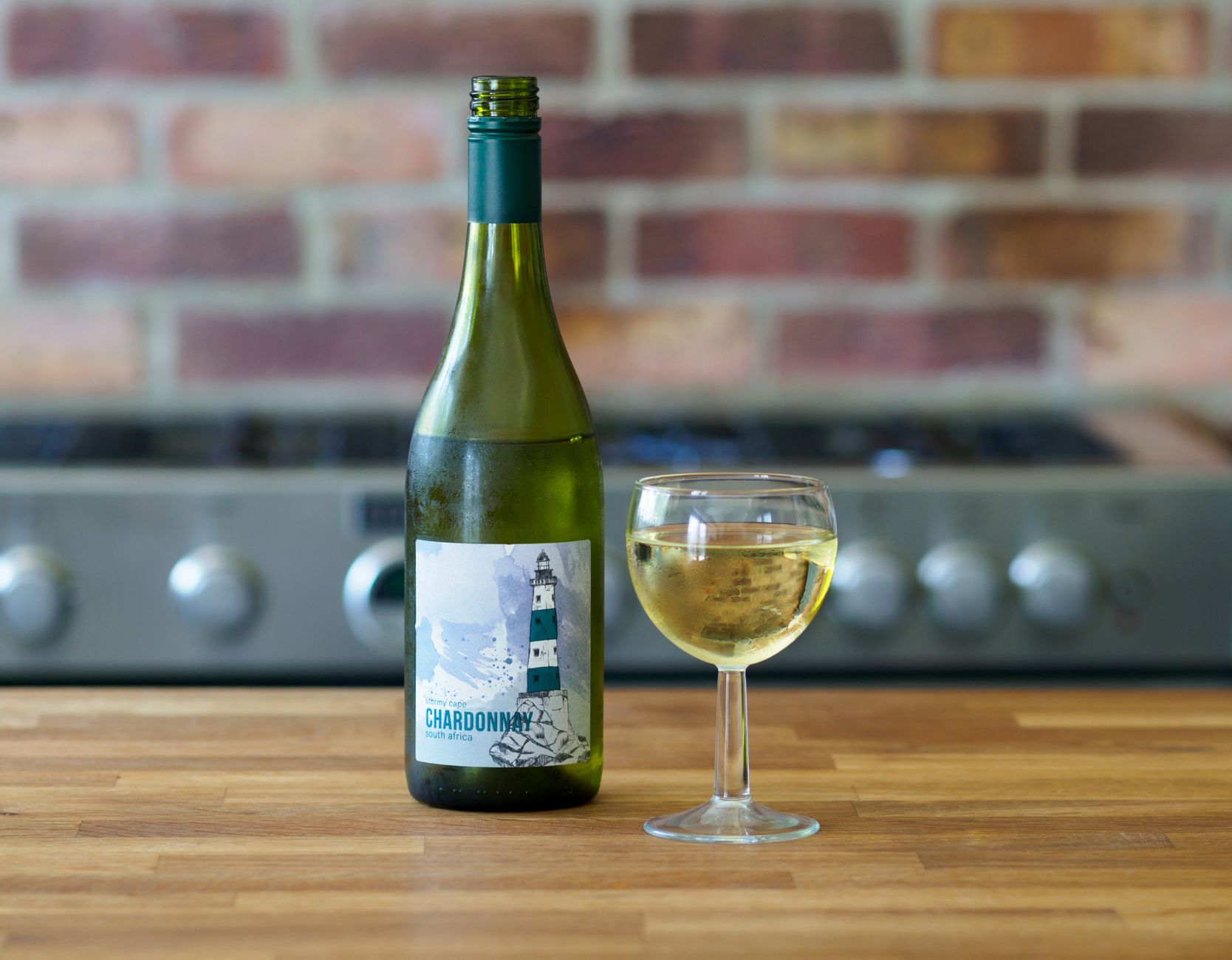
Two glasses of Chardonnay sit in front of you. One is gold and glossy, smelling of butter, toasted brioche, and ripe peach. The other is pale straw, almost electric, with green apple, lemon zest, and a saline snap. Same grape. Same Bangkok evening. Completely different experiences.
The divide between oaked and unoaked Chardonnay is the most useful axis in white wine — not just because it shapes what you taste, but because it determines what you pair with your food, what survives Bangkok's heat, and what you actually want to drink again.
Here is how to read the difference and choose the right bottle.
What Oak Actually Does to Chardonnay
Chardonnay is a neutral grape. That is both its weakness and its genius — it expresses whatever the winemaker and the land decide to give it. Oak is one of the loudest voices in that conversation.
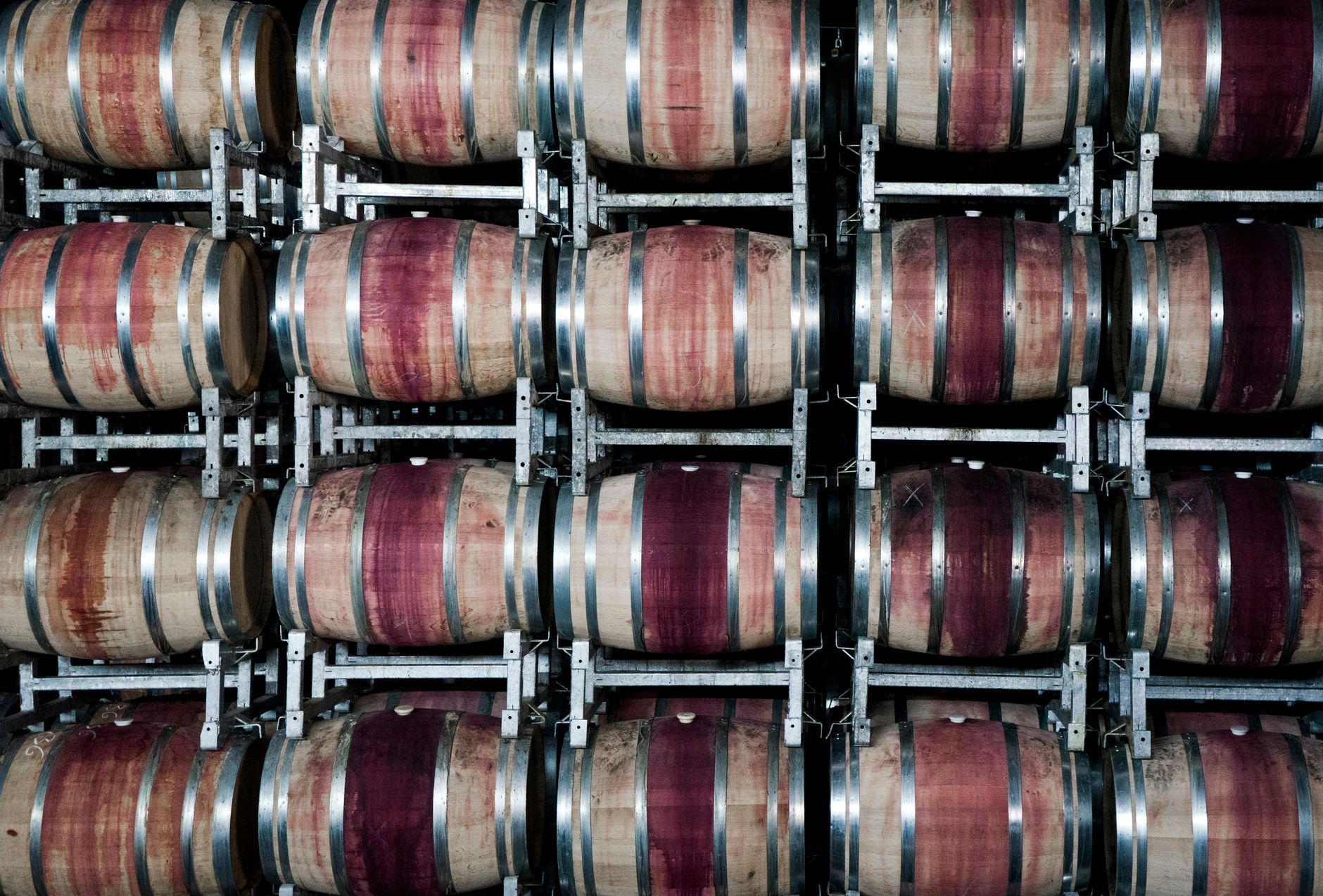
When wine rests in new French or American oak barrels, several things happen simultaneously. First, the tannins in the wood soften the wine's natural acidity. Second, oxygen seeps slowly through the barrel staves, allowing a process called malolactic fermentation (MLF) to convert sharp malic acid into softer lactic acid — the same acid in butter and cream. Third, the wood itself donates flavours: vanilla from oak lactones, coconut and dill from American oak, spice and toast from French.
The result is rounder, fuller, and richer. This is the Chardonnay California made famous and that Wine Folly's style guide describes as "creamy and full-bodied with flavours of butter, toast, vanilla, and tropical fruit."
Unoaked Chardonnay skips the barrel entirely — fermented and aged in stainless steel or concrete. Nothing intervenes between the grape and the glass. Acidity stays high, fruit stays pure, and the wine tastes more of where it grew than of how it was made.
The Old World Benchmark: Burgundy vs. Chablis
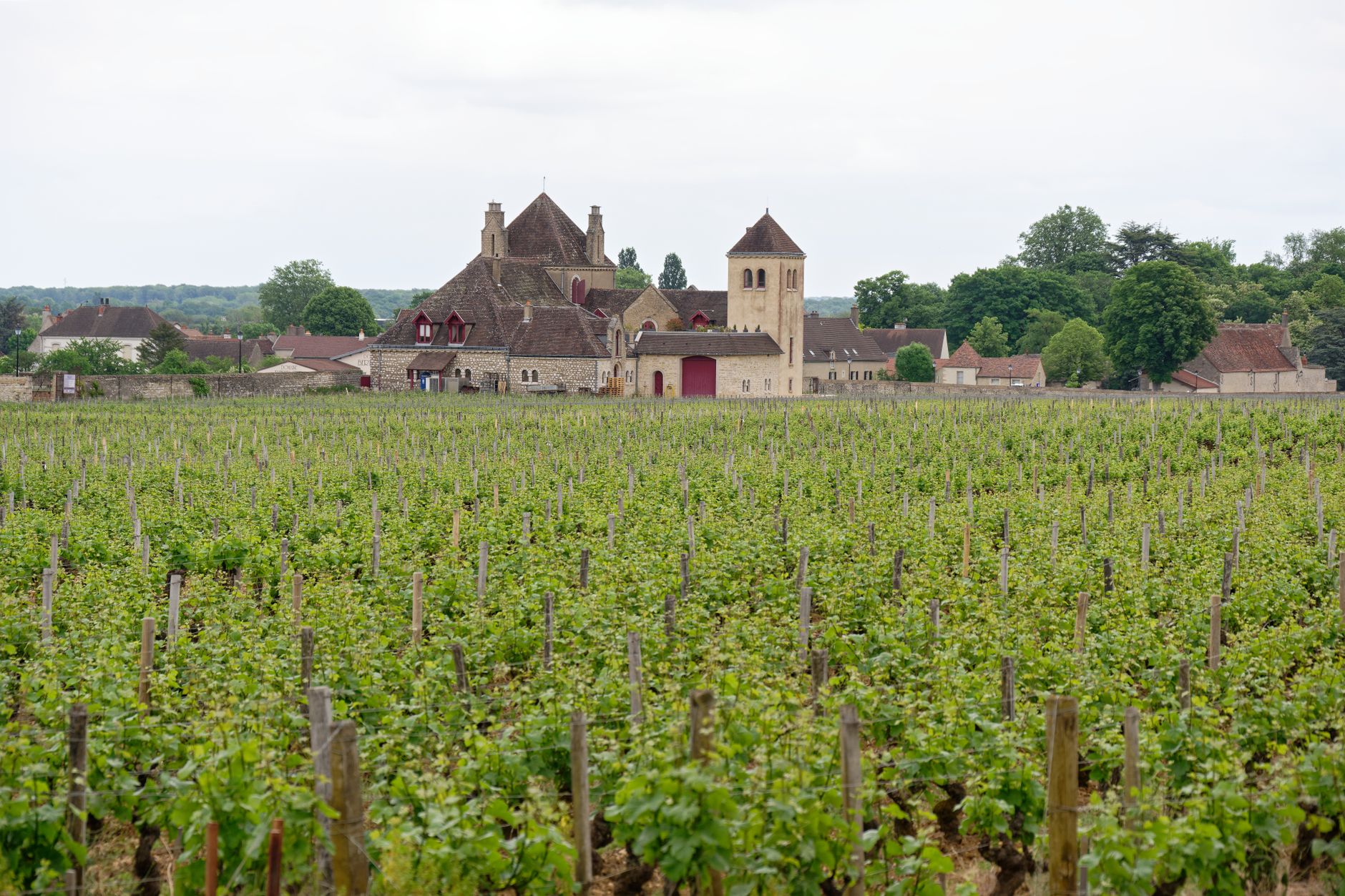
France's Burgundy region gives us both extremes in one appellation.
Chablis sits in the north, on pure Kimmeridgian limestone packed with ancient oyster fossils. No new oak is used by serious producers — the wines are stony, mineral, almost saline, with citrus and green apple dominating. A village Chablis at ฿1,200–฿1,600 is one of the best arguments for unoaked Chardonnay on the planet.
Côte de Beaune — Meursault, Puligny-Montrachet, Chassagne-Montrachet — is where oaked Chardonnay reaches its highest expression. Here oak is used with restraint; the goal is complexity and texture, not to mask the fruit. These wines cost more (฿2,500–฿6,000+ for village and premier cru bottles) but demonstrate why oak, handled well, adds layers rather than weight.
As Decanter notes, the key distinction is integration: in great white Burgundy, you cannot identify where the oak ends and the wine begins.
Domaine Laroche Chablis Les Chanoines — ฿1,199
Joseph Drouhin Pouilly-Fuissé — ฿3,200
The New World Contrast: California and Australia

California's warmer climate and culture of winemaking intervention produced the "butter bomb" style that dominated the 1990s and early 2000s — 100% new oak, 100% malolactic fermentation, harvest at maximum ripeness. Tropical fruit, cream, and vanilla in every sip.
The backlash was inevitable and healthy. Today California's best producers — and virtually all of Australia's top Chardonnay estates in Margaret River and Yarra Valley — use oak selectively. Partial new oak, partial older barrels, partial stainless. The wines are richer than Chablis but more precise than old-school California.
At the top of that modern California school sits Peter Michael 'La Carrière' Chardonnay (฿6,300) — a 98-point, single-vineyard Knights Valley wine that shows what oak does when it serves the fruit instead of burying it. The collector's benchmark for the style.
For Bangkok drinkers, the Australian style hits a practical sweet spot: fruit-forward enough to drink without food, structured enough to handle grilled fish or a chicken green curry, and priced well (฿800–฿1,800 for quality bottles).
Vasse Felix Premier Chardonnay, Margaret River — ฿1,800
Little Yering Chardonnay, Yarra Valley — ฿849
Oaked vs. Unoaked: Side-by-Side Comparison

| Unoaked Chardonnay | Oaked Chardonnay | |
|---|---|---|
| Colour | Pale straw to light gold | Deep gold to amber-gold |
| Aromas | Green apple, lemon, pear, chalk, flint | Butter, vanilla, toast, ripe peach, cream |
| Texture | Lean, crisp, high acidity | Round, full, lower acidity |
| Best regions | Chablis, Mâcon, Yarra Valley, Eden Valley | Meursault, Sonoma Coast, Margaret River |
| Food match | Oysters, ceviche, sushi, light salads | Lobster, grilled chicken, cream sauces, aged cheese |
| Bangkok pairing | Som tum, steamed fish with lime, larb gai | Grilled barramundi with butter sauce, yellow curry |
| Serve temp | 8–10°C | 10–12°C |
| Price range at WNLQ9 | ฿790–฿1,600 | ฿990–฿3,200 |
Which Style Works in Bangkok?
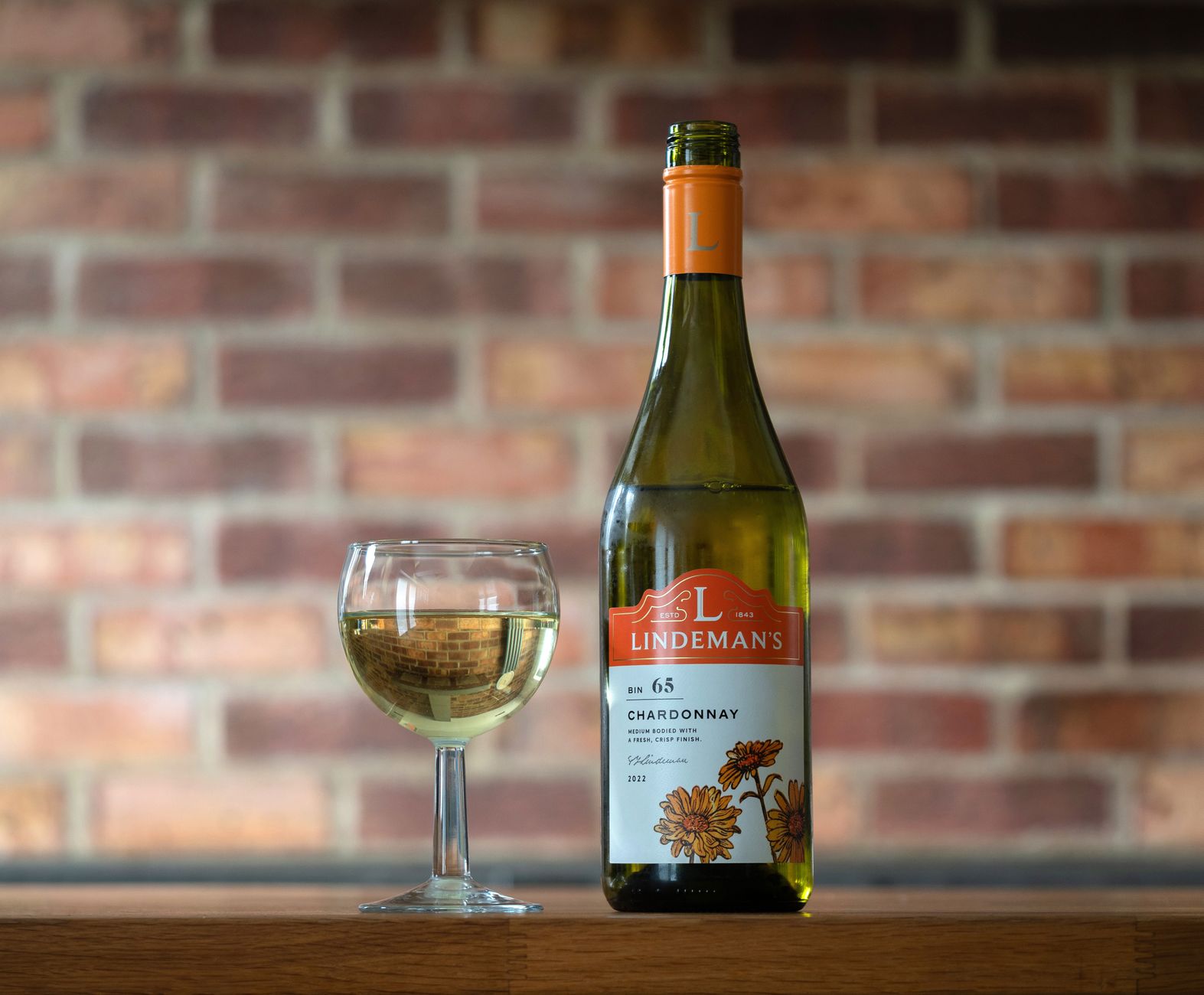
Heat is the honest answer here. Bangkok at 35°C with humidity makes heavy, oaky white wines feel oppressive when drunk without food — the alcohol reads hot, the butter reads cloying. That is why unoaked and lightly oaked styles dominate our by-the-glass lists for casual evenings.
However, air-conditioned restaurants change the equation entirely. A richer oaked Chardonnay alongside roast chicken or a cream-based pasta at a 20°C table is exactly what the wine was made for.
The practical guide: unoaked for aperitif and Thai food; lightly oaked for Western dishes and seafood with sauces.

Georges Duboeuf Mâcon-Villages — ฿1,099
Napa Cellars Chardonnay, Napa Valley — ฿1,600
Keep reading: Best White Wine Under ฿1,500 in Bangkok — July 2026 · Rhône Valley Wine — France's Underrated Gem · all Wine stories.
FAQ
Why is Chardonnay sometimes buttery?
The buttery flavour in Chardonnay comes from a compound called diacetyl, produced during malolactic fermentation (MLF). In MLF, bacteria convert the wine's sharper malic acid (think green apple) into softer lactic acid (think dairy). Diacetyl is a natural by-product of that conversion and is the same compound responsible for the flavour of butter. Winemakers who want a creamy style encourage full MLF; those who want crispness block or limit it. Oak aging amplifies the butter perception because the barrel also rounds acidity and adds vanilla notes that the brain associates with richness. A wine that smells intensely buttery has almost certainly gone through full MLF in oak — intentionally.
What is the difference between Burgundy Chardonnay and California Chardonnay?
The most direct answer: restraint versus abundance. White Burgundy — whether Chablis, Mâcon, or the great village wines of the Côte de Beaune — prioritises minerality, acidity, and terroir expression. Oak is a tool used in proportion, not as a flavour target. California Chardonnay (particularly from Napa and warmer parts of Sonoma) traditionally runs riper, richer, and more overtly oaked, with tropical fruit flavours and a creamy texture that comes from warmer harvests and more aggressive use of new barrels. The gap has narrowed significantly since 2010 — modern California producers increasingly make restrained styles — but the generalisation still holds for entry-level bottles in each region.
Is unoaked Chardonnay better quality than oaked?
Neither is better — they are different tools for different contexts. Quality is determined by site, viticulture, and winemaking care, not by the presence or absence of oak. A poorly made unoaked Chardonnay is flat and characterless; a badly oaked one is a caricature of butter and sawdust. The best bottles in both styles share the same quality markers: length on the palate, genuine complexity (multiple distinct flavour layers), and the ability to evolve in the glass over 20 minutes. If a wine tastes the same from pour to finish, it is simple regardless of oak treatment.
Can I age an unoaked Chardonnay?
Some unoaked styles age beautifully — Chablis premier and grand cru are famous for developing honey, lanolin, and petrol notes over 8–15 years. However, most entry-level unoaked Chardonnay (Mâcon, basic Chablis, Australian stainless-steel examples) is designed for early drinking. The high acidity that makes them refreshing young also preserves them, but the fruit fades rather than transforms. As a rule: drink unoaked Chardonnay under ฿1,500 within two to three years of vintage. Invest in premier cru Chablis or top Mâcon if you want to age without oak structure.
Which style pairs better with Thai food?
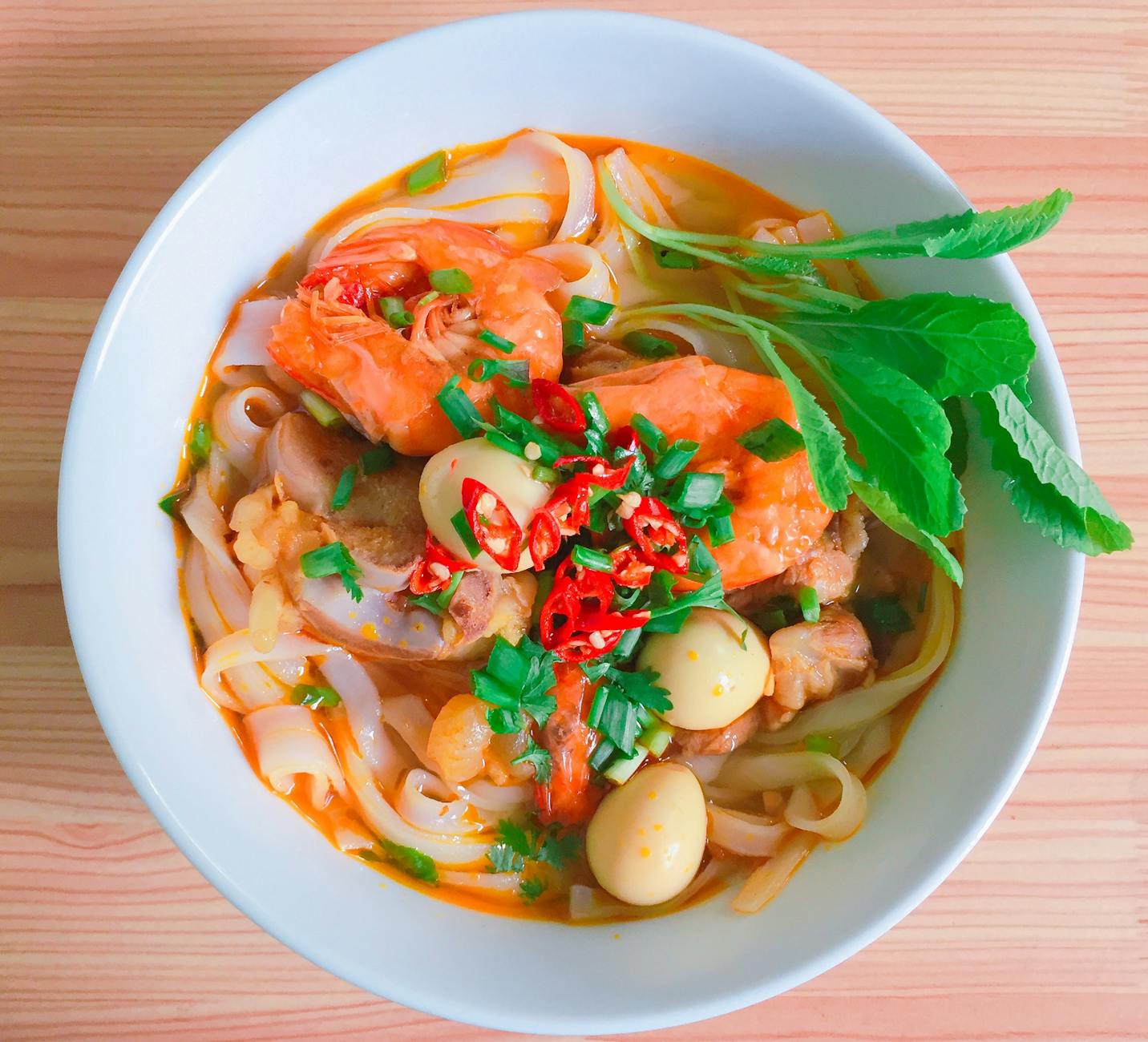
Unoaked or lightly oaked Chardonnay handles Thai flavours more gracefully. The high acidity cuts through the fat in coconut-based dishes and matches the brightness of lime and lemongrass. A village Chablis with steamed sea bass and ginger is one of the cleanest wine-food matches you can pour in Bangkok. Heavily oaked styles clash with chilli heat — the alcohol amplifies the burn — and the butter notes are overwhelmed by fish sauce and galangal. The exception is mild yellow or Massaman curry with cream: here a lightly oaked Chardonnay from Margaret River or the Mâconnais finds a real partner.
All bottles in stock at WNLQ9 as of July 2026. Prices in THB. Sale prices as marked.