 Log in to view
฿฿
WNLQ9 vintage signal, averaged from Wine Enthusiast Wine Vintage Chart 2026 Edition's 4 closely-agreeing California 2021 ratings (Sonoma Cabernet Sauvignon; Sonoma Pinot Noir; Central Coast Pinot Noir; Paso Robles Reds).
A vintage grade rates the growing season in this wine’s region — not this specific bottle. Source.
Product information compiled from producer, importer and reference sources.
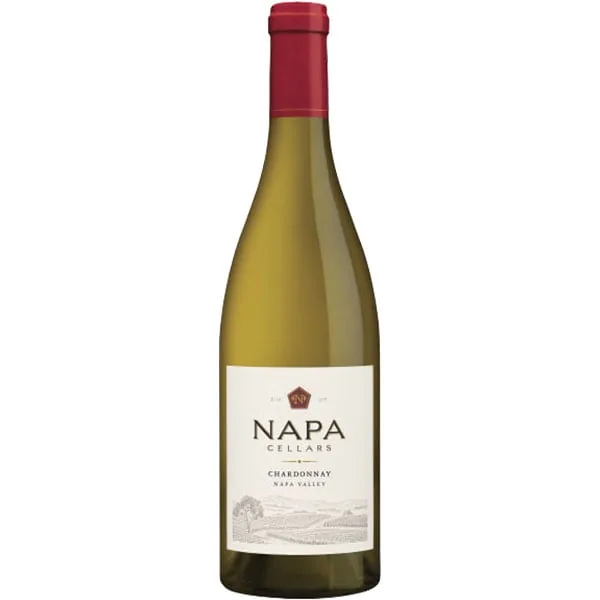
Napa Valley Chardonnay fermented with partial oak aging — ripe orchard fruit grounded by the valley's alluvial benchland soils.
Napa Cellars sources from established Napa Valley floor and benchland vineyards where deep alluvial gravel over clay loam retains just enough moisture to moderate the region's intense summer heat. Those soils slow ripening slightly, preserving natural acidity in a appellation better known for opulence than tension.
The winemaking leans into Napa Chardonnay's richer register: partial barrel fermentation and oak aging add textural weight and a creamy mid-palate, while a portion of the blend likely sees malolactic conversion to soften the grape's sharper malic edge. The result sits in a crowd-pleasing but genuinely site-expressive style — yellow apple, ripe pear, toasted brioche, and a lick of vanilla from the oak.
What separates this from generic California Chardonnay is the consistent Napa Valley appellation sourcing, which delivers a density and concentration that warmer Central Coast bottlings rarely match. Drink now through 2026 for peak fruit freshness.
Sommelier’s pick: Roast chicken with tarragon cream sauce · Grilled lobster with drawn butter · Butternut squash risotto with sage
Loading notes…
Tasted this?
Ask us on LINE.
Ask about this item