Bordeaux
ภูมิภาคไวน์แดงที่เป็นมาตรฐานของฝรั่งเศส ภูมิอากาศแบบชายทะเล ใช้การผสมพันธุ์องุ่นเป็นหลัก ฝั่งซ้ายเป็นดินกรวดที่กาแบร์เนต์โซวีญงเป็นตัวนำ ฝั่งขวาเป็นดินเหนียวและหินปูนที่แมร์โลเป็นตัวนำ ทั้งหมดจัดระเบียบรอบระบบชาโตและการจัดชั้นปี 1855
เกี่ยวกับภูมิภาคนี้
บอร์โดเป็นหนึ่งในภูมิภาคไวน์ชั้นดีที่สำคัญของโลก มีพื้นที่ปลูกราว 290,350 เอเคอร์ ครอบคลุมอาปเปลลาซิองประมาณ 60 แห่ง วางตัวอยู่ริมปากแม่น้ำฌีรงด์กับแม่น้ำสาขาสองสาย คือ ดอร์ดอญและการอน ห่างจากมหาสมุทรแอตแลนติกราวหนึ่งชั่วโมง ภูมิอากาศแบบชายทะเลที่ได้รับการปรับให้อ่อนลงจากมหาสมุทร กระแสน้ำกัลฟ์สตรีม และป่าสนลานด์ ทำให้อากาศนิ่งและอ่อนโยนกว่าที่ควรจะเป็น แต่ก็ยังเอาแน่เอานอนไม่ได้ จึงเป็นเหตุผลที่การปลูกองุ่นหลายพันธุ์ซึ่งสุกไม่พร้อมกันช่วยกระจายความเสี่ยงทางเกษตร ไวน์ที่ผลิตที่นี่เกือบ 90 เปอร์เซ็นต์เป็นไวน์แดง และทั้งไวน์แดงและไวน์ขาวของบอร์โดเกือบทั้งหมดเป็นไวน์ผสมจากองุ่นสองพันธุ์ขึ้นไป ภูมิภาคนี้แบ่งเป็นฝั่งซ้าย ซึ่งอยู่ทางตะวันตกของแม่น้ำฌีรงด์และการอน ได้แก่ เมดอกและกราฟ บนชั้นดินกรวดและหินที่ลึกและระบายน้ำดี ที่นี่กาแบร์เนต์โซวีญงเป็นตัวนำและให้โครงสร้างกับแทนนินแก่ไวน์ และฝั่งขวา ซึ่งอยู่ทางตะวันออกของแม่น้ำฌีรงด์และดอร์ดอญ ได้แก่ แซงเตมีลียงและปอมโรล บนดินเหนียวและหินปูนที่เย็นกว่า ที่นี่แมร์โลซึ่งสุกเร็วกว่าและมีเนื้อแน่นเป็นตัวนำ ชาวอังกฤษเรียกไวน์แดงบอร์โดว่าแคลเรต การทำไวน์อยู่ภายใต้ระบบชาโต โดยชาโตหมายถึงอาคารใดก็ได้ที่ผนวกกับไร่องุ่น มีคูเวอรี ซึ่งเป็นที่ทำไวน์ และเช ซึ่งเป็นที่เก็บและบ่มไวน์ บอร์โดมีชื่อเสียงจากการจัดชั้นเฉพาะถิ่นหลายระบบ ที่เป็นที่รู้จักกันมากคือการจัดชั้นเมดอกปี 1855 และจากความสามารถของไวน์ระดับสูงที่งดงามแต่ยังเข้มข้นและเก็บได้นาน ที่นี่ยังผลิตไวน์ขาวหวานด้วย โดยเฉพาะโซแตร์น
เขตย่อยใน Bordeaux
Saint-Émilion
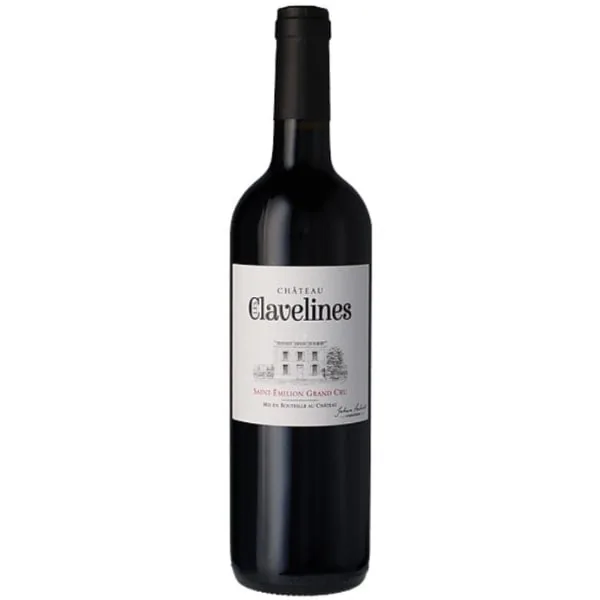
St.-Émilion is a leading RIGHT-BANK red appellation. On cooler clay and limestone soils, its wines are led by the fleshy, supple, earlier-ripening merlot, with cabernet franc — valued for aromatic intensity and notes of violets and spices — especially important here. St.-Émilion has its own classification (first drawn up in 1954 and, unlike the Médoc, revised roughly every decade): the top level is Premier Grand Cru Classé, split into an 'A' group (the higher tier) and a 'B' group, above the Grands Crus Classés. Its rankings have been repeatedly contested in court.
ดู 71 ขวดPomerol
Pomerol is a small, prestigious RIGHT-BANK red appellation on clay-rich soils, where the fleshy, supple merlot leads and cabernet franc plays an important supporting role. Uniquely among Bordeaux's major areas, Pomerol was never formally classified — yet it is home to some of the world's most expensive wines, such as Château Pétrus, which was unranked in 1855 simply because it was a Pomerol.
ดู 38 ขวดMédoc
The Médoc (including the Haut-Médoc) is the heart of Bordeaux's LEFT BANK, on the west side of the Gironde Estuary. Its top vineyards sit on deep, well-drained beds of gravel and stone near the river — an old saying holds that the finest vineyards 'can see the river.' The land looks flat but has gently rolling rises that vary sun exposure and drainage. Inside the Haut-Médoc are four famous communes running north to south: St.-Estèphe, Pauillac, St.-Julien and Margaux. The wines are cabernet-sauvignon-based, drawing their framework, structure and considerable tannin — and thus their great ageing ability — from that grape.
ดู 29 ขวดPessac-Léognan
Pessac-Léognan, appellation since 1987, sits on deep gravel beds north of Graves. Produces Cabernet Sauvignon-led reds and dry Sauvignon Blanc–Sémillon whites. Home to all 16 Crus Classés de Graves, including Haut-Brion.
ดู 23 ขวดSaint-Estèphe
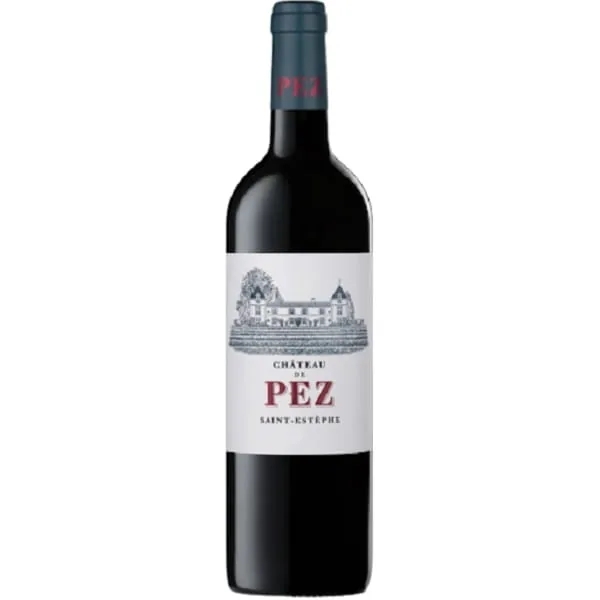
Saint-Estèphe is the northernmost major Médoc appellation. Heavy clay soils retain moisture and produce Cabernet Sauvignon-dominant blends with firm tannins and high acidity. Five Cru Classés include Cos d'Estournel and Montrose.
ดู 23 ขวดSaint-Julien
Saint-Julien sits between Pauillac and Margaux on the Médoc's Left Bank. Deep gravel over clay produces structured Cabernet Sauvignon-dominant blends. Eleven Crus Classés, all Second through Fourth Growth, define the appellation.
ดู 18 ขวดGraves
Graves lies on the Left Bank south of the Médoc and is named for its gravelly soils. It makes both red and white wine, and contains one famous smaller appellation, Pessac-Léognan — home to Château Haut-Brion, the only non-Médoc estate ranked in the 1855 Classification (and later classified again under the separate 1953/1959 Graves system, giving it two classifications). The top Graves châteaux were all simply granted the title Grand Cru Classé, with no hierarchical order among them.
ดู 7 ขวดองุ่นที่ปลูกที่นี่
Cabernet Franc, Cabernet Sauvignon, Merlot, Sauvignon Blanc, Sémillon