 Log in to view
฿฿฿฿
Rated 98/100 by James Suckling (top 6% of their reviews).
Researched by our team from producer and independent sources — not supplied by the seller.
An intensely concentrated, only-in-great-vintages Grenache-based Châteauneuf-du-Pape from Domaine du Pégau's oldest vines, made in a deliberately traditionalist, minimal-intervention style.
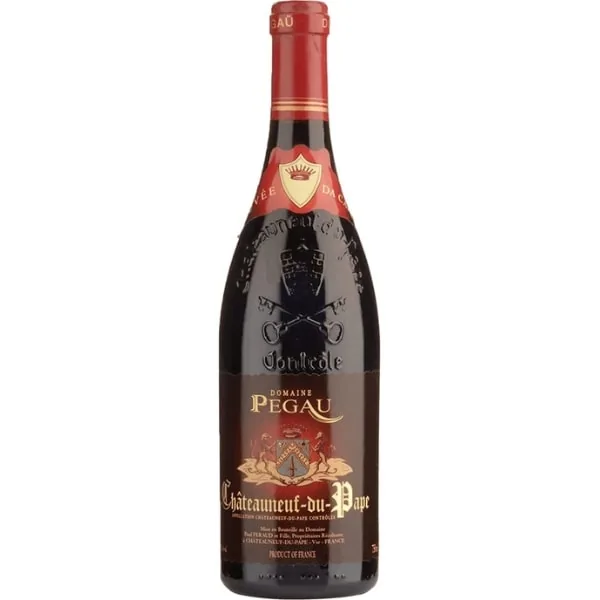
Cuvée Da Capo is Domaine du Pégau's top special cuvée, first produced in the 1998 vintage and made only in years the Féraud family judges exceptional — vintages cited include 1998, 2000, 2003, 2007, 2010, 2016, and 2020, so it is not an annual release. It is
sourced from the estate's oldest vines, more than a century old, drawn from three of Châteauneuf-du-Pape's classic terroir types: sandy soils in La Crau, galets roulés (rolled pudding-stones) in Escondudes, and pebbly red clay in Montpertuis.
The blend is Grenache-dominant (historically around 90%, with recent vintages closer to 70% Grenache filled out with Syrah, Mourvèdre, and other permitted Châteauneuf varieties), fermented whole-cluster with native yeasts in the traditionalist style Pégau is known for, then aged roughly two years in large old wooden foudres rather than new barrique.
The result is a powerful, densely fruited wine built for extended cellaring, produced in small volume (on the order of a few hundred cases) reflecting its rarity within the Pégau range. It sits at the most concentrated, structured end of the Southern Rhône spectrum, contrasting with the domaine's more everyday Cuvée Réservée bottling.
The Féraud family has grown vines in Châteauneuf-du-Pape since the 17th century, but the modern Domaine du Pégau dates to 1987, when Laurence Féraud returned from winemaking studies and partnered with her father, Paul Féraud, to formally establish the estate
as a standalone winery (Paul had begun estate-bottling a small quantity under his own name in the 1960s, after decades of the family selling grapes/bulk wine to négociants).
The domaine takes its name from the pégau, an old Provençal terracotta jug of the type unearthed near the Pope's summer palace that also gave Châteauneuf-du-Pape its name. Laurence Féraud took over day-to-day management in the mid-2000s and has continued the
estate's committed traditionalist, low-intervention style, including whole-cluster fermentation and long foudre aging, which has made Pégau one of the most closely watched producers in the appellation for wines built on power and structure rather than early drinkability.
Braised wild boar or venison daube
Long-braised game matches the wine's density and dark fruit, and the dish's own richness needs the tannin and acid structure a wine this concentrated provides.
Aged hard cheese such as Comté or Gruyère
Nutty, aged hard cheeses have enough fat and umami depth to stand up to the wine's power without being overwhelmed, a safer match than soft or very pungent cheeses.
Massaman beef curry (แกงมัสมั่นเนื้อ)
Massaman is one of the mildest Thai curries, built on warm spices (cinnamon, cardamom, cumin) rather than fresh chile heat, so its sweetness and spice can meet the wine's dark fruit and structure without the capsaicin clash that would occur with a hotter curry.
Product information compiled from producer, importer and reference sources.
Grenache-led Châteauneuf-du-Pape with dark cherry, garrigue, and structured tannins—a classic Rhône South blend.
Domaine du Pegau's Châteauneuf-du-Pape da Capo 2020 is a traditional Rhône South blend anchored by Grenache, with supporting Syrah and Mourvèdre. The wine opens with dominant dark cherry and blackberry fruit, layered with garrigue herbs and black pepper spice characteristic of the appellation's terroir.
Medium-full body and medium-high tannins provide structure without heaviness, while tertiary notes of leather and earth suggest complexity and age-worthiness. A food-friendly expression suited to grilled lamb, beef stew, and Mediterranean cuisine.
Loading notes…
Tasted this?
Ask us on LINE.
Ask about this item