Rhône Valley
Southeastern France's great red region in two distinct halves: the continental, granite Northern Rhône (single-grape SYRAH reds — Côte-Rôtie, Hermitage; viognier whites — Condrieu) and the Mediterranean Southern Rhône (grenache-led GSM blends — Châteauneuf-du-Pape, on galets stones).
About the region
The Rhône Valley in southeastern France takes its name from the Rhône River and is one of France's oldest and greatest regions, prized for the uninhibited, almost savage flavors of its top reds. It divides into two parts so distinct that, but for the river, they would be considered separate regions. The NORTHERN RHÔNE is smaller and a bit more prestigious, with a continental climate and steep, terraced granite and slate slopes: its only red grape is SYRAH, making darkly savage, spicy, white-peppery, leather-and-blackberry reds (Côte-Rôtie and Hermitage are the most renowned), while its whites are VIOGNIER (the exotically perfumed grape of Condrieu and Château-Grillet) or a marsanne–roussanne blend. The SOUTHERN RHÔNE is larger, better known and Mediterranean in climate — sunny, herb-scented, swept by the cold Mistral wind — and its reds are almost always BLENDS of many grapes led by GRENACHE, with syrah for color and spice and MOURVÈDRE for structure (the GSM-style blend); its most widely known appellation is Châteauneuf-du-Pape, famous for vineyards carpeted in large rounded stones (galets) that store the sun's heat. The everyday Côtes-du-Rhône, staples of French cafés, come mostly from the south. Across the valley twenty-seven varieties are permitted, but only a handful matter; each appellation specifies which grapes may be used, and winemakers blend their own 'personal recipe' from them.
Within Rhône Valley
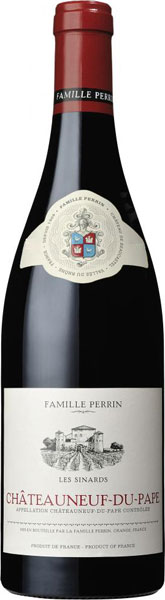
Châteauneuf-du-Pape
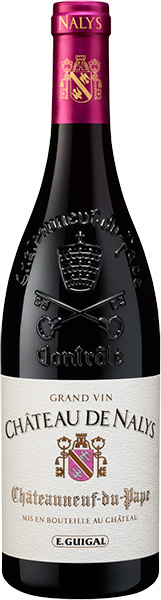
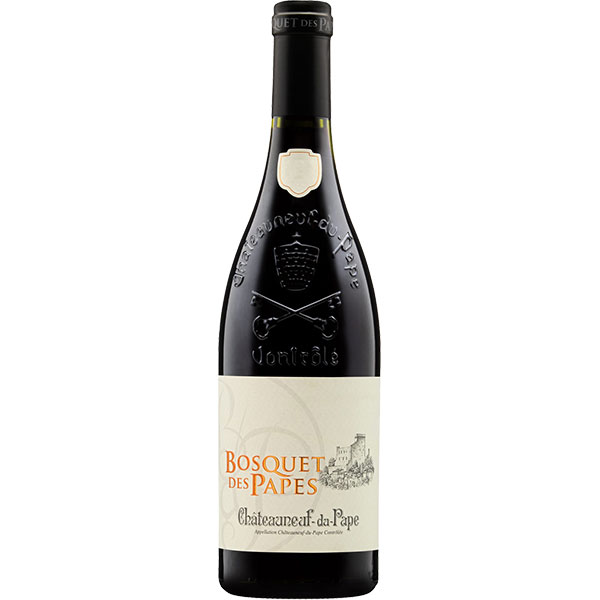
Châteauneuf-du-Pape ('new castle of the Pope'), just north of Avignon, is the southern Rhône's most widely known appellation — large by Rhône standards (~8,000 acres, versus Hermitage's 300). Its most startling feature is its 'soil' of smooth rolled stones (GALETS, or pudding-stones), remnants of ancient Alpine glaciers that carpet many vineyards with no visible dirt; they retain the sun's heat and hasten ripening while holding moisture below. About 95 percent of the wine is red, drawn from the Châteauneuf 'thirteen' permitted grapes but based on GRENACHE (grown until sweetly, jammily ripe), blended with SYRAH for color and spice and MOURVÈDRE for structure. By law it carries the lowest yields in France, and little new oak is used, so the wines taste of stones and terroir: penetrating, gamy, wild reds with an edge of tar, leather and rough stone. Its warm Mediterranean site and ripe grenache make it notably full-bodied and high in alcohol.
See 32 bottlesNorthern Rhône
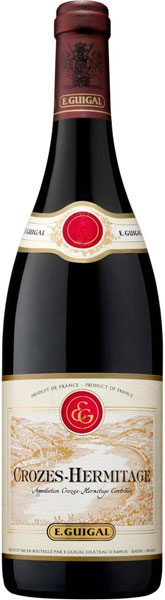
The Northern Rhône is the smaller, more prestigious half, with a continental climate (hard, cold, wet winters; hot summers) cooled by the icy Mistral. Its top vineyards cling to narrow, rocky terraces on steep slopes of poor, shallow granite and slate above the river, held in place by hand-built stone walls. Its only permitted red grape is SYRAH, which here makes some of the world's most intense reds — darkly savage and dramatic, with gamy, meaty, leathery flavors and a signature note of white pepper, over black plum, blackberry and blueberry fruit, their concentration owed partly to very old, low-yielding vines. Its rare, prized whites are made from viognier (Condrieu, Château-Grillet) or from marsanne and roussanne (Hermitage Blanc and the like); no rosé is made in the north.
See 8 bottlesCôte-Rôtie
Côte-Rôtie ('roasted slope'), the northernmost northern-Rhône appellation, makes some of the Rhône's most thrilling reds — dramatic, incisive, earthy and gamy, with pepper pacing the glass 'like a caged animal'. All Côte-Rôtie is red and based on SYRAH; no white is made. Its top vineyards sit on precipitous, due-south granite slopes (grades up to 60 degrees). It is one of only two top French reds (with Hermitage) that may by law blend in a little white grape — up to 20 percent VIOGNIER, though most producers use under 5 percent — whose creamy texture softens syrah's edges and adds exotic aroma. Its two famous slopes are the more tannic, powerful Côte Brune and the more elegant, racy Côte Blonde.
See 6 bottlesSouthern Rhône
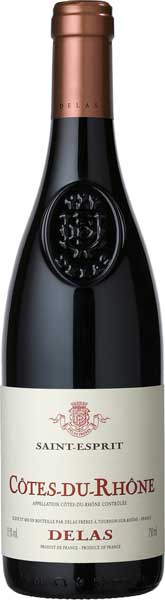
The Southern Rhône is the larger, better-known half, Mediterranean in climate — sunny, herb-scented, olive-growing, and swept by the savage cold Mistral wind that cools the vines and concentrates the grapes. Its soils are fundamentally different from the granite north: in many parts vines grow in a carpet of large rounded riverbed stones (galets), elsewhere in clay, sandy limestone or gravel. GRENACHE — not syrah — is the leading red grape, and southern reds are almost always BLENDS of many varieties (grenache led, with syrah for color and spice and mourvèdre for structure and cinsaut), because in the hot dry climate no single grape holds enough focus on its own. Its great appellation is Châteauneuf-du-Pape, followed by Gigondas and Vacqueyras; Tavel is the capital of rosé; and most Côtes-du-Rhône comes from here.
See 5 bottles