 Log in to view
฿฿฿
Researched by our team from producer and independent sources — not supplied by the seller.
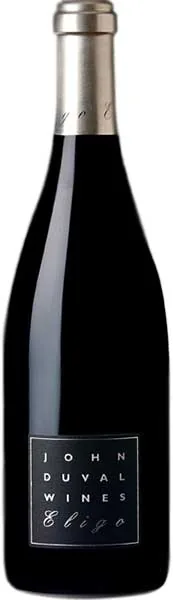
A top-tier Barossa Shiraz blending old-vine parcels from both the Barossa and Eden Valleys, favoring purity, fine-grained tannin and aromatic lift over sheer power, with dark fruit, spice and savory earth notes on a long, energetic finish.
John Duval spent 29 years at Penfolds, joining for the 1974 vintage after training at Roseworthy College, and was mentored by Max Schubert and Don Ditter. He became Penfolds' Chief Winemaker in 1986, serving as custodian of Penfolds Grange for 16 years before departing the company in the early 2000s.
He founded John Duval Wines in 2003 with Plexus as its first release; Eligo followed in 2005 as the label's flagship reserve Shiraz. His son Tim Duval joined the family business in 2016 and now serves as General Manager.
Slow-roasted venison loin with juniper and thyme
Eligo's fine-grained tannin and savory spice notes suit lean, gamey meat without overpowering its aromatic Eden Valley lift.
Barossa-style pork belly with a red wine jus
The wine's structured tannin and dark fruit concentration cut through rich, fatty pork while its regional origin makes for a natural local pairing.
Aged cheddar and quince paste
The wine's polish and fine tannin structure pair well with firm aged cheese, while quince echoes its dark fruit sweetness.
Product information compiled from producer, importer and reference sources.
Barossa Valley Shiraz from John Duval's single-vineyard selection; co-fermented with Viognier, aged in French oak.
John Duval's Eligo represents a deliberate departure from Barossa convention. Duval, former chief winemaker at Penfolds, established his eponymous label in 2002 to pursue single-vineyard expression over blended power. The Eligo Shiraz sources fruit from
low-yielding parcels in Barossa Valley, where deep red loam and ironstone soils sit at 280–320 metres elevation, creating the thermal amplitude necessary for phenolic ripeness without over-extraction.
The winemaking employs co-fermentation with Viognier (typically 5–8% of final blend), a technique borrowed from Côte-Rôtie that stabilises colour and adds textural complexity. Fermentation occurs in open-top vessels with extended maceration, followed by 18 months in French oak (approximately 50% new).
Malolactic fermentation completes in barrel, softening acidity while preserving mid-palate definition.
The Viognier co-ferment is the signature transgression here—most Barossa Shiraz producers avoid white varieties entirely, yet Duval's restraint with the percentage prevents floral overstatement and instead deepens the wine's aromatic complexity. Drinking window extends 12–20 years from vintage.
Sommelier’s pick: Char-grilled beef short rib with chimichurri · Slow-braised lamb shoulder with rosemary jus · Duck breast with cherry gastrique
Loading notes…
Tasted this?
Ask us on LINE.
Ask about this item