 Log in to view
฿฿฿
WNLQ9 vintage signal, averaged from Wine Enthusiast Wine Vintage Chart 2026 Edition's 4 closely-agreeing California 2019 ratings (Sonoma Cabernet Sauvignon; Sonoma Pinot Noir; Central Coast Pinot Noir; Paso Robles Reds).
A vintage grade rates the growing season in this wine’s region — not this specific bottle. Source.
Product information compiled from producer, importer and reference sources.
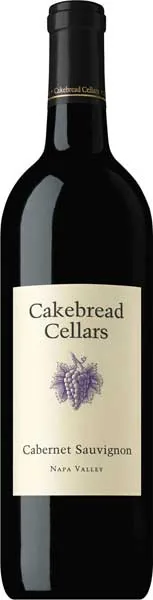
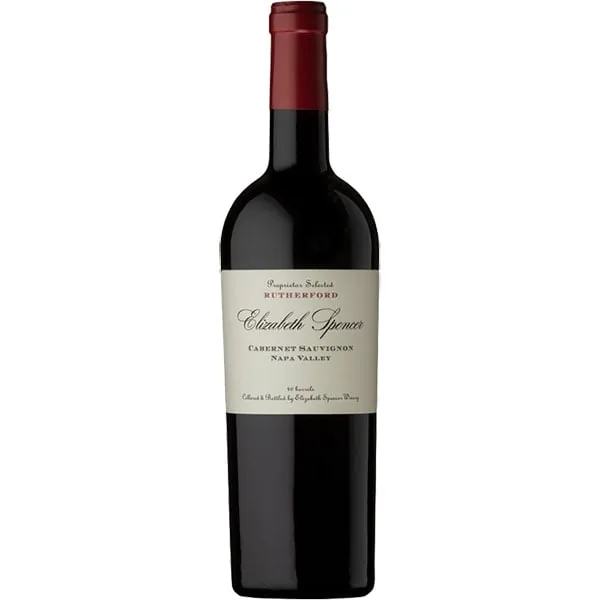
Napa Valley Cabernet from a producer known for restrained, site-driven expressions—mid-weight and food-focused.
Elizabeth Spencer sources fruit from established Napa Valley vineyard sites, focusing on Cabernet Sauvignon expressions that prioritize varietal character over extraction. The winery's approach emphasizes moderate alcohol and balanced tannin structure, positioning the wine as a food-centric Napa Cabernet rather than a blockbuster style.
Napa Valley's diverse terroirs—from the valley floor's alluvial soils to hillside volcanic and clay-rich sites—provide the foundation. The specific vineyard(s) contributing to this bottling draw from cooler microclimates that favor fresher acidity and mid-weight phenolics, typical of Elizabeth Spencer's house style.
Fermentation in temperature-controlled stainless steel or open-top vessels is standard practice for the producer, with aging in French oak (typically 16–18 months, a mix of new and neutral barrels) to avoid over-oaking. This regime preserves primary fruit expression while adding subtle structure.
The special feature is Elizabeth Spencer's consistent commitment to lower alcohol levels (often 13.5–14.2% ABV) in a region where 15%+ has become commonplace—a deliberate choice that keeps the wine balanced and increases its versatility at table.
Drink now through 2028 for optimal freshness and food compatibility.
Sommelier’s pick: Herb-crusted lamb chops with rosemary jus · Grilled beef tenderloin with peppercorn sauce · Duck breast with cherry gastrique
Loading notes…
Tasted this?
Ask us on LINE.
Ask about this item