 Log in to view
฿฿฿
Product information compiled from producer, importer and reference sources.
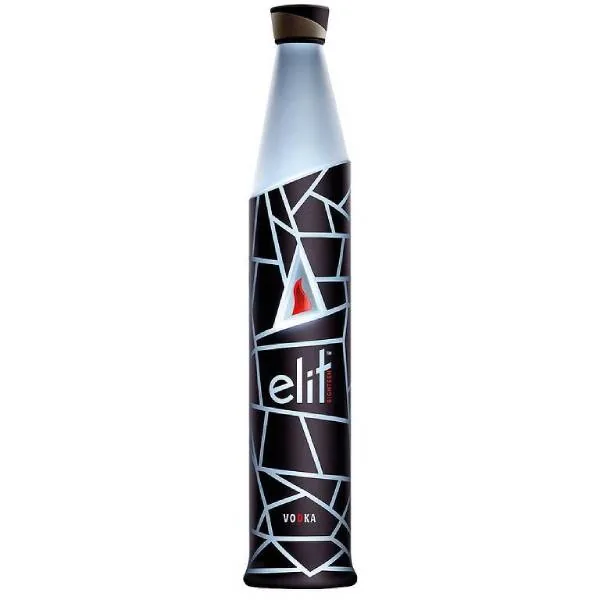
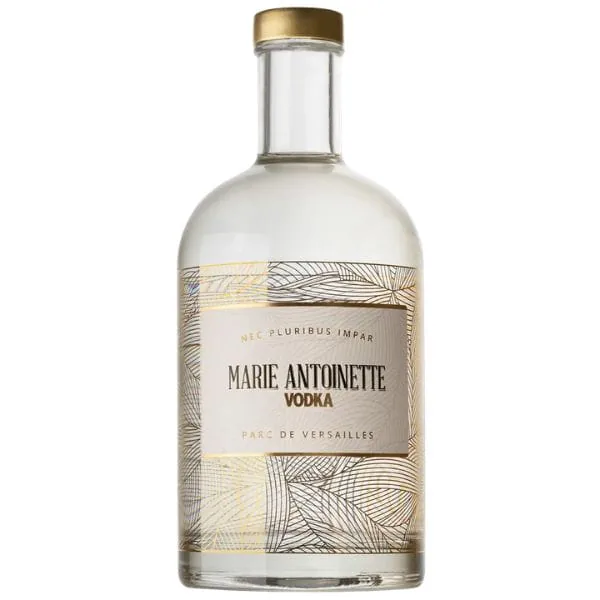
When Cognac-trained Maître de Chai François Thibault was handed the brief in 1997, he rejected the industry default of buying in neutral grain spirit and re-distilling it — insisting instead on full grain-to-glass control, a philosophy borrowed directly from Cognac's terroir-first tradition and applied, transgressively, to vodka.
The wheat is sourced exclusively from three family-farm cooperatives on the soft plains of Picardy, northern France, where slow-maturing blé panifiable supérieur winter wheat is sown in October and harvested ten months later — a growing cycle nearly double that of summer wheat, producing denser starch and more pronounced cereal character.
At the Saint-Quentin distillery, wheat is milled on-site, enzymatically converted, then fermented continuously across six cascading tanks before a single five-column distillation to 96% ABV — enough to achieve purity without stripping the soft cracked-wheat and faint anise character Thibault deliberately preserves.
The high-proof spirit travels 600 km south to Gensac-la-Pallue in the Cognac region, where it is blended with artesian spring water drawn from 150 m below the facility, naturally filtered through Champagne limestone and demineralised via double reverse osmosis
to pH ~5. A single light cellulose-and-active-carbon polish — not industrial chill-filtration — completes the process before bottling at 40% ABV with zero additives.
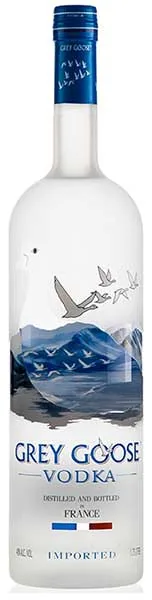
The 1.75 L Magnum format delivers the same two-ingredient formula at scale, sealed with a replaceable cork.
Sommelier’s pick: Oysters Rockefeller with tarragon cream · Smoked salmon blini with crème fraîche and dill · Chilled king crab with yuzu butter
Loading notes…
Tasted this?
Ask us on LINE.
Ask about this item