Bangkok's wine bars have made "natural wine" the most fashionable phrase in the city's drinking vocabulary — and one of the most loosely used. Natural wine in Bangkok gets confused with organic wine constantly, including on wine lists that should know better. They are related but genuinely different things: one is a certification about farming, the other a philosophy about winemaking. This guide, like the rest of our buying guides, sorts out the difference and then gets practical: what's actually in stock, and what each bottle is for.
Organic Wine: A Rulebook About Farming
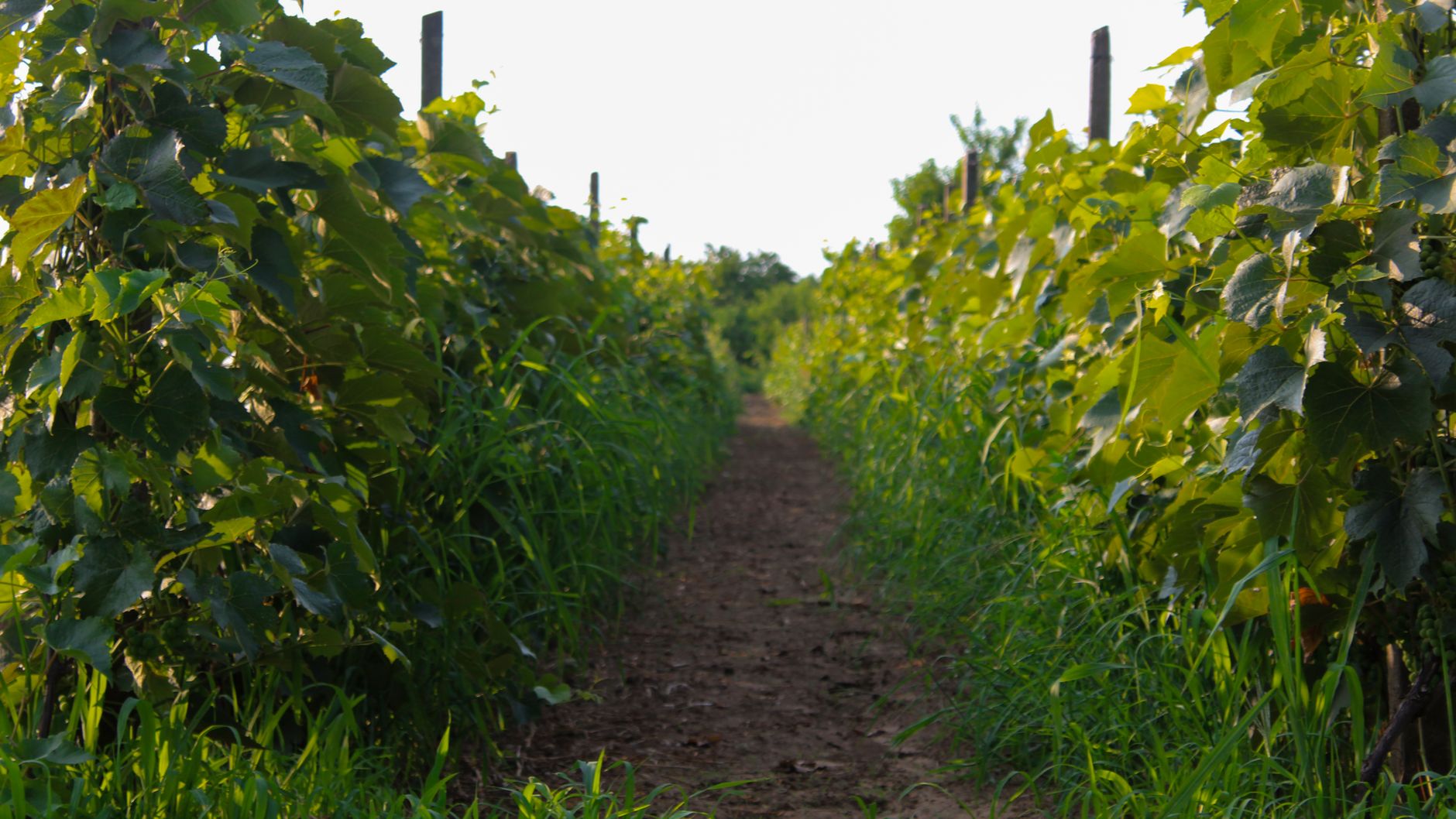
Organic is the precise term of the two. It's a legal certification — EU organic, USDA organic, or an equivalent — and it's primarily about what happens in the vineyard: no synthetic pesticides, herbicides, or fertilizers. In the EU, the rules extend into the cellar too, restricting certain additives and capping sulfites below conventional limits.
What organic certification does not dictate is style. An organic wine can be made with cultured yeasts, modern temperature control, filtration — every tool of clean, conventional winemaking. That's why most organic wine tastes completely familiar: it's regular wine, farmed more carefully. If you've enjoyed a crisp Prosecco or a polished Bordeaux Merlot that happened to carry a green leaf logo, you've already drunk organic wine without noticing.
A step further along the same road is biodynamic farming — organic plus a holistic, almost philosophical system of soil and vineyard management. You don't need to accept the cosmology to notice that some of the world's most obsessive, terroir-focused producers farm this way.
Natural Wine: A Philosophy About Everything Else
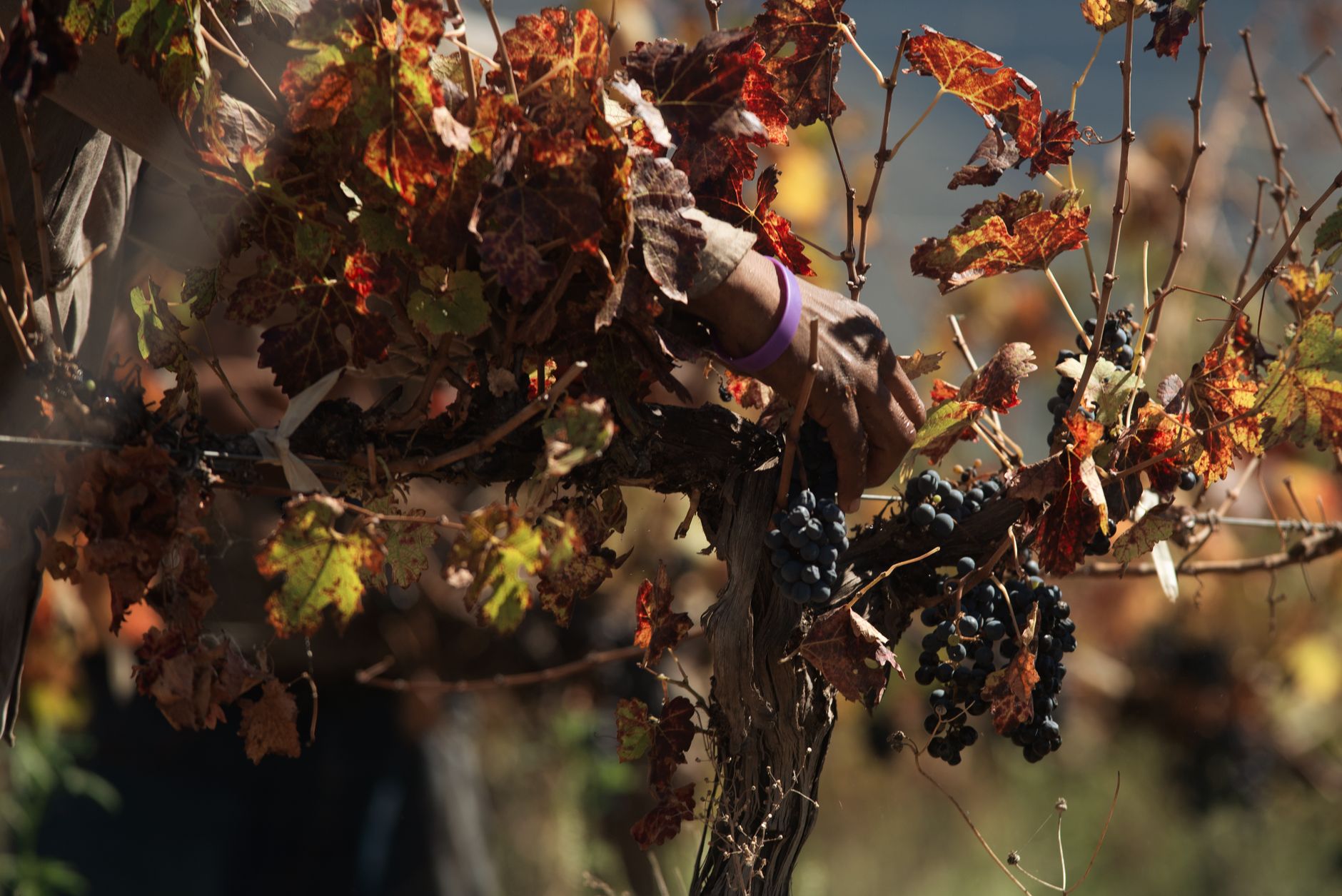
Natural wine has no legal definition — France's Vin Méthode Nature charter, introduced in 2020, is the closest thing to one. In practice it means low intervention at every step: organic (or stricter) farming, wild native yeasts instead of cultured ones, nothing added and nothing removed, little or no filtering, and minimal or zero added sulfites.
The result tastes different — sometimes slightly, sometimes radically. Natural wines can be hazy in the glass, brighter and juicier on the palate, with a savory or gently funky edge that polarizes drinkers. When it works, it's some of the most alive, food-friendly wine you can pour — which is exactly why Bangkok's natural wine bars pair it so enthusiastically with Thai food. When it doesn't, it tastes like cider that lost its way. The producer matters more here than in any other category.
The relationship in one line: almost all natural wine is organic, but very little organic wine is natural.
Natural Wine in Bangkok: The Bottles to Try
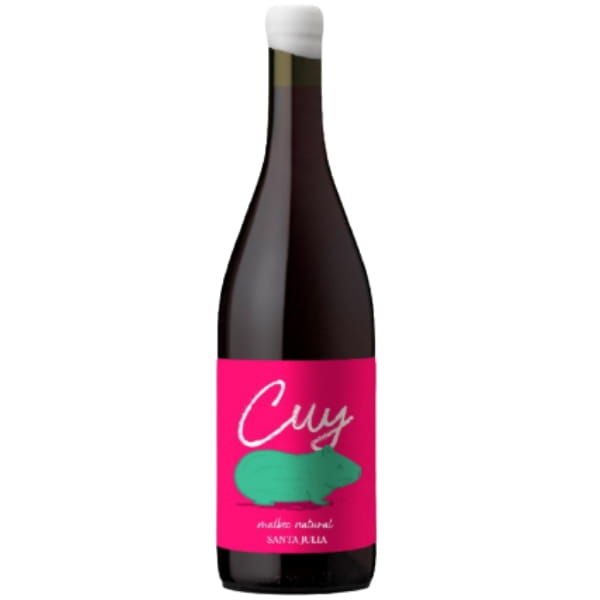
True low-intervention wine is still scarce in Thailand — import logistics and tropical heat are unkind to fragile, low-sulfite bottles. The reliable in-stock entry point is Santa Julia's Cuy range from Mendoza: wild-fermented, unfiltered, made by a family estate with serious organic credentials, and priced for experimentation rather than reverence.
Santa Julia Cuy Malbec Natural Wine — ฿1,000
Malbec stripped of its usual oak and polish — wild-fermented, unfiltered, all juicy dark fruit and violet with a fresh, slightly wild edge. Serve it lightly chilled; it's built for grilled food, not for the cellar.
Santa Julia Cuy Cabernet Sauvignon Natural Wine — ฿1,000
The same low-intervention treatment applied to Cabernet — crunchy blackcurrant and herbs instead of the varietal's usual weight and tannin. If you think you know exactly what Cabernet tastes like, this bottle is a useful argument to the contrary.
Santa Julia Cuy Orange Natural Wine — ฿1,000
A skin-contact white from the same range — amber-hued, textured, dried stone fruit over tea-leaf grip. If this style intrigues you, our orange wine deep dive explains the whole category; if you want another natural-adjacent thrill, the Judith Beck pét-nat in our Austrian wine guide is the sparkling version of the same philosophy.
Organic Wine: The Best of a Much Deeper Bench
Organic is where the Bangkok catalog gets genuinely deep — 40-plus bottles across every style and budget. These five cover the spread.
Condado de Haza "20 Aldeas" Ribera del Duero D.O. Organic — ฿1,400
From the family behind the legendary Pesquera, an organically farmed Tempranillo from twenty villages' worth of Ribera del Duero vineyards. Dark fruit, structure, and real regional seriousness — proof that organic and classical can be the same wine.
Château Maris Merlot Syrah (Organic) — ฿849
Château Maris in the Languedoc is one of France's best-known biodynamic estates — farming that goes beyond organic certification into full ecological obsession. The wine itself is generous and southern: ripe plum, garrigue herbs, supple tannin, absurd value at this price.
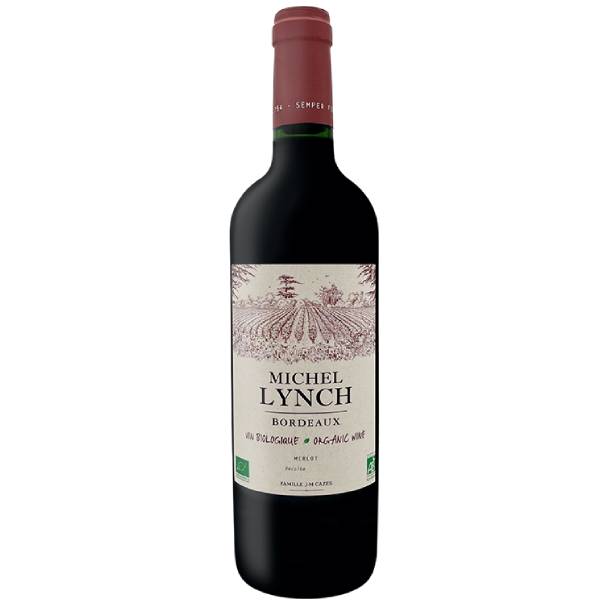
Michel Lynch Nature Merlot Bordeaux "Organic" AOC — ฿699 (sale)
Certified-organic AOC Bordeaux from the Michel Lynch range — soft, round Merlot in the classic right-bank register. The bottle to hand a traditionalist who claims organic wine is a fad: it tastes exactly like the Bordeaux they already drink.
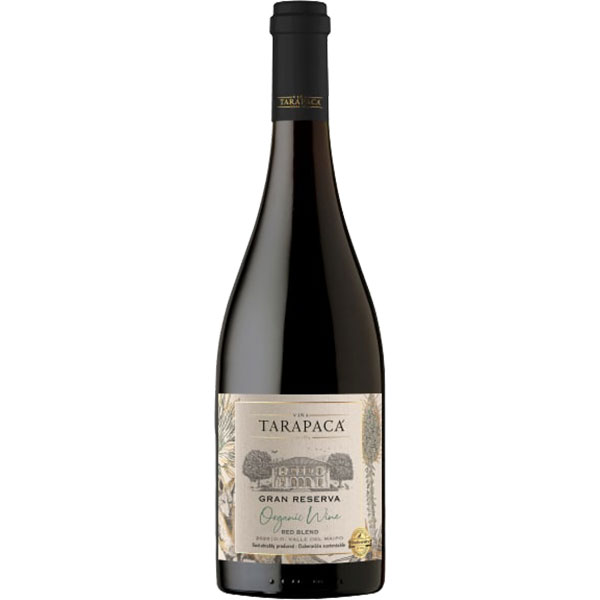
Tarapacá Gran Reserva Organic — ฿749
A Gran Reserva-level organic red from one of Chile's historic Maipo Valley estates — polished, cassis-driven, oak-framed. The most conventional-tasting wine on this page, and the strongest everyday-dinner candidate.
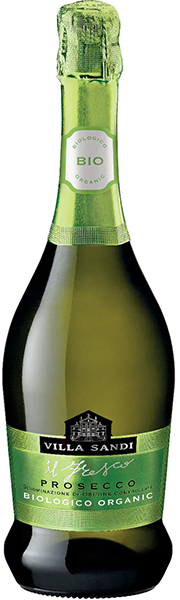
Villa Sandi Prosecco Il Fresco Bio (Organic) — ฿785 (sale)
Certified-organic Prosecco from one of the region's benchmark houses — pear, white flowers, fine bubbles, zero funk. Organic farming, entirely familiar pleasure.
Botter Primitivo Puglia (Organic Wine) — ฿600
The budget proof point: a sunny, plush southern-Italian Primitivo, certified organic, at the price of a cocktail. House-wine material for anyone who wants the green credentials without ceremony.
So Which Should You Drink?
If you want wine that tastes the way wine has always tasted to you, but farmed without synthetic chemicals, buy organic — the Condado de Haza and Villa Sandi will never startle anyone at the table. If you're curious about the funkier, livelier end of the spectrum that Bangkok's wine bars are pouring, start with one Cuy bottle — the Malbec is the safest introduction — and serve it cool with something grilled. And read labels with the distinction in mind: the certification logos on the back tell you about farming; whether a wine is "natural" is a claim about philosophy that only the producer's reputation can back up. For decoding the rest of the label, our wine designations guide covers the vocabulary that actually is regulated.
FAQ
What is the difference between natural wine and organic wine?
Organic wine is a legal certification about farming — grapes grown without synthetic pesticides or fertilizers, with some cellar restrictions in the EU. Natural wine is an uncertified philosophy about winemaking: wild yeasts, nothing added or removed, minimal or no sulfites, little or no filtration. Almost all natural wine is organically farmed, but most organic wine is made in a completely conventional style.
Does organic wine contain sulfites?
Usually yes. EU organic rules permit added sulfites at lower caps than conventional wine, and US "made with organic grapes" wines allow them too. Only some natural wines are made with zero added sulfites — and no wine is entirely sulfite-free, since fermentation produces small amounts naturally.
Does natural wine give you less of a hangover?
There's no solid evidence for this popular claim. Hangovers are driven overwhelmingly by alcohol quantity, hydration, and individual tolerance — not sulfites or farming methods. Drink natural wine because you like how it tastes, not as a health strategy.
What does natural wine taste like?
Expect brighter, juicier fruit, lighter extraction, and often a savory, yeasty, or gently funky edge — sometimes with a slight haze in the glass. Styles range from almost-conventional to radically wild, so the producer matters more than in any other wine category. Low-intervention bottles like Santa Julia's Cuy range sit at the approachable end.
Where can I buy natural wine in Bangkok?
WNLQ9 delivers across Bangkok — the natural and organic bottles in this guide are in stock from ฿600 to ฿1,400. The city's natural wine bars, particularly around Ari, Silom, and Thonglor, are good places to taste more radical bottles by the glass before committing to a case.